In pictures: Krasnoff, Russian refugee who painted Malta postcards
Giovanni Bonello delves into the life of the Czar's personal architect and his life in Malta
The Bolshevik Revolution of 1917 and the civil war that followed brought about a widespread exodus of aristocratic Russians and their entourages, fleeing for their lives from the homeland they had believed to be their property. A number of the refugees found temporary asylum in Malta, among whom the sculptor Boris Edwards and Nikolai Krasnoff, an outstanding architect and amateur watercolourist.
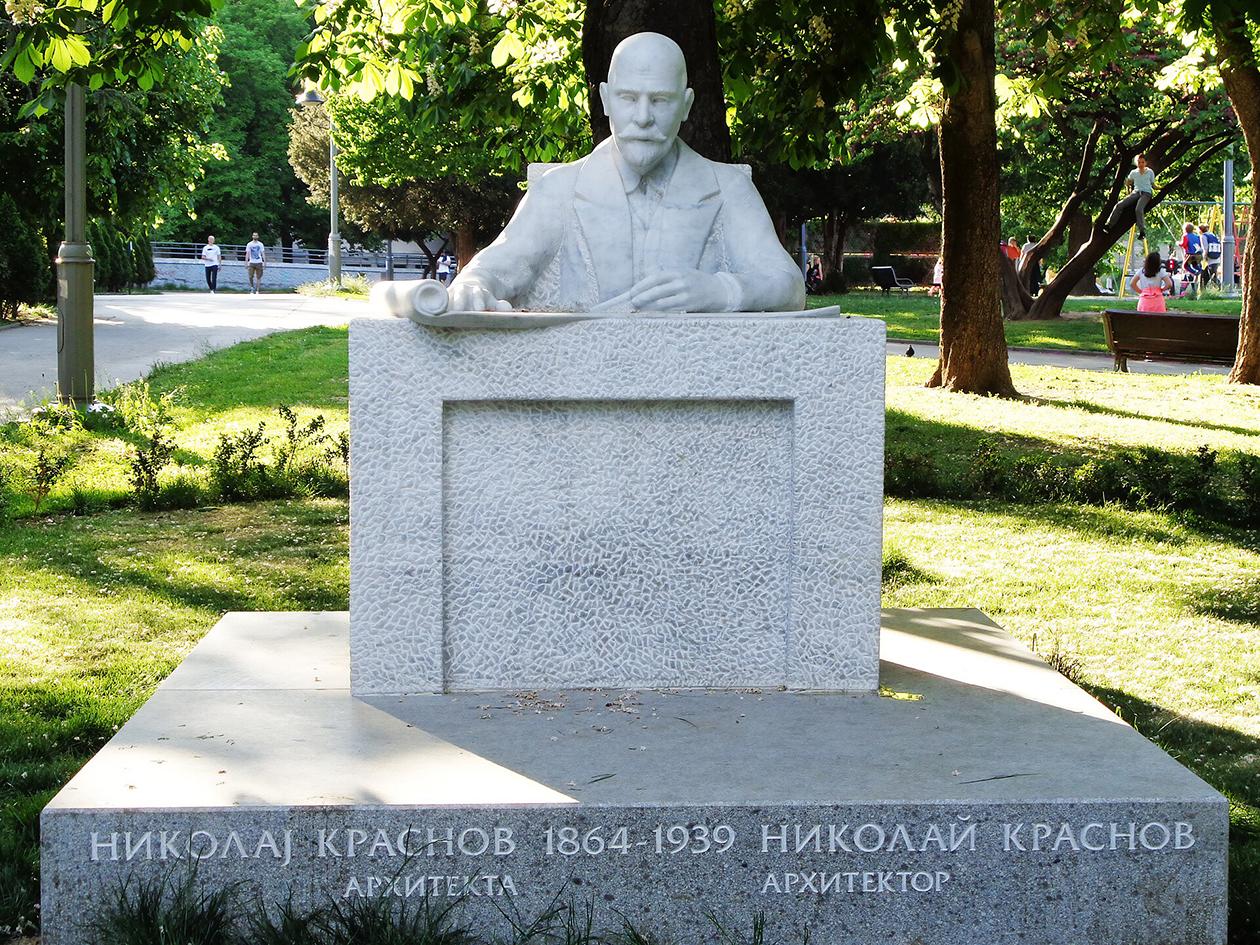 Monument to the architect Krasnoff erected in Belgrade, former Yugoslavia.
Krasnoff arrived in Malta on SS Bermudian on April 25, 1919, shortly before the Sette Giugno riots. My father arm-twisted the authorities to commission the Addolorata monument to the victims of the disturbances to the emigrée sculptor Edwards.
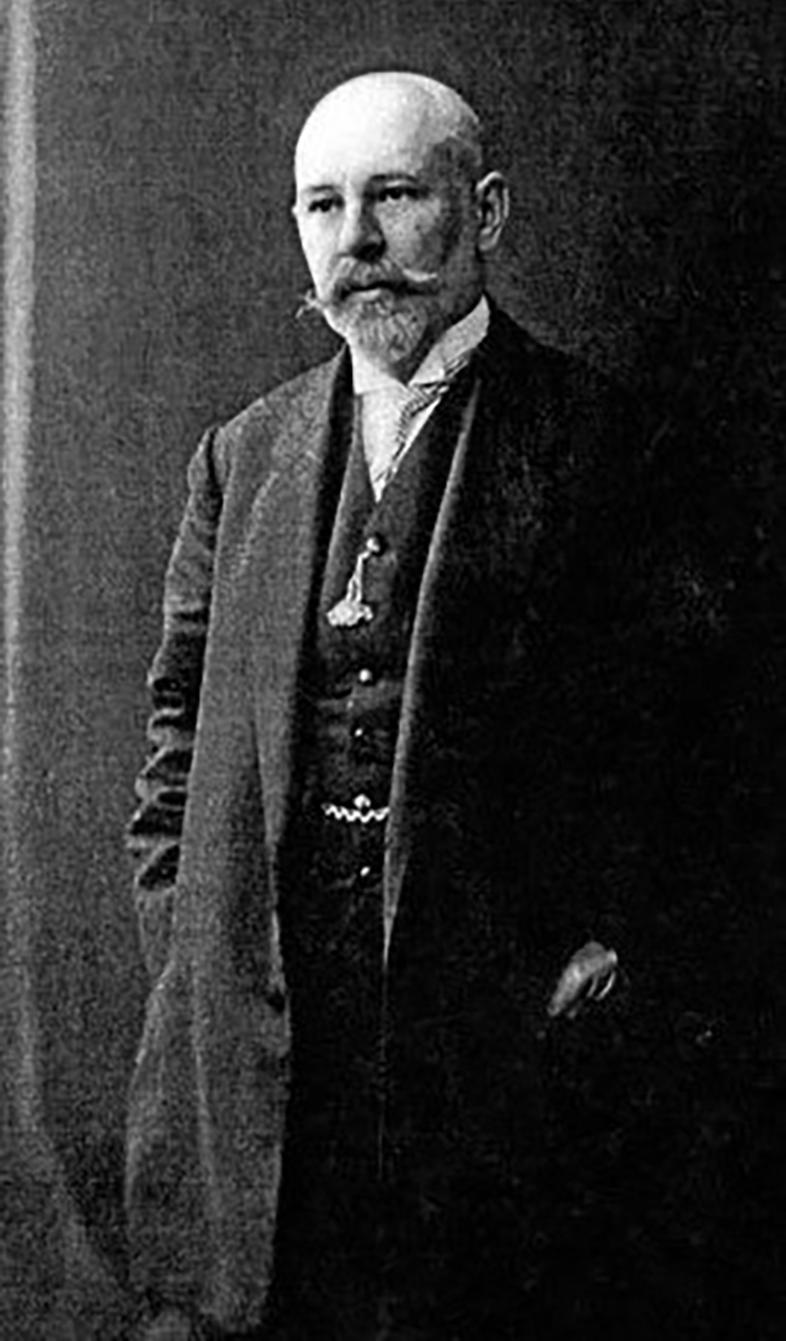 Portrait of Nikolai Krasnoff.
Krasnoff (23.11.1864-8.12.1939), the Czar’s personal architect and the nobility’s darling, had built the Romanoff’s lavish summer palace, the Imperial Livadia Palace in Crimea and the Yusupov Palace, both of which later housed the 1945 Yalta Conference that shaped the postwar world. In Malta, to earn a living, Krasnoff requested to be allowed to work as an architect. The pea-brained local bureaucrats binned his request. As a fallback, he started selling his watercolours and to teach painting – his favourite pupil: Princess Nathalie Poutiatine, who introduced Malta to classical ballet.
The Central Library, 65, St Mark Street, Valletta, cashed in on the occasion. It commissioned from the Russian exile the watercolour artwork (£1 each!) for a set of topographic postcards. These elegant and vibrant compositions, with a hint of naïve impressionism, competed with contemporary sets by established artists – Edward Caruana Dingli, Vincenzo D’Esposito, Luigi Maria Galea and others.
In 1922, the architect left Malta for Yugoslavia where, differently from Malta, he was inundated with prestigious commissions.
When away from the island, an anonymous publisher plagiarised Krasnoff’s postcard artwork and reissued some cards, unsigned and poorly copied from the originals.
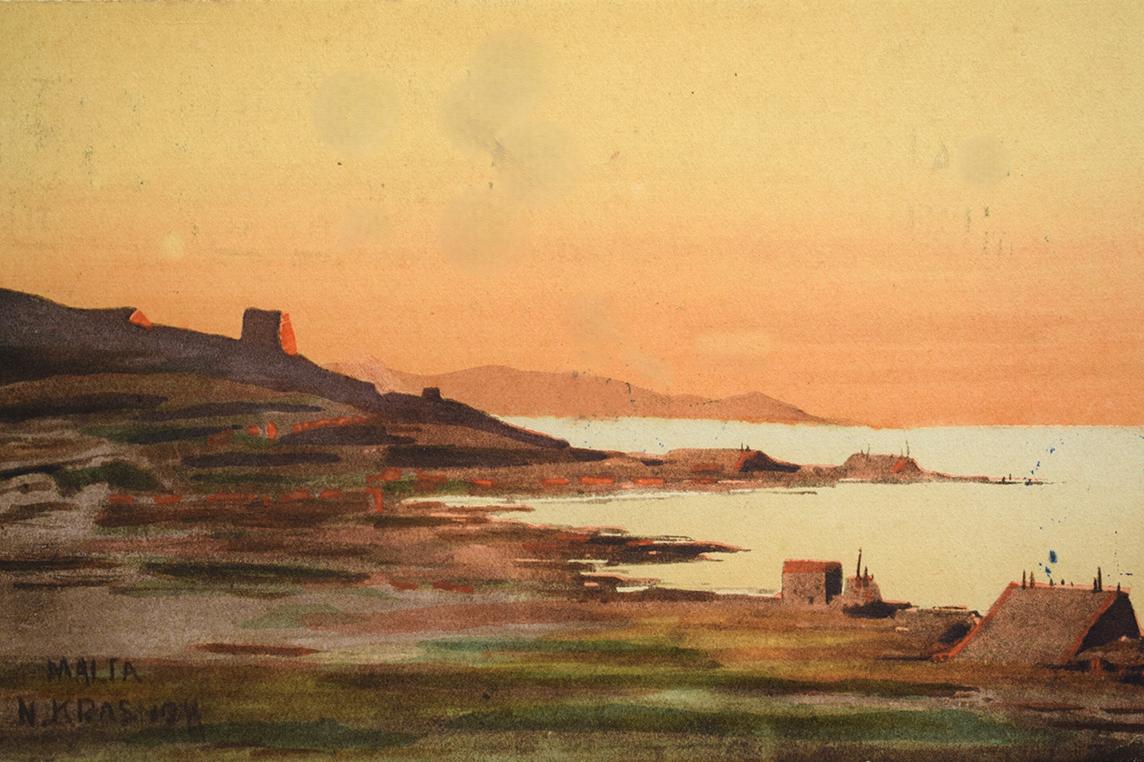
St George
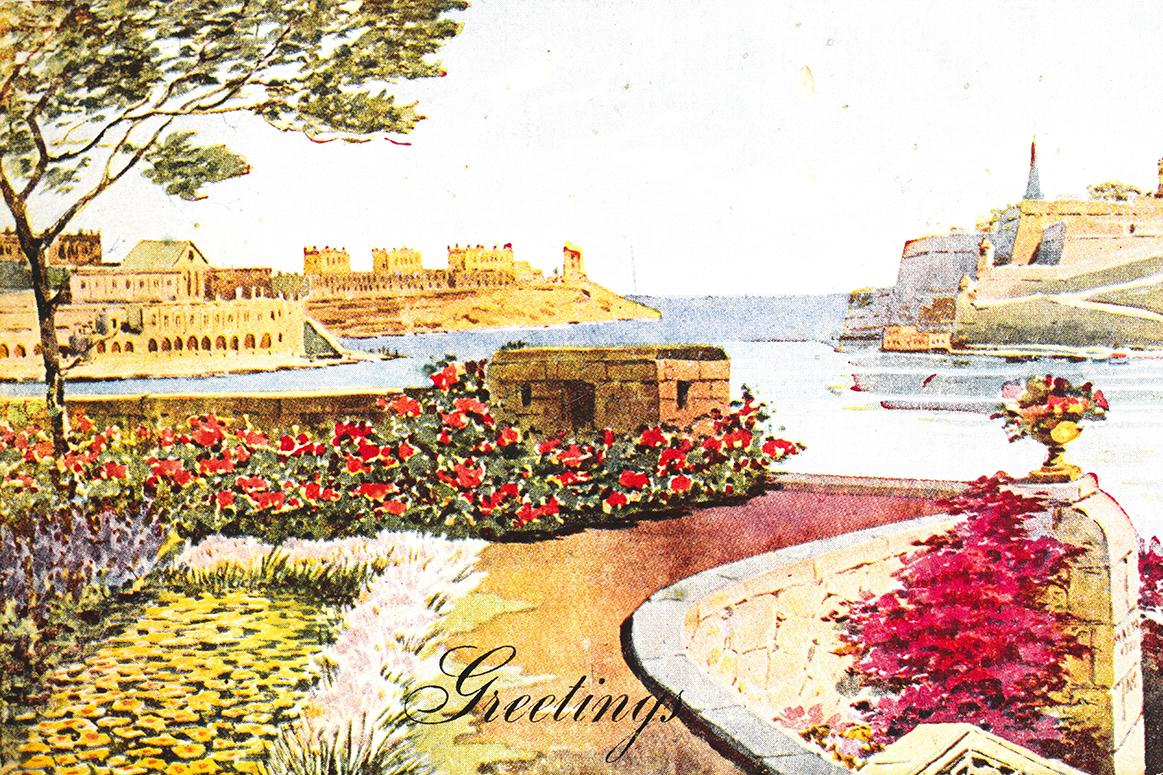
An example of Krasnoff’s Malta postcards anonymously plagiarised after he left Malta.
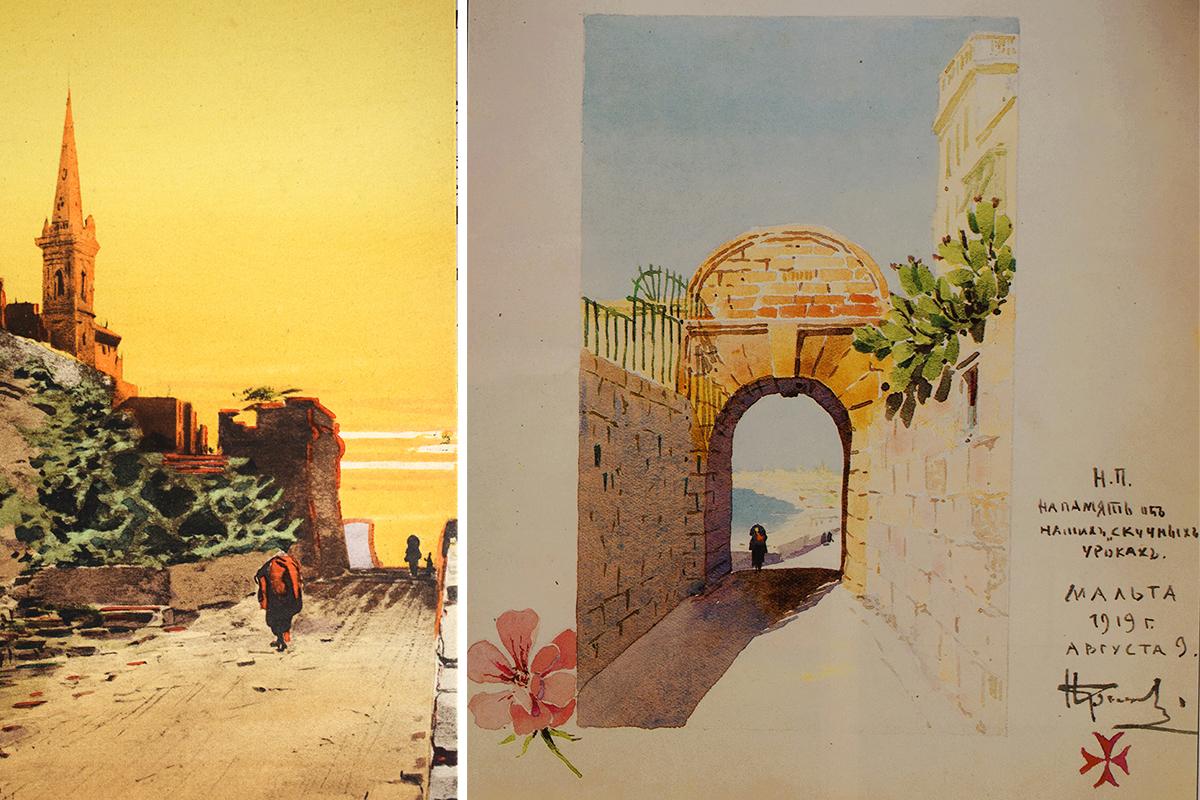
Overlooking Marsamxett. Right: A watercolour Krasnoff presented to Princess Poutiatine “to remember our boring lessons”. Private collection
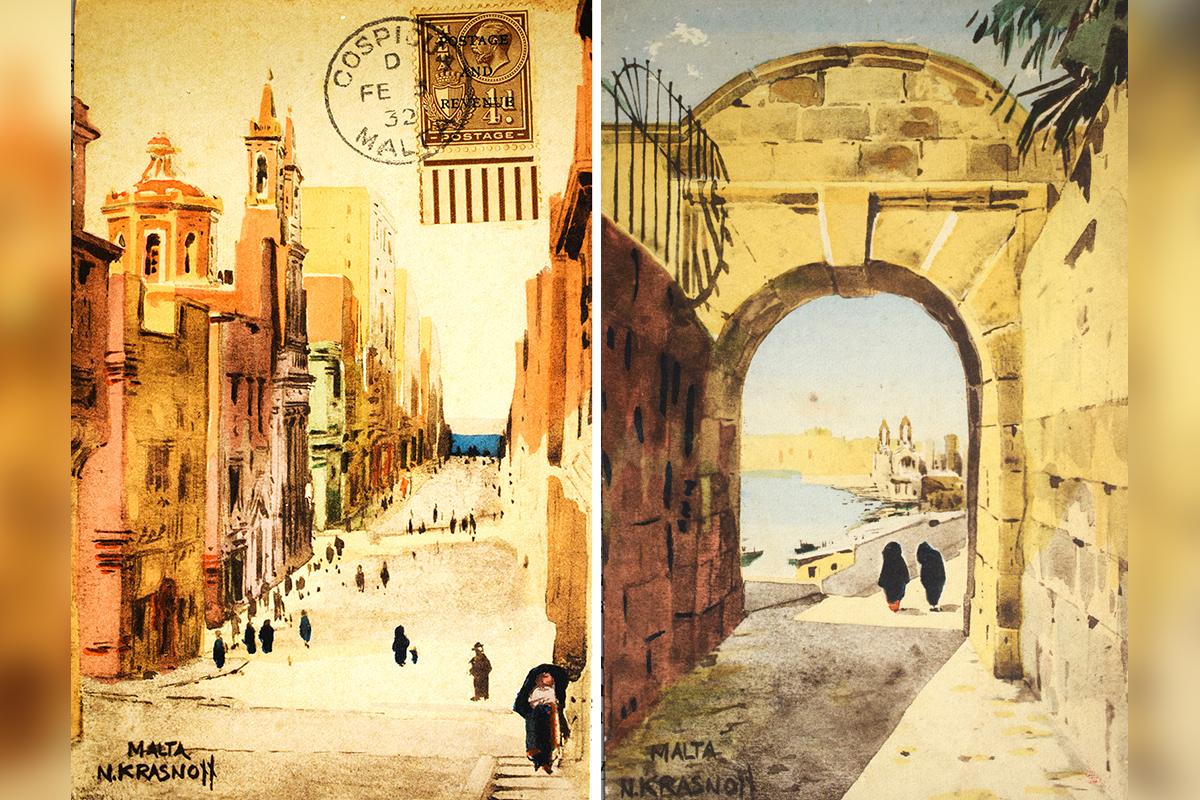
Street Forni. Right: Cottonera Gate
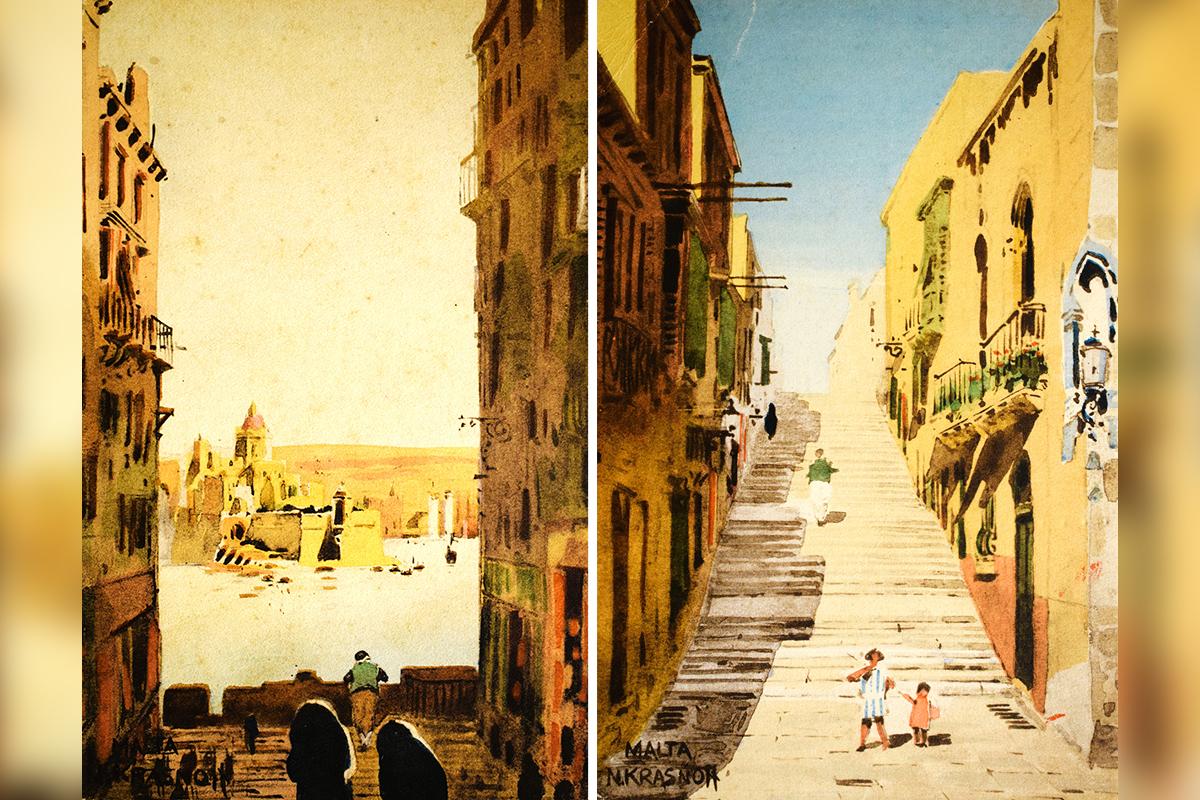
Senglea. Right: Street of Steps.