Pirates and corsairs once raided Malta’s shores. Now they have a museum
Museum uses multi-sensory installations to illustrate this period in Maltese history
For centuries, pirates and corsairs raided Malta’s shores each summer and now their violent history is being explored in a new museum in Marsascala.
The Corsair and Piracy Museum, housed in the restored 17th-century St Thomas Tower overlooking the southern coastline, is the first in Malta to focus entirely on this part of the Mediterranean’s intriguing maritime history.
Pirates and corsairs were regular threats to Malta and Gozo until the late 18th century, particularly during the “golden age” of maritime raids between the 1400s and 1700s.
The watchtower, the largest of its kind in Malta, had been abandoned for decades before being handed over to heritage NGO Fondazzjoni Wirt Artna (FWA) in 1999. At one point, it was being used as a pizzeria.
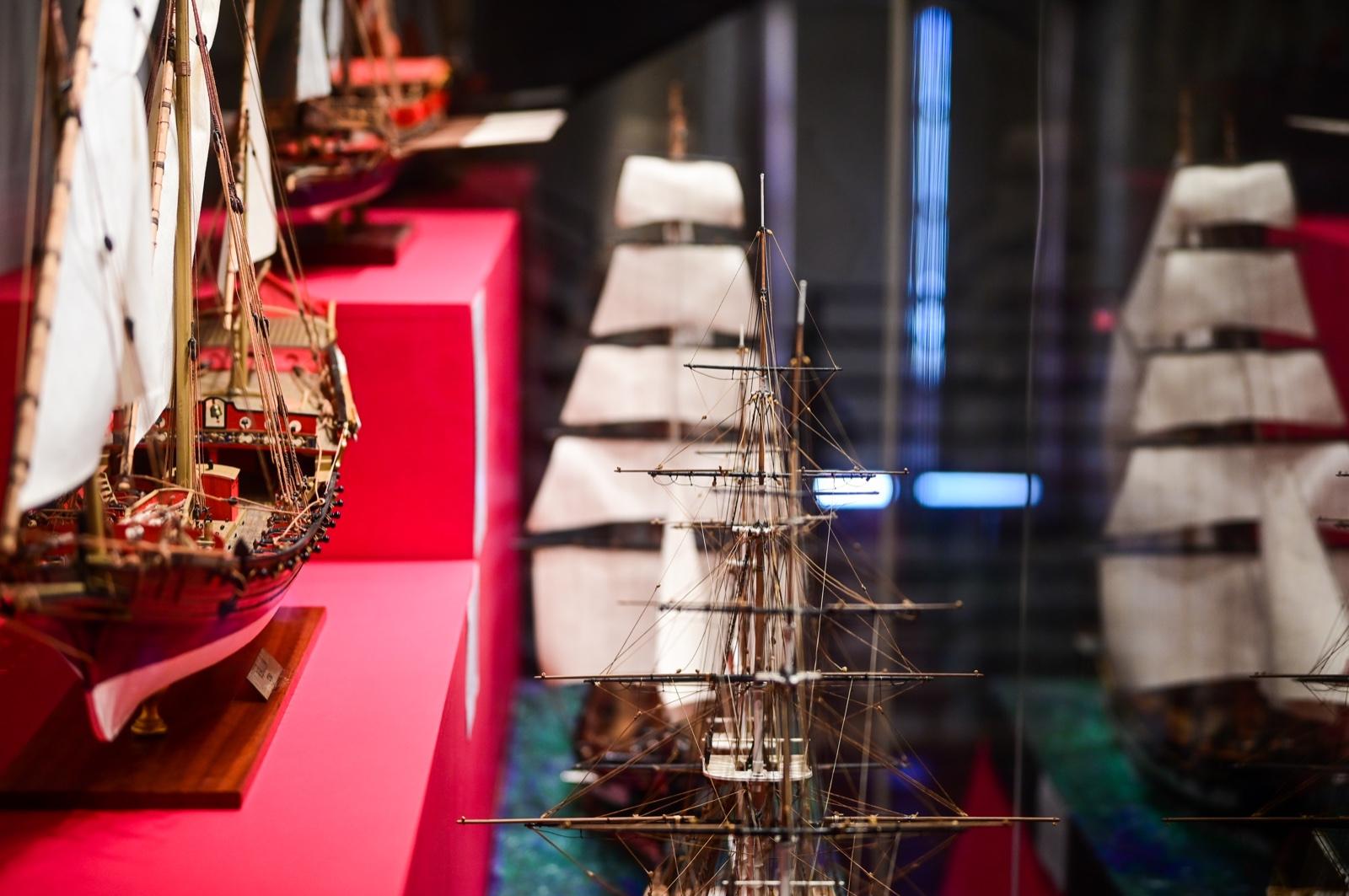 Models of some of the pirate and corsair ships. Photo: Jonathan Borg
A €3.39 million restoration project, co-financed by the European Regional Development Fund, and managed by the Malta Tourism Authority, has now been completed.
The work included structural repairs, protection from water ingress and upgrades to improve accessibility. Two reservoirs within the tower were also restored to allow rainwater harvesting, and the building has been fitted with a climate control system.
Speaking at the inauguration, Tourism Minister Ian Borg said the project was part of efforts to diversify Malta’s tourism offering and encourage cultural activity in Marsascala.
The museum presents centuries of adventure, uncovering tales of daring corsairs, feared pirates and dramatic naval encounters, including the retaking of the tower by the Maltese Militia during the French blockade of 1798.
It uncovers how pirates raided Malta and Gozo’s unguarded coasts, sometimes taking locals into slavery.
St Thomas Tower itself was built in 1614, primarily to protect Malta from the Barbary corsair landings in the sheltered bays of Marsascala Creek and St Thomas Bay and key inland settlements such as Żejtun.
The museum uses multi-sensory installations, projection mapping, interactive digital displays and historical artefacts collected by FWA to illustrate this period in Maltese history.
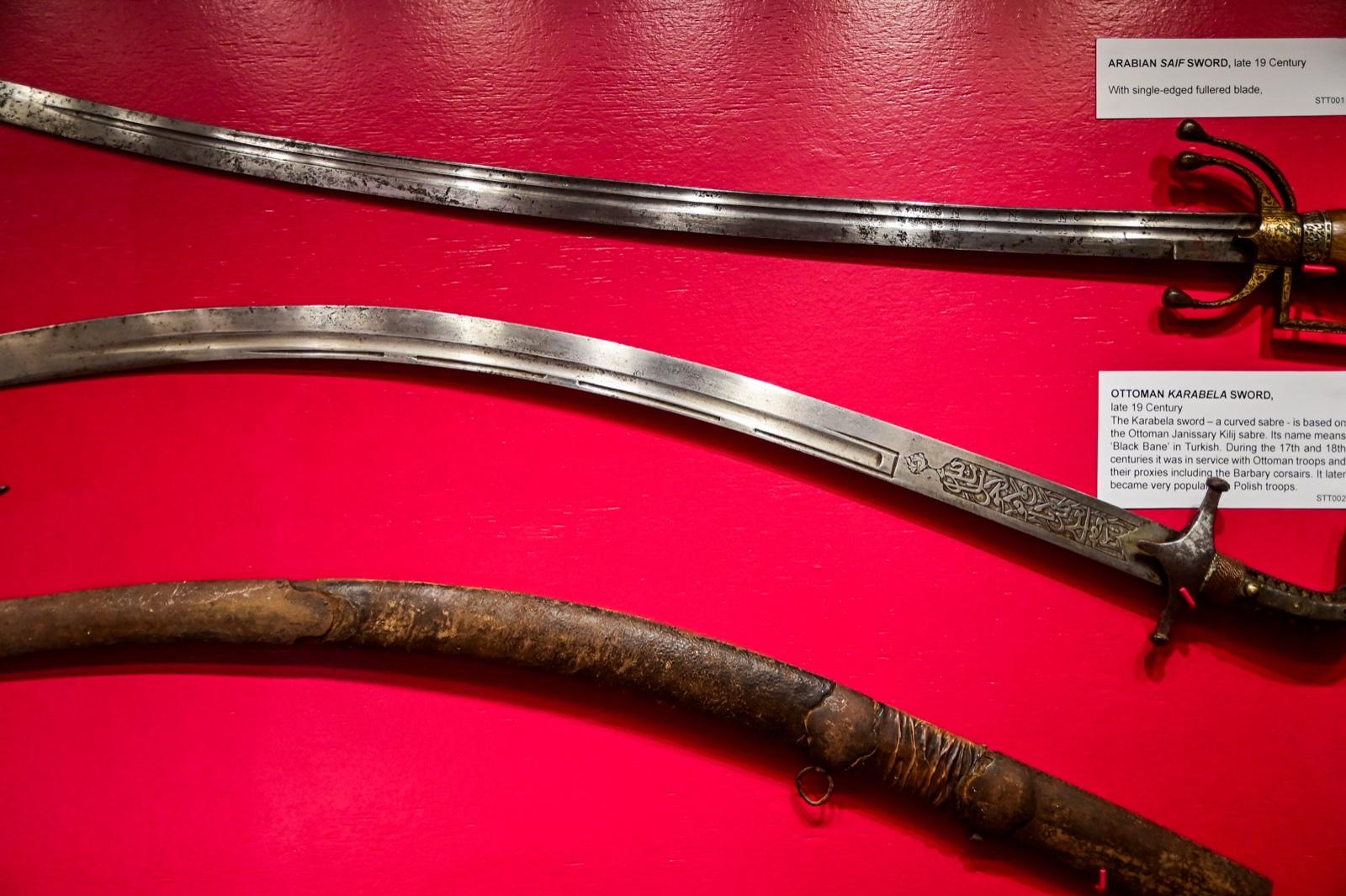 Maltese corsairs faced Ottoman swordsmen at sea. Photo: Jonathan Borg
FWA executive chairperson Mario Farrugia said the museum aims to appeal to visitors of all ages. One of the interactive exhibits, for instance, allows users to simulate firing a cannon at a ship.
He added that the name ‘Pirates and Corsairs Museum’ was chosen carefully, as some objected to the idea that Maltese were involved in piracy. He explained that corsairs operated with state authorisation to attack Ottoman and North African shipping, unlike pirates who acted independently.
The bastioned watchtower was one of six built by Grand Master Alof de Wignacourt.
While the museum is now open, a related project proposed by the FWA – establishing a walking route connecting towers in the south – remains on hold due to lack of funding.
The Corsair and Piracy Museum is open every day from 10am to 4.30pm.