Plans to set up a new centre-left party shelved
Decision motivated by fragmentation fears
A planned centre-left party aiming to challenge Malta’s two-party system has been shelved, with its founders warning that further fragmentation risks entrenching the political status quo.
The Partit Malta Progressiva (PMP), an initiative involving former Labour Party officials and activists from the green movement, was scheduled to launch in January last year. It involved former MEP Cyrus Engerer and Silvan Agius, previously a Labour policymaker.
In May, its organisers said the process had been delayed due to difficulties finding a woman co-leader.
Now, in response to questions from Times of Malta, both Agius and Engerer suggested there was no point in setting up another party that would further fragment voters who are unhappy with the two main parties, Labour and the Nationalist Party.
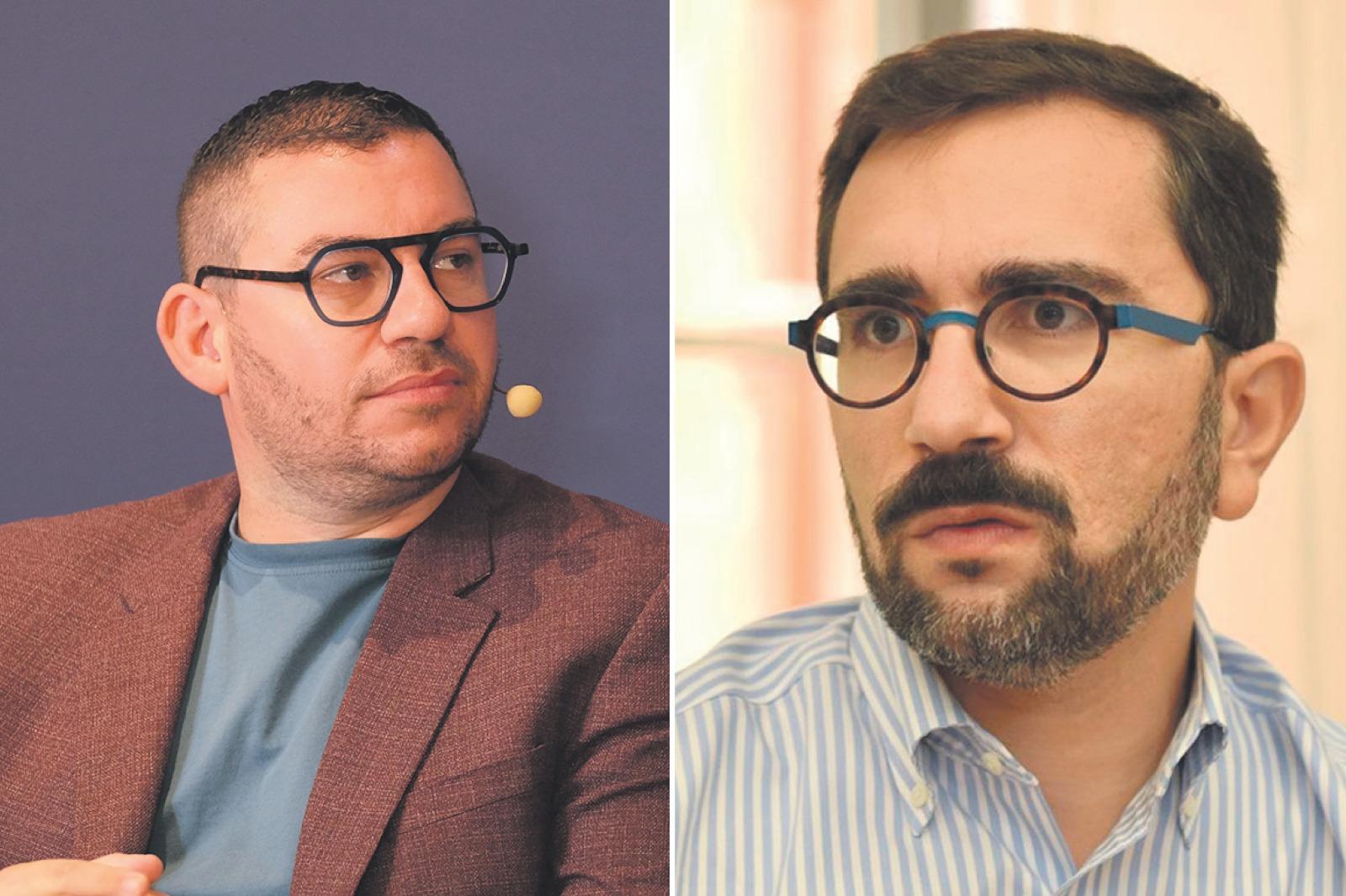 Both Silvan Agius, right, and Cyrus Engerer suggested there was no point in setting up another party that would further fragment voters who are unhappy with the two main parties.
They insisted the prevailing “duopoly of old and traditional parties is broke” and “no longer reflects a modern, plural society”. It was time for centre-left movements to unite and break through the electoral system.
“We believe it is time to reform it and transform our democracy into one that is active, dynamic and genuinely representative, where all voices matter and all democratic institutions function properly,” they said.
“In the meantime, and under the current rules, fragmentation only strengthens the status quo. That is why cohesion and cooperation among left and centre-left movements, particularly new and smaller parties, is essential. A crowded ballot sheet does not increase choice; it dilutes it and makes it even harder for alternative voices to be heard.”
In the 2022 general election, about 9,000 people voted for a third party or independent candidate.
Then, in the 2024 MEP elections, that surged to 33,103 people, who voted for third parties or independent candidates, in large part due to a strong showing by independent candidate Arnold Cassola. He used that support to launch a centrist party, Momentum, with a focus on good governance, social justice and environmental issues.
At the time, Cassola said the party would be open to collaboration and coalitions with other groups and was focusing on the 100,000 voters who chose to stay at home in the European Parliament elections.