Watch: 'I played dead' – Hostage relives Malta horror of hijacked Flight 648
Hijack survivor Jackie Pflug, now 70, was shot in the head on the Luqa airfield 40 years ago
Jackie Pflug lay face down on the Luqa airport tarmac, rainwater pooling beneath her cheek, fearing her breath might give her away.
Five hours had already passed since the hijacker’s bullet tore through her head and sent her tumbling down the metal staircase of EgyptAir aircraft.
“I just kept hearing the same thing over and over. ‘Be still. You’re going to be okay, but you need to be still,’” Jackie, now 70 years old, tells Times of Malta.
“I decided to play dead. I must have watched too many westerns growing up, but that idea saved my life.”
Forty years ago, the diversion of Flight 648 turned Luqa airport’s runway into the deadliest hijacking scene in aviation history prior to the September 11 attacks.
The saga ended with the deaths of 60 people in total, including passengers, crew, and two of the three hijackers. Many passengers died because of the botched rescue carried out by the Egyptian forces after a siege.
Jackie recalls the 22-hour siege between November 23 and 24, 1985: the moment she was picked out, the sound of the gun to her head, falling down the stairs and the moment of hope.
There were children on board, babies crying, everyone full of fear. Our lives were in their hands. They told us that if we did what we were told, we wouldn’t get hurt. But they were armed with guns and grenades- survivor Jackie Pflug
In November 1985, Jackie was a 30-year-old American teacher working at the American School in Cairo. She was returning from Greece, planning to meet friends for Thanksgiving.
Minutes after take-off from Athens, three gunmen from the Abu Nidal Organisation stormed the cabin, firing rounds that blew out panels and injuring several passengers.
The pilots diverted the aircraft to Malta, signalling the start of a suffocating and tense ordeal. They demanded the aircraft be refuelled to fly it to Libya and secure the release of imprisoned militants in Egypt. As it became clear that their demand would not be met, the situation on board became desperate.
“There were children on board, babies crying, everyone full of fear. Our lives were in their hands. They told us that if we did what we were told, we wouldn’t get hurt. But they were armed with guns and grenades,” Jackie said.
When their request for fuel was turned down, the three hijackers decided to carry out their threats. Passengers with American or Israeli passports were identified first. Jackie and two American passengers were ordered to the front of the plane, their hands bound behind their backs with neckties before the execution line formed.
Jackie watched as others were led to the front of the aircraft, marched to the open door and shot. In those tense moments, fellow American passenger Scarlett Rogenkamp asked her to say the Hail Mary, and then Jackie began to say the Lord’s Prayer.
Minutes later, Scarlett was made to kneel on the staircase, and shot in the back of the head, dying instantly.
At one point, Jackie tried to convince the hijackers she was Hispanic. It didn’t matter; the hijackers had everyone’s passports.
“I really thought I was going to die,” she says during the online video call.
“So, I thought about my family. I pictured each one and told them what I loved about them and what I would miss.”
Then came her turn.
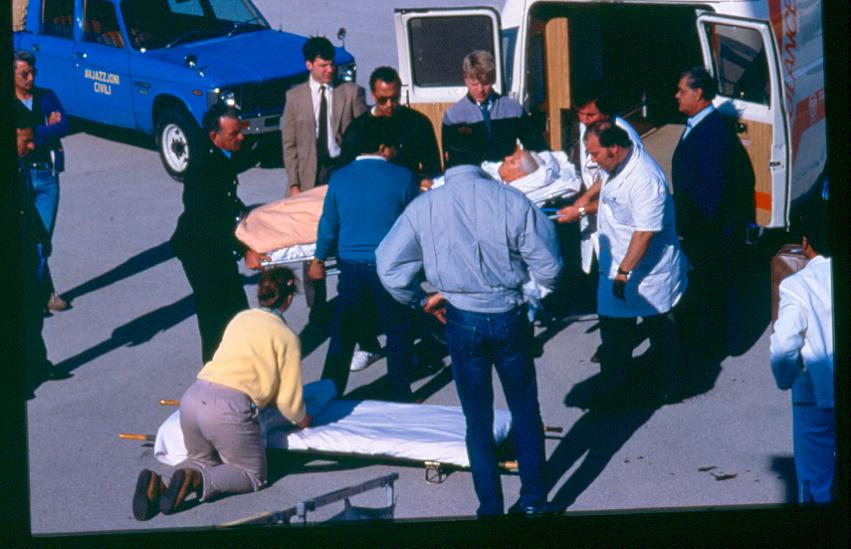 Jackie Pflug being being transported into an ambulance.
‘What a beautiful day for something so awful’
By the time hijacker Omar Mohammed Ali Rezaq pointed at her and told her to get up, Jackie believes she was already in shock. Five or seven hours had passed since the plane landed and she felt her body had started shutting down.
“When I got to the front, they opened the door. I looked outside and thought, oh my gosh, what a beautiful day for something so awful to be happening.”
She briefly considered trying to escape, pushing past the gunman and throwing herself down the stairs. But the thought faded. Within a couple of minutes, she felt the cold pressure of the gun at her head. She was shot.
The bullet penetrated her skull but it failed to kill her. She was hurled down the aircraft stairs, landing hard on the tarmac.
“I landed with my left hand under my chest and my right hand over my head,” she says. “And I got this message: Be still. It will be okay. So that’s what I did.”
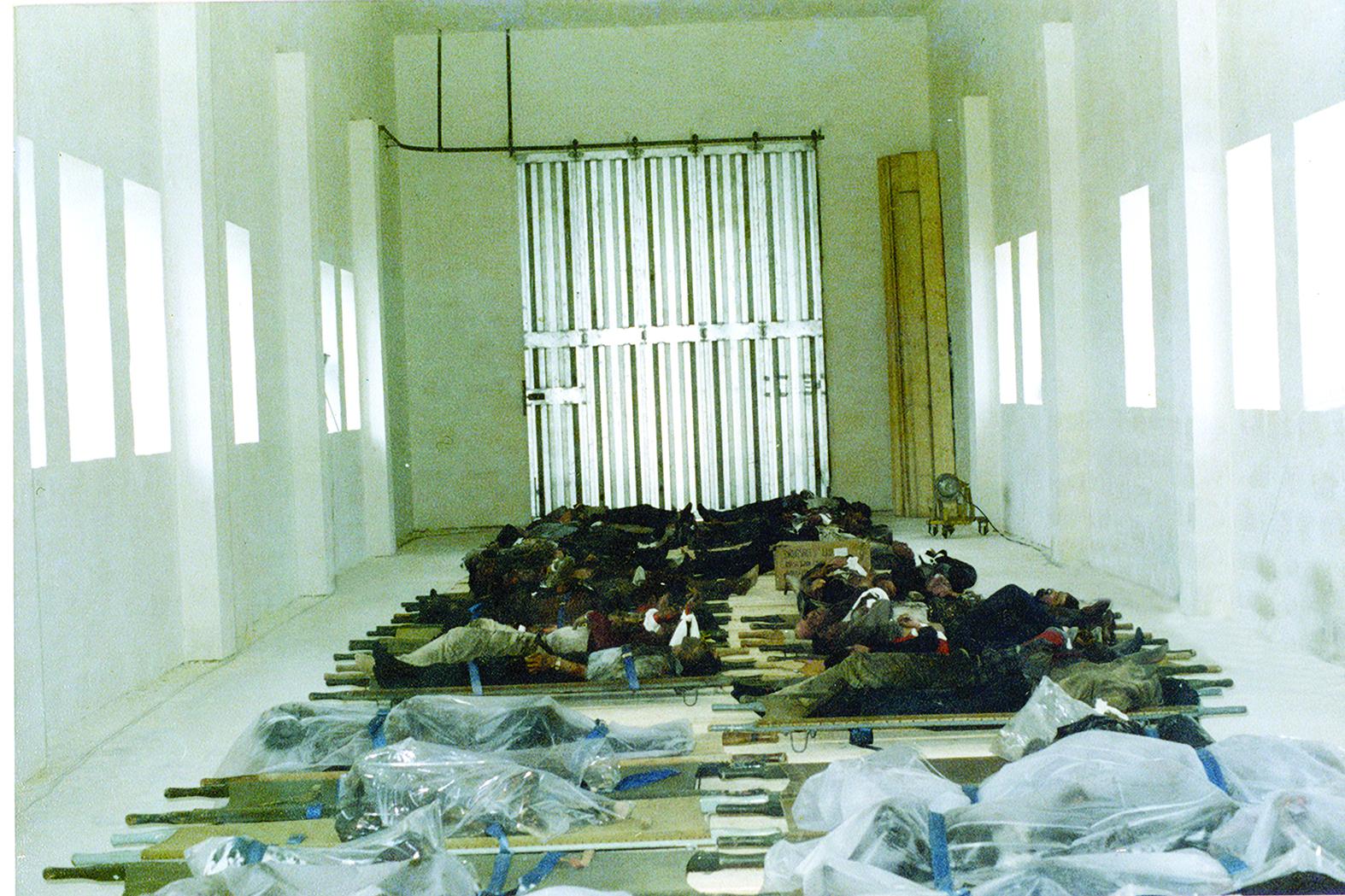
The hijack left 60 people dead
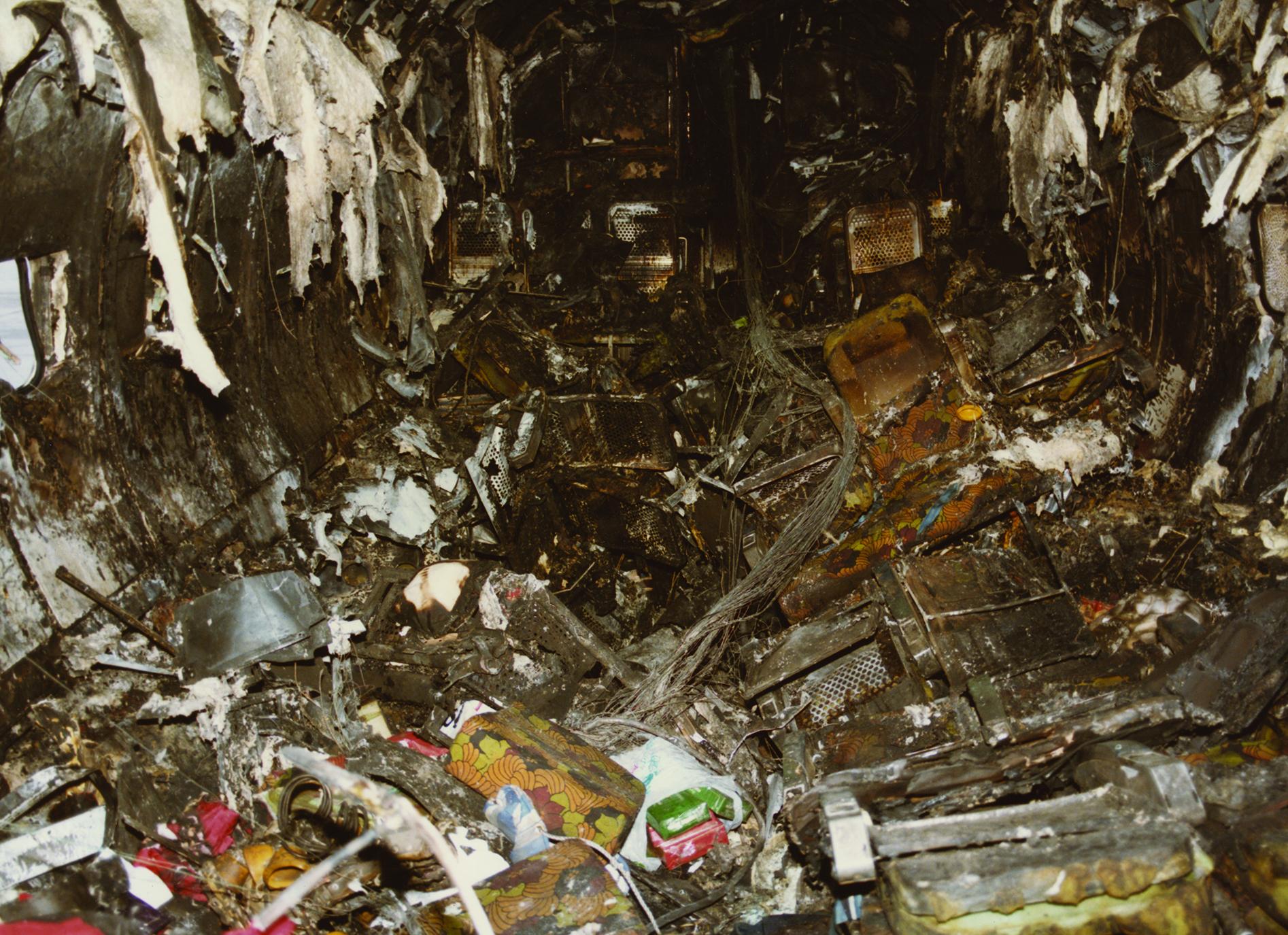
Inside the body of the plane.
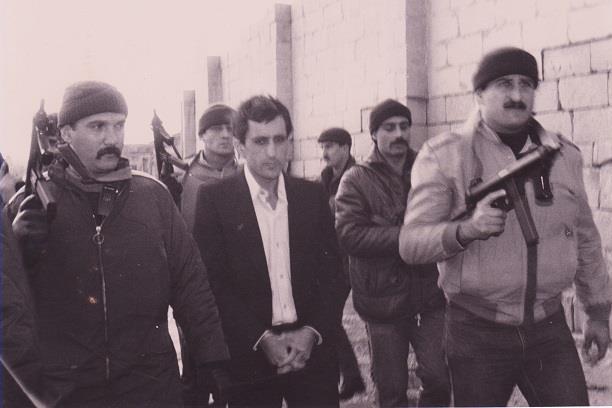
Hijacker Ali Rezaq (centre) is still serving a prison sentence in the US.
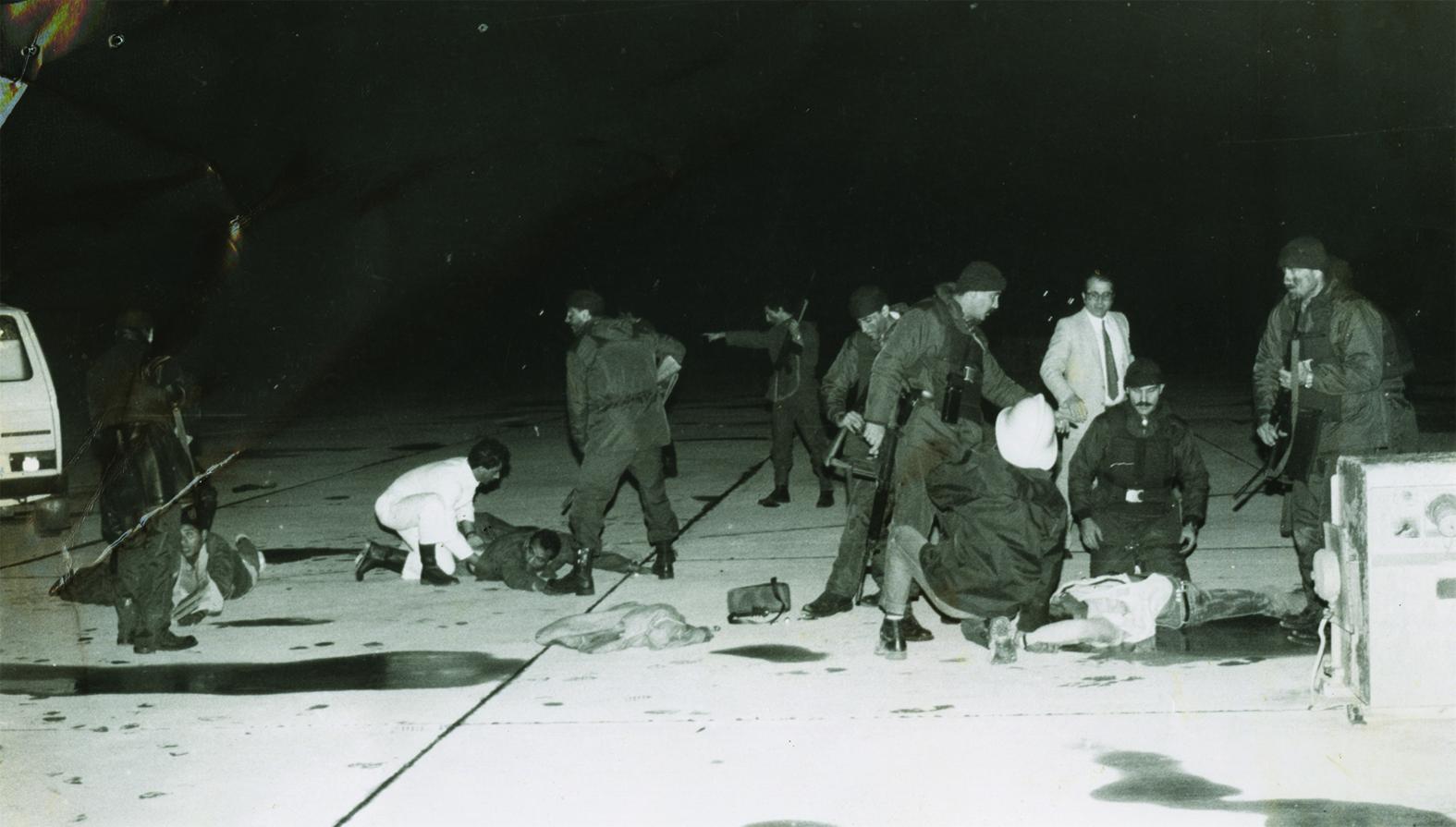
Soldiers on the Luqa runway after the storming.
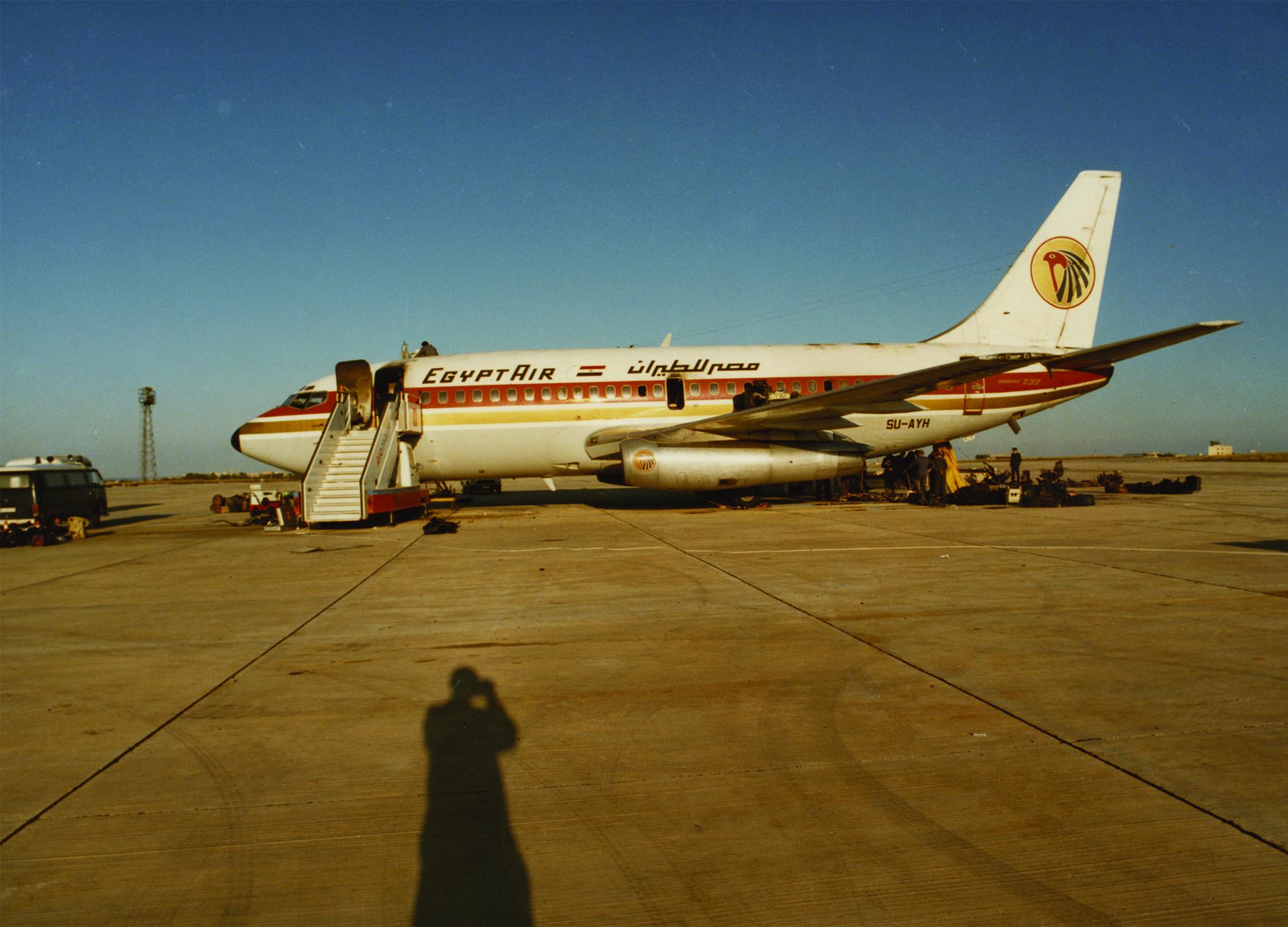
The Egyptair aircraft in Luqa.
Five hours on the runway
For the next five hours Jackie drifted in and out of consciousness. Rain began to fall, lightly at first, then enough to make her shiver.
“I said, the rain has to stop if I’m going to be still. Within seconds, the rain stopped. That’s when I knew I was being watched over.”
She had good reason to stay still. Earlier, she had seen what happened when another passenger, after being shot, twitched and tried to run. The hijackers chased the woman down and kept shooting.
“So, I thought: if it happens to me, I’m not moving.”
Eventually, the hijackers allowed medics to collect bodies from the Luqa runway in exchange for food. They assumed Jackie was one of the dead. She heard voices approaching and feared the gunmen had come back.
A medic lifted her onto a metal stretcher. As rainwater gathered beneath her face, she was breathing and she saw bubbles forming.
“I thought, I can’t breathe. They’ll know I’m alive. So, I held my breath as long as I could.”
Inside the ambulance, one medic flipped her body over to examine the wound and when she gasped for air the men began shouting: “She’s alive! She’s alive!”
“They didn’t sound like hijackers. They sounded excited. I opened my eyes and asked, ‘Are you the good guys or the bad guys?’ And he said, ‘We’re the medics. You’re going to be okay.’”
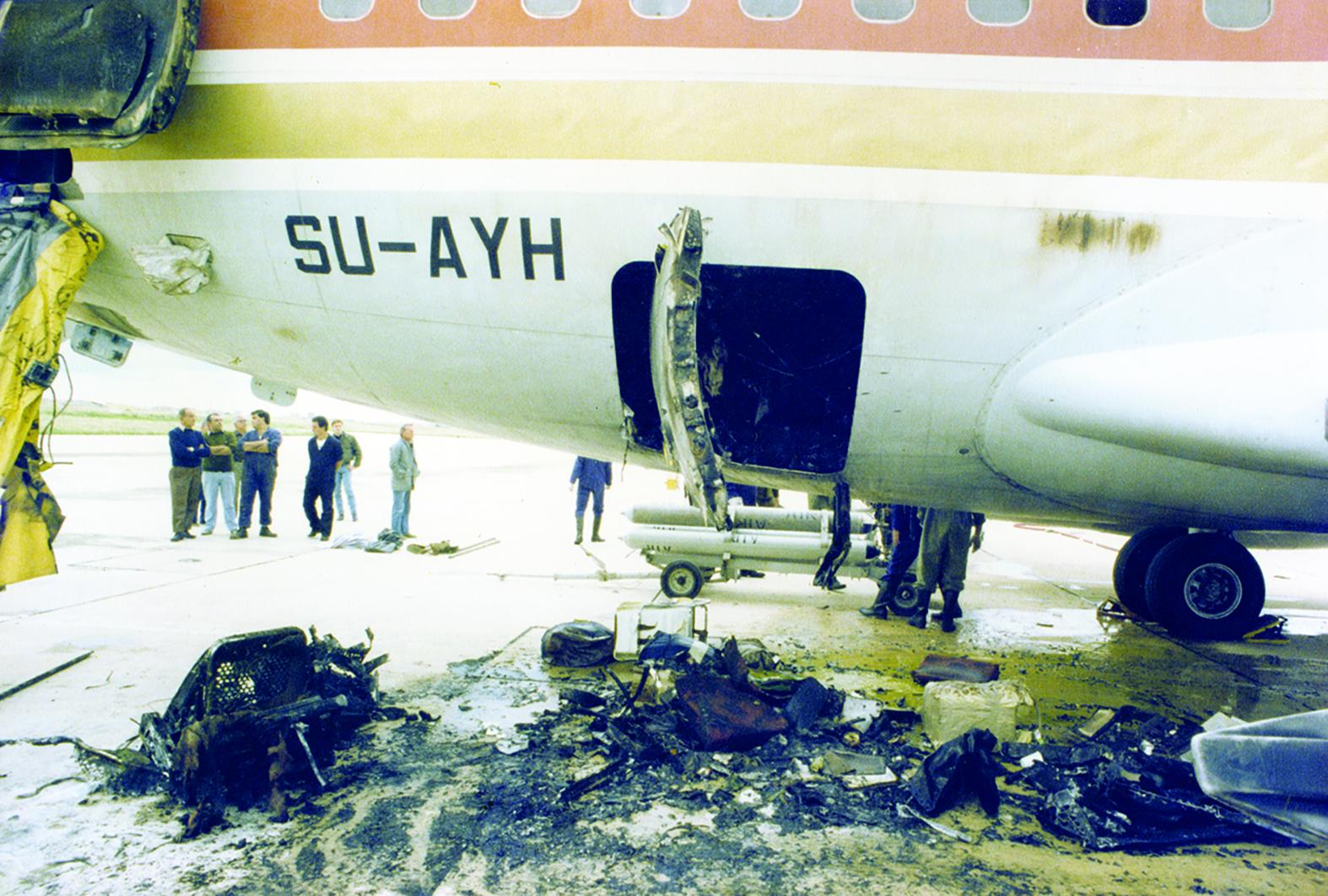 The morning after the aircraft was stormed.
Hours later, the Egyptian commandos stormed the plane in what went down in history as one of the most botched rescue attempts. Some passengers died in the gunfire. Others choked to death after fire broke out.
Ironically, Jackie probably survived because she had been selected for execution earlier.
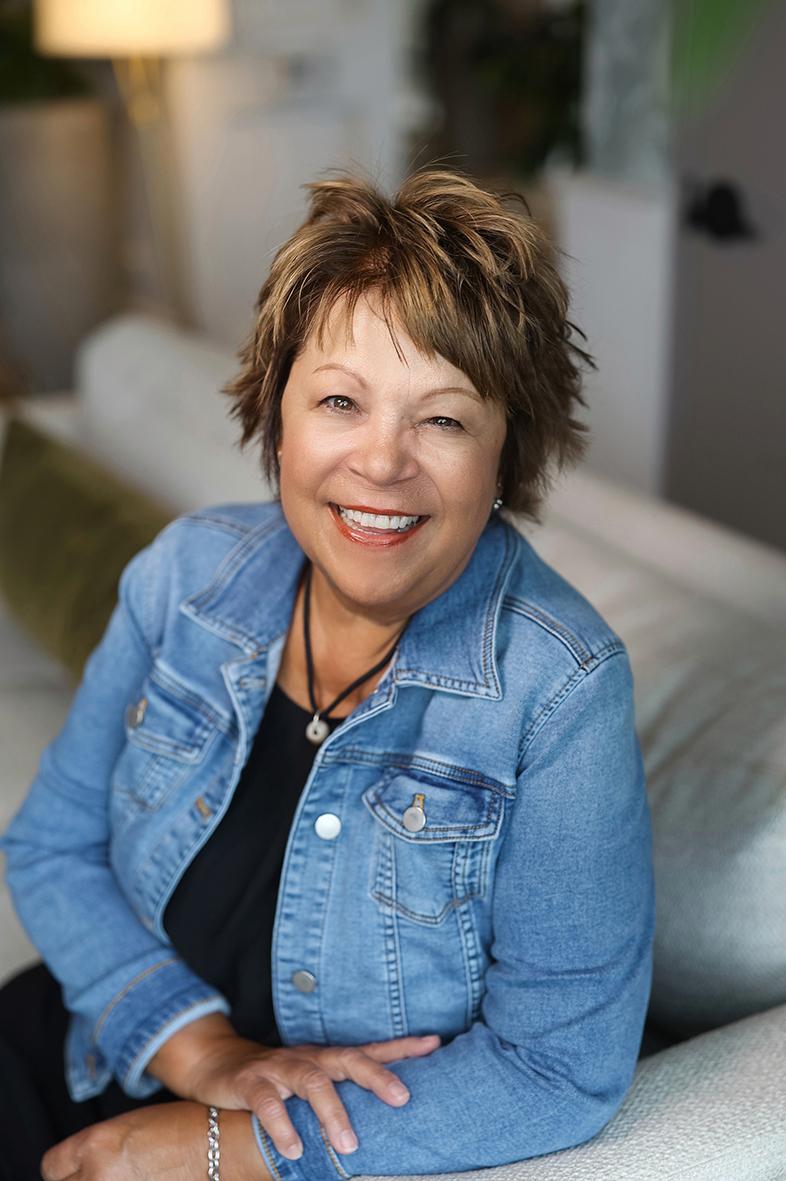 Jackie Pflug is now the author of two books
‘You don’t come out the same’
Her recovery was long and brutal. She underwent emergency surgery in Malta before being flown to Germany and then the US. The physical damage was immense.
“I lost peripheral vision – top, left, bottom. I could see only pieces of a face. My reading level dropped to kindergarten level. I had to learn to read again,” she said.
Her short-term memory collapsed to the extent her family marked the floors with coloured footsteps to guide her from room to room.
As her brain healed, slowly, she regained more independence. She became epileptic and the nightmares grew.
“How do you come back from seeing people killed in front of you? But you decide whether to stay in bed and cry or get out and live. I chose to live.”
She still gets flashbacks: “Yesterday in church I saw us again, huddled together with our hands tied behind our backs.”
For years, Jackie avoided reading about the hijack. It was only a decade later that she learned about the political missteps and failed negotiations that exacerbated the crisis. She felt anger at first, but she let it go.
“Holding on to that kind of anger eats you up,” she says.
Twenty years after the hijacking, she returned to Malta. She didn’t understand why at first, but then it became clear.
“I realised: I’m going back to say thank you. To find as many people as I can who helped save my life.”
She visited the hospital, the airport, the Times of Malta newsroom, and met former officers who had been on duty that night.
“It was hard. But it was beautiful. Trauma holds us back if we don’t deal with it,” she says. “But we can come back.”
Jackie Pflug is a motivational speaker and the author of two books – Miles Before I Sleep and most recently Wake up – It’s Time to Say Yes to Creating a Life Worth Loving. Hijacker Ali Rezaq is still serving a prison sentence in the US.