Pre-1650 Gozo petitions made to grand masters
A dip into the 'suppliche' of the early 17th century, those to Grand Masters Alof de Wignacourt, Louis Mendez de Vasconcellos, Antoine de Paule and Jean Paul Lascaris
The OCD record-keepers of the Order of St John have ensured the survival of a veritable mine of micro history in its archives. Humble petitions by Maltese subjects and foreigners to the grand masters started being systematically preserved and bound together in the early seicento and today occupy 17 huge bulging volumes.
These can be most fertile sources of social, financial, medical, cultural and economic info, but, in practice, have so far been only marginally studied and exploited.
These volumes, containing several thousands of petitions, remain collectively classified as the Suppliche, a word which until relatively recently, still had some currency in the Maltese language. I recall in my early legal practice, clients from rural areas suggesting it would be useful to file a suplika. And licensed retail shops, especially grocers and wine and spirits outlets, prided in being bis-supilka, rather than bil-permess or bil-liċenzja.
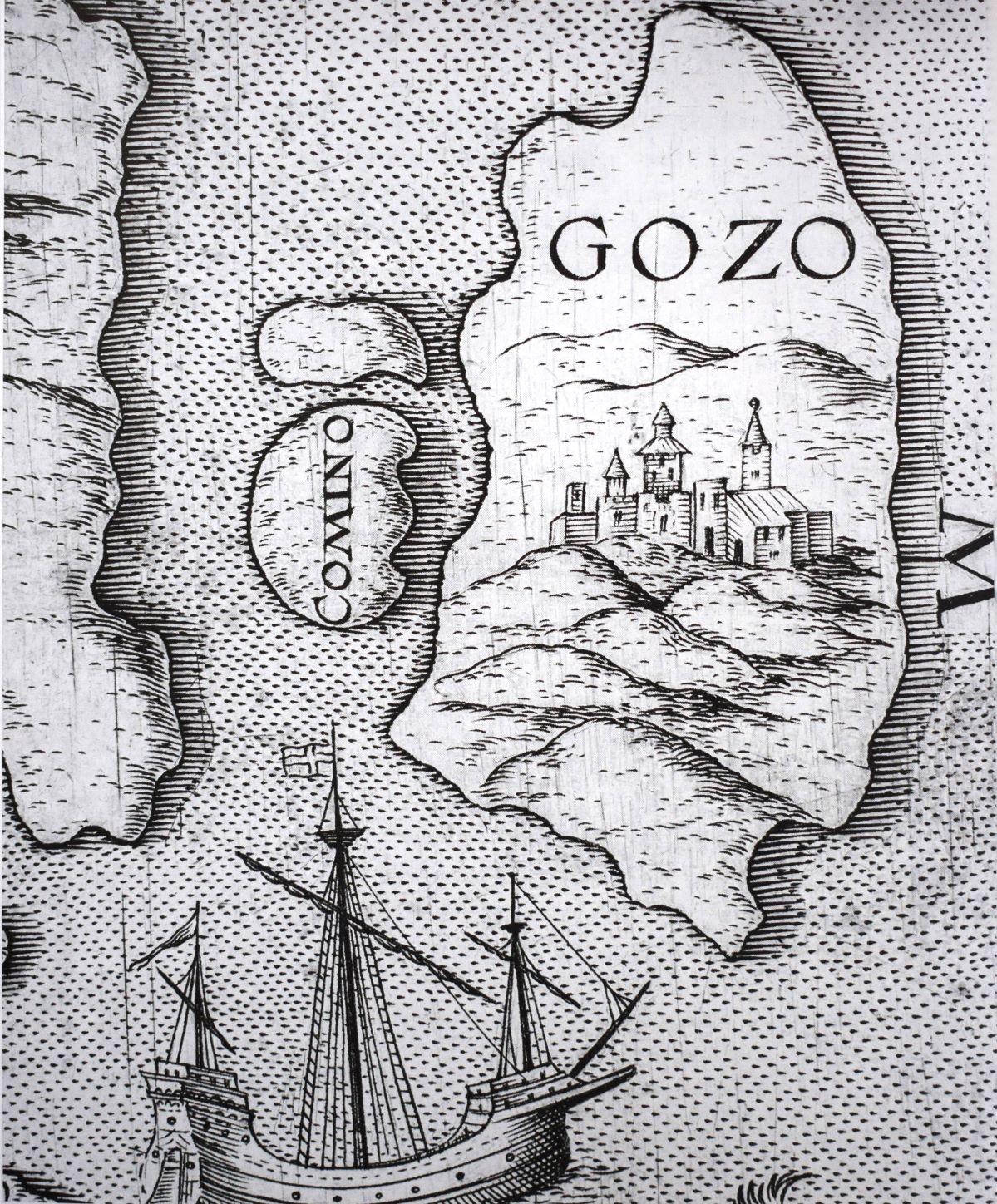 The earliest map of Gozo 1536, by Jean Quintin.
I dipped into the suppliche of the early 17th century, those to Grand Masters Alof de Wignacourt, Louis Mendez de Vasconcellos, Antoine de Paule and Jean Paul Lascaris, homing only on petitions from Gozo, from Gozitans and those of obvious Gozo (and Comino) relevance. Do not expect sensational discoveries. No major life-searing history here.
Expect the ordinary everyday problems or conflicts of ordinary everyday people who lived, loved and toiled 400 years ago. They deal with permits to start new economic activities; for exercising arts, trades or professions; permissions to build; admission to charitable institutions; emancipation of slaves; dowries, pensions and gratuities; grants of land; remission of penalties. Most of the petitioners plead poverty. Genuine compassion or sob stories? And many of the Gozo petitions are about building on public land. So, what’s new?
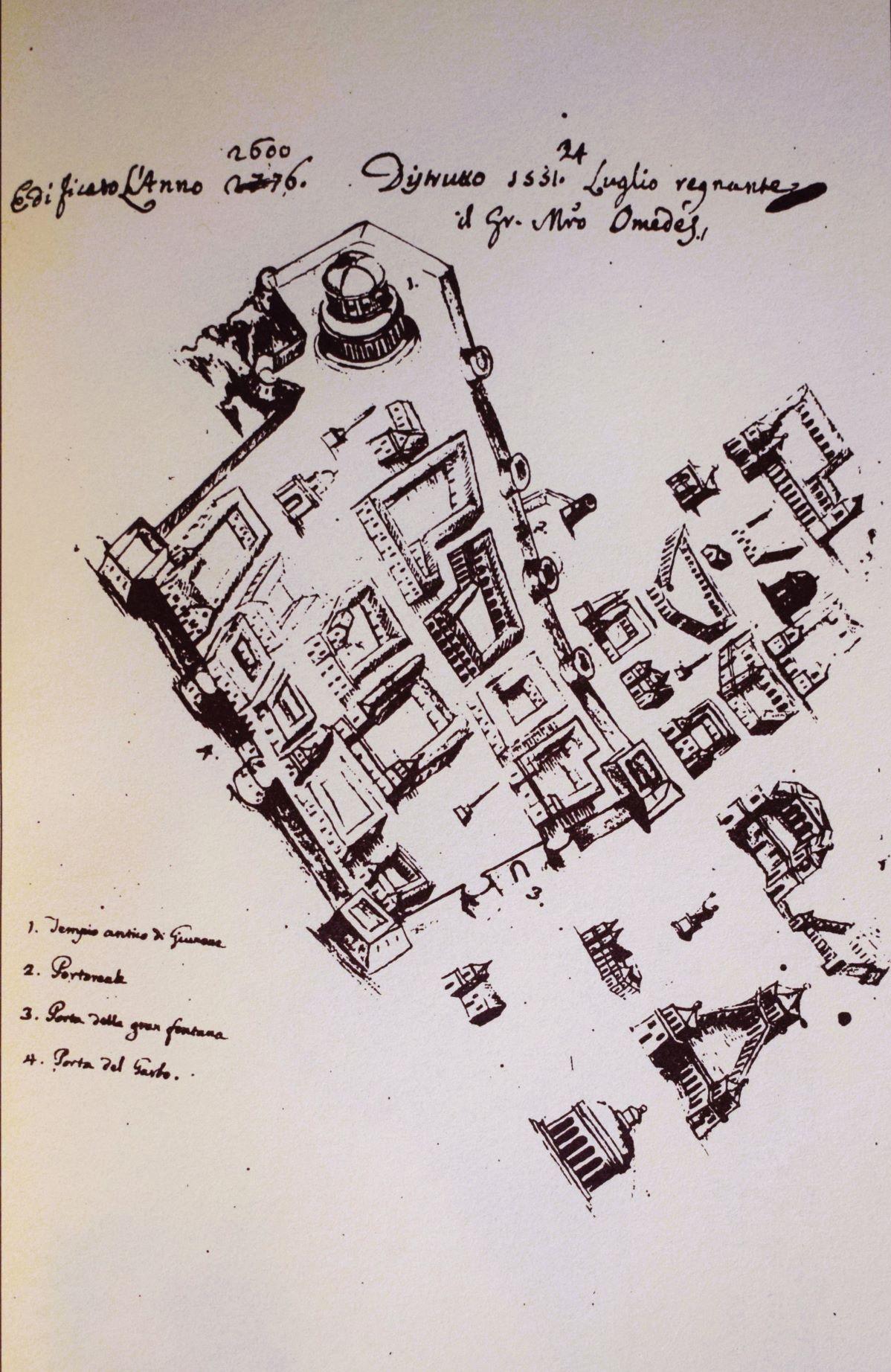 A 16th-century plan of Rabat, Gozo.
How did the petition system work? The persons or entities who wanted some favour, concession or redress from the grand master would write down the request or complaint, generally succinctly and almost invariably in Italian.
Given the extremely limited literacy of the times, the petitioners would engage professional letter-writers, lawyers or notaries for the job. Extremely obsequious, over-the-top servile language predominates. Though men undoubtedly prevailed, a surprising number of women also figure.
The grand master would not rule on the request personally but usually commissioned reports from officials or experts, like his Uditori, those ministers wielding both administrative and judicial powers. Grand masters selected their Uditori mostly from the native legal professions – over the years this enabled the Maltese Uditori to acquire unchallenged reputations of being the most powerful, corrupt and wealthy public officers on the island.
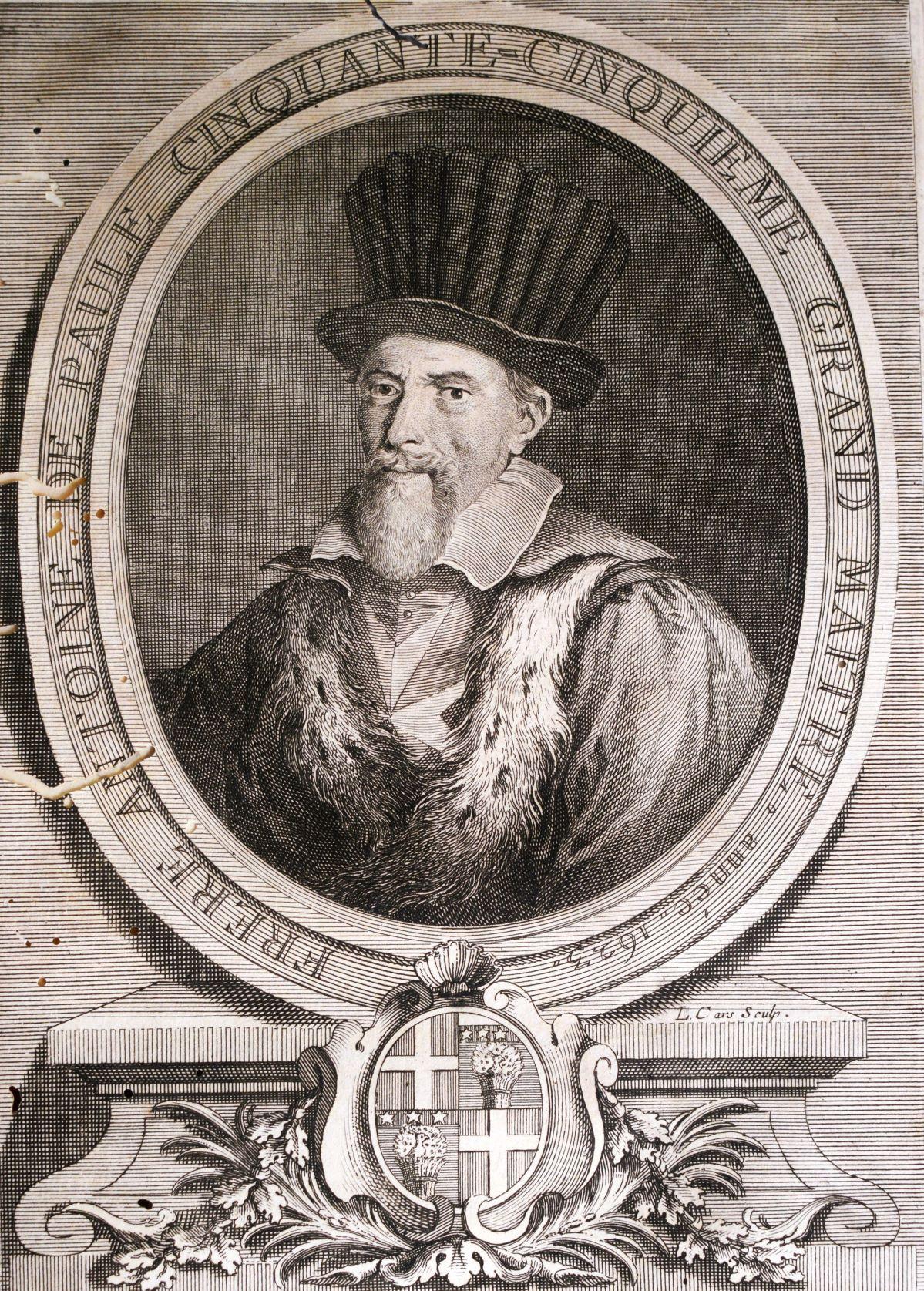 Grand Master Antoine de Paule, to whom the earlier petitions from Gozo were addressed.
Matteo Bugeja figures as the first petitioner from Gozo in August 1631. He served in the Gozo defence forces and always worked with diligence, never wasting time. Military sergeants since ancient times enjoyed a 10-franchi bonus over and above their basic pay.
The deceased (buonanima) Governor of Gozo Fra Francois du Puy Trigonam had stopped this allowance. Bugeja carried out dangerous duties as sergeant and he saw himself as poverissimo, being burdened with six minor children and a family, he found it impossible to make ends meet unless the payment of the franchi deducted was revived so he could better survive honestly with his family.
Vice-Chancellor GianFrancesco Abela minuted that Grand Master de Paule granted the request.
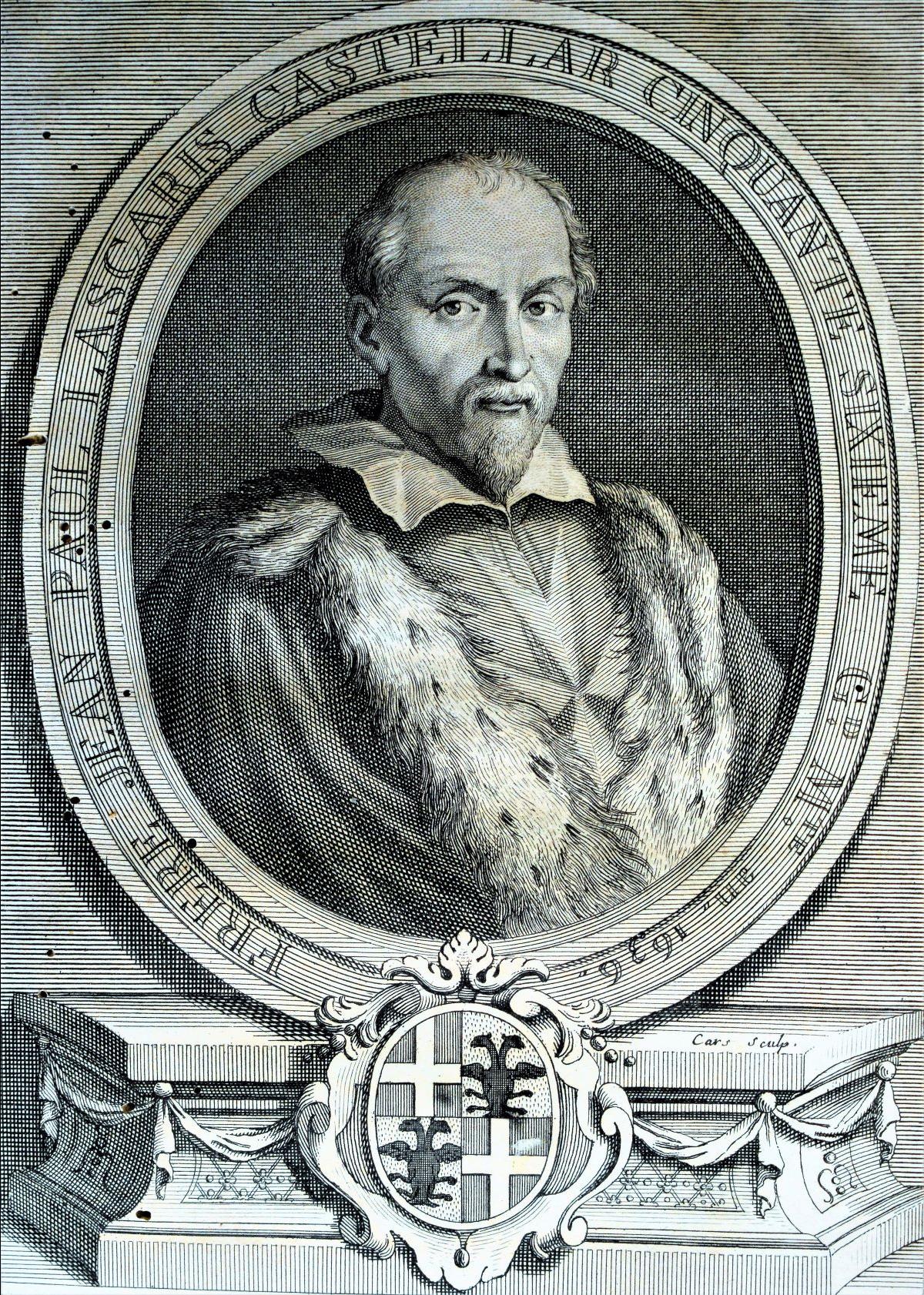 Grand Master Jean Paul Lascaris, receiver of later Gozo petitions.
Not too long after, 1633 saw a petition by Salvo Xerri from Gozo, the tenant of the government-owned orchard known as della Pergola and of the nearby tower (in the vicinity of Marsalforn) where he and his family lived. The tower, Xerri said, served against enemy razzie and had an opramorta, a drawbridge and other facilities for warfare. Scerri requested to be exempted from milizia conscription and that his tower be granted the immunity other towers enjoyed.
Another bombardier from Gozo, Giovanni Muxi, who introduces himself as a good vassal of Grand Master Lascaris, four years later claimed, in an almost illegible petition, that he had earlier been granted public land in the Ta’ Sannat locality for constructing a rural building. Muxi now asks permission to go ahead and build the projected farmhouse.
Barely two years later, another Gozitan bombardier, Salvatore Cefai, had some lands on Xebbug (Żebbuġ?) hill which often suffered grandissimo danno, by animali forestieri (belonging to others) trespassing. He wanted to plant and grow fruit trees, and petitions to be allowed to protect his property surrounding it with walls (again, same illegible handwriting).
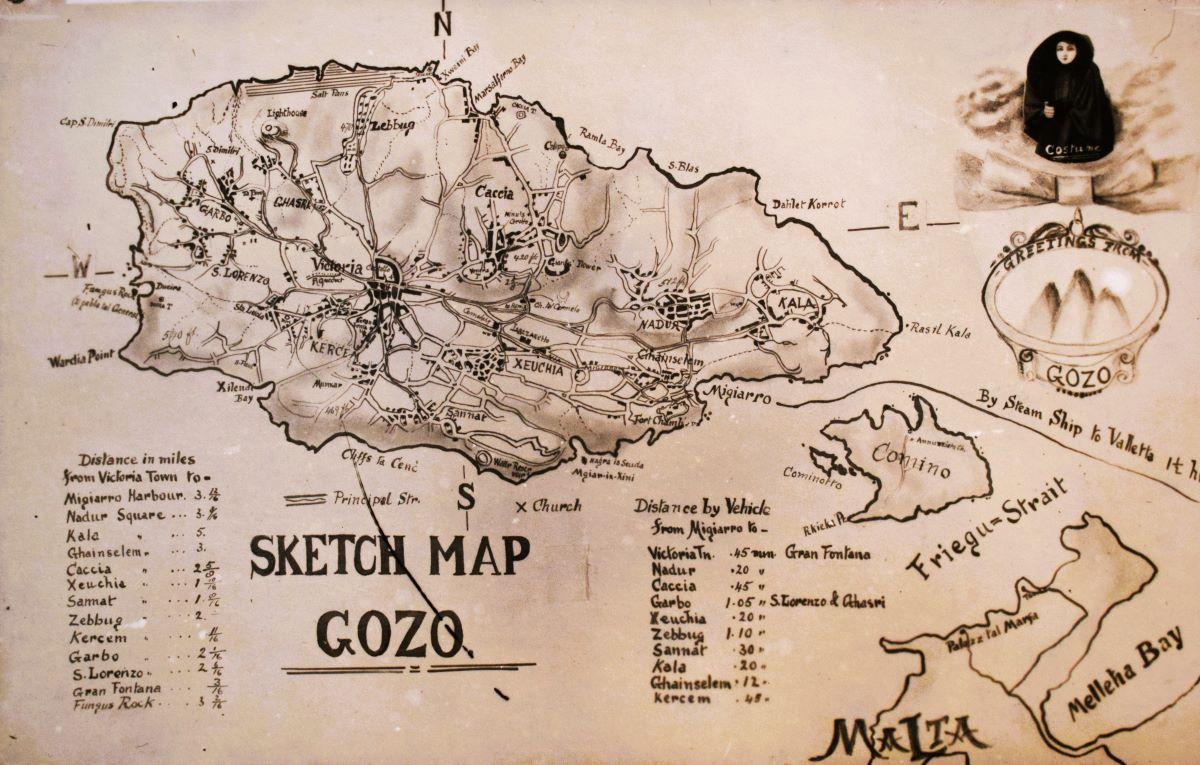 A map of Gozo, c. 1900
The Gozitan Domenico Buttigieg in 1639 filed an unusual supplica. His father, Giovanni, had been granted some public land in Siġġiewi where, spurred by poverty and his industry, he had erected a small building to live in, together with an adjacent courtyard.
He planted trees in the yard but, by order of the Council, it had to be pulled down and the house became exposed on all sides and eventually fell derelict. The petitioner, quoting his extreme poverty and the burden of a numerous family, pleaded to be allowed to pass on this property and its beneficati to one of his three daughters about to get married.
Battista Metallo from Gozo, a soldier stationed “with diligence and loyalty” at the Garzes tower in Mġarr, maintained his widowed mother and his orphaned sisters, forsaken and abandoned, living in the Gozo citadel. They had no one else to rely on, apart from him. In 1641, he pleaded to be allowed ‘for the sake of the said widow and orphans” to exchange his job for five years with another soldier from the citadel, Salvo Caruana.
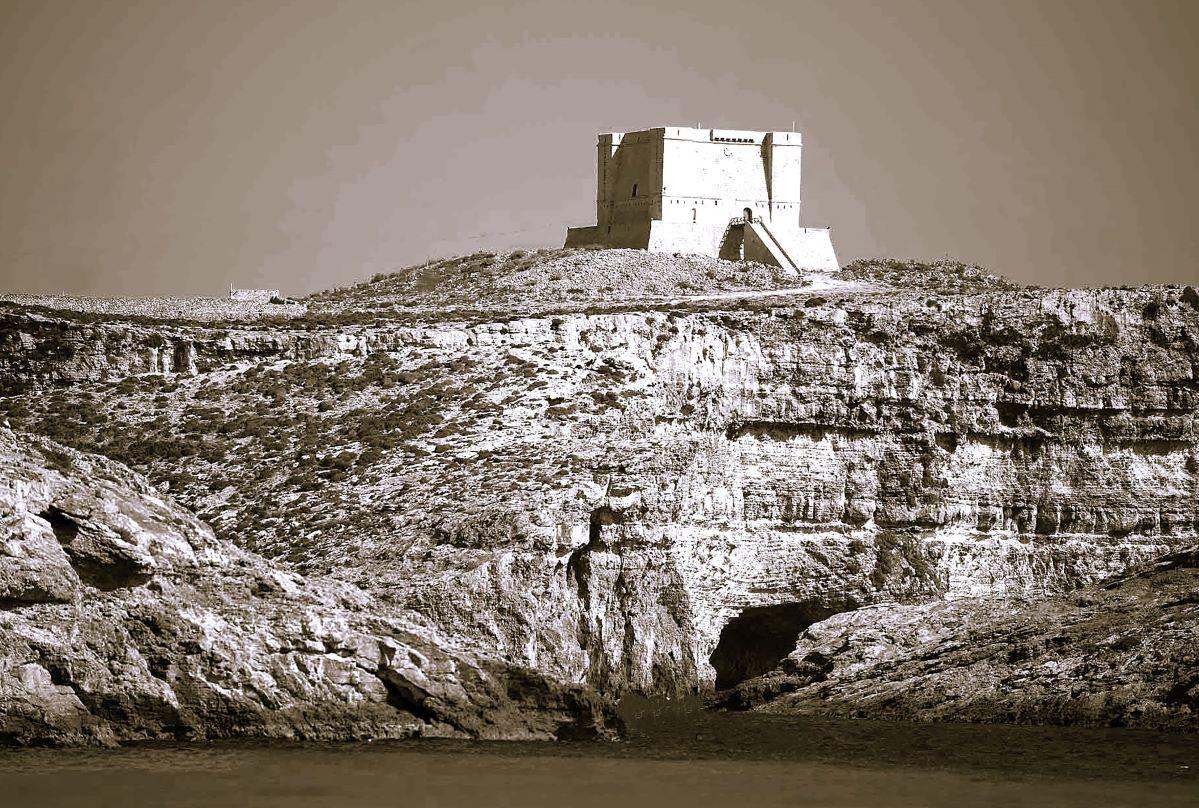 One of the seicento petitions sheds light on Comino.
Another Gozitan employed in the military defence of the island petitioned Grand Master Lascaris immediately after. He had for the past months been serving as the armiere of the Citadel. He asked to be formally confirmed in this position.
Introducing himself as poverissimo et carico di grossa famiglia (extremely poor and burthened with an outsized family), Domenico Tabuni from Gozo in 1643 asked for permission to build a house for his family which included two girls of marriageable age. The rest appears too faded to decipher.
The standard-bearer (alfiere) of the Gozo cavalry, Angelo Gambino, petitioned Grand Master Lascaris in 1645 to be granted four tumoli of public land in Xewkija. The commissioners consulted the jurats, the neighbours and others interested. These considered that granting the request would cause no detriment to public or private interests.
A married couple from Gozo, Giuseppe and Vincenza Vassallo, vecchi decrepiti poverissimi (old, decrepit and extremely poor) who possessed nothing in this world and had to maintain three daughters of marriageable age, povere e nude ed in gran miseria (poor, naked and in great misery) in 1645 petitioned to be granted ‘for the love of God’ four tumoli of public land in the vicinity of la Pergola (near Marsalforn) to be able to build three small houses thereon. This I believe to be the first petition from Gozo by a woman.
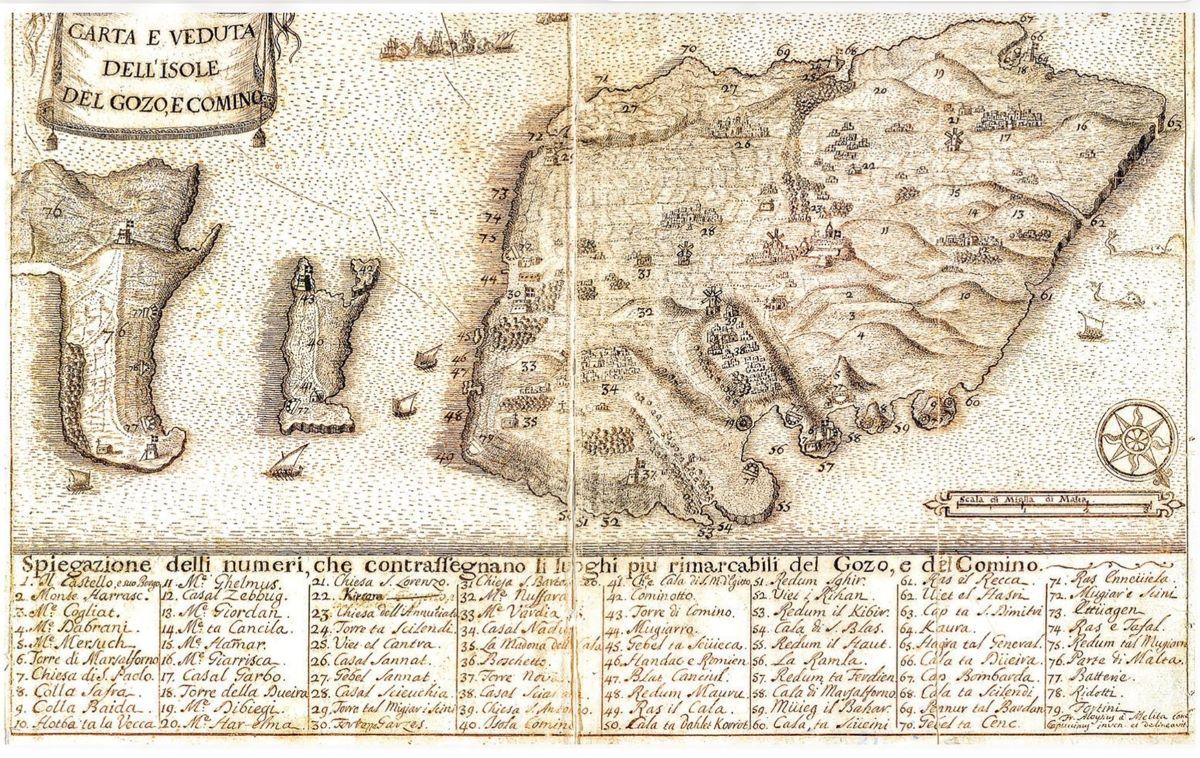 Carta e Veduta Dell’Isole Del Gozo e Comino. The title of a map of Gozo found in Agius de Soldanis’s manuscript Il Gozo Antico-Moderno e Sacro-Profano (Libr. MS 145) preserved at the National Library of Malta.
A second supplica to the grand master was filed in 1646 by Angelo Gambino, this time together with Domenico Micallef, both contestabili from Gozo. They declare that from ancient times, almost immemorial, they lived in their homes and could get on with their lives and carry out their duties safe from the invasions of corsairs and other enemies. Comino is mentioned – but the text becomes faint and, to me, hardly legible. Four out of 10 for handwriting.
Michele Gauci from Gozo in 1648 petitions for some public land measuring circa mondelli quattro (in Binġemma?) to be transferred to him.
Some rare news about Comino. The Rev. Pietro Fenech informed the grand master that his father Domenico and his brother-in-law Carlo Scerri from Naxxar enjoyed the rural tenancy (gabellotti) of the island of Comino where they had settled together with their families. The petitioner celebrated mass every Sunday in the Comino fort, but not on other holidays of obligation. In 1647, Fr Fenech petitioned to be authorised to celebrate mass in Comino, not only on Sundays, but on all feast days di precetto, against a stipend of 20 scudi.
Sadness and despair pervade the 1648 petition of the Gozitan Battistina, widow of Gio Pietro Farrugia. She laments she is a now the single mother, poverissima, of four young children, two still unmarried girls – dying of hunger through poverty, deprived of anything a human being needs, with not even a roof to sleep under.
Marrying off the two girls would distance them from the many temptations that surround them. She pleaded with Grand Master Lascaris to allow her to occupy a public cavern and there, over time, build a small home. The response favoured her.
Another Gozo petitioner made use of a scribe whose handwriting I found almost impossible to decipher. In 1648, Tommaso Fanara mentions a famiglia poverissima and some land at Żebbuġ. Sadly, I found myself unable to decode much more.
The following year, the same Tommaso, calling himself patriota dell’ isola del Gozzo files another supplica in which he mentions his merits as a public weigher and the policy of grand masters to grant public land only to their subjects. It seems Tommaso was requesting the concession of public land in the Gozo Contrada della Pietà (?). The rest is shrouded in illegibility.
Subsequent volumes of suppliche contain hundreds of other Gozo petitions.
Acknowledgements
Jeremy Debono and Theresa Vella have again been most helpful.