In pictures: Pre-war Italian naval units in Malta
Italian navy visits to Malta were treated as a social highlight
The love-hate that distinguished the pre-war relationship between Britain and Italy, especially where Malta was concerned, overall ends up being too complex and contradictory to compress in a 300-word feature. It went through intense ups and downs – with its nadir during the fascist era.
I disclose a personal interest. In World War II, my mother’s Italian cousin, the naval officer Carlo Maccaferri (February 6, 1909-October 9, 1985) of the warship Cigno, commanded a naval squadron in Italy’s only successful encounter against the almighty British fleet in the Mediterranean, known as the Battle of Marettimo, on April 16, 1943. Carlo, who I first met when seven years old, advanced his career relentlessly to the rank of admiral.
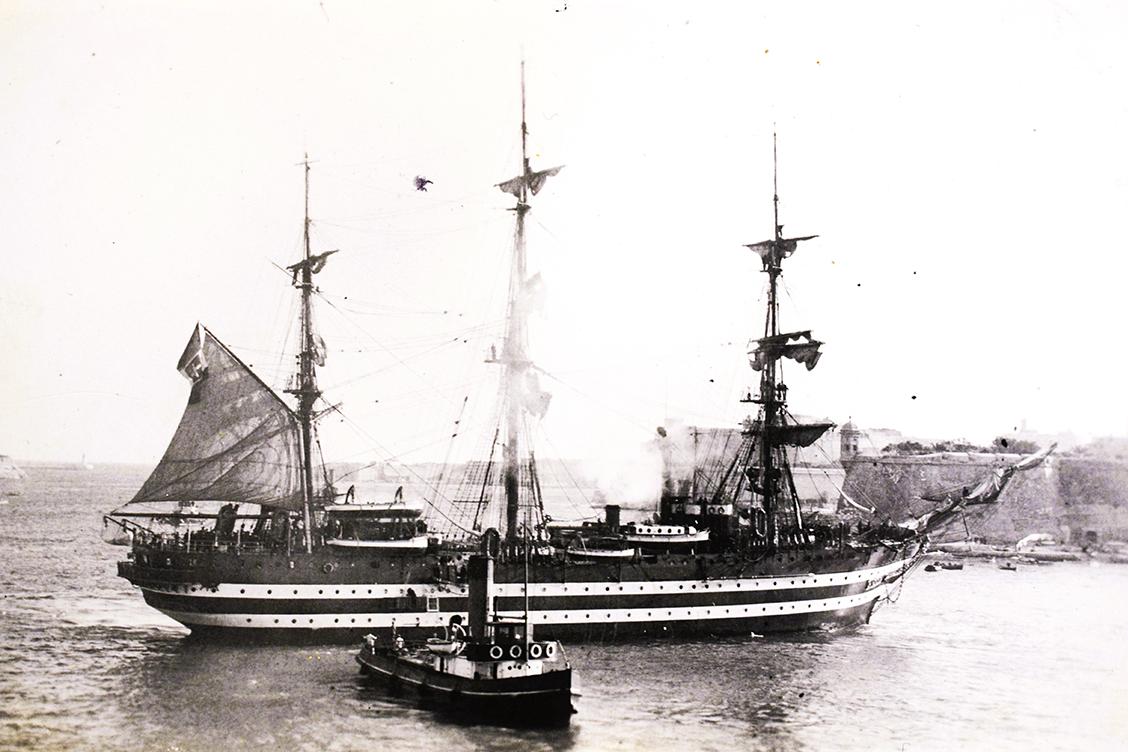 The cadet training ship Amerigo Vespucci in Malta in a 1935 postcard. All photographs from the author’s collections
Despite the strained rapport between London and Rome in those years, ships of the Italian navy paid courtesy visits to Malta, including the impressive cadet training ship Amerigo Vespucci, “the most beautiful ship in the world”, launched in 1931 and still in service, a rare reminder of the awesome majesty of sails.
These visits generally turned into social highlights, with lavish receptions – to attend but mostly to be seen at. On shore leave, sailors mostly behaved impeccably, overdoing the charm and flirt offensive.
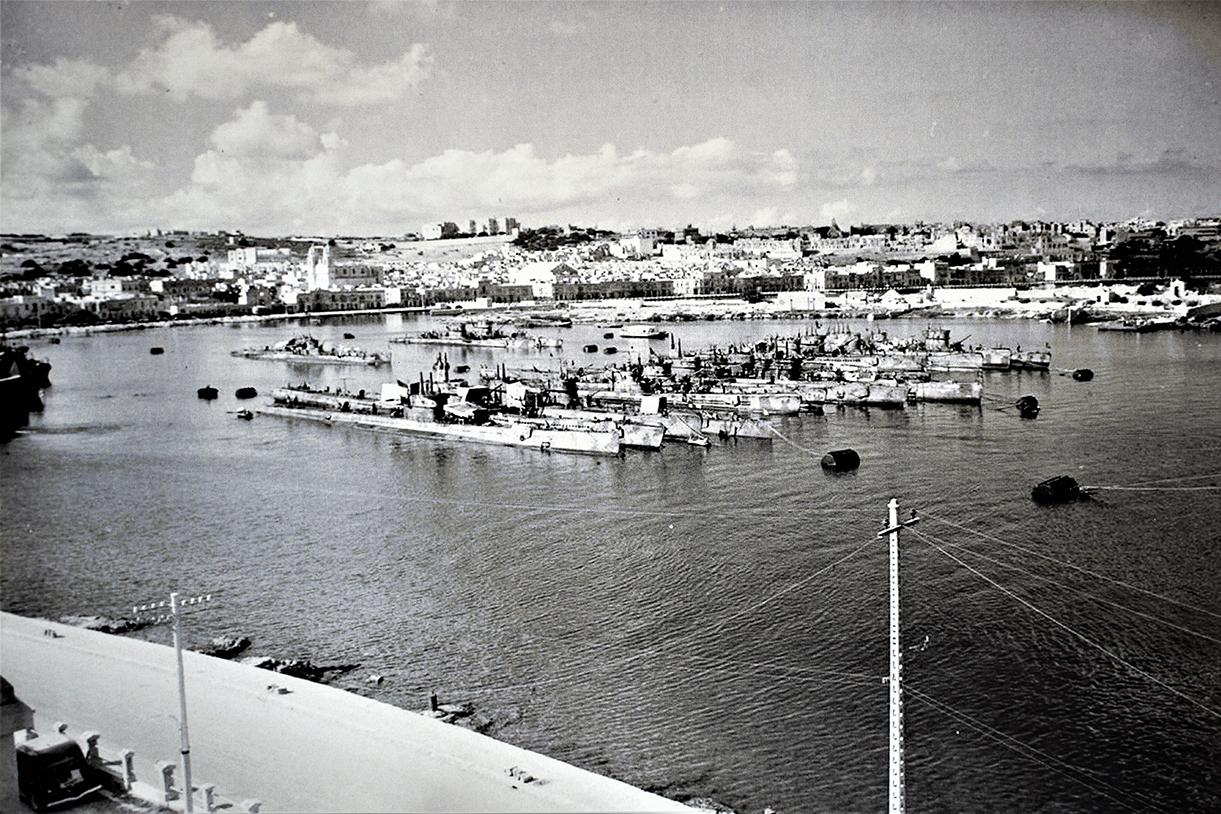
Italian submarines berthed in Malta after the armistice of 1943.
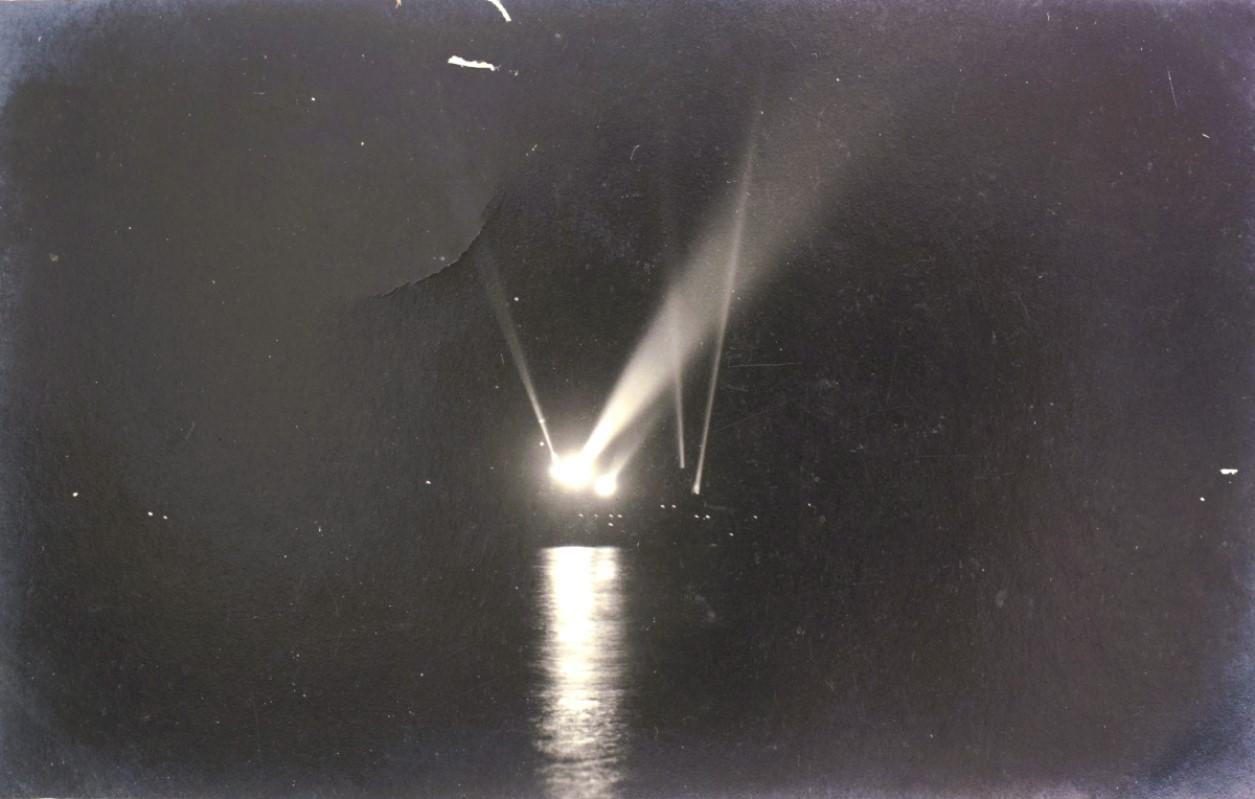
A inter-war searchlight display by an Italian warship in Grand Harbour.
Mussolini, always eager to show off imperial ambitions, showcased state-of-the-art battleships, in the delusion of challenging the mightiest fleet of all times. The Italian fleet suffered its direst moment in history when it headed to Malta to surrender in September 1943.
This feature shows Italian warships in the island’s harbours in the inter-war years and shortly after. My collection includes Malta postcards of the Giulio Cesare (which, in Russian hands exploded in 1945, killing 600 seamen), the Duca d’Aosta, Francesco Ferruccio, Venezia, Duca degli Abruzzi, Altair, Conte di Cavour and others.
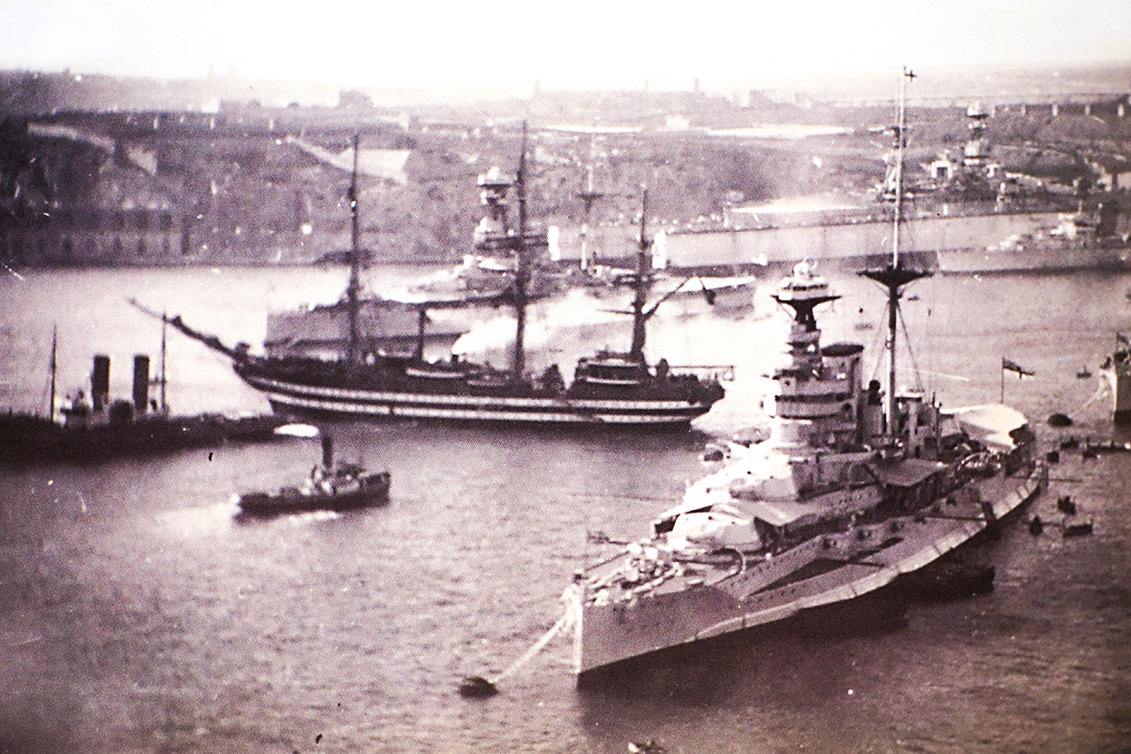
The cadet training ship Amerigo Vespucci pictured amid British warships in Grand Harbour. Photo: Geo Fürst
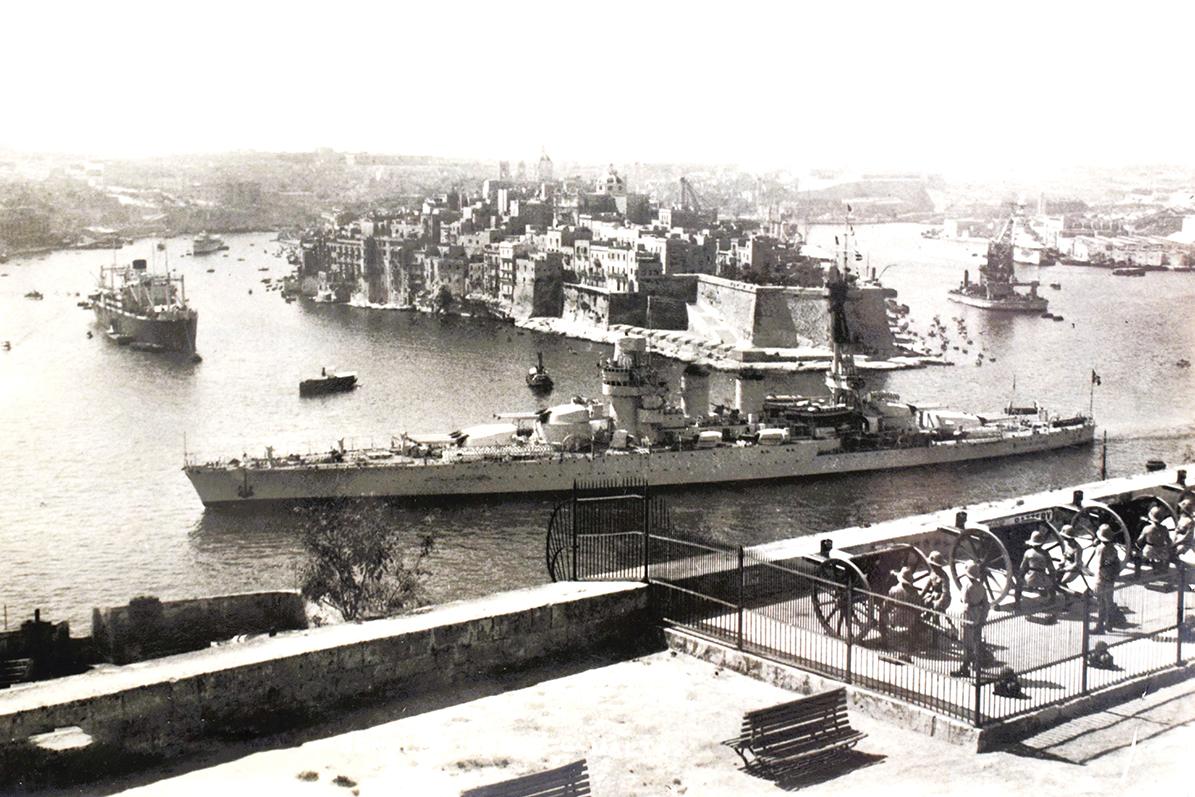
The Conte di Cavour berthed in Grand Harbour. Postcard by ABC Library
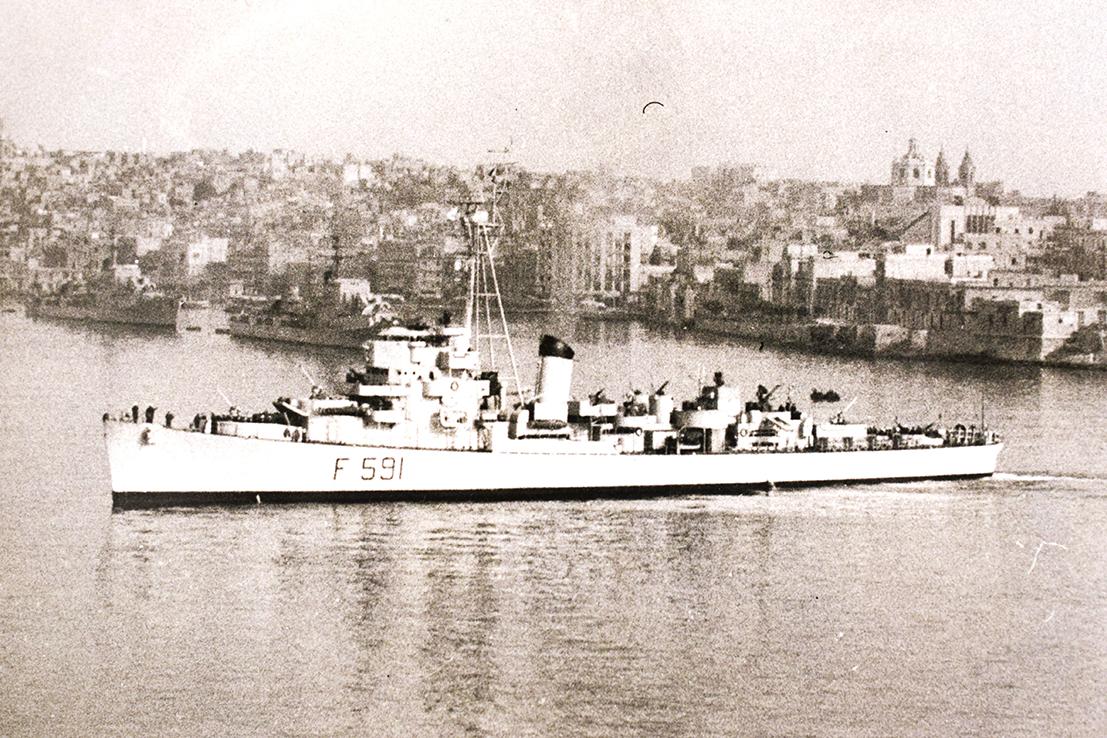
Altair in Malta after the war.
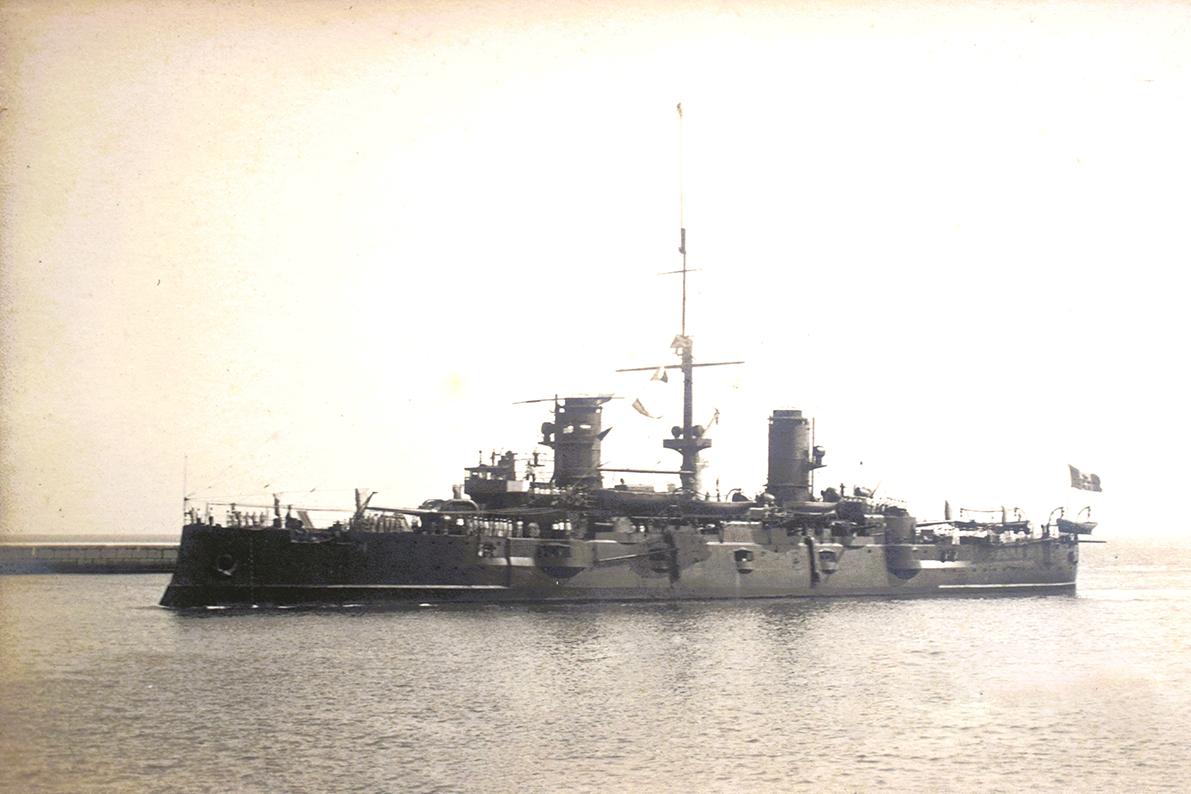
Italian cruiser Francesco Ferruccio visiting Malta, August 8, 1924.
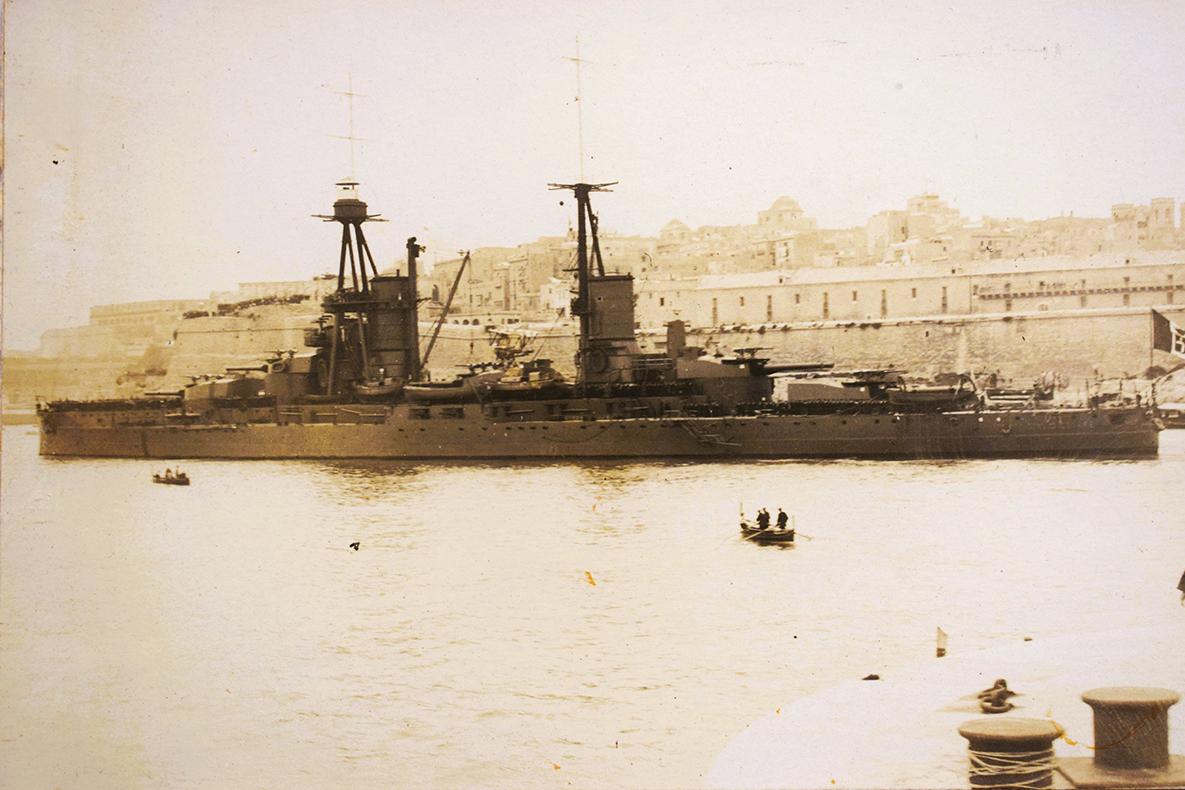
The battleship Giulio Cesare in Malta in April 1926.
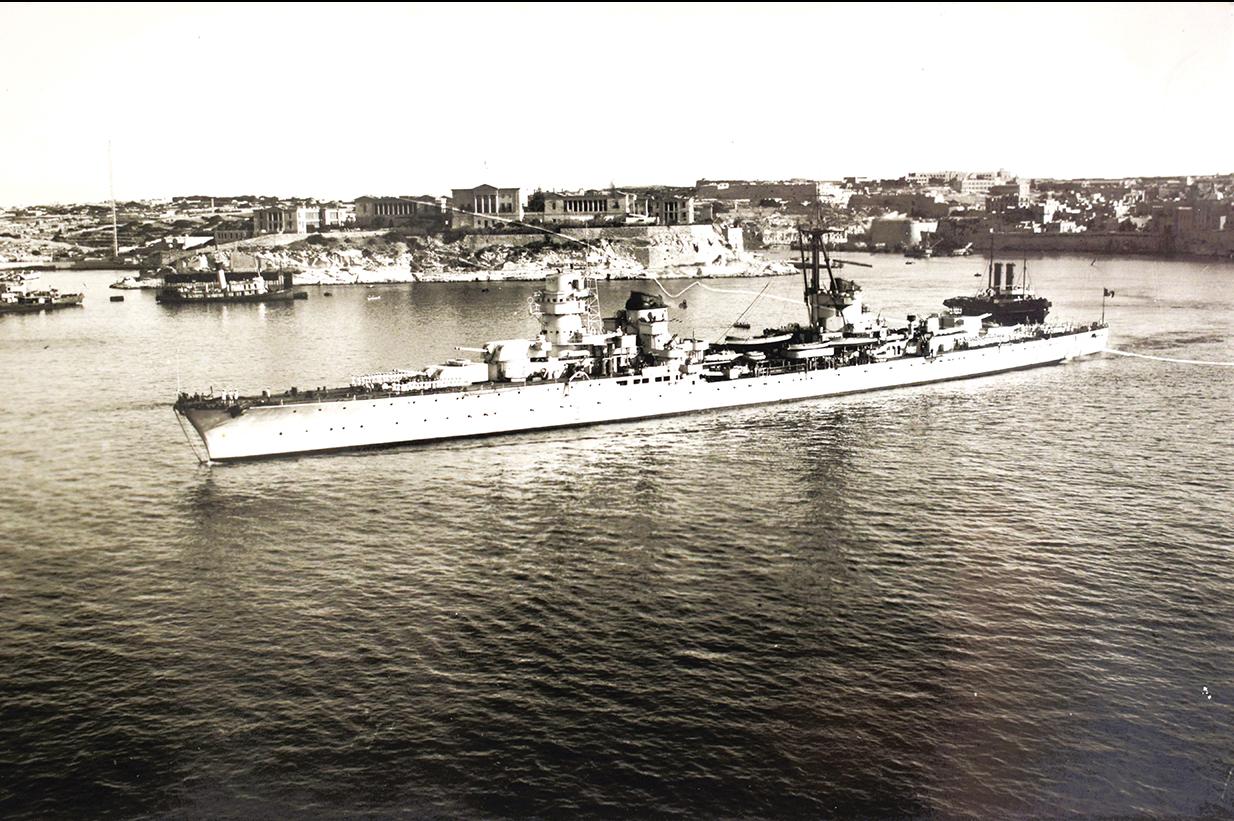
Courtesy visit by the Duca d’Aosta in 1945.
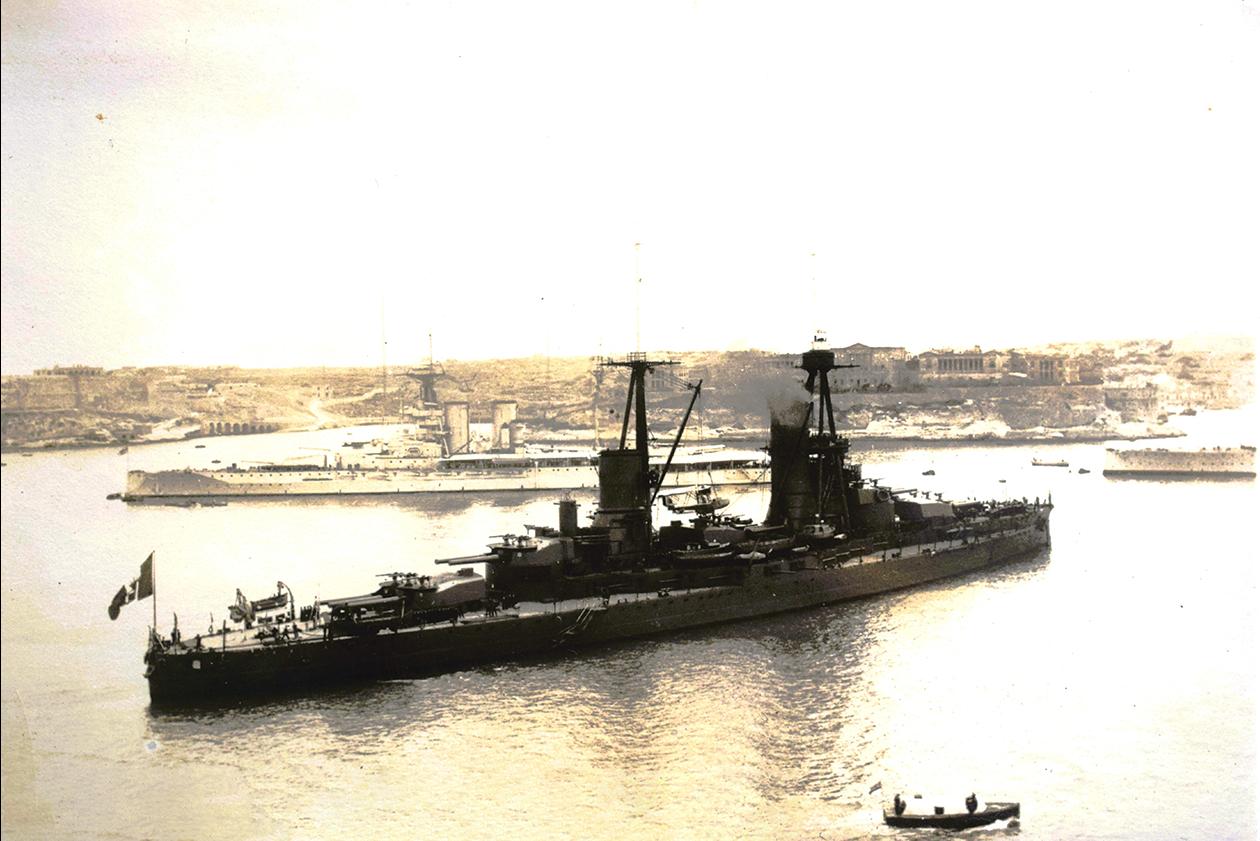
Photo by Salvatore Lorenzo Cassar of the Giulio Cesare in Malta.
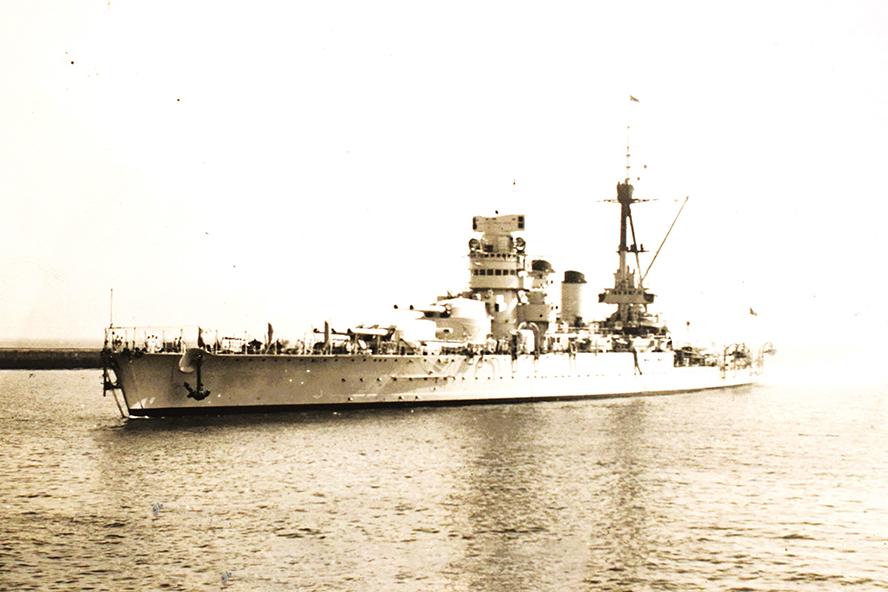
Italian warship in Malta identified at the front as Giulio Cesare and at the back as Conte di Cavour.