Producing 'Il Parnaso Confuso' and 'La Corona'
Interview with Brett Nicholas Brown, Stage Director, Valletta Early Opera Festival and Kenneth Zammit Tabona, Artistic Director, Valletta Early Opera Festival
This year’s double bill production presents Christoph Willibald Gluck’s Il Parnaso Confuso and La Corona. Why are these one-act operas rarely staged?
Brett Nicholas Brown: When Kenneth Zammit Tabona invited me to direct new productions of Il Parnaso Confuso and La Corona, I was aware of Christoph Willibald Gluck’s radical impact on opera through Orfeo ed Euridice (1762) and Alceste (1767), but only vaguely familiar with these rarely performed azioni teatrali from 1765.
Studying the scores of Il Parnaso Confuso and La Corona, I wondered whether I would recognise Francesco Algarotti’s call for operatic reform from his Saggio sopra l’opera in musica (An Essay on the Opera, 1755) — a treatise on musical aesthetics which inspired Gluck toward a more naturalistic, expressive style at the dawn of the Classical era. However, what I found was the quiet tension between Gluck’s innovative spirit and a royal court clinging to tradition, where even a composer of his brilliance could be bound within the gilded cage of Hapsburg patronage.
Gluck composed Il Parnaso Confuso to celebrate the marriage of Archduke Joseph of Austria (the future Emperor Joseph II) to Maria Josepha of Bavaria. The opera was performed once, on January 24, 1765, at Schönbrunn Palace in Vienna.
The performance must have delighted the court, as later that year Gluck composed La Corona for the archduchesses to celebrate the name day of Emperor Francis I. But fate intervened: the Emperor’s sudden death left the opera unperformed until the late 20th century.
In the years that followed, the Habsburgs continued their dynastic theatre across Europe, Gluck liberated his artistry on the Parisian stage, and Il Parnaso Confuso and La Corona faded into obscurity, overshadowed by ongoing stylistic developments within the operatic art form.
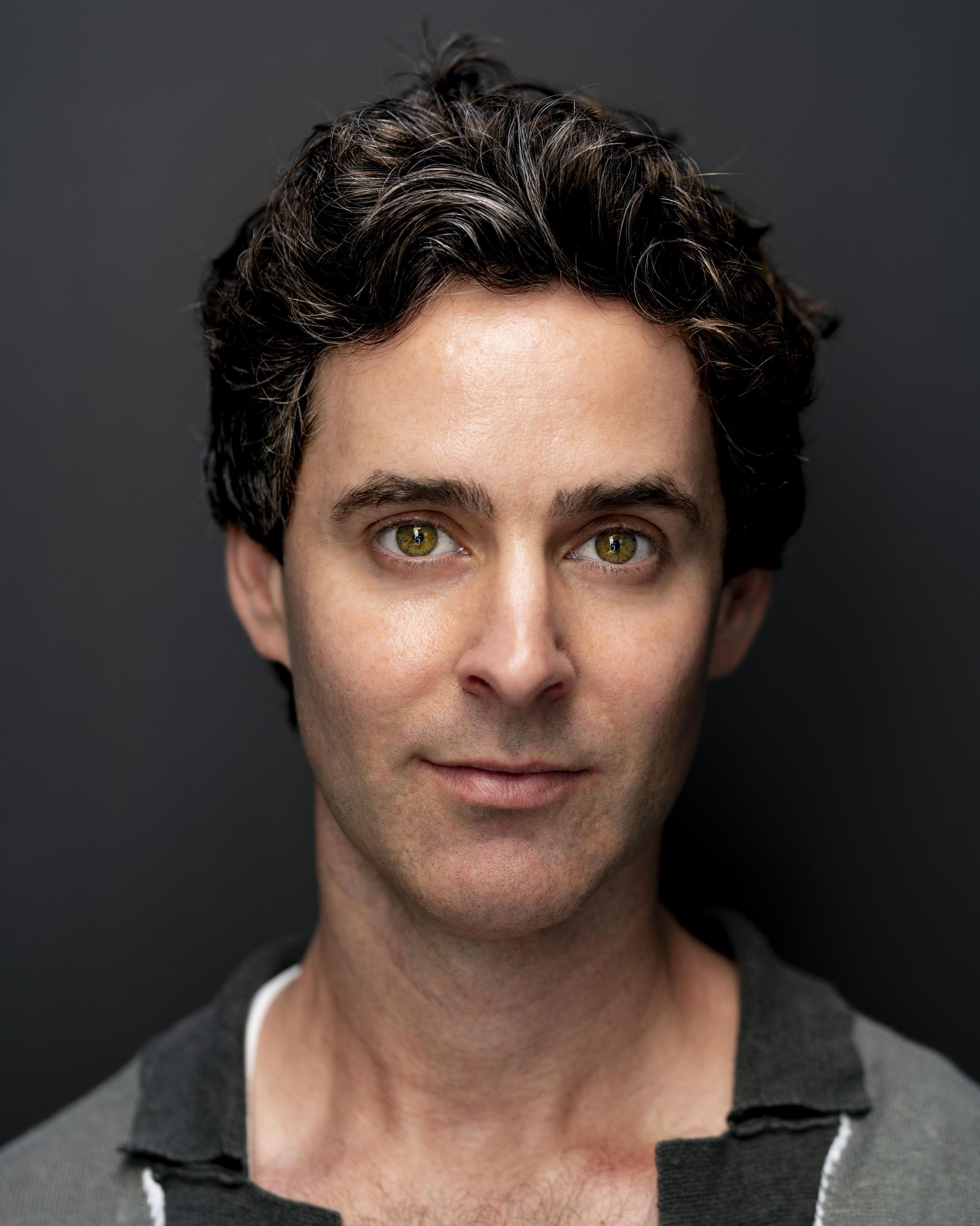 Brett Nicholas Brown, Stage Director, Valletta Early Opera Festival
Stage, costume, lighting and direction – are these loyal to history or should the audience expect a modern reinterpretation?
Brett Nicholas Brown: I have transformed the original settings of Mount Parnassus and Calydon into the drawing room of an English country manor: a place steeped in aristocratic tradition, where 20th-century social realism and mythology can coexist.
The Roaring Twenties lend a joyful sense of liberation and artistic frivolity to the legendary talents of Apollo and the Muses in Il Parnaso Confuso. The manor is alive with costume parties à la mode and parlour performances inspired by Salomania and the Egyptian Revival.
Time passes, and the shadow of World War II falls over the manor in La Corona. A utilitarian strength emerges in Atalanta, Asteria, Climene, and Meleagra as they pursue the ferocious Calydonian Boar while serving their King and country in the Auxiliary Territorial Service and the British Red Cross.
My vision has been realised through the diaphanous set design of Anthony Bonnici from Ebejer Bonnici, the haute couture fantasies of Luke Azzopardi of Azzopardi Studio, the warm glow of lighting designer Moritz Zavan, and the lyric physicality of choreographer Simon Riccardi-Zani from ŻfinMalta.
Our radiant cast features rising stars of the Maltese stage, including Francesca Aquilina, Cledia Micallef, Gabrielle Portelli, Bettina Zammit, and one of Malta’s favourite sopranos, Gillian Zammit.
Il Parnaso Confuso and La Corona marks my first creative partnership with Festivals Malta and Teatru Manoel. I feel privileged to be leading such an exceptional cast and creative team in one of the world’s most beautiful theatres.
Kenneth Zammit Tabona, Artistic Director, Valletta Early Opera Festival
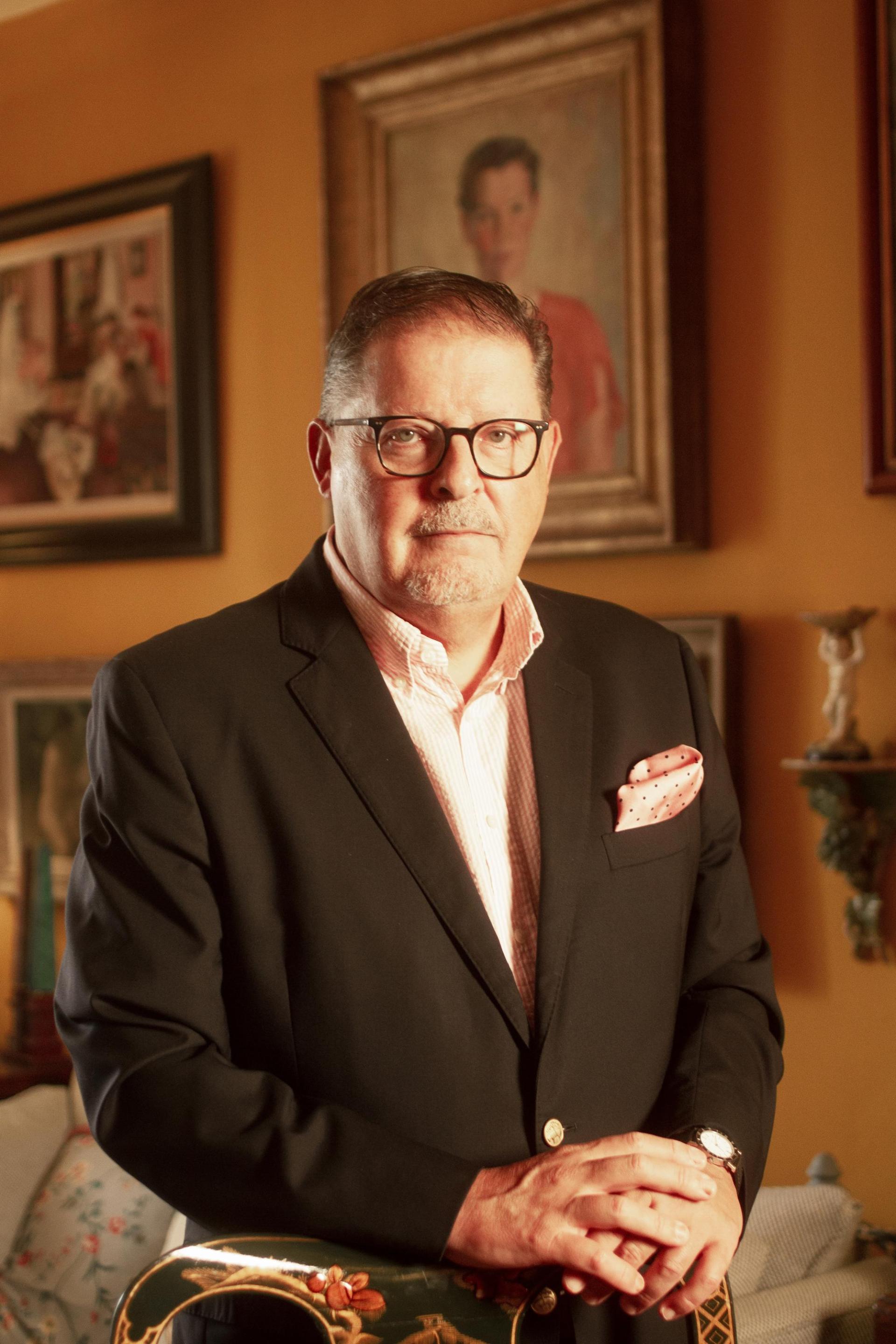 Kenneth Zammit Tabona, Artistic Director, Valletta Early Opera Festival. Photo: Leo Chircop
The Valletta Early Opera Festival focuses on works that are rarely performed, with the aim of offering a greater variety of operatic music. Yet does this carry the risk of attracting an elite audience of opera connoisseurs rather than the general public?
Kenneth Zammit Tabona: Opera is always populist. The only thing which in today’s mindset makes it exclusive is its price tag both to produce and to attend. This applies to all opera whether it’s Verdi’s Traviata or Porpora’s Polifemo.
Gluck’s best-known opera Orphée et Eurydice is still a staple in the repertoire today. We had produced it in 2016 at the Manoel in the 1859 Berlioz revision which he created for Contralto Pauline Viardot.
I do not believe that this will only attract connoisseurs because many music lovers know how delightful and soulful Gluck’s music is and many will come to experience it.
What informed the choice of this double bill?
Kenneth Zammit Tabona: Choosing these two operas was part of a thinking and considering process on my part with a long gestation. I was in Sweden as a guest of the Forstroms and Mrs Forstrom was a retired Wagnerian soprano who kept active by teaching. We were discussing feasible opera which would be within the competence of high quality but not professional young singers and she told me about these Gluck one-act operas. So performing these two operas as a sort of Cav and Pag coupling has always been on my bucket list.
The original cast of these operas included members of the Habsburg family – what does this historic note add to the operas?
Kenneth Zammit Tabona: Christoph Willibald Gluck was the favourite composer of the very musical Habsburg family preceding Mozart who rose like a meteor later on. Up to possibly World War II, it was normal for most upper middle class and aristocratic families to sing and play musical instruments. Most chamber music was composed for this purpose hence the popularity of the operatic and symphonic paraphrases for four hands. The Habsburgs were no exception and there were some pretty competent singers musicians and composers in their imperial family tree.
The Habsburg girls were pretty accomplished singers in their own right. I recall that their brother Leopoldo, the future Grand Duke of Tuscany, conducted the orchestra and the emperor himself played the cello. So, despite, their historicity, the operas are musical gems in themselves and illustrate a rarely glimpsed domestic side to the usual ritualistic mystique of royalty reflecting a way of family life that we are today totally unfamiliar with.
What informed the choice of this double bill?
Kenneth Zammit Tabona: Because these operas are so rarely performed simply because there are tens of thousands of operas waiting to be given life on a stage, I decided to link them up as a double bill. Some years ago, again at the Manoel, we had produced a Cav and Pag which actually were linked up visually, and I’m pleased to say the director Brett Nicholas Brown and I are in complete accord about this as one opera leads into the other despite the stories being different.
The Valletta Early Opera Festival is organised by Festivals Malta in collaboration with Teatru Manoel. This event is also supported by the Ministry for Culture, Lands and Local Government.