The project to help young care leavers find a home
St Joseph Home looks to add halfway houses to help young adults transition to independent living
Young adults leaving St Joseph Home in Santa Venera often face two immediate challenges: rising rents and loneliness.
The home, which currently cares for 15 boys aged nine to 19, was at the centre of a fundraising drive that collected over €470,000 last week to complete three studio flats that will help residents aged 18 to 21 move gradually towards independent living.
“We have to keep in mind that these youths grew up in a group of about five youngsters and this change seems to present a big test,” said St Joseph Home assistant director David Schembri.
The children are mostly referred to the home through the government care system, often by court order, after experiencing difficult family circumstances that have affected their safety, stability and well-being.
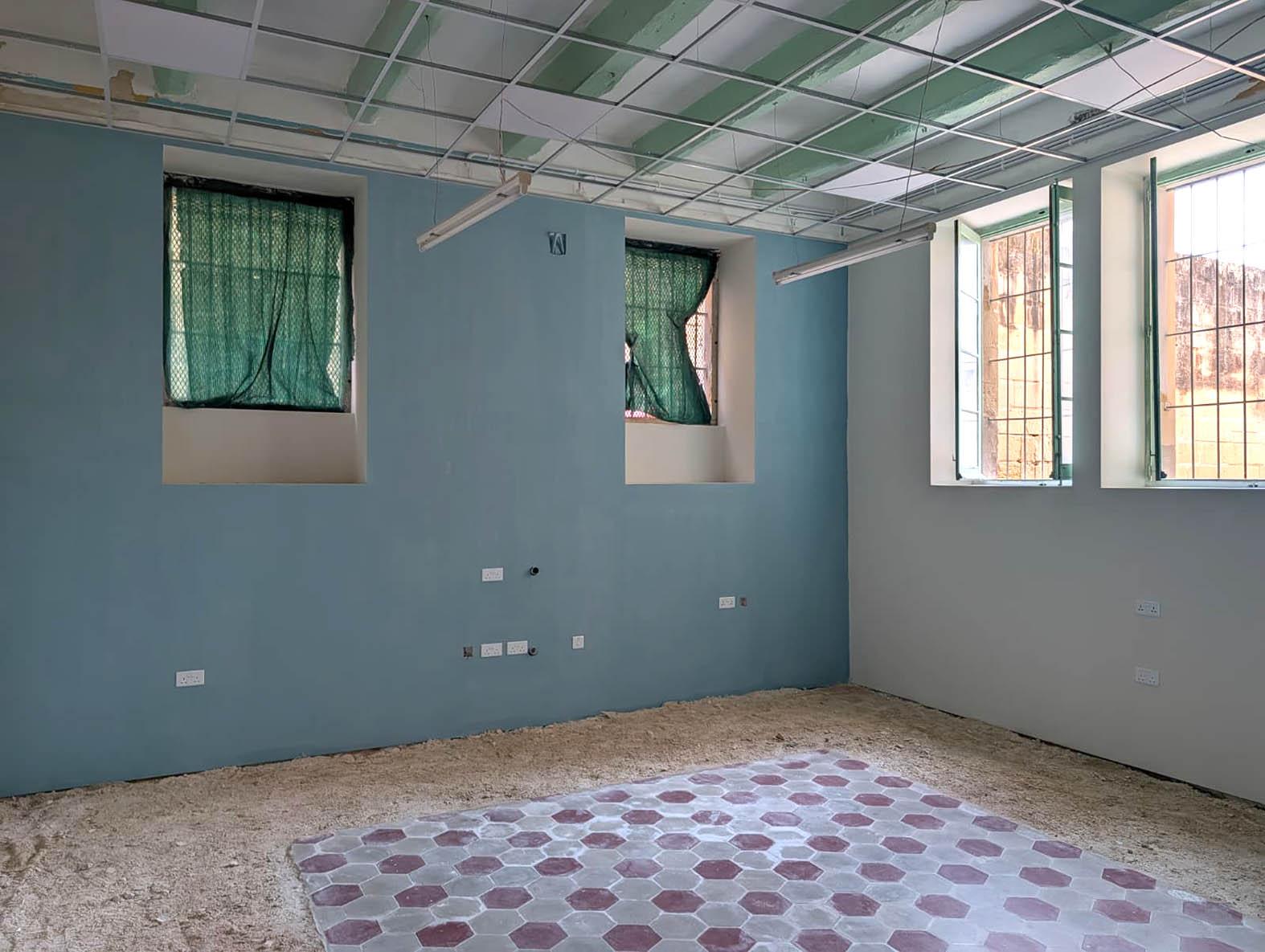 Work on the independent living studio flats for young adults is underway. Photo: Chris Sant Fournier
After providing a “secure and nurturing family-like environment, where every child is treated with dignity, respect and care”, the risk of falling through the cracks in the outside world has to be avoided. And the halfway houses are aimed at that.
Schembri said housing was the biggest practical obstacle. Social housing is rarely an option for young people leaving care, while rent often swallowed much of their salary. Although the Housing Authority offers subsidies, those with mental health difficulties face added barriers.
This is a crucial stage in the lives of these young men and providing support would help them succeed and thrive alongside their peers, explained the home’s director, Fr Louis Mallia.
While the home has never set a limit on how long residents can stay, it does not have a dedicated service and physical place adequate for young adults and their needs.
Most of the children return to their families or other alternatives, such as fostering or adoption, before they reach the age of 18, and, currently, those who do not remain with the rest of the group beyond that age.
The plan is for the first resident to move into the studio apartments by the beginning of next year, with the remaining two becoming available shortly afterwards.
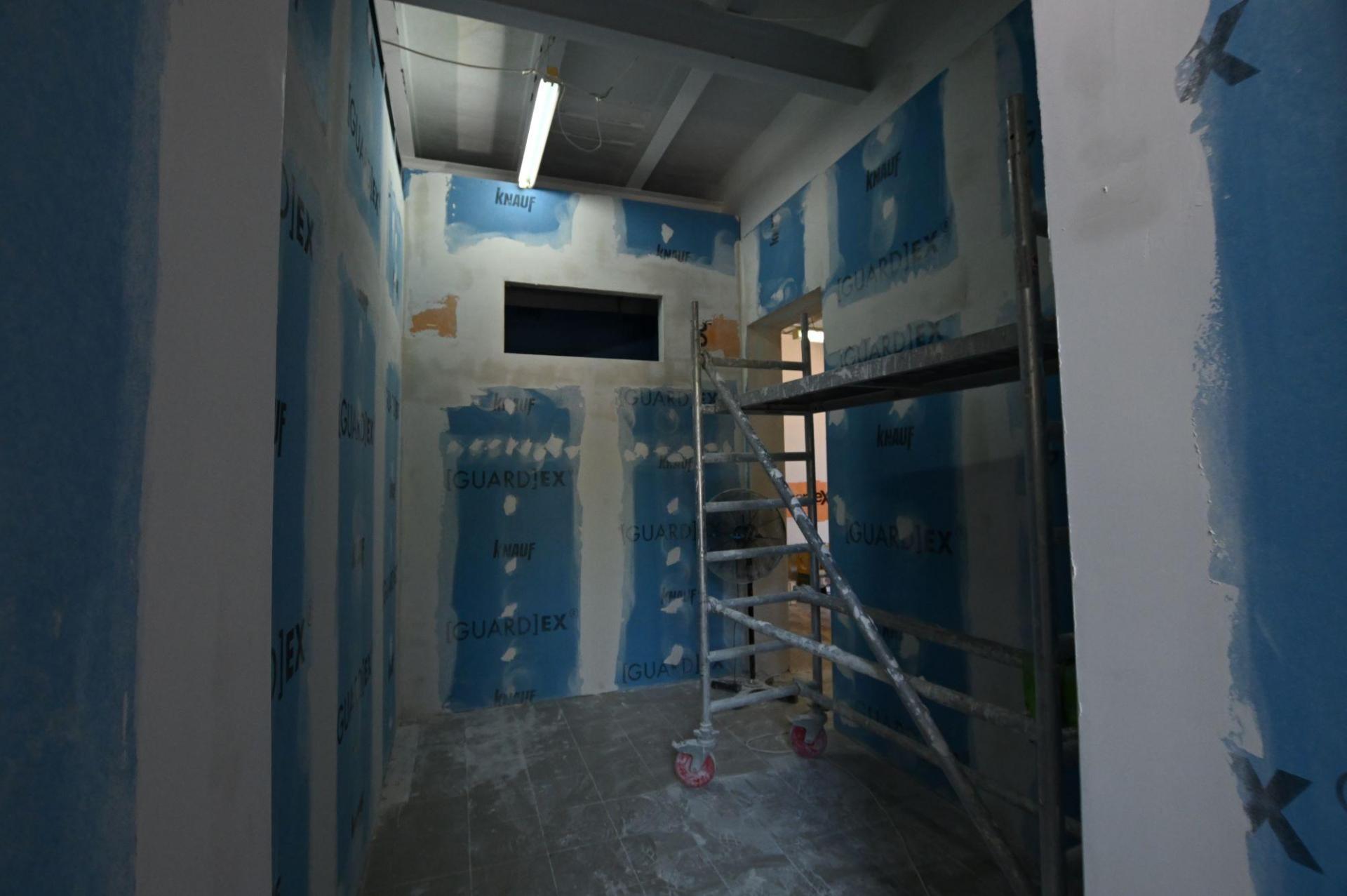 The independent living studio apartments in the making. Photo: Chris Sant Fournier
This will help them build the practical skills and confidence needed for independent living, Mallia continued.
The independent living studio flats will cater for young adults aged 18 to 21, who wish to continue their education after leaving the home’s care.
“The first residents are expected to remain with us while completing their tertiary education, until they are fully prepared to live independently in homes of their own,” he said.
Located within St Joseph’s, the new fully equipped accommodation is being created within a separate section of the home, accessible through an independent entrance from another street.
It will include a private courtyard, with comfortable spaces for study, cooking, sleeping and everyday living.
Children are usually referred to the home through the government care system, after difficult family circumstances affect their safety or stability. Schembri said placement in care is never “the final act” but the start of a plan shaped around the child’s best interests.
“Now, through ongoing mentoring, guidance and encouragement, the home will continue to support these young adults as they pursue their studies and work towards achieving their life goals,” Schembri said.
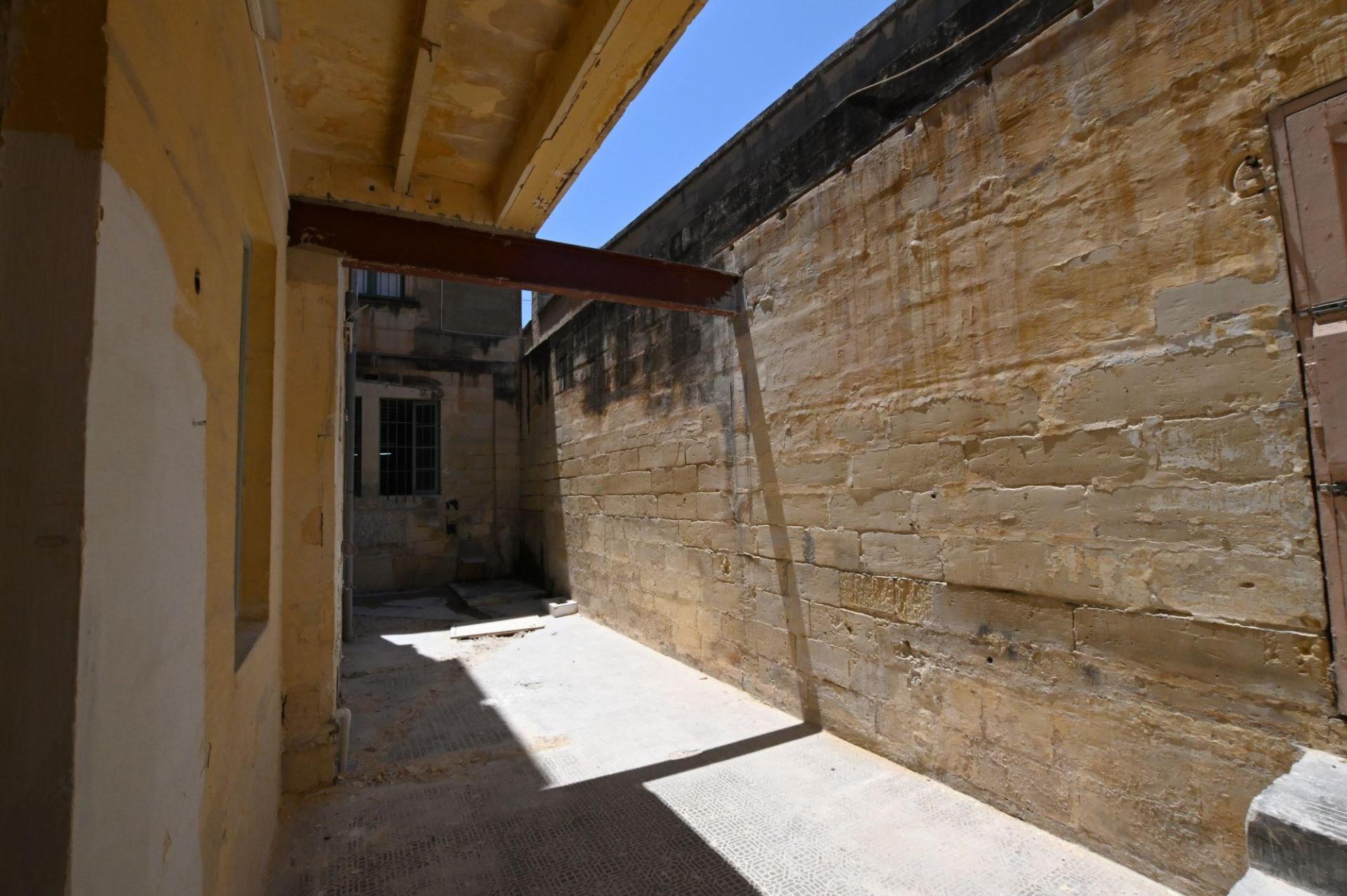 The shared courtyard. Photo: Chris Sant Fournier
Although it is the exception, it does happen that all the work poured into protecting the boys and trying to offer them a good life falls through when they must leave the home and fend for themselves, Schembri acknowledged.
“Many people think this happens to most children and youths who are in alternative care – but statistical data shows otherwise.
“Most of the youngsters settle into a healthy life. Our main and long-term aim is to help them seek alternative life choices and break cycles of poverty, emotional neglect and adverse childhood experiences,” he said.
“Thank God this is the story of the majority.”
Every young person has his own story, Schembri said. Some are reluctant to leave the home, while others are more eager but, mostly, it depends on the available alternatives.
The 26th edition of the Oħloq Tbissima marathon – 60 hours of continuous TV broadcast on TVM, ONE, NET and f LIVING – is being held until tomorrow.
Last year, thanks to donations raised during the initiative, the independent living project began but the marathon is also in aid of the Missionary Society of St Paul.
Over the last 23 years, more than €1.5 million were raised for schools, clinics, food and medicine overseas.
Donations can also be made on the website oħloqtbissima.com and the app tbissima.mt.