Recalling Nazzareno Vella: the entrepreneur behind Ħal Mann
A lasting legacy
Building a business is never easy. Doing so without a business background or easily available finance is incredibly harder.
Such was the case for Nazzareno Vella, a farmer’s son born into a family of eight siblings in an isolated hamlet at Tal-Ballut near Manikata in 1934.
His academic education was limited, his school in Mġarr having been converted to a military hospital during the war.
His early memories were a mix of rural life and wartime realities: helping in the fields, playing in the tight-knit community, trading potatoes for cigarettes with soldiers stationed in Għajn Tuffieħa, and witnessing the night sky lit up as the Santa Marija Convoy approached Malta under relentless bombardment. He even recalled an incident where, while pretending to fire at an aircraft, the pilot returned gunfire – an experience he never forgot.
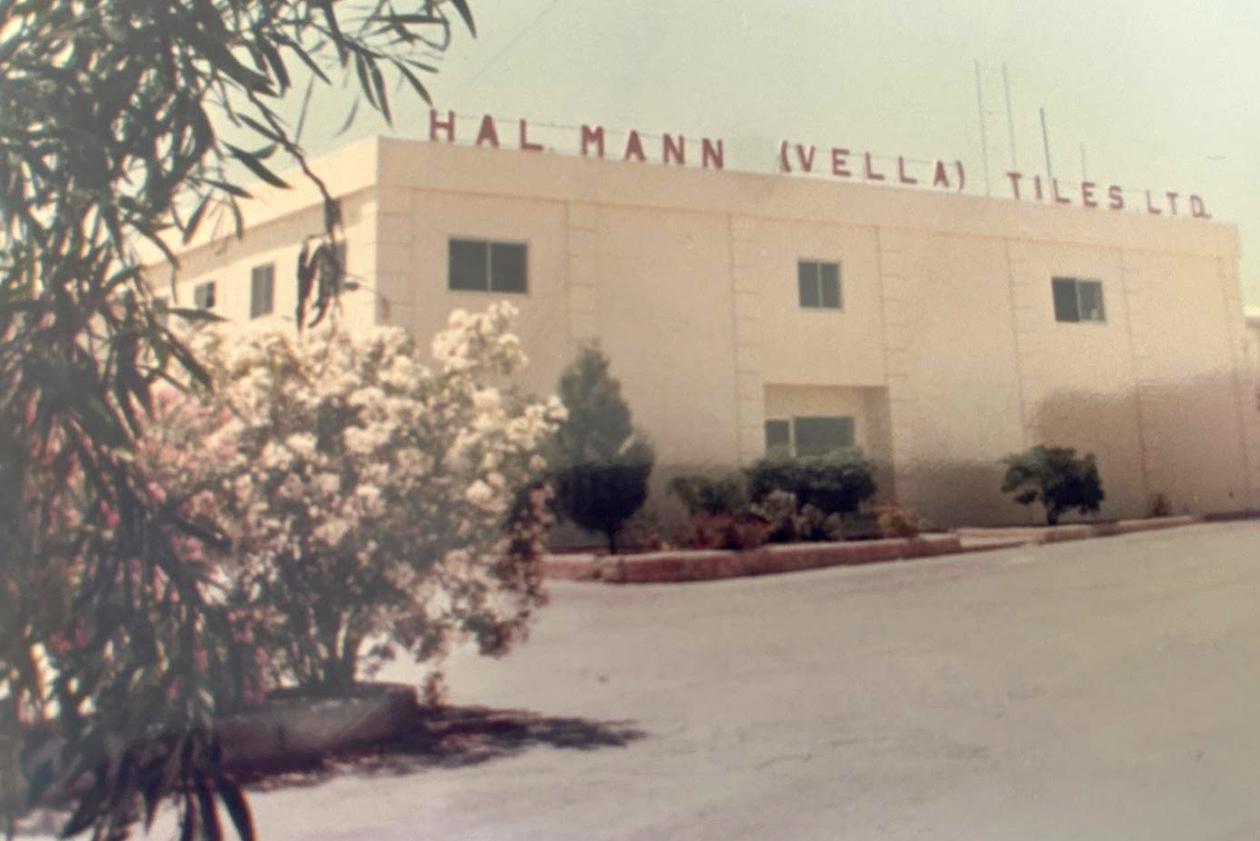 When the business moved to its new factory in Lija it was renamed Ħal Mann (Vella) Tiles Ltd.
In the difficult post-war years, work was scarce, and many of his generation emigrated. His father, seeing limited prospects in farming, encouraged him to seek better opportunities. Nazzareno considered emigrating to Canada, where a job at a fuel station awaited him.
His plans changed when his mother persuaded his eldest brother Joseph to employ him in the family brick-making business. Around the same time too, he set his eyes on Rose, the woman who would become his lifelong partner – another reason he chose to remain in Malta.
First steps into business
Eager to improve his prospects in the construction industry, Nazzareno learned that a tile manufacturer in Mellieħa was closing shop. Lacking capital, he convinced his brother Vincent –four years his senior and in possession of £100 – to partner with him. Their father agreed to lend Nazzareno the same amount on one condition: the machinery must never be left idle.
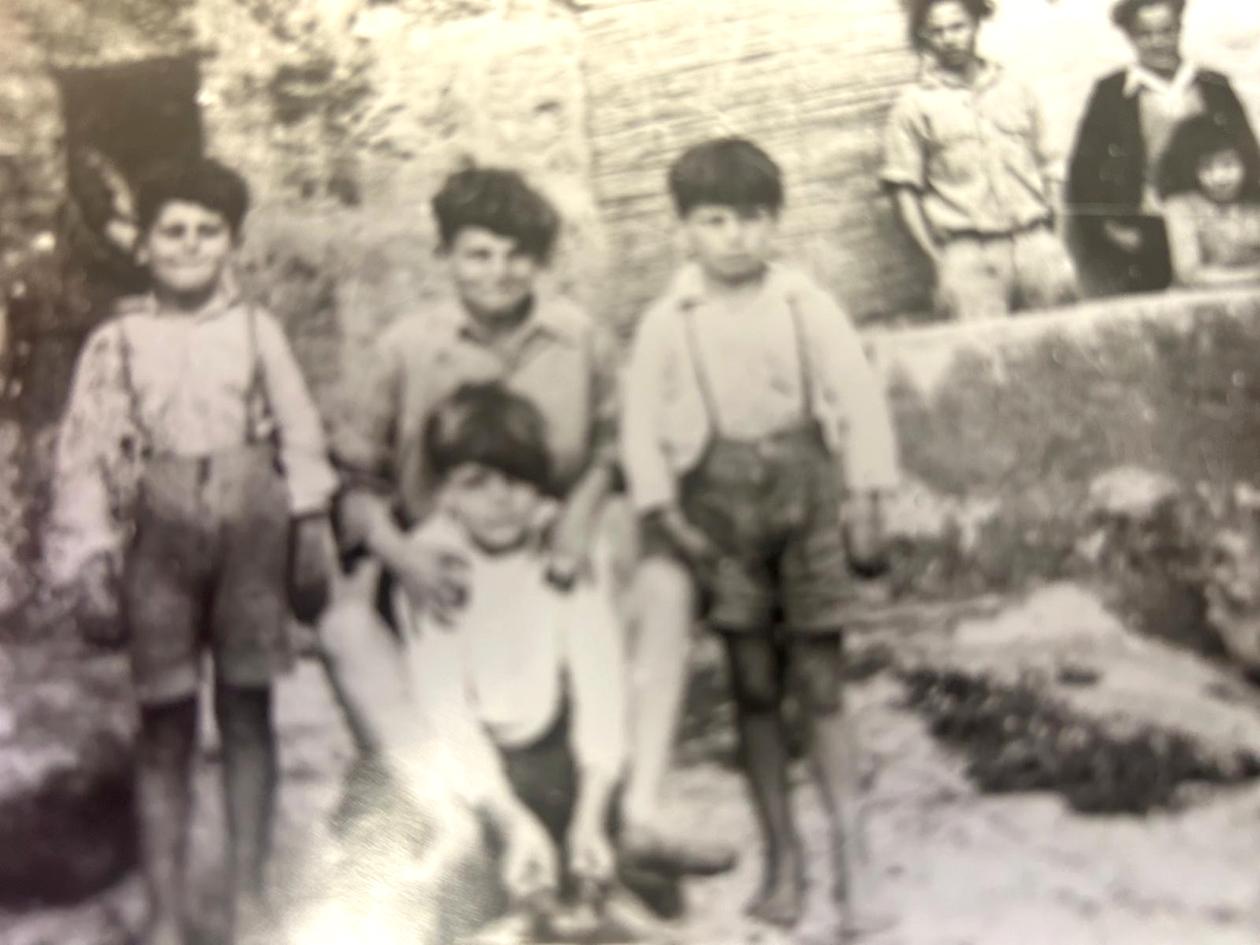 Nazzareno (first from the left) as a young boy.
In 1954, the Vella brothers rented a small building in Sir Harry Luke Street, Mġarr, and founded Nazzareno Vella & Co. Their first employee, Angelo, brought expertise in colour mixing for traditional patterned tiles and remained with the company until retirement. Many early employees did the same, building a culture of loyalty that would last decades.
At the time, Nazzareno balanced his new venture with transporting bricks by hand. On Sundays, he would display tile samples on the back of his truck beneath a band club balcony, hoping to catch the eye of potential buyers. His first tile sale, for a house in Veċċa, St Paul’s Bay, was a milestone he celebrated with pride.
As demand grew, both brothers joined the business full-time. Eventually the company changed its name and became Vella Mġarr Tiles. Rose contributed as well, running a bazaar to support the family of six children. She often recalled buying a single large blanket that served two purposes – keeping the children warm and, when worn, used for polishing tiles.
Innovation and expansion
The company’s first tile press was manual, but with the help of an engineer, it was converted into a hydraulic system to reduce fatigue and improve output. As terrazzo (mosaic) tiles grew in popularity, Nazzareno travelled repeatedly to Italy – then the global hub of tile machinery. Despite not knowing Italian, he persisted, initially bringing a translator and later taking weekend lessons from Mġarr’s former headmaster, Gianni Cilia, who became a lifelong friend.
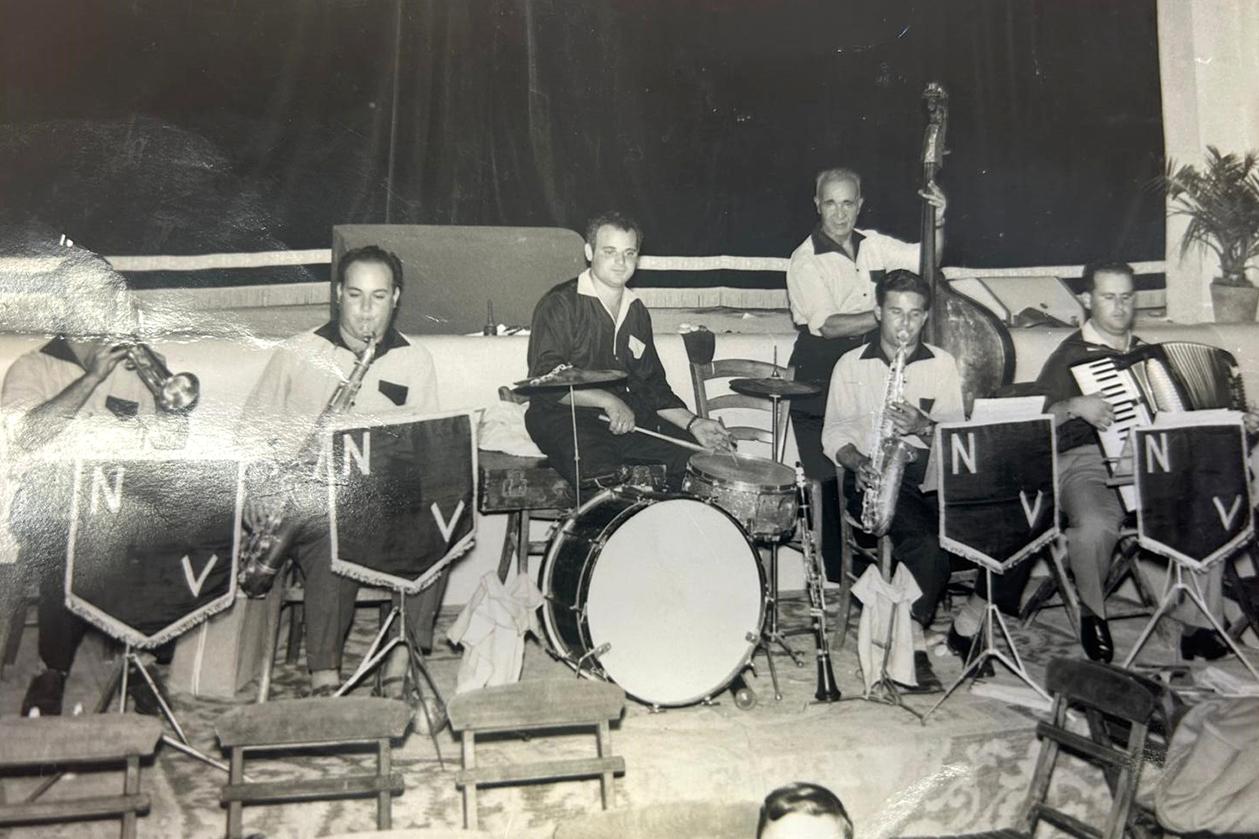 Nazzareno (first from the right) playing the accordion with his band.
During one notable episode, a new rotating tile press being manufactured for him in Florence was caught in the devastating 1966 flood. The electrical system had to be replaced before it could be shipped to Malta.
With space in Mġarr becoming insufficient, the brothers acquired a former farm at Ta’ Ħal Mann in Lija and built a modern factory. The business was renamed Ħal Mann (Vella) Tiles Ltd.
Nazzareno was known for restless ambition. Weekends were spent taking site measurements or sketching improvements to machinery. He supplemented the family income by playing the accordion at weddings.
In the late 1960s, he pursued a fully automated tile production line – a bold investment of £75,000. After signing the contract, fear set in. He drove to Msida intending to cancel the deal, with Rose accompanying him. Along the way, she encouraged him to trust his vision. Near today’s flyover, he turned back. The decision proved pivotal for the company’s future.
The early 1970s brought a severe slowdown in construction. Forced to lay off 20 workers, Nazzareno worried deeply for their families. Rose would personally bring him meals, refusing to leave until he ate. When business recovered months later, most workers returned.
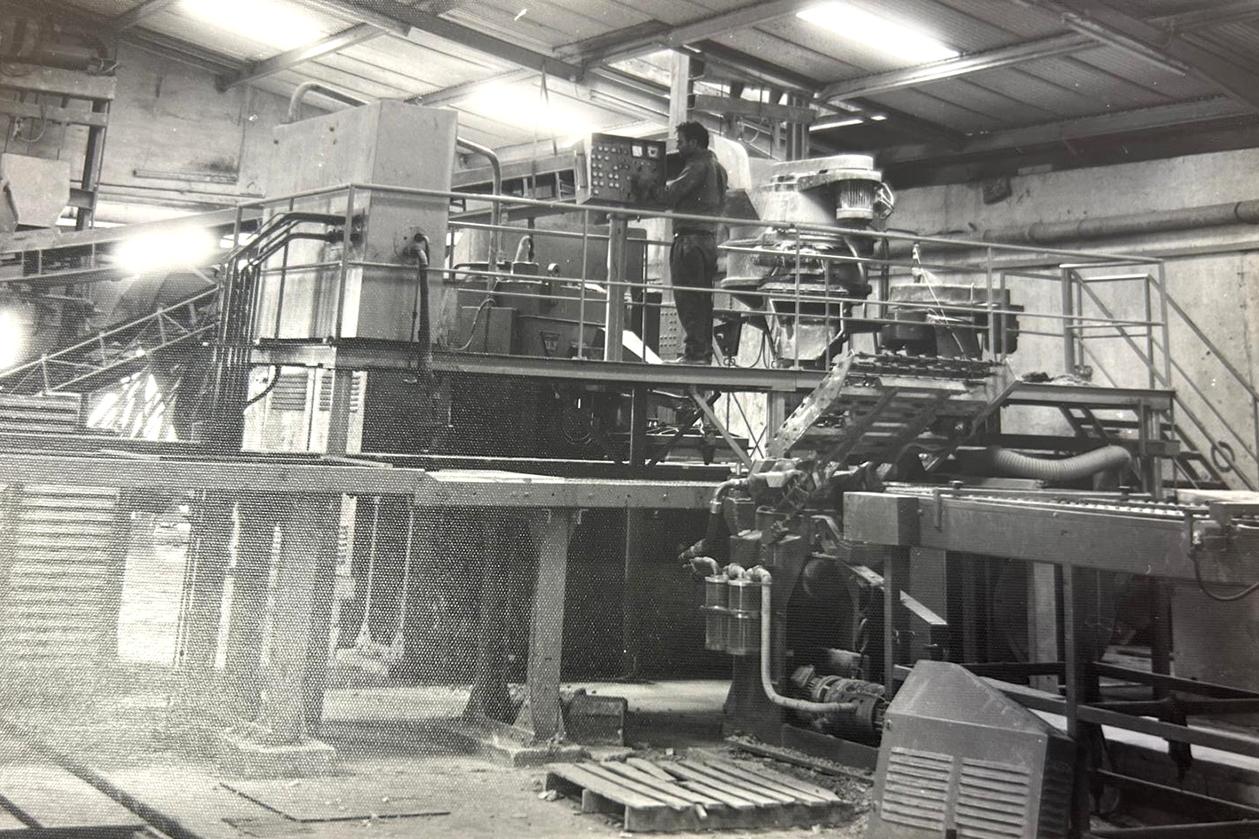 Two photos of the equipment Nazzareno ordered but was about to cancel before his wife Rose persuaded him to go ahead with the deal.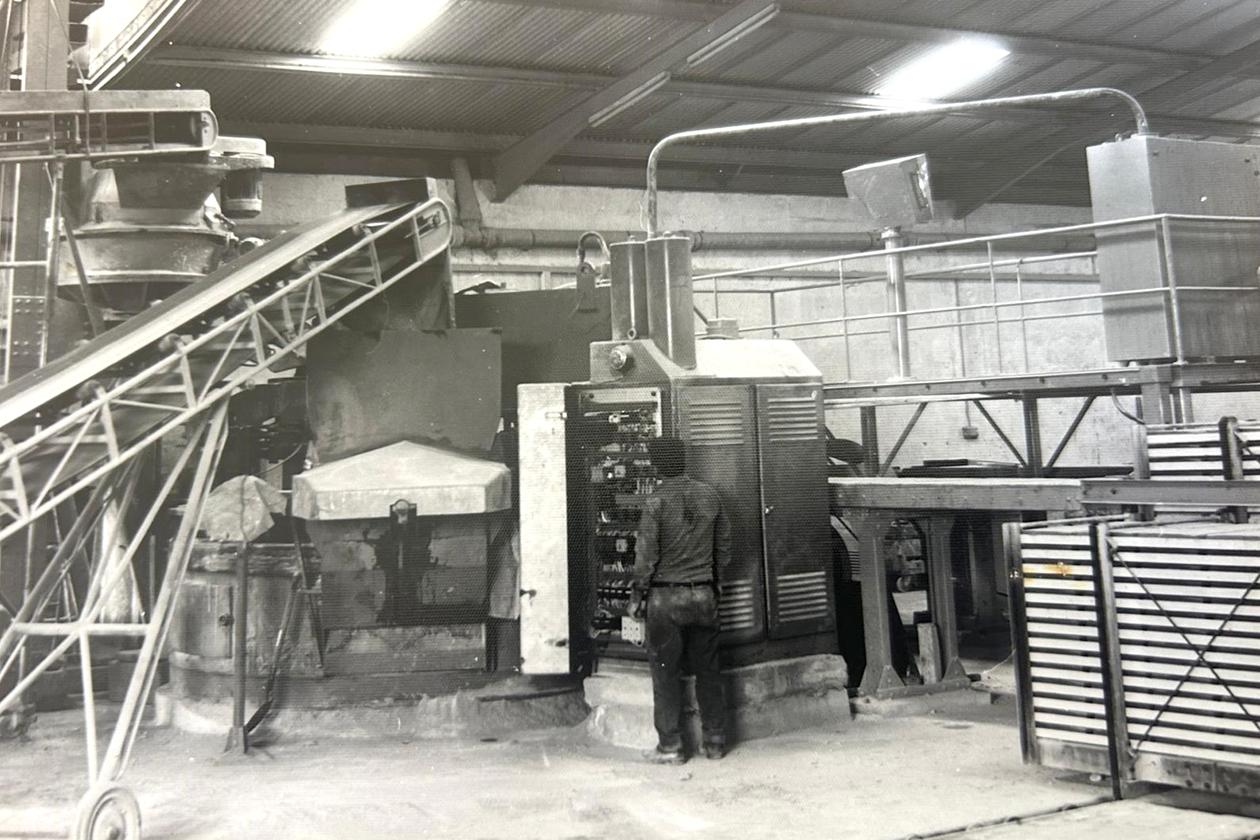
Diversification and rise of a group
Alongside tiles, the Vella brothers ventured into real estate and hospitality, jointly establishing with their younger brother Emanuel, MAVINA – later an aparthotel.
They continued expanding production capabilities, acquiring adjoining land to create a unified industrial site. They ventured into synthetic stone, bathroom products, and later into engineered marble-like slabs made from stone aggregates and resin. Machinery was sourced both new and from a closing down factory in Puglia, allowing technological advancement at manageable cost.
A new ceramic tile plant, Pantar Ceramics, was opened in Pantar Road, Lija, further growing the group’s footprint. Natural marble and granite processing soon followed.
As the enterprise grew, family members from the next generation joined in key roles. A new showroom and offices in Naxxar Road, Lija, eventually replaced the older premises in Mosta Road. During the same period, in the early 1990s, export markets were established and by the late 1990s the company was exporting on a regular basis to various countries in Europe, the Far East, Australia and America. The group restructured as Ħal Mann Holdings Ltd, with Nazzareno serving as chairman and Vincent as vice-chairman. He also served as director representing Hal Mann Holdings Ltd as shareholders in Cottonera Waterfront Group.
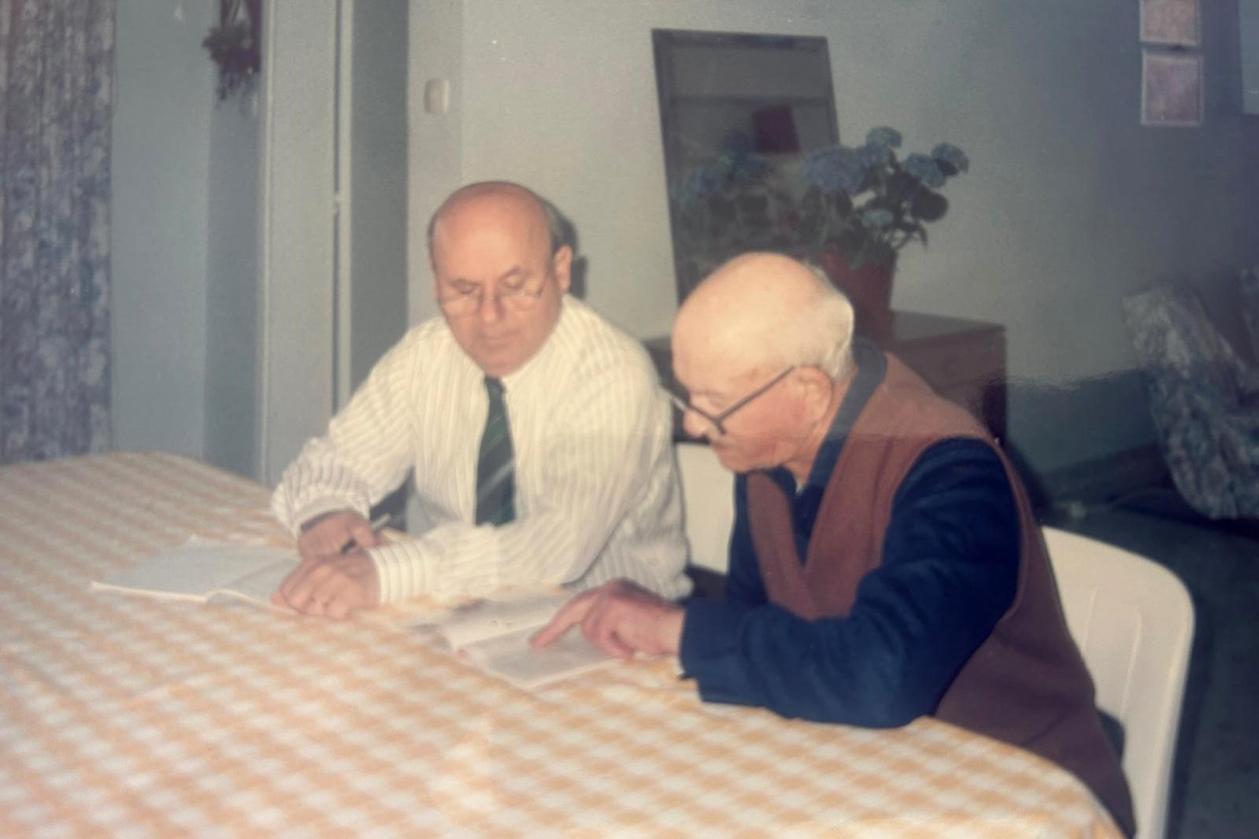 Nazzareno (left) pictured with Gianni Cilia giving him lessons in English. Cilia had earlier taught him Italian.
A lasting legacy
Even into his 80s, Nazzareno remained active, travelling and keeping abreast of new technologies and involved in real estate He was also a shareholder and director in the Pender Gardens development and still kept in touch until the COVID 19 pandemic restricted him to home.
He passed away on March 28, 2023, just three weeks after his 89th birthday, leaving behind a business legacy that continues to shape Malta’s construction and manufacturing landscape, one tile at a time.
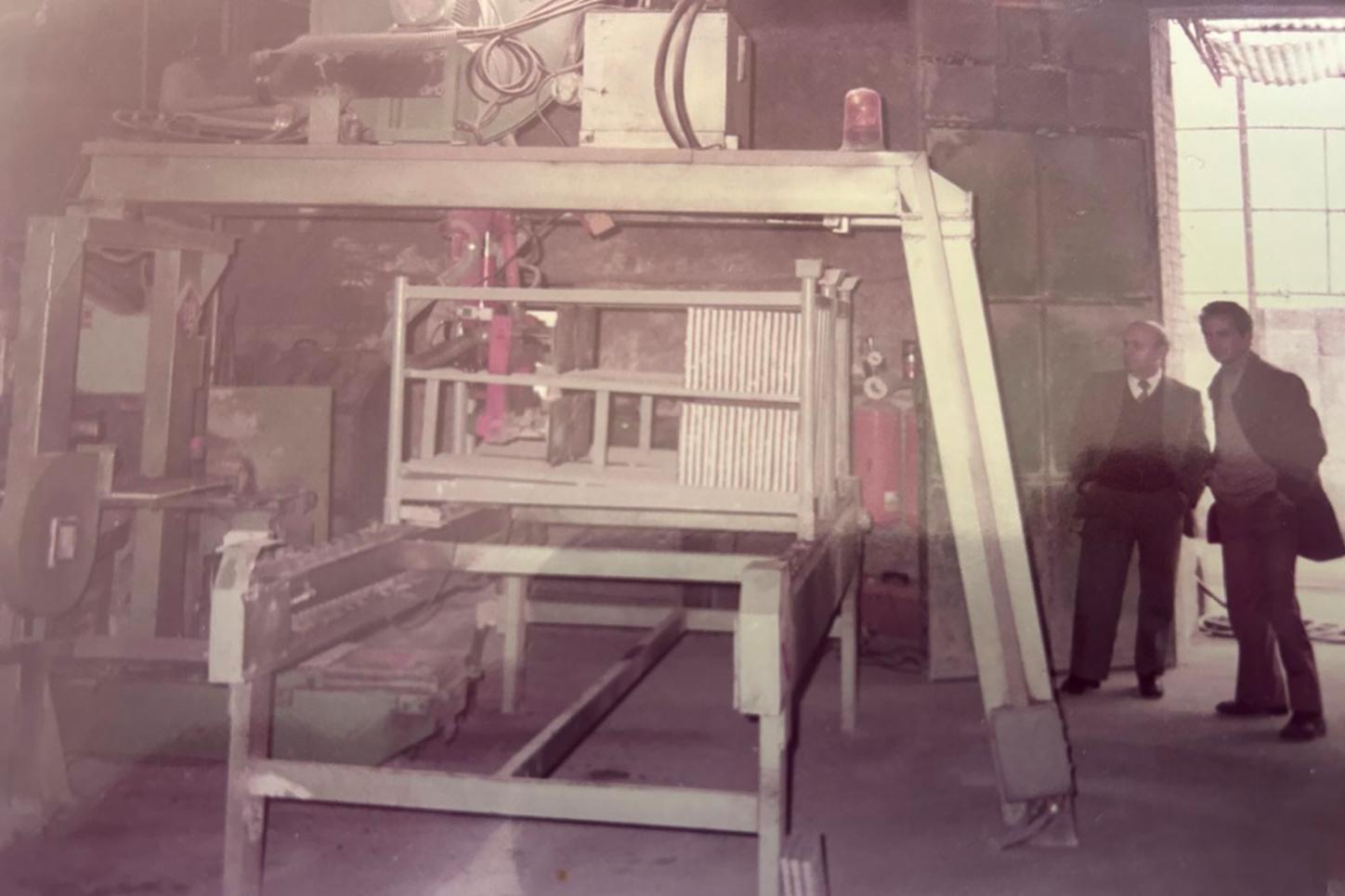 Nazzareno (left) pictured with a machinery supplier from whom he had recently bought equipment.
Brought to you by ĦAL MANN VELLSIX Ltd to commemorate Nazzareno Vella on what would have been his 92nd birthday on March 6