A record year for Heritage Malta and an ambitious vision for 2026
Our mission is to keep the dialogue between past and present active and meaningful
In 2025, Heritage Malta reached a historic milestone, welcoming more than two million visitors across its cultural sites and museums. This total includes over 1.9 million paying visitors, the highest number ever recorded since the agency’s foundation, as well as 132,824 non-paying visitors who entered through initiatives such as the senior and student passport schemes. Compared with 2024, when paying admissions stood at 1.6 million, this reflects an 18% increase.
More than just impressive statistics, these figures powerfully affirm both the Maltese public’s growing engagement with our national heritage and the strong international appeal of our cultural landscape.
This surge in interest was also reflected in our revenue streams. Gift shops and ticket sales rose from €8.7 million in 2024 to €10.2 million in 2025, a remarkable 17% increase. These results demonstrate that heritage is not only culturally enriching but also economically impactful, a sector capable of generating sustainable value for our country.
As CEO of Heritage Malta, I view these achievements not as a culmination, but as a springboard. They reinforce our belief that heritage is not something static or fossilised. It is a living, breathing presence woven into our daily lives. And in 2026, we are committed to strengthening this connection even further.
Heritage as a living legacy
The guiding message for Heritage Malta in 2026 is simple yet profound: our heritage is alive. It evolves with us, speaks to us, and invites us to engage with it in new ways.
Our mission is to keep the dialogue between past and present active and meaningful, ensuring that our cultural inheritance is not treated as a relic, but as a shared legacy that belongs to everyone.
This philosophy underpins every project we are undertaking this year, projects that honour our history while embracing innovation, accessibility and contemporary relevance.
One of the most significant undertakings for 2026 is the continued rehabilitation, restoration and conservation of Villa Guardamangia, the former residence of Princess
Elizabeth and Prince Philip during periods between 1949 and 1951. With a project value of just over €12 million, supported by more than €10 million from the European Regional Development Fund, works are progressing steadily.
Once completed, Villa Guardamangia will offer visitors a deeply human experience. Rather than focusing solely on royal grandeur, the narrative will highlight the sense of normality and domestic life enjoyed by the young royal couple during their time in Malta. The villa will be recreated as it appeared in the 1950s, allowing visitors to step into a historic home that feels lived-in and authentic.
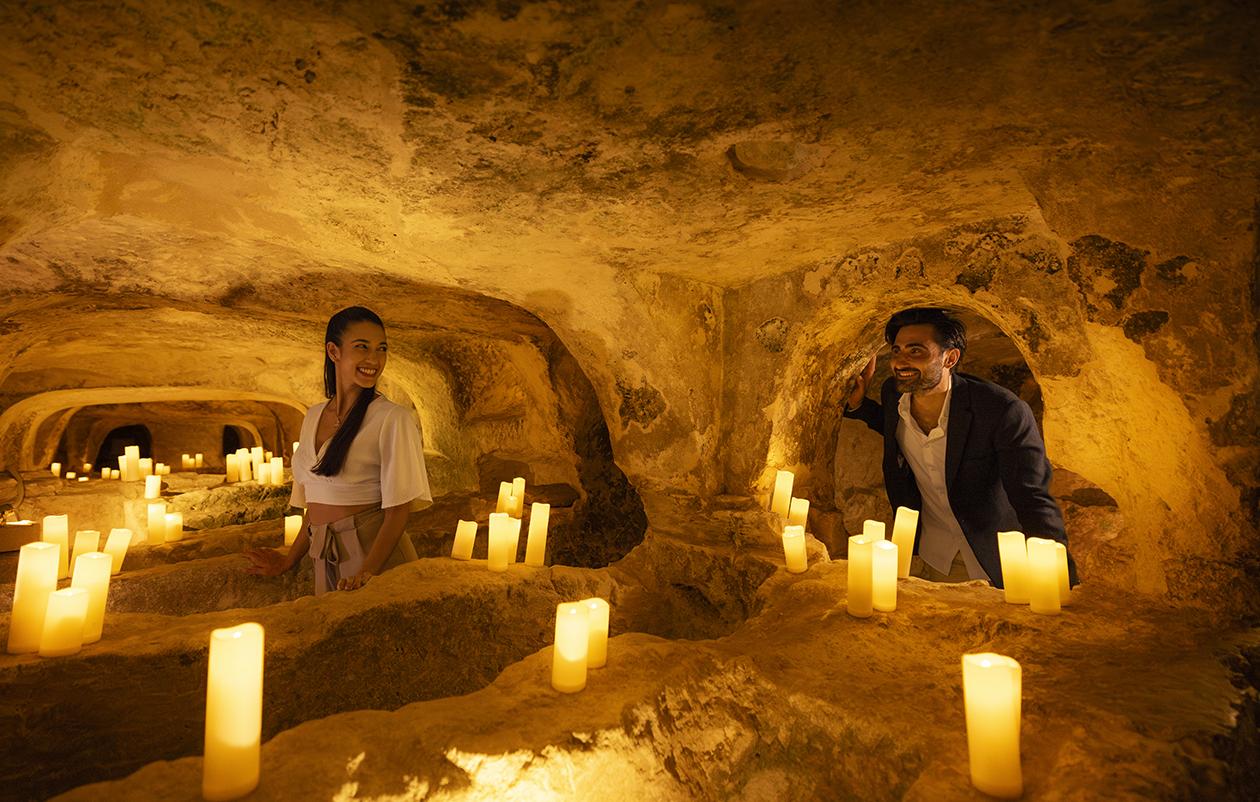 St Paul’s Catacombs, Rabat
Another major project moving forward is the restoration of the Main Guard in Valletta. Following the successful completion of the portico façade in St George’s Square, where stone columns and sculptural elements were meticulously restored, work is now under way on the Strait Street façade, the building’s interior, and its historic wall paintings.
At Villa Portelli in Kalkara, the gardens have already been beautifully regenerated in collaboration with Project Green and are now open to the public every Sunday. The next phase focuses on restoring the villa itself.
The ground floor will be presented as a late 19th-century residence, complete with historical interpretation, while the upper floor will be transformed into educational spaces enhanced by virtual reality and immersive technologies. This blend of authenticity and innovation reflects our commitment to making heritage accessible and engaging for all generations.
The transformation of the Malta Maritime Museum in Vittoriosa is another flagship project. The first phase was completed in early 2024, allowing for a temporary reopening until May 2025. The museum then closed again to allow the second phase to proceed. Once reopened, the museum will offer an entirely reimagined visitor experience
This year, extensive restoration works will also begin at the Inquisitor’s Palace, Vittoriosa, including major improvements to accessibility.
Enhancements to the permanent exhibition at St Paul’s Catacombs, Rabat, are planned, while the Gozo Museum in Victoria is nearing completion.
At the Grand Master’s Palace, restoration continues, including the return of the historic tapestries currently undergoing conservation in Belgium.
At MUŻA, Valletta, significant upgrades are under way to expand temporary exhibition spaces and improve visitor access. The permanent exhibition is being reorganised chronologically, offering a clearer narrative of Malta’s artistic evolution from prehistory to the present.
The Malta Biennale: a cultural beacon
This month, we proudly launched the second edition of the Malta Biennale, building on the strong foundations laid by its inaugural edition.
A few years ago, following an extensive rebranding exercise, our agency committed itself to strengthening and elevating its profile beyond our shores in every possible way, while also contributing to the enhancement of the tourism product that draws visitors to Malta.
The Biennale is another golden opportunity to fulfil that ambition, a platform where the local meets the international, both through the works exhibited and through the exchange fostered among visitors, artists and journalists. Recognised by UNESCO for its alignment with the organisation’s cultural mission, the Biennale invites artists to revisit the past, interrogate the present, and encourage society to reflect on contemporary realities.
Finally, our 2026 calendar of events brings together more than 200 events, all inspired by our new campaign, Ħaj/Heritage Alive.
The programme transforms historic sites into spaces of participation, creativity and discovery. Through exhibitions, educational programmes, re-enactments, behind-the-scenes access and immersive experiences, we invite the public to engage with heritage as something lived, a dance between people, places and centuries.
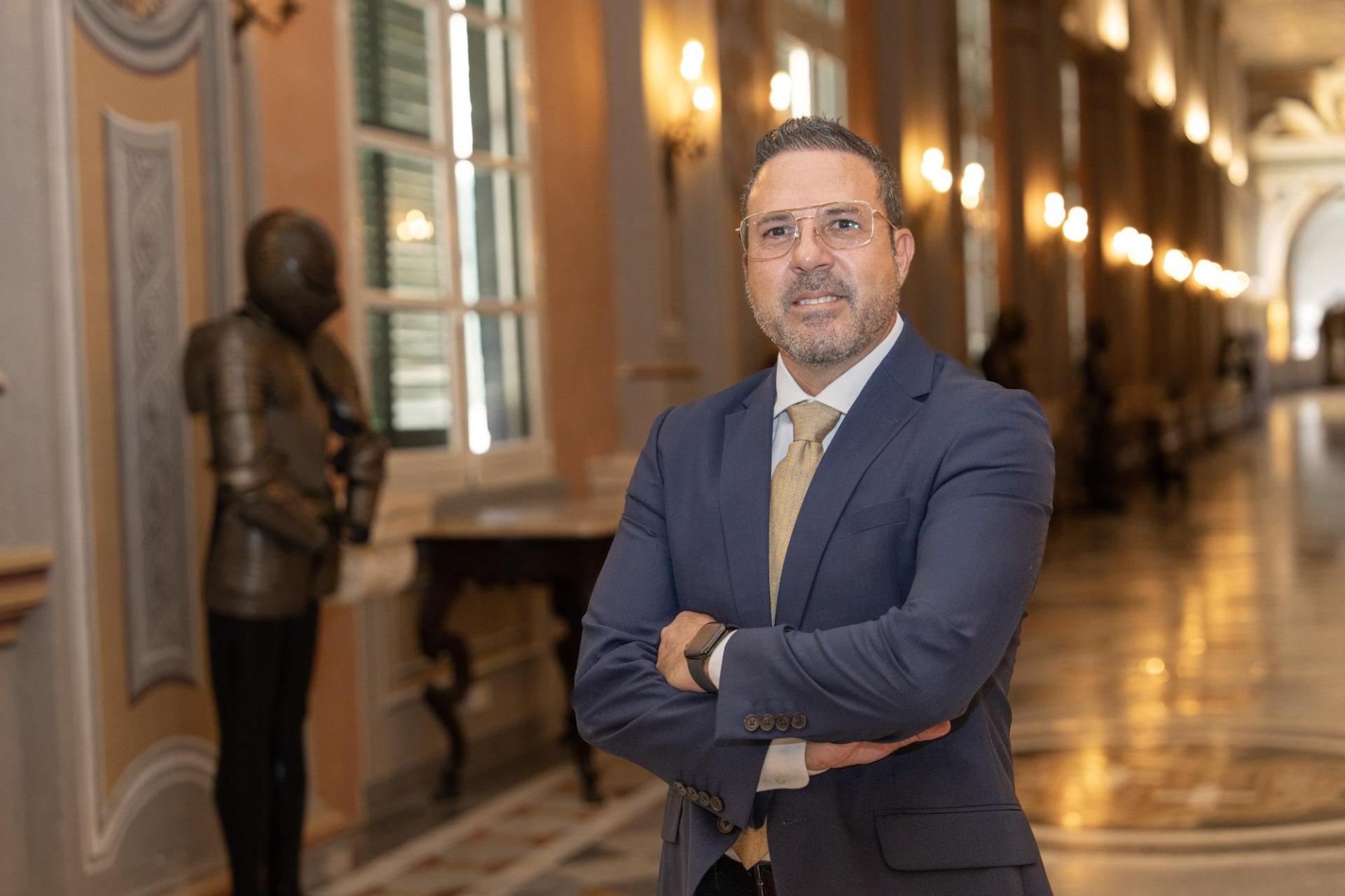
Noel Zammit is chief executive officer, Heritage Malta.