Why we regulated the digital public square
Europe has the right and duty to ensure that digital spaces are governed by principles of accountability, transparency, and respect for fundamental rights, says Helena Dalli
The Thierry Breton incident, whereby the US imposed travel restrictions on the former European commissioner and four other EU citizens, is better understood in a broader political context. It reflects the continuing debate between Europe and the US over how far democratic governments should go in regulating large digital platforms, a debate in which both sides equally share a strong commitment to innovation, open markets and freedom of expression, even if at times they differ on the means.
As a member of the College of Commissioners when the Digital Services Act (DSA) was adopted, I was part of that decision – and I take responsibility for it. Also 90% of our democratically elected body, the European Parliament voted for the DSA and 27 member states unanimously agreed on it.
The DSA was born out of a shared recognition that the digital world had escaped the boundaries of the rules meant to govern it. Platforms had become central arenas of public life, shaping how we speak, inform ourselves, and participate in democracy, yet they operated under frameworks never designed for such power but for a far smaller, less consequential internet. The DSA was our collective attempt to restore balance – to re-anchor the digital sphere in the rule of law.
From the outset, the Act was, and remains, an assertion of European sovereignty in the digital sphere. But for me, sovereignty was never an end in itself. It was the means through which something more fundamental could be protected: the rights and dignity of citizens in online spaces that increasingly define their lives.
When the DSA was being discussed and shaped, my cabinet’s contribution focused squarely on this rights perspective. We were concerned not to treat platforms merely as economic intermediaries, but as environments where freedoms are exercised and constrained. Decisions taken by opaque systems – or by moderation policies applied without explanation – can silence voices, distort debate, or deprive individuals of livelihoods. That reality demanded a response grounded not just in market logic, but in fundamental rights.
This conviction is reflected in the Act’s architecture. The DSA does not simply ask platforms to remove illegal content; it requires them to explain themselves, to respect due process, and to offer redress when decisions affect users. It seeks transparency in algorithmic systems not out of curiosity, but because citizens have a right to understand how information that shapes their opinions and opportunities is curated. Above all, it affirms a simple principle: fundamental rights do not stop at the login screen.
Democracy must not be the price of digital progress- Helena Dalli
For citizens, this is where the DSA matters most. It offers greater protection against arbitrary takedowns, clearer avenues to contest decisions, and stronger safeguards against systemic risks such as disinformation and abuse. It restores a measure of agency to individuals who had too often been reduced to passive users, subject to rules they neither set nor fully understood.
This approach strengthens innovation. Rights-based regulation creates trust, and trust is a precondition for sustainable innovation. By establishing clear, harmonised rules across Europe, the DSA gives companies – large and small – the legal certainty they need to innovate responsibly, while ensuring that progress is not achieved at the expense of social cohesion or democratic values.
Breton, as commissioner for the internal market, carried the DSA with determination. That he is being targeted is a sign of how contentious Europe’s decision to regulate the digital sphere, on the basis of sovereignty and rights, has become internationally.
Of course, I do not observe this development from a distance. As a member of the College of Commissioners when the DSA was adopted, I share responsibility for both its ambition and its consequences. While Commissioner Breton was the most visible face of the Act, it was a collective choice.
Regulation has consequences. Defending rights and asserting democratic authority in the digital realm inevitably provokes resistance. The question is not whether this discomfort was avoidable, but whether it was justified.
For me, the answer remains yes. Europe has both the right and the duty to ensure that the digital spaces where its citizens speak, work, and organise are governed by principles of accountability, transparency, and respect for fundamental rights. That responsibility does not rest on one former commissioner alone. It rests with all of us who believed – and still believe – that democracy must not be the price of digital progress.
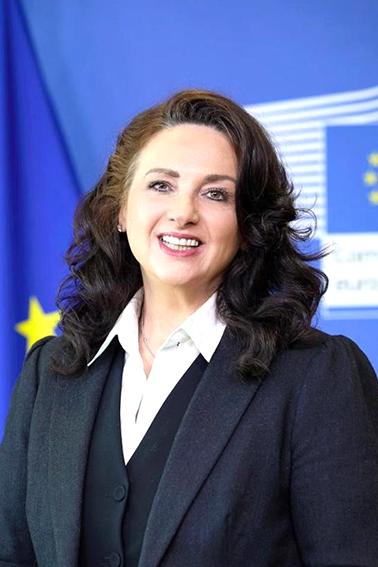
Helena Dalli is a former European Commissioner.