Robert Abela’s electoral promise to cancer patients
In the election campaign Prime Minister Robert Abela promised that all cancer treatment will be provided for free. He should keep his word, insists Erica Spiteri
Dear Prime Minister Robert Abela, now that the dust has settled after the general election, I would like to remind you of your electoral promise to Maltese citizens afflicted with cancer. Earlier this year, you promised that all cancer treatment is to be provided for free and in a reasonably timely manner through Malta’s national health service.
For years, cancer patients, especially those facing rare malignancies, such as Multiple Myeloma (MM), have been subjected to an unjust, two-tiered healthcare lottery. While patients requiring lower-cost therapies are more likely to be covered by the state, many of those with cancer requiring costlier treatment are redirected to the Malta Community Chest Fund (MCCF) to secure the funding needed for the novel and innovative treatments they require to live.
In advanced healthcare systems around the world, initial treatment of MM is based on a daratumumab-containing triplet regimen. Daratumumab, which is front-line treatment, is not provided for free in Malta through our healthcare system.
Instead, at the point of diagnosis, Maltese patients with MM who need immediate access to this treatment are forced to apply to the MCCF and undergo a lengthy means-testing screening process to secure the €7,081 per dose they require for their treatment.
Would this be the case for other urgently needed medicines?
The government’s over-reliance on a state-sanctioned charitable entity to deliver fundamental healthcare is not only a profound systemic failure but also a discriminatory abdication of the state’s duty of care towards its tax-paying citizens. While the MCCF performs invaluable work, and for this many are grateful, it should not serve as a cancer funding entity parallel to the national healthcare system.
In functioning as a safety net to curb spending, the MCCF inadvertently acts as a shield for the government and actively delays the ongoing improvement of the system that controls the addition of medicinals to the list of medicines funded by the government.
Since the MCCF means-tests applicants, if patients are not considered sufficiently ‘needy ’, they must either partially fund their treatment or completely fund their treatment themselves. In this way, the government erects a first barrier by asking cancer patients to apply for their cancer funding to a charity. MCCF extends and consolidates this first barrier through a second barrier: the means-testing of applicants. Moreover, MCCF’s means-testing criteria are not available to applicants.
Instead of receiving immediate access to treatment through Malta’s healthcare system, vulnerable Maltese citizens with cancer, many of whom are elderly and frail, are forced to lay bare their private hard-earned finances and traipse from one office to another, during their darkest moments. Consequently, at the point of diagnosis, many Maltese MM patients are trapped in a bureaucratic bottleneck where life-saving treatment becomes a charitable handout.
No longer is the right to life, through one’s taxes and national insurance contributions, guaranteed. Slowly but surely, the state is increasingly eroding the inclusion of medicinals in the relevant formulary. Clearly, the state no longer seeks to provide immediate off-the-shelf treatment to secure the best possible outcomes for its cancer-afflicted Maltese citizens. The state prefers to force many vulnerable individuals into a gruelling bureaucratic obstacle course at the exact moment they possess the least strength to deal with and endure it.
A cancer diagnosis brings an avalanche of physical and emotional trauma; patients must navigate the shock of their prognosis, recover from invasive surgeries, manage the debilitating side effects of chemotherapy or immunotherapy and cope with the psychological burden of their mortality.
The time for hollow rhetoric, vague timelines and systemic reliance on charity must end- Erica Spiteri
Forcing Maltese with cancer and their burdened families to run between state offices and charitable boards is inefficient and inhumane.
All citizens who have worked diligently, contributed to the economy and paid their taxes have an inviolable right to comprehensive and timely state protection during their moments of utmost vulnerability.
The data highlights the stark disparity between Malta’s economic standing and its provision of cancer healthcare. According to the EU Country Cancer Profile: Malta 2025 published by the OECD and the European Commission, Malta’s public coverage or reimbursement rate for the cancer medicine biosimilars assessed in the report stands at a meagre 16%.
This represents the single lowest rate across the entire European Union, where the average sits at 65%. Even when compared directly to its immediate economic peers, Malta’s coverage share remains vastly deficient against their 56% average. This is a clear indicator that public funds are not being prioritised efficiently to meet European standards of oncological care.
While the government has repeatedly publicised incremental updates to the government formulary list, touting expansions during the 2022 Budget, updates to mental health treatments in 2025 and promising expanded medicine access for thousands since November 2024 and as recently as May 2026, the reality on the ground remains fragmented.
Paltry piecemeal additions still leave an unacceptable number of cancer patients struggling to access the latest immunotherapies and targeted treatments.
The time for hollow rhetoric, vague timelines and systemic reliance on charity must end. Malta’s healthcare system cannot rely heavily on MCCF for cancer funding. The state is obliged to bring Malta’s cancer funding system into the 21st century.
This newly elected Labour government is obliged to transform the current system into a proactive, state-led model of excellence of universal, comprehensive and timely access to cancer treatment approved by the European Medicines Agency (EMA).
To achieve true systemic improvement and equitable access to all, the government must modernise the process of updating the government formulary by replacing the current slow, ad hoc approvals with a fast-track process for newly authorised EMA oncology drugs. Moreover, it should be considered barbaric to allow front-line treatment, such as daratumumab, not to be provided freely through the national health system.
As a Maltese citizen with MM, I strongly urge you to include daratumumab in the government formulary. This for the sake of fairness and in keeping with Labour’s electoral promise. Front-line treatments, such as daratumumab, which are indispensable at the point of diagnosis, must be included immediately in the government formulary.
Prime Minister, please keep your promise. It is the lives of your electorate that are at stake.
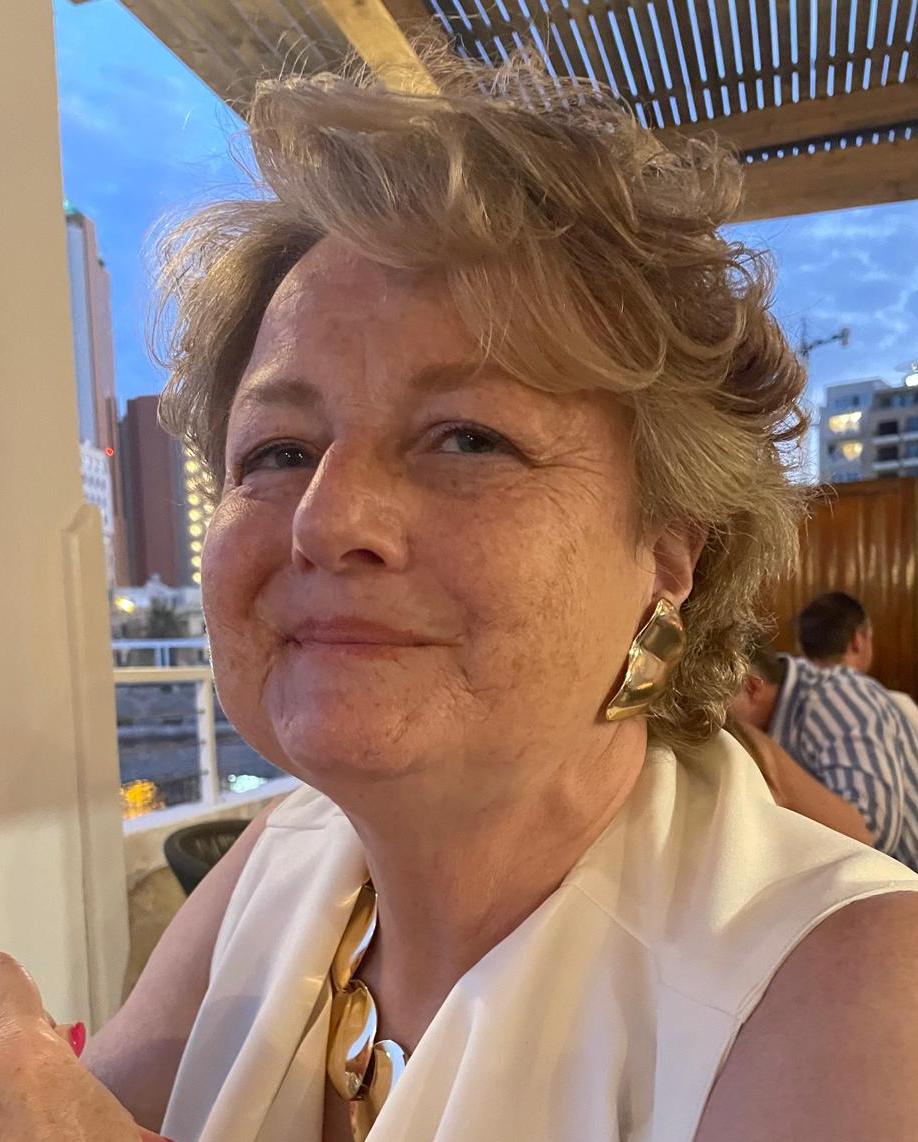
Erica Spiteri is secretary of the Multiple Myeloma & Amyloidosis Group.