Scuttle the Cuttle: beach 'toy' seeks to make litter clean-ups fun
New device makes beach clean-ups like child’s play
A Malta-based British company has developed a clever new device that turns waste into a tool for collecting even more litter, all with the goal of getting children excited about beach clean-ups.
When Odyssey Innovation founder Rob Thompson joined students a year ago to recover microplastics from Għajn Tuffieħa, they grappled with “clumsy, impractical tools”, prompting him to come up with something better.
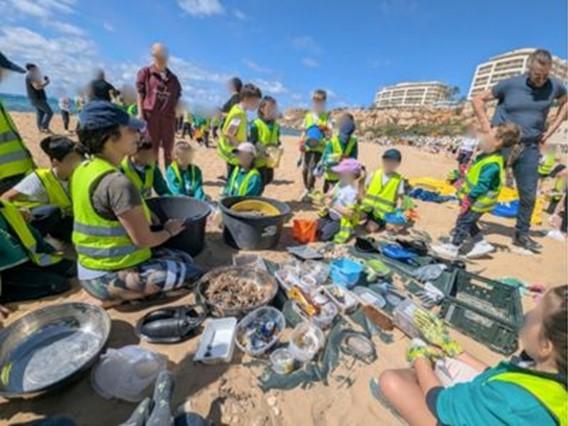
That activity with Chiswick House School planted the seed for Scuttle the Cuttle – what he describes as an innovative, sturdy, purpose-built, beach-cleaning, fun toy that could inspire future environmental changemakers and “turn young people into ocean stewards”.
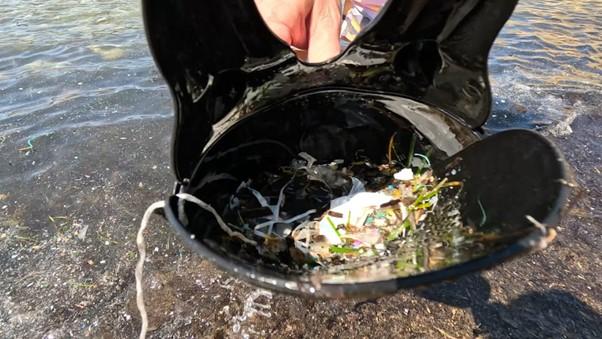
Scuttle the Cuttle in action
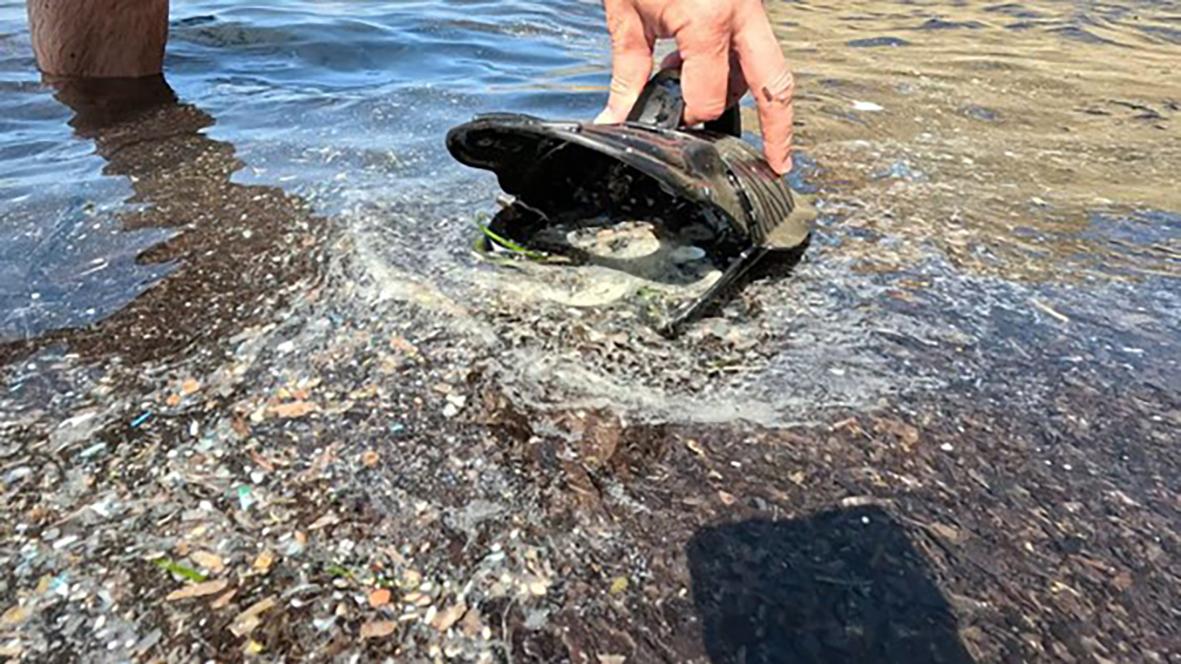
.
Back on that same beach recently, equipped with Scuttle, which was tested by 100 schoolchildren, 13,600 pieces of microplastics were collected in just a few hours.
A pioneer of recycling marine waste, and busy engaging communities through education and hands-on conservation, the UK company has manufactured circular products, such as kayaks, bodyboards and SUPs from plastics.
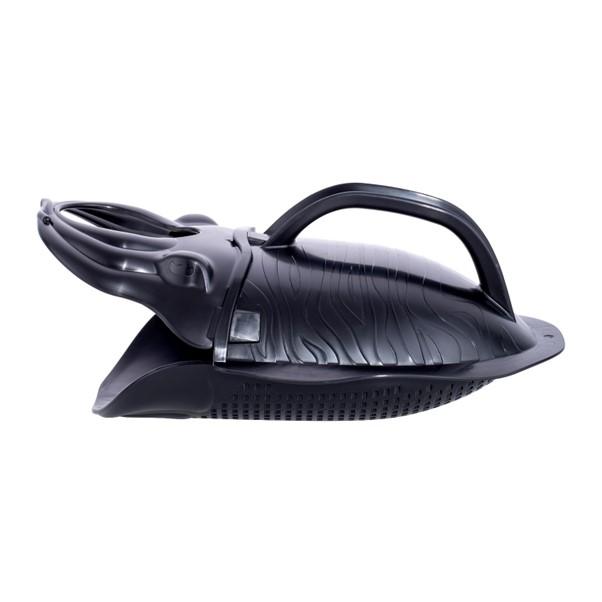 Scuttle the Cuttle
Scuttle the Cuttle is no different as it is made from recycled ropes sourced from the fishing industry. This is in keeping with the company’s marine conservation credentials.
“It is an example of the circular economy in action – transforming waste into tools that help us recover even more waste,” said Thompson about the movement to reduce environmental impact, educate and empower the next generation.
Scuttle the Cuttle is an all-in-one beach-cleaning ‘toy’, shaped like a cuttlefish, combining the function of a scoop, bucket and sieve. It is designed without small parts that can get lost in the sand.
“And when its work is done, it can also be fully recycled,” said Thompson, who has a long-standing relationship with Plymouth University, pioneers in microplastics research.
He intends to make Scuttle a symbol of environmental action for children worldwide, encouraging them to play an active role in cleaning the oceans.
“We often underestimate how much they understand,” Thompson continued.
“But they get it. They know it is their future. And when they are given tools and encouragement, they run with it.”
Seeing the children using Scuttle on the beach, where the idea was born, was most rewarding, he said.
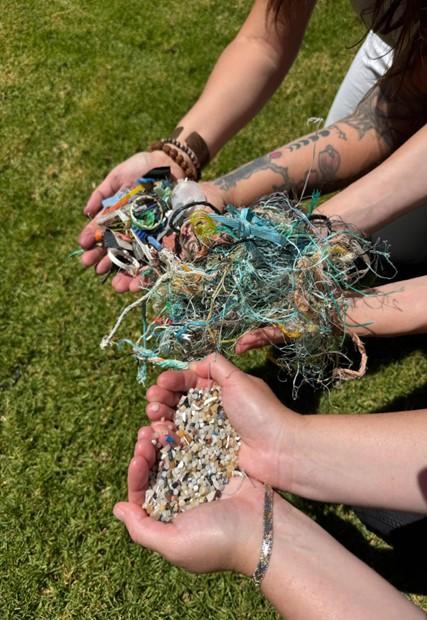 Different types of plastic collected by Scuttle.
“They were not just cleaning up plastic; they were having fun, asking questions about the impact of microplastics on marine life and how pollution travels across oceans; learning how small actions can make a big difference and how they could be part of the solution.”
Odyssey Innovation, which recently established operations in Malta, has spent the last decade turning marine waste into “meaningful” products.
“But the Scuttle journey has shown that, sometimes, the most powerful solutions are the ones that empower the youngest voices,” Thompson said.
The Cornwall company is now in talks with other schools and environmental organisations to replicate the school clean-up, with the goal being “a generation of young ocean defenders who believe that saving the seas can be fun, empowering and full of purpose.”
Thompson also recently introduced to Malta its campaign, Paddle for Plastic, which uses recycled plastic kayaks – “a tangible symbol of how waste can be transformed into a force for good” – and the new children’s tool to act against ocean plastic pollution.
The kayaks are used both for exploration and for recovering marine litter in otherwise unreachable coastal zones, Thompson said about the event that recovered a further 8,000 pieces of plastic in one morning.
Its Marine Regeneration and Net Regeneration recycling schemes operate across 42 fishing communities and collaborate with 23 NGOs to recycle beach-clean plastic and end-of-life fishing gear.
Another initiative in collaboration with Malta Fish Farms saw the two companies join forces to recycle 16,840kg of end-of-life fishing gear for a “more sustainable aquaculture industry”.
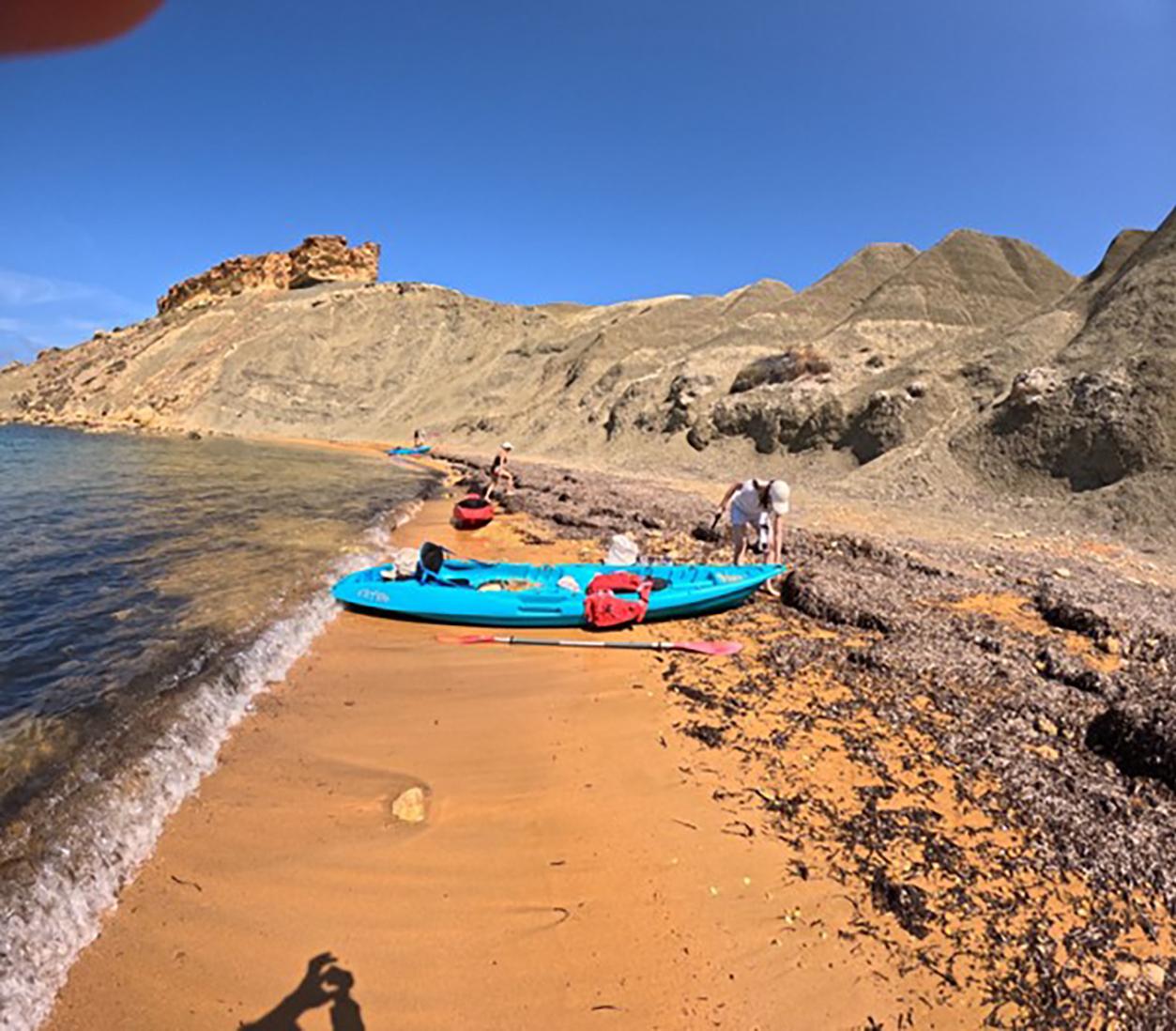 The Paddle for Plastic campaign
They shipped a 40-foot container with around 17 tons of used ropes from the MFF’s aquaculture operations for recycling as part of a commitment to environmental stewardship and circular economy practices.
The idea is that all end-of-life gear is responsibly disposed of and, wherever possible, recycled, said Thompson.
The company aims to replicate and expand its systems locally, to create practical, scalable recycling solutions for fishing gear and marine plastics.
“This initiative is just the beginning of a broader plan to ensure that Malta’s industries play a leading role in the global fight against ocean pollution, proving that waste, when approached with the right mindset, can be a powerful resource for change.”