Search for meaning in the sculpture of Mario Agius
Existential and spiritual concerns lie at the core of the sculptor's practice
In Journey, sculptor Mario Agius presents an exhibition that unfolds as a slow and meditative encounter with the human condition. His figures resist narrative clarity and stylistic excess, instead offering condensed forms that feel timeless and inward-looking.
As art critic Louis Laganà observes, these sculptures “are not descriptive bodies, nor are they symbolic in any straightforward sense” but, rather, “archetypal forms that feel immediately recognisable because they emerge from what Carl Gustav Jung described as the collective unconscious”.
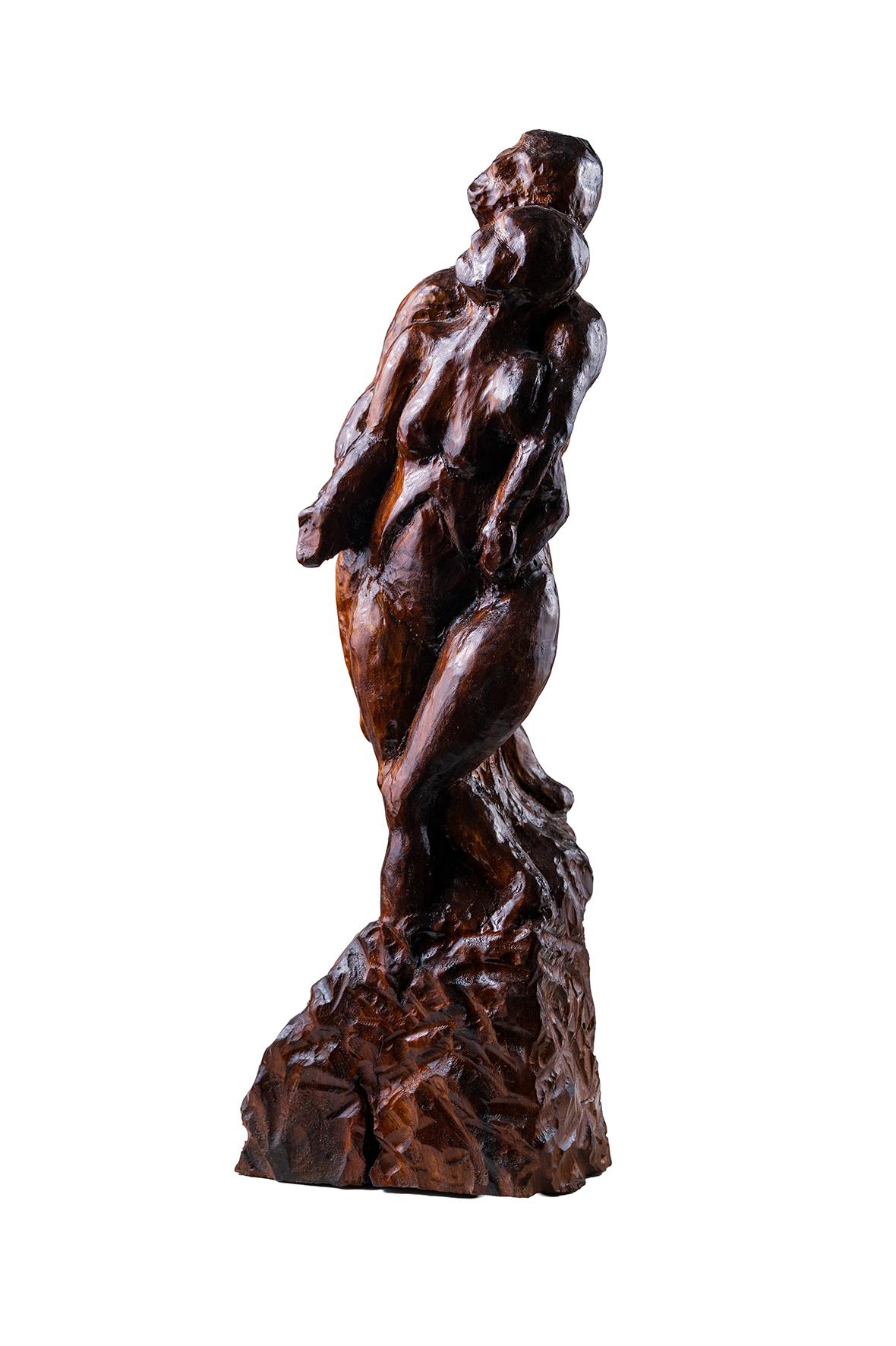 Lovers
According to Laganà, this sculptural language aligns with Jung’s understanding of archetypes as “primordial forms that recur across cultures, myths and artistic traditions, not as fixed symbols but as living images continually reshaped by context and material”.
Existential and spiritual concerns lie at the core of Agius’s practice, yet they are never expressed through overt religious iconography. Instead, they are embedded in posture, weight and silence.
“The human figure becomes an embodiment of duration itself,” writes Laganà, particularly in works such as Carrying Time and Minxur (Crucifix), where ageing, memory and lived experience are felt physically rather than symbolically. Time, he notes, is “pressed into the material and into the body that slowly emerges from it”.
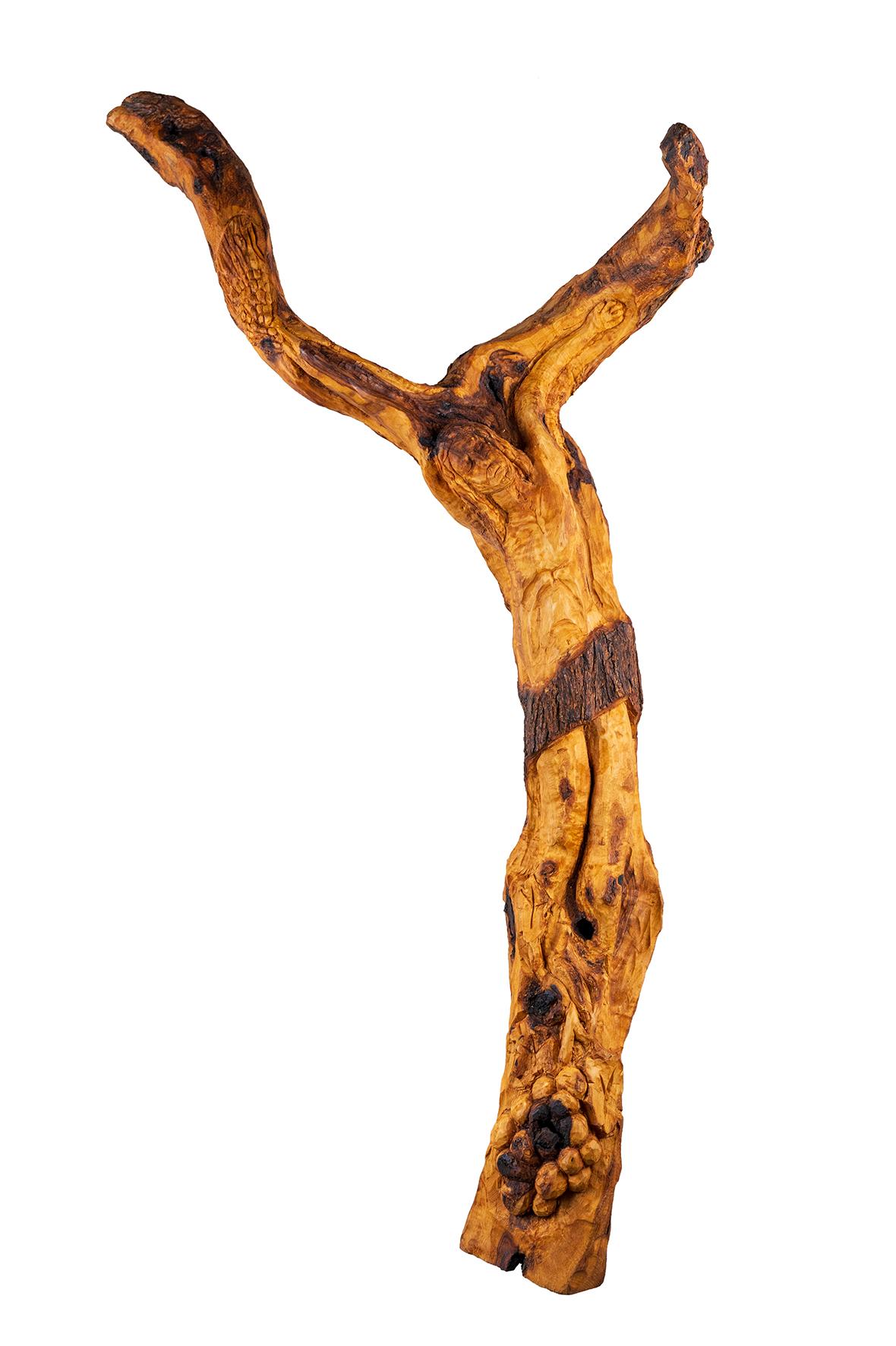 Minxur
This spiritual dimension is marked by a refusal of easy transcendence. Agius does not offer consolatory imagery or definitive answers. Rather, as Laganà explains, “he creates spaces of reflection in which the sacred is encountered through vulnerability, endurance and the quiet dignity of the human condition”. Fragility is not concealed but given form, responding to a contemporary hunger for depth beyond surface spectacle.
Material plays a central psychological role in this process. Working with olive wood, stone and weathered fragments, Agius allows cracks, knots and irregularities to remain visible.
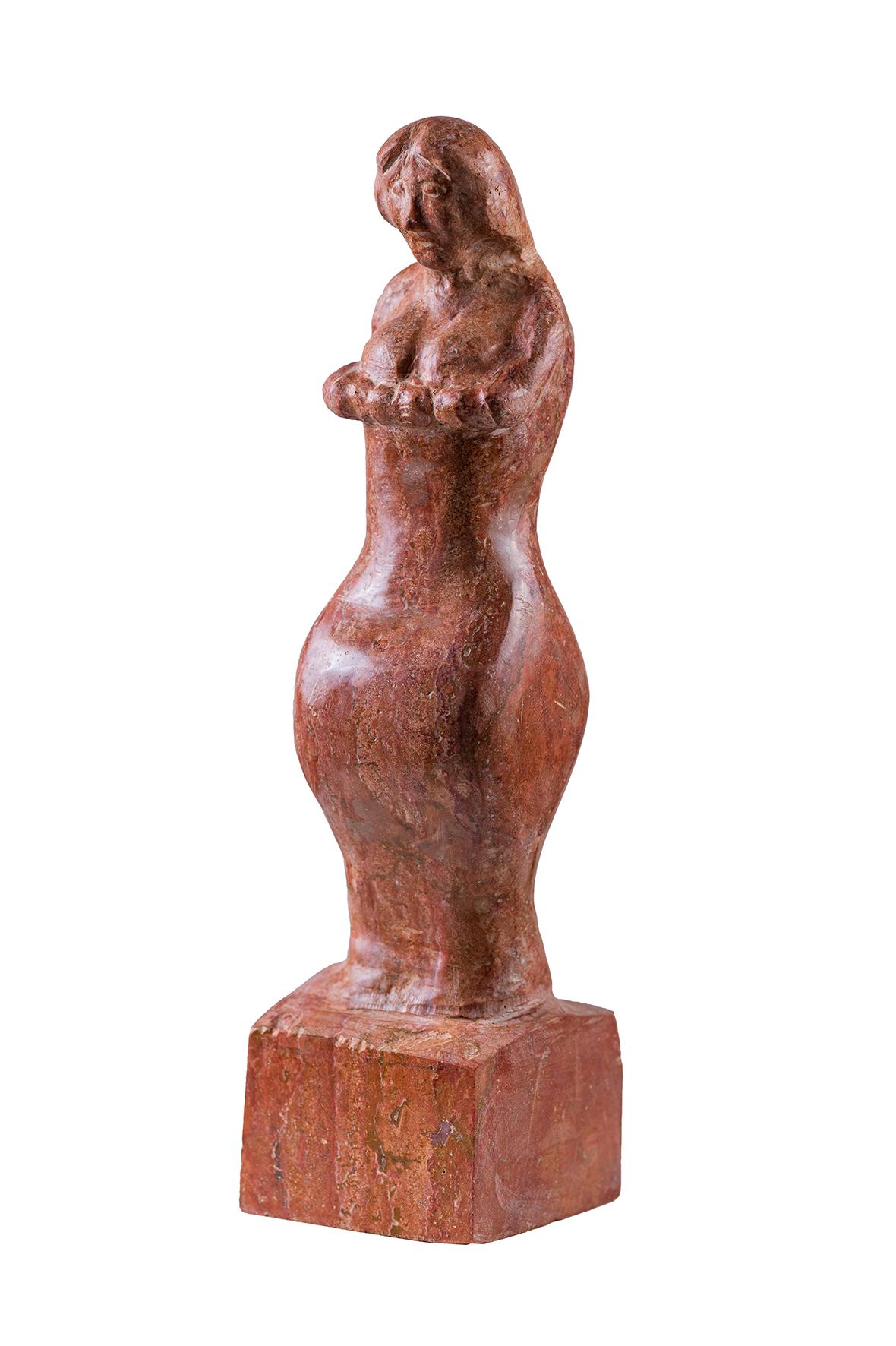 The Quiet Gaze
Laganà notes that these works appear “uncovered rather than imposed”, reinforcing the sense that the figure already exists within the material. This approach resonates with Jung’s notion that archetypes are revealed rather than invented, surfacing when unconscious content is allowed to shape form.
Several works in Journey may be read through this archetypal lens. Carrying Time, The Quiet Gaze and Calypso evoke recurring psychic images such as the wise old figure, the anima and the great feminine bound to landscape and enclosure.
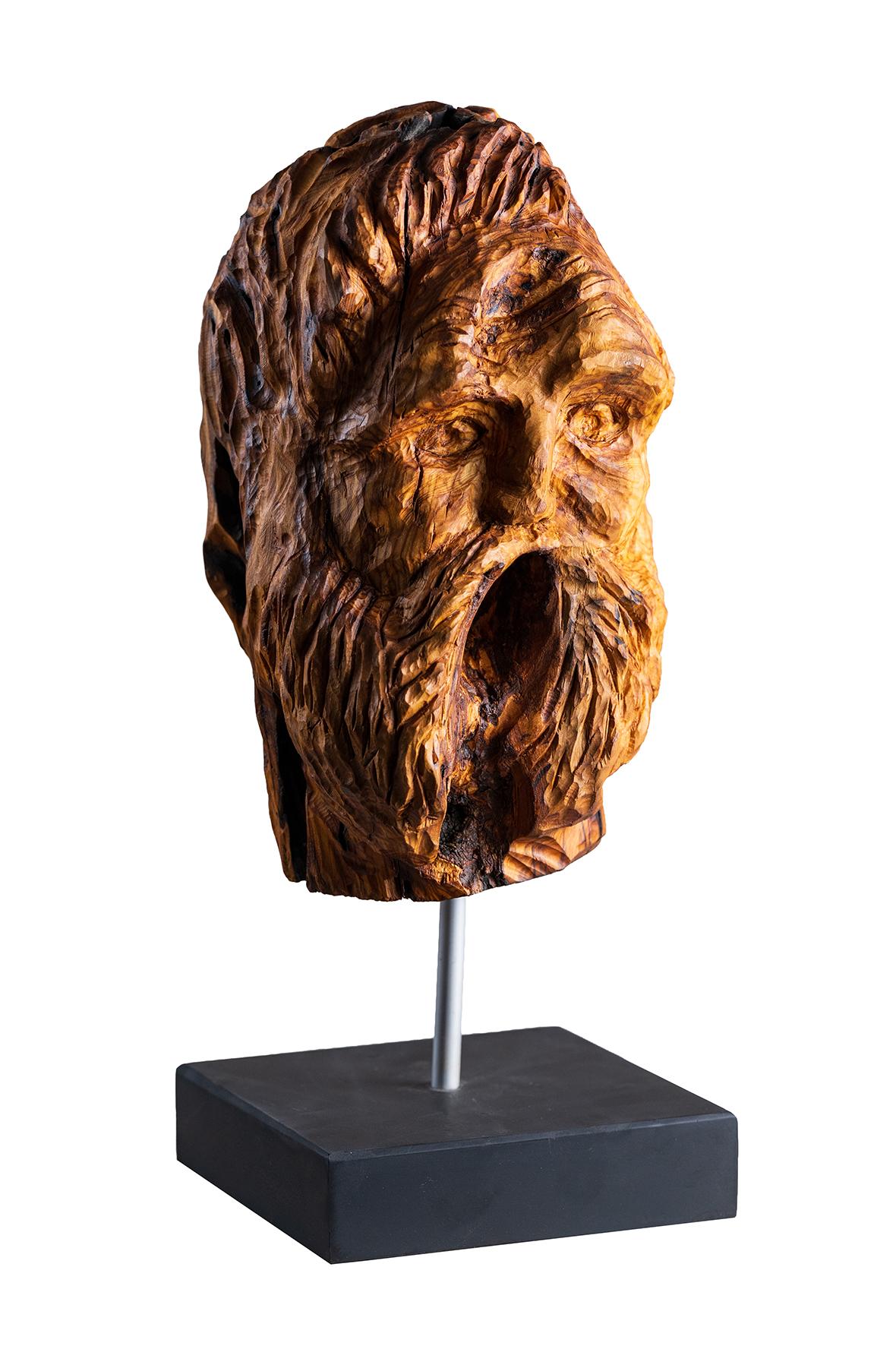 The Scream
In The Quiet Gaze, inwardness and containment dominate, while The Scream confronts the viewer with a raw yet restrained image of psychic rupture. By contrast, Lovers presents an archetypal image of union, “not romantic illustration”, writes Laganà, “but a restrained gesture of dialogue and wholeness”.
Journey by Mario Agius is on view at the Grand Hotel, Mġarr, Gozo, until February 8.