Sexual harassment has no place – online or offline
Digital harassment is often hidden, requiring strong policies, constant vigilance and a culture of zero tolerance
Violence against women and girls remains one of the most persistent and widespread human rights violations worldwide. Despite decades of awareness and progress, the level of abuse continues to be alarmingly high. According to the 2024 Eurostat–EIGE–FRA survey, 30.7% of women in the EU have experienced physical and/or sexual violence since the age of 15. This shows that gender-based violence continues to threaten women’s safety, dignity and equal participation in all areas of life.
Every year, the 16 Days of Activism against Gender-Based Violence, from November 25 to December 10, calls for global action to end violence against women.
This year’s theme, UNiTE to End Digital Violence Against All Women and Girls, highlighted a rapidly growing concern: abuse that follows women across both physical and digital spaces. Increasingly, harassment takes place through phones, messaging platforms, work tools and social media.
Digital technologies, including artificial intelligence, have created new and harmful forms of abuse such as deepfake pornography, image-based violence, cyberstalking and gendered disinformation. Research shows that 90–95% of deepfake content online is non-consensual pornography and nearly 90% features women.
These technologies reinforce misogynistic norms, amplify harm and expose women to ongoing risks with serious impacts on their mental health, public participation and equal opportunities.
Violence against women also significantly affects the world of work. Sexual harassment, in person and online, remains widespread yet often underestimated. The largest EU-wide survey shows that 30.8% of women have experienced sexual harassment at work in their lifetime.
The rate is even higher among young women aged 18–29, at 41.6%. In most cases, the perpetrator was a man; a colleague, a supervisor, or someone encountered through work such as a client or customer.
Despite this, 75% of women believe sexual harassment at work is uncommon, showing how often it remains hidden, dismissed or normalised.
Harassment can occur anywhere in the work environment behind closed doors, during business travel, at after-work events, through emails, messaging apps, videoconferencing or on professional social media.
Increasingly, harassment takes place through phones, messaging platforms, work tools and social media
With the rise of hybrid and remote work, digital harassment has increased. Around one in 10 women in the EU have experienced online harassment linked to their professional life. Though less visible, the effects are significant: stress, anxiety, disrupted sleep, stalled careers, absenteeism and withdrawal from leadership opportunities.
As EIGE director Carlien Scheele notes: “This is both a workplace safety issue and, because it predominantly affects women, a gender equality issue.”
Sexual harassment undermines careers, damages well-being and limits women’s full participation in the labour market.
At EU level, important steps are being taken. The EU directive on combating violence against women (2024) criminalises online harassment, cyberstalking and the non-consensual sharing of images. Moreover, the EU Gender Equality Strategy 2020–2025 calls for eliminating all forms of gender-based violence, including workplace and digital abuse.
These measures place responsibility on employers, public authorities, digital platforms and society to ensure that women can work and participate safely.
In Malta, the National Commission for the Promotion of Equality plays a key role in addressing sexual harassment at the workplace. The NCPE investigates complaints, provides support and guidance to victims, offers training on recognising and preventing harassment, assists organisations in creating sexual harassment policies and carries out awareness campaigns encouraging victims to come forward.
Education and continuous awareness are essential.
Digital harassment is often hidden, requiring strong policies, constant vigilance and a culture of zero tolerance.
Whether behind closed doors, in meeting rooms, during business trips or in online chats – sexual harassment has no place in the world of work. A workplace should be where people build their futures.
It must always be a space of safety, dignity and equal opportunity.
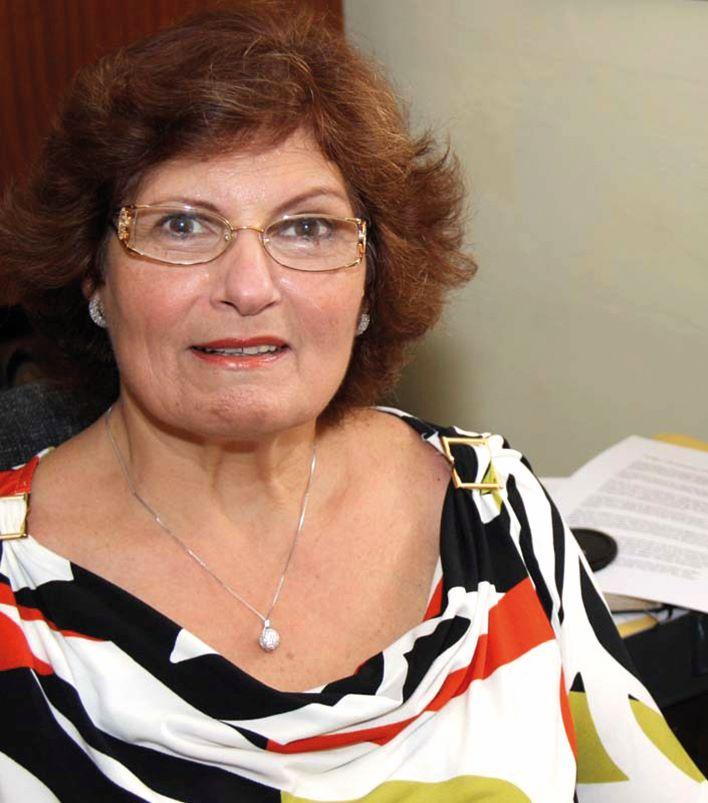
Renee Laiviera is commissioner of the National Commission for the Promotion of Equality.