Siġġiewi: petitions and more
Inquisitor Mgr Pietro Dusina’s observations of the village, and summaries of suppliche (petitions) submitted to the Order from some of its residents
In February 1575, Mgr Pietro Dusina visited the village of Siġġiewi (Sigeu, Sigeui), accompanied by Don Antonio Bartolo and the Dominican friar Damiano Taliana. The name Siġġiewi already appears recorded in 1413.
On arrival, parish priest Fr Jacobus Calleja met them and showed them around.
Fr Calleja (1522-1587), kappillan of Siġġiewi, a native of the village, claims the distinction of being possibly the most turbulent ecclesiastic of those exceptionally turbulent times.
When posted to Birkirkara, he feuded repeatedly on money matters with the parish priest Dun Giovanni Matteo Camilleri, who, in August 1557, was found murdered in a well next to the parish church. His relatives openly and loudly named Don Jacobus as the murderer.
Transferred to Żebbuġ, Calleja earned a reputation for haughtiness. He strutted around wearing a conspicuous gold chain round his neck. Pietro Pace accused him publicly of living with a concubine, who eventually had to sneak to Sicily to give birth to his child. Pace ended exiled in Gozo and fined 150 scudi for alleged defamation, but those rumours only increased. In 1574, Vincenzo Ciantar derided the parish priest of Siġġiewi for roaming the streets at night dressed in women’s clothes.
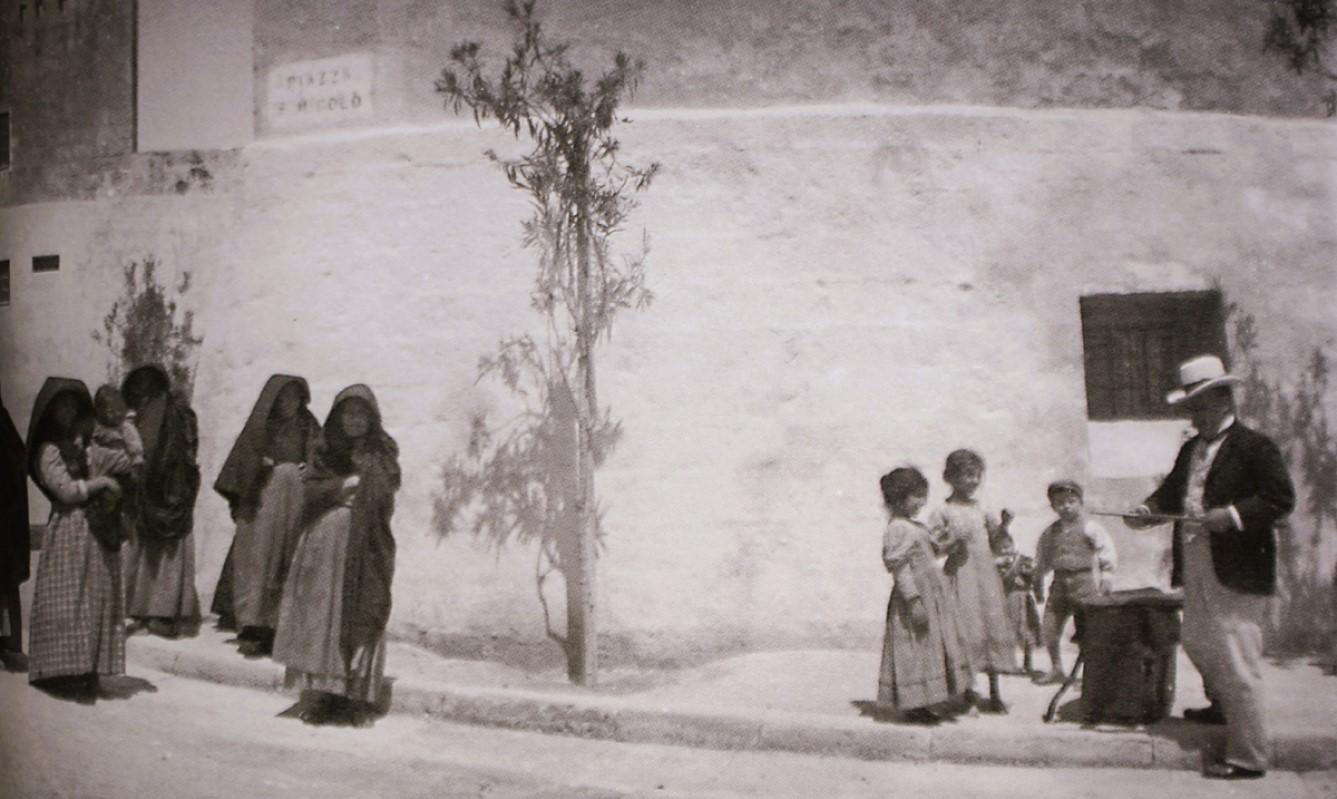 The main square, c.1900, by Richard Ellis.
After the visit, Dusina compiled a long and detailed report of his findings in the small conurbation and its satellites – Casal Sciluch, Hal Chibir and Hal Coder (but Hal Qdieri). He counted 220 houses in the main village and 56 in the satellite hamlets but left the number of inhabitants blank. Villagers enjoyed exceptional longevity, with several living to be centenarians – one aged 108 still tottered when Dusina visited.
Besides the parish church of St Nicholas, Dusina listed and described in some detail some 30 other churches in Siġġiewi, their devotions and confraternities. This staggering proportion of holy edifices concentrated in one diminutive area has not been studied or explained so far. Dusina, well versed in ecclesiastical terms, always refers to them as ecclesias, churches, not as chapels, shrines or oratories, which he would have called cappella, aedicula, oratorium or sacellum.
This staggering proportion of holy edifices concentrated in one diminutive area has not been studied or explained so far
Admittedly, his interminable list includes churches consecrated but in a poor state, some lacking wooden doors, proper flooring, elementary ritual accessories or furnishings and any source of income. Dusina ordered several of them to be deconsecrated.
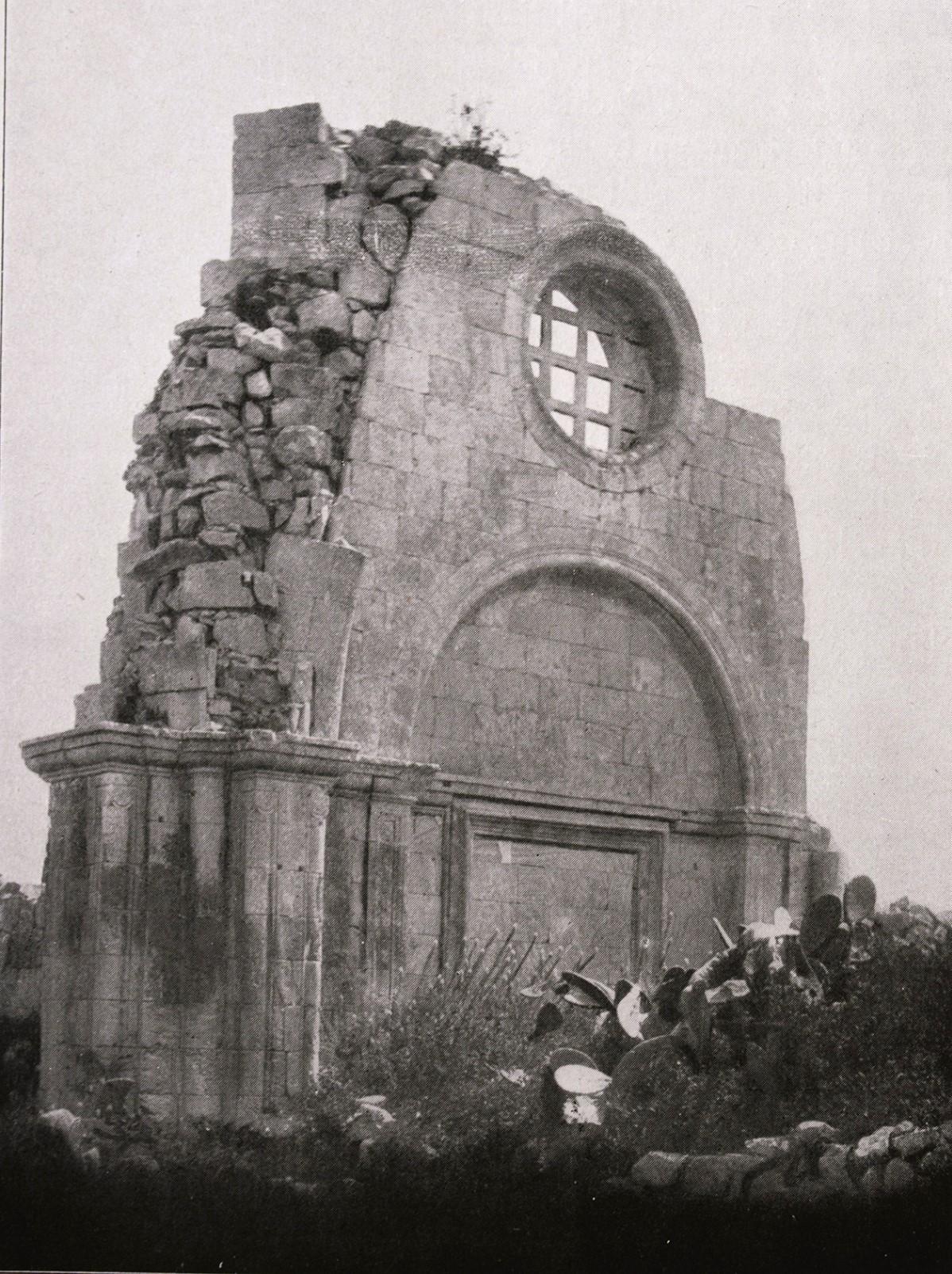 Ruins of the old parish church in a 1920s photograph.
The relevance of suppliche (petitions) to Malta’s microhistory has been referred to in various previous contributions – petitions by medical practitioners, from Gozo, and from Birkirkara.
Today I will focus on petitions from Siġġiewi. In truth, over many years after suppliche started being filed and bound together in 1603, and the end of the Order’s rule, 1798, disappointingly I came across only few Siġġiewi ones.
Another major issue frustrates the researcher: their legibility. The greater majority stick to Italian, but the handwriting often remains disturbingly challenging. I apologise in advance for any misreading.
Sorcery and witchcraft occasionally spread to Siġġiewi. In 1599, Margherita Psaila felt possessed by evil spirits that had colonised her body through the machinations of a black slave Joanna, instigated by Agatha, figlia di ghergem, both of whom had acquired malignant powers by pledging their soul to Satan. Margherita resorted to two exorcists, both of whom confirmed her possession by the devil.
The very first Siġġiewi petition is by a woman, and is also the second one ever filed and bound – only Giovanni Vella preceded her. Dominica DeManuele describes herself as genitrice – mother – and povera donna che non ha casa da poter habitare – poor and homeless. In September 1603, Dominica pleaded to Alof de Wignacourt that a casetta in Siġġiewi be recognised as her property.
Twelve years later, Luca Zahra, also from Siġġiewi, filed a long petition with a recurrent sob story – how providing dowries to enable three daughters to find a husband had bankrupted him, his wife and his four other children, and he now faced destitution. He petitioned to be allotted some public land in the village.
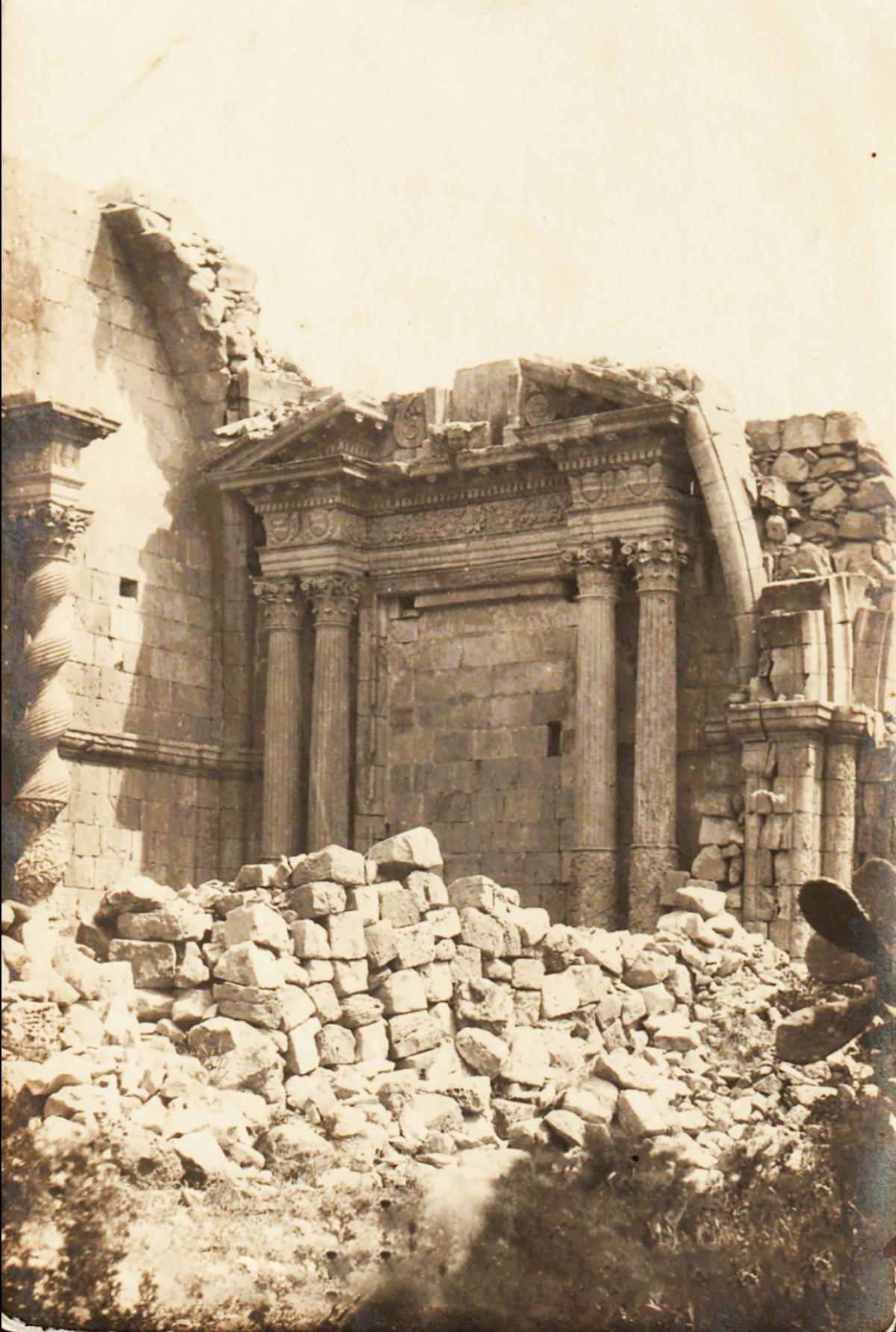 Another photo showing the old parish church in ruins.
Another married woman from Siġġiewi, 52-year-old Caterina Buttigieg, in the vortex of a torrid affair with a much younger toyboy, in 1617 discovered he was about to get married. She lost it and resorted to a gypsy palm reader. This brought her to the attention of the Inquisition, and she was charged with sorcery.
In 1633, Francesco Camilleri reminds Antoine de Paule that since the beginning of his rule 10 years earlier, he had served in the Order’s falconry and had travelled to France with the knights who presented falcons to Louis XIV, the most Christian king of France, as part of his job. Camilleri petitions for a piazza (pension?), like the guardian of the Manderaggio received yearly out of the dues paid by the boats. Is it a coincidence that the only modern falconry in Malta happens to be in Siġġiewi?
Francesco Vassallo from Siġġiewi, son of the late Domenico, in 1681 informs Gregorio Caraffa, the sovereign prince, that for many years Mario Mamo had served as ensign of the village infantry. Mamo was now 65, and Vassallo petitions to be appointed in his stead, undertaking to act “to the entire satisfaction of the public”.
Villagers enjoyed exceptional longevity, with several living to be centenarians
The Mamos must have been prominent in Siġġiewi. Much earlier, in 1601, Benedetto Mamo, titled Onorevole, had informed the Inquisitor that his teenage niece Catherinella, who lived with him, craved to join a convent, but her father would not hear of it and was obstructing her vocation.
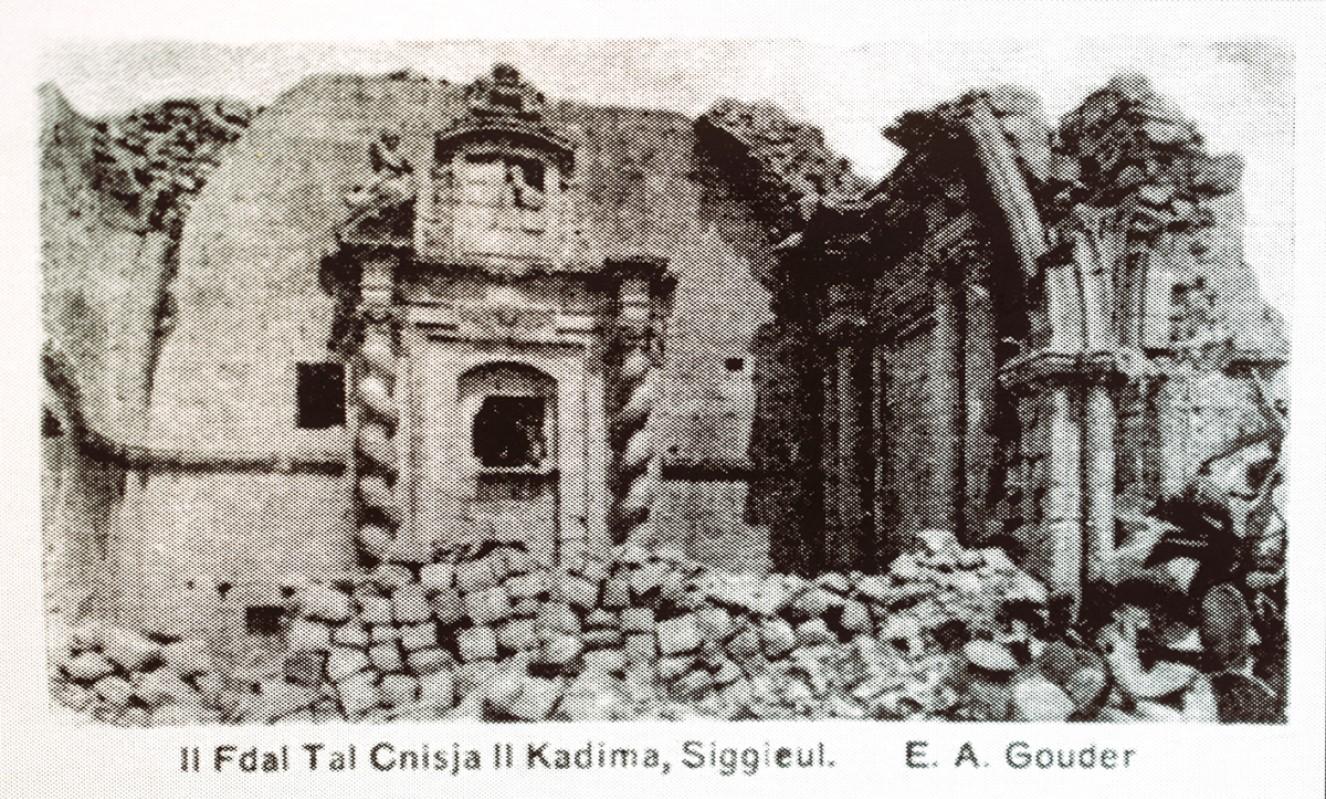 Remains of the old parish church in a Scerri cigarette card by Edward Alfred Gouder.
Mastru Salvo Zimech, from Siġġiewi, in late 1727, filed two consecutive petitions to Manoel de Vilhena. He qualifies himself as a fabrilignaio by profession, archaic for carpenter. Zimech has a complicated story. Days previously he had been ordered to pay five scudi as a penalty, a request baseless at law since never in his life had he been condemned to pay it, though six years earlier he had been sued (?) for that penalty, but had been absolved.
Zimech called on two Grand Crosses of the Order to witnesses the truth – Balis Chenau and Chabrillian. He was referring to a relative of Fra Jacques Chenu de Bellay, Bali of Armenia, who built the Liesse church facing Grand Harbour, and to the impossibly wealthy Fra Bertrand de Moretton Chabrillan. From the Castellania, the criminal court and prison, Zimech pleaded for justice.
Shortly later, Zimech filed another supplica in which he mentions that he had donated half his immoveable property as dowry to his daughter. He now possessed very little, but notwithstanding his penury, he was being molested again. He petitioned the prince to put an end to this.
The last petition from Siġġiewi I identified, dates to 50 years later, 1788. In it, Nicolò Azzopardi petitions Prince Emmanuel de Rohan, to be authorised to draw up contracts instead of two notaries – Michel Angelo Saliba, active from 1745 to 1793, known to have practised as a notary in Siġġiewi, and Vincenzo Castiglion(e), active 1786 to 1793, first married to Rosa Conti and later to Elizabetta Zammit. He practised his profession in Valletta.
This substitution of a non-professional ‘notary’ to a law graduate and qualified professional appears rather frequently in the later years of the Order’s rule.
Acknowledgements
Thanks to Carmel Cassar, Jeremy Debono, Marco Farrugia and Theresa Vella for their unstinting assistance.