St Paul's Catacombs in Rabat recognised with European heritage award
The site has been used for Jewish, Christian and polytheistic burials since as far back as the 4th Century BC
The St Paul’s Catacombs in Rabat have been awarded a European Heritage Label recognising the site’s contribution to European history.
The site is thought to be the earliest and largest Christian archaeological site in Malta, dating back as far as the 4th Century BC, according to Heritage Malta.
The catacombs also served as a cemetery in the Punic, Roman and Byzantine eras and represent the largest burial site from the classical period in Malta, the culture ministry noted in a statement announcing the recognition.
The ministry noted that the catacombs were used for Jewish, Christian and polytheistic burials, “offering some of the earliest material evidence in Europe of religious coexistence, diversity and freedom of belief”.
Its submission was among proposals from 15 countries.
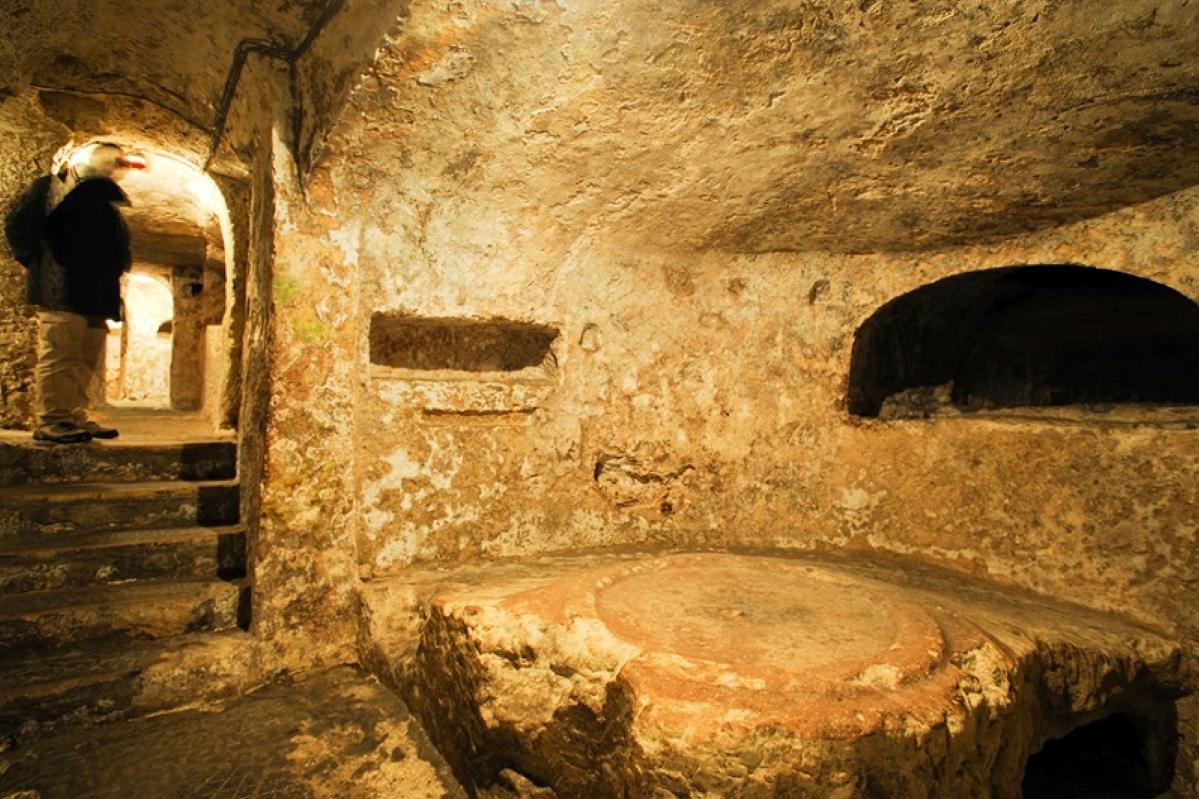 Photo: DOI.
Describing European Heritage Label sites as “milestones in the creation of today’s Europe”, the European Commission notes that awarded sites “celebrate and symbolise European ideals, values, history and integration”.
The awards date back to 2013, focusing on education, outreach and awareness of European historical diversity, the commission notes on its website.
The ministry said that in its submission for consideration, Heritage Malta had made changes to the site’s visitor centre, updated the exhibition spaces, created an “interpretation pavilion” and excavation area for children and youths and expanded the language options available for the catacombs’ audio guide.
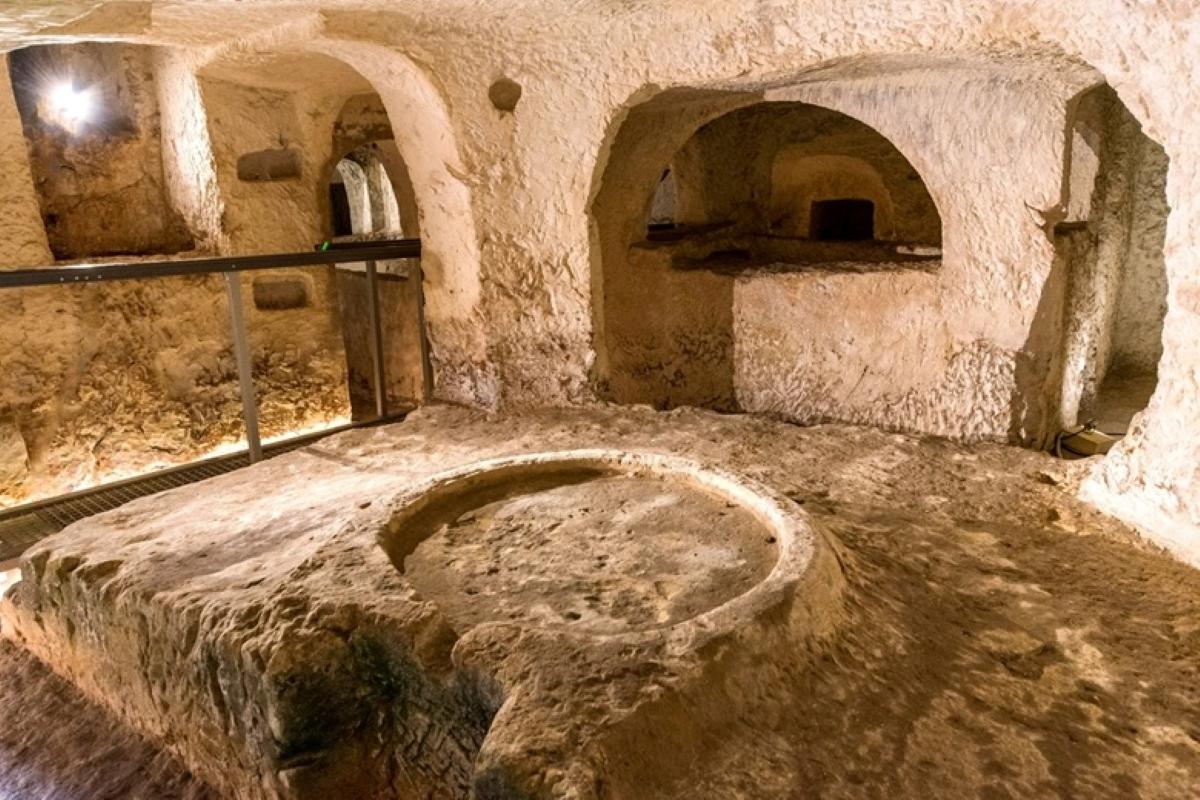 Photo: DOI.
Culture Minister Owen Bonnici said the recognition showed how “deep and significant Malta’s history is”, while European Commissioner Glen Micallef emphasised that such sites “remind us that Europe’s future has its roots in its shared past”.
Heritage Malta CEO Noel Zammit said the recognition strengthened the organisation’s participation in European Heritage Days and International Museum Day and the catacomb’s place on the country's UNESCO Tentative List – of sites vying for World Heritage status – “placing the site on Europe’s cultural map for present and future generations”.
Other sites awarded the label this year include Provadia-Solnitsata in Bulgaria – Europe’s oldest salt production centre and prehistoric urban centre – the Lapedo Child in Portugal, a rare example of a European Palaeolithic child burial site and the Styrian Armoury in Austria, the largest preserved historic armoury in the world.