Stateless in Tripoli: the Maltese trapped between Britain and Italy
“I am a Maltese of British nationality” – study on early 20th-century diaspora shows Maltese children in Libya became stateless
Hundreds of ‘illegitimate’ Maltese children became stateless and an alien minority in 1920s Libya due to a clash of marriage laws, a study on the Maltese diaspora at the time has shown.
It sheds light on the legal limbo faced by a generation of Maltese in Tripoli caught between British loyalty and Italian rule, as Anglo-Italian disputes over citizenship and legitimacy brewed.
Ethnically Maltese, culturally Italian and politically British, they were trapped between two legal systems, according to Mario Xuereb, who recently delivered a public lecture on the subject as part of the National Library Series, Collective Memories of an Island, in honour of Prof. Henry Frendo.
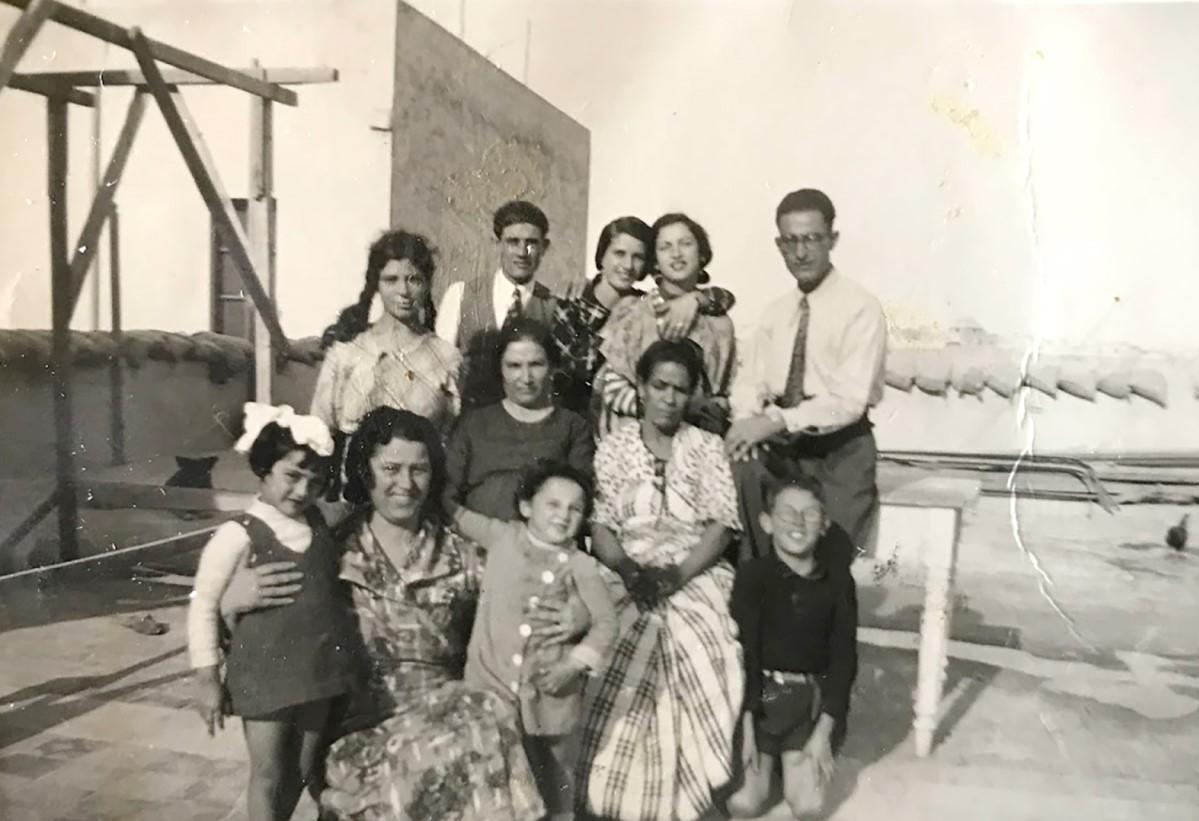 The Cassars on the roof of their family home in Tripoli, 1930s. Young Giovanna Cassar is the little girl with the pinafore in the front row. Photo: Family archive
“The story of the Maltese Tripolini (as they were known) is not just history – it is a mirror,” he said. “It reflects today’s conversations about migration, statelessness and belonging in a world still learning how to live with layered identities.”
A community that was often overlooked, the Maltese of Tripoli reveal much about identity, colonialism and belonging, said Xuereb, the Malta Business Bureau’s CEO with a 25-year career in media and journalism.
If you were a Maltese Tripolino, between British Malta and Italian Libya, speaking Maltese and living in Libya, would you have integrated, clung to Britishness, or embraced italianità, Xuereb asks.
“Io sono maltese di nazionalità britannica (I am a Maltese of British nationality)”, was the loaded answer of one Maltese migrant in Tripoli, Emilio Carabot.
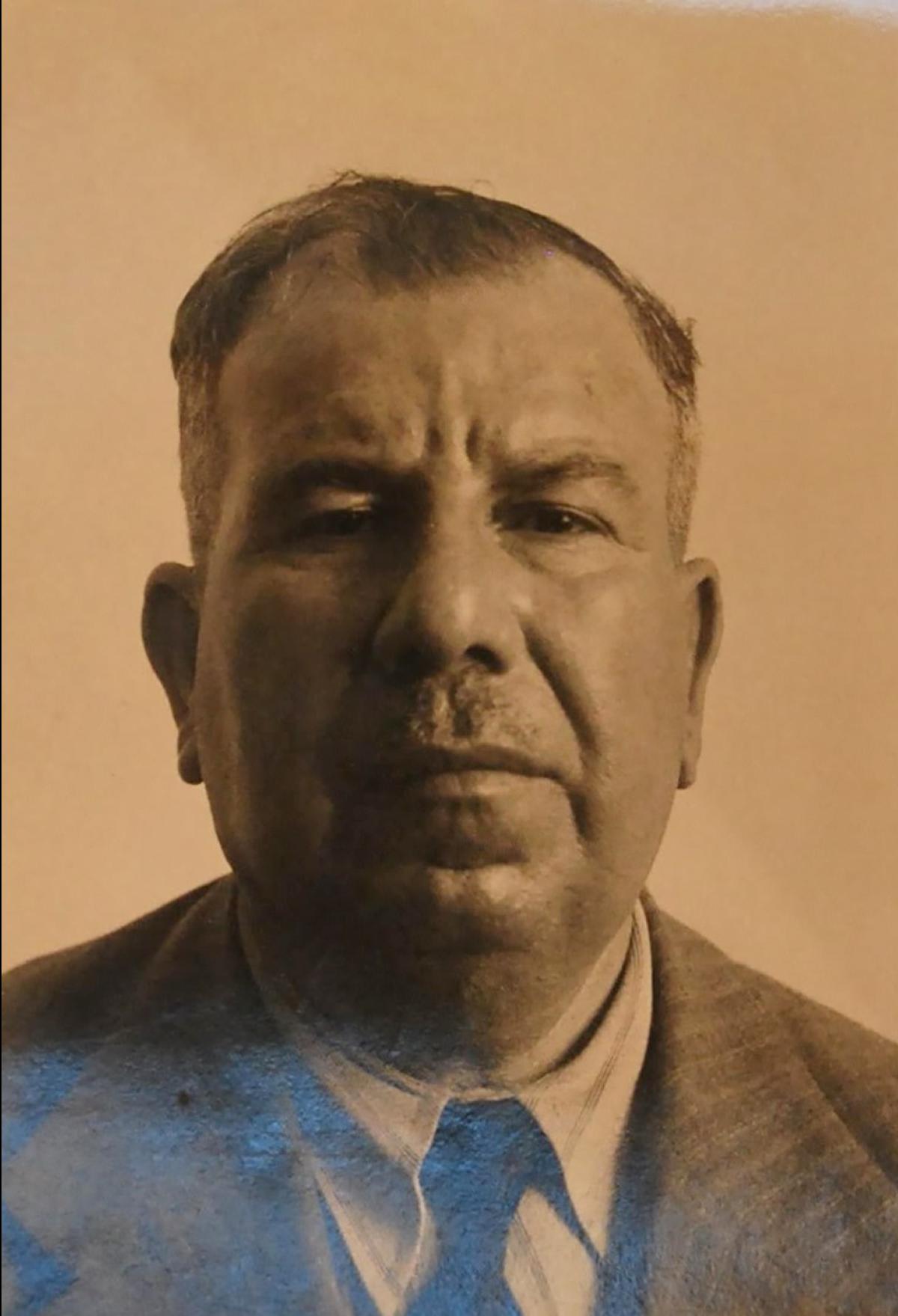 Emilio Carabot: ‘Io sono maltese di nazionalitá britannica’, Archivio Centrale dello Stato. Photo: Andrea Giuseppini
“His identity was sincere, but the world around him refused to recognise its complexity,” Xuereb highlights.
Addressing British Malta’s First Minister in 1933, Carabot’s statement reveals the hybridity of the Maltese Tripolini “imagined identity”.
The use of Italian to express himself sheds light on a community of Maltese migrants who had to balance their attachment to Malta and their Italian heritage while claiming Britishness out of self-interest, all the while resisting assimilation by a colonial power. Titled ‘Io sono maltese di nazionalità britannica’: Expressions of Identity and the Maltese Diaspora in the Early 20th Century, the lecture is part of a doctoral degree Xuereb has pursued at the Institute for Maltese Studies.
It explains how the Maltese Tripolini youth, disowned by Britain and unclaimed by Italy, became effectively stateless.
His identity was sincere, but the world around him refused to recognise its complexity
Born out of wedlock
When the Italians introduced civil marriage law to Tripoli, the Maltese Tripolini opposed it – but not for theological reasons. They feared marrying under Italian law would compromise their status as British subjects, something they were proud of and wanted to retain at all costs, but which never really paid off, Xuereb argues.
Over 120 Maltese Tripolini couples ignored the new law. The result was that their children were later told they were not legitimate claimants to British subject status because they were born before their parents formalised their marriage according to the local laws, putting their paternity into question.
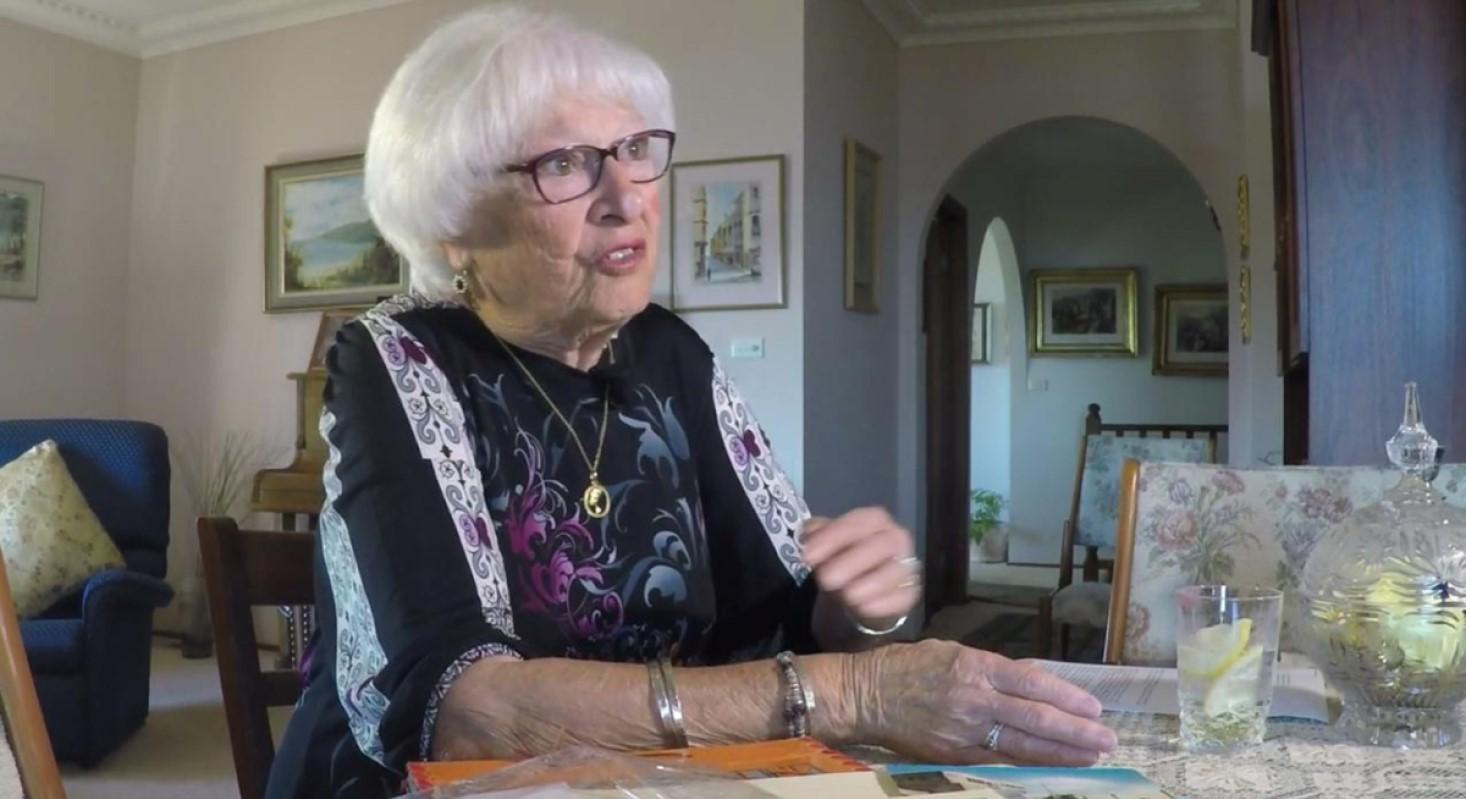 Giovanna Cassar, interviewed by Mario Xuereb in Melbourne, in 2018.
Following much haggling, it was decided that the position of the Maltese Tripolini could be regularised, and that it was better for them to formalise their marriages at the municipio according to Italian civil law.
This was to have no effect – or so they were given to believe – on their British subject status, Xuereb points out.
But once the parents had regularised their marriage civilly, the children were legitimised under Italian law and their paternity established – meaning Italian authorities could no longer claim them as Italian citizens.
On the other hand, the British insisted that since British subject parents bore children while not married according to local laws, British law could not assume their responsibility and afford them British subject status.
Hundreds of Maltese Tripolini youth remained unable to claim either Italian citizenship or British subject status.
“The problem here was that it was the British who would not recognise these offspring as legitimate claimants to British subject status – not the Italians,” Xuereb highlights.
The situation created social and emotional strain, leading to more serious consequences. The Maltese Tripolini youth were now liable for conscription in the Italian military.
Coming up with a plan
The Maltese Tripolini came up with a plan: sending their sons to Malta to claim British naturalisation by spending time in British Malta.
In 1936, the British Consulate noticed something irregular was going on. Suddenly passport applications spiked. It issued dozens of travel documents for stateless people accompanied by British subjects.
Young Maltese Tripolini were trying to leave Tripoli for Malta to legalise their status as British subjects.
Padre Diego Galdes, a Franciscan friar, was accused by the Italian colonial government of Libya of orchestrating the irregular re-migration of Maltese Tripolini youths to Malta to legalise their British status and was expelled from the country.
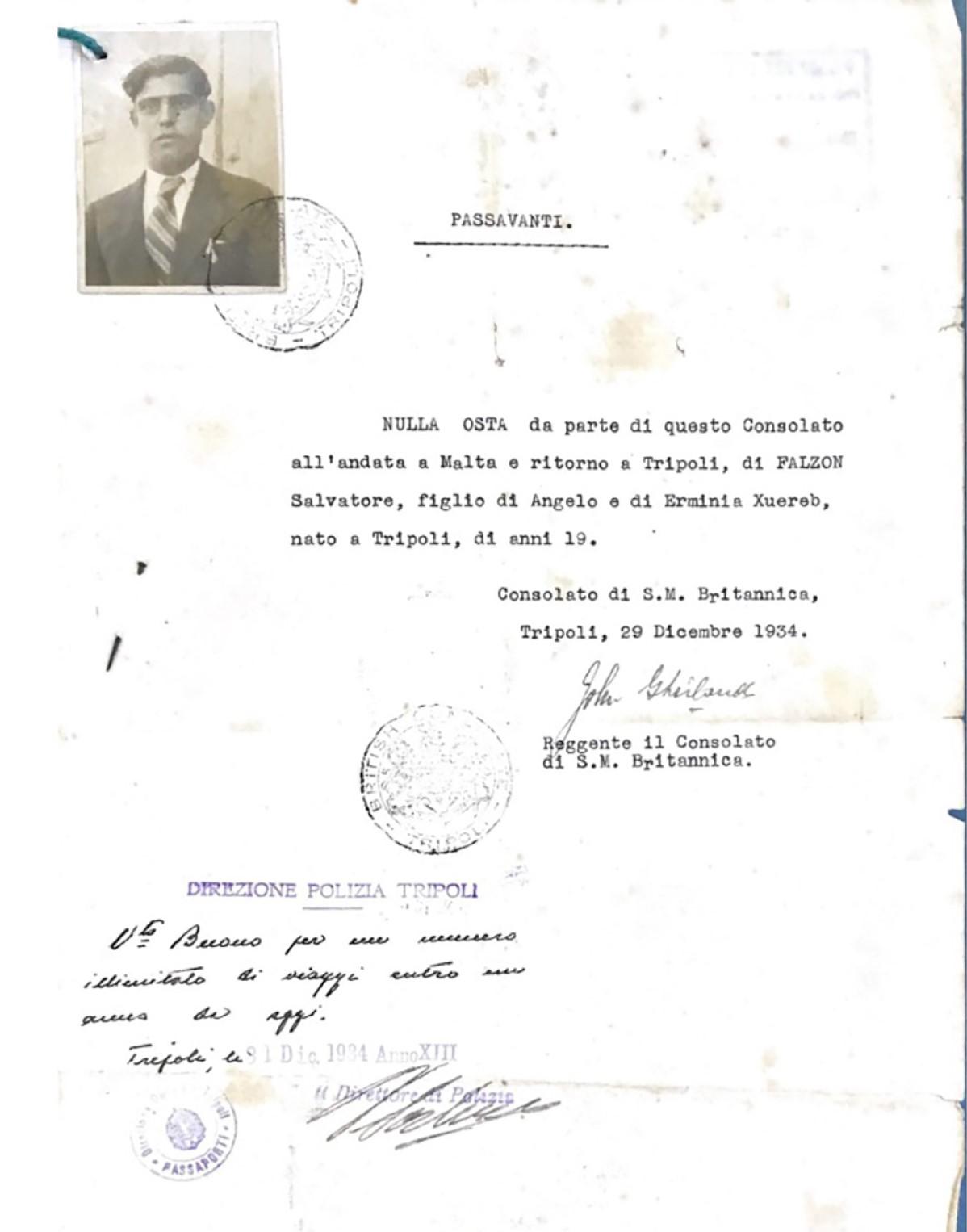 Passavanti issued by the British Consulate for Salvatore Falzon in 1934 and countersigned by the Italian Police in Tripoli. Photo: National Archives of Malta
Relegated to an alien minority
At the time, across the Mediterranean were small communities of Maltese migrants, claimants to British subject status, settled in Ottoman lands, protected by the British and guaranteed certain rights as British subjects – which they thought they would have when the territories fell into Italian or French hands.
The British also fostered the impression that British subject status would cushion the Maltese Tripolini in times of need. And they fell for it, Xuereb says. British subject status gave them expectations, but not necessarily protection.
When Italy invaded Ottoman Tripoli and Benghazi in 1911, the Maltese Tripolini expected to be allowed to go on with their lives as before, but instead, they felt relegated to an alien minority.
Maltese migrant communities had become disoriented or displaced, while clinging both to their Maltese nationality in the racial sense as well as to their British nationality, politically.
 Salvatore Falzon’s identity papers, issued by the British authorities in Malta in 1938, confirm that his national status went ‘undetermined’: stateless. Photo: National Archives, Malta
Why cling to Britishness?
The Maltese Tripolini’s attachment to Britain was not rooted in shared values, culture, religion or language. It provided economic security, and since Malta was British, the only way they could retain their link with their ancestral island was by seeking the protection of the power that controlled it, Xuereb explains.
But to enjoy full rights in the Italian colony of Libya, the Italians expected them to re-align with their italianità – and the Maltese Tripolini were not open to surrender their British subject status.
Quoting Harry Luke, British Malta’s second-in-command in the 1930s, in private conversations, Xuereb notes how he admitted the Tripoli Maltese clung to their British nationality to their own detriment, noticing they had little in common.
But Luke could not simply tell them to abandon their perceived Britishness and embrace italianità because admitting that they were incapable of protecting their own and also accepting that they would be better off as citizens of a rival power would have harmed the British image out there.
Over time, Italy imposed laws that required Italian citizenship for jobs, business licences, tenders or public sector roles, and the Maltese Tripolini felt the Italian colonial administration exerted influence over Italian employers to discourage hiring them and to dismiss those already employed.
The Maltese Tripolini alleged being excluded from emerging economic opportunities and targeted for discrimination.
While some complied with the new regulations, others refused to replace their allegiance to British Malta and many voiced their grievances, seeking the intervention of the British Consulate… which said it could not interfere.
Was clinging to Britishness worth it?
No, Xuereb concludes. They received little protection when it mattered most, while adopting positions that eroded the Italian colonial administration’s trust.
In the long term, British subject status did little to improve the condition of the Maltese Tripolini, Xuereb said. Instead, it marginalised them and made them heavily dependent on the British.
“The British themselves did not make it any easier for them to ‘decolonise’ their minds. They would never disclose the harsh reality that their cherished British subject status – so integral to their identity – could neither shield them from their current hardships nor secure their future.”
The price of British attachment
The experiences of some Maltese Tripolini who openly defied the Italians are testament to how they suffered during Italian colonial rule, under an authoritarian fascist regime.
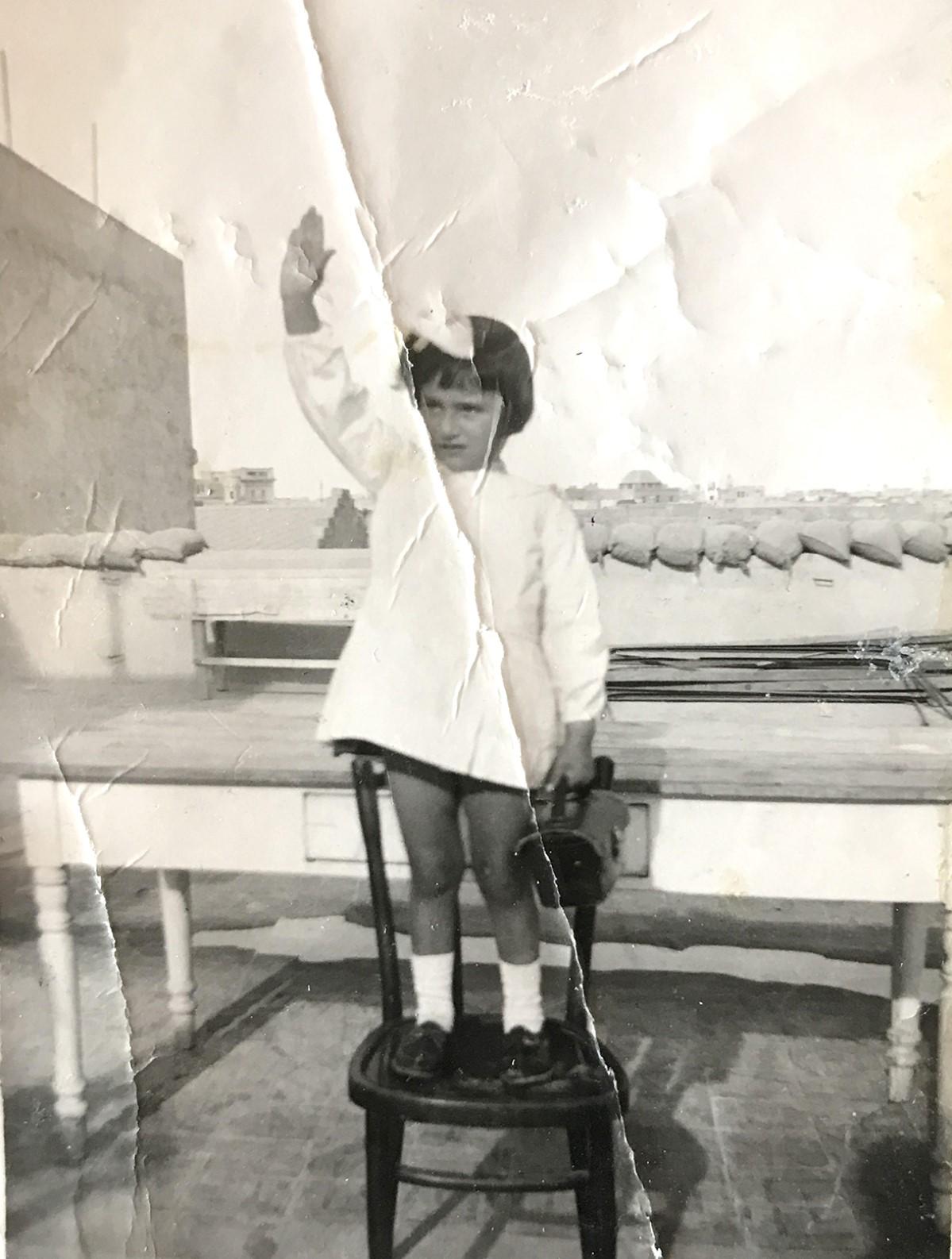 Peer pressure. Giovanna Cassar, unwillingly, performs the Roman salute in preparation for school. Photo: Family archive
Giovanna Cassar recalls being looked down upon by her Italian teachers and classmates simply for being Maltese and despite her elevated social standing.
“Her differences were spelt out in her face,” Xuereb notes. “Not being Italian but being a Maltese British subject resident of Tripoli did not help.”
Cassar says she still regrets having a photo taken of herself as a four-year-old caught in the act of performing the Roman salute. She may have been responding to peer pressure as she tried to fit in and gain acceptance from her classmates and teachers, Xuereb said.
In January 1936, Robert Ghirlando was returning to Tripoli from Tunis when he became involved in a dispute with a bus driver. He was allegedly overheard damning the fascist regime, was charged, summarily convicted, jailed and ultimately expelled. The police told him: “You could have avoided all this by turning Italian.”
Born in Malta, Carmelo Psaila migrated to Tripoli in the early 20th century and opened a barber’s shop on Suk El Turk where he spent his time hailing the British and criticising the Italians. He was followed, arrested, jailed and exiled.
In 1939, Benghazi-born Michele Ellul was expelled for passing on military intelligence to the British. Until his expulsion, he had never left Benghazi and could only speak Italian, Arabic, hardly any Maltese – and certainly not English.
If language is considered a key characteristic of identity, Ellul could hardly be called Maltese, let alone British, Xuereb said.
“Yet, he claimed British subject status and felt so bound to Britain through ancestry that he acted as a British informant rather than remaining uninvolved in an Italian colony.”