From station master’s home to butler’s quarters – and now an art gallery
The plan was to transform the old house into 120 square metres of open white space to showcase art in a functional way, says Maria McKenna
Its journey has run from station master’s residence to butler’s quarters, through years of abandonment, and now to a fresh terminus as an art gallery in Attard
Named Axis, because of its central location on the railway track between Valletta and Mdina, the building dates to 1903.
Its boundary wall sat on the embankment of the actual railway, said architect and lawyer Maria McKenna.
Originally belonging to Mabel Strickland, who lived in Villa Bologna next door, it was her butler’s residence, Central View Cottage, until the 1960s. So, the whole building housing the gallery has now been named The Butler’s House.
“It landed at a crossroads and remained unseen until it was seen,” said McKenna, one of three co-founders, who “injected private funding and optimised the space, opening it to the public”.
McKenna was driving by with her business partner from finishes contractor de Valier Co. Ltd, when they noticed the house in the prime site on Triq il-Linja in Attard, sandwiched between the prestigious Villa Bologna and the US ambassador’s residence, behind San Anton Palace and Gardens and other historical homes.
 Maria McKenna
“We immediately joked that it would make an ideal art gallery. But I was not really joking and wanted to pursue the idea,” said McKenna.
Three years ago, the house was purchased, and plans were set in motion to find similar properties and return them to the spotlight.
The Attard building had remained unsold because its “steep price tag did not match the market for residences” and could not be justified for a house that had fallen into disrepair, missed a garage and a pool, and would need an equally hefty cash injection for its rehabilitation, she said.
It had exposed pipes, dripping ceilings, no flooring and broken traditional stone slabs (xorok).
McKenna said she built a case for the change of use of the home to a semi-commercial space – from private to public use – in a residential priority area.
The plan was to transform the old house into 120 square metres of open white space to showcase art in a functional way.
“That has very specific requirements,” McKenna said. It was a fine line between making the space clean enough for art to stand out without making the restored property feel too clinical or letting the setting compete with the works.
The walls have now been covered in a heavy-duty lining that will take the weight of paintings, while services, including security systems, projectors and lighting, are hidden under the unsound traditional stone slab ceilings that were propped up by a steel mesh structure and covered in a coffered soffit.
Light streams through a large skylight in the stairwell; fire doors were incorporated, and other apertures closed for more hanging space.
She said a major hurdle was the “discouragement”, “scepticism”, “pedantic detail” and “inconsistency” of authorities.
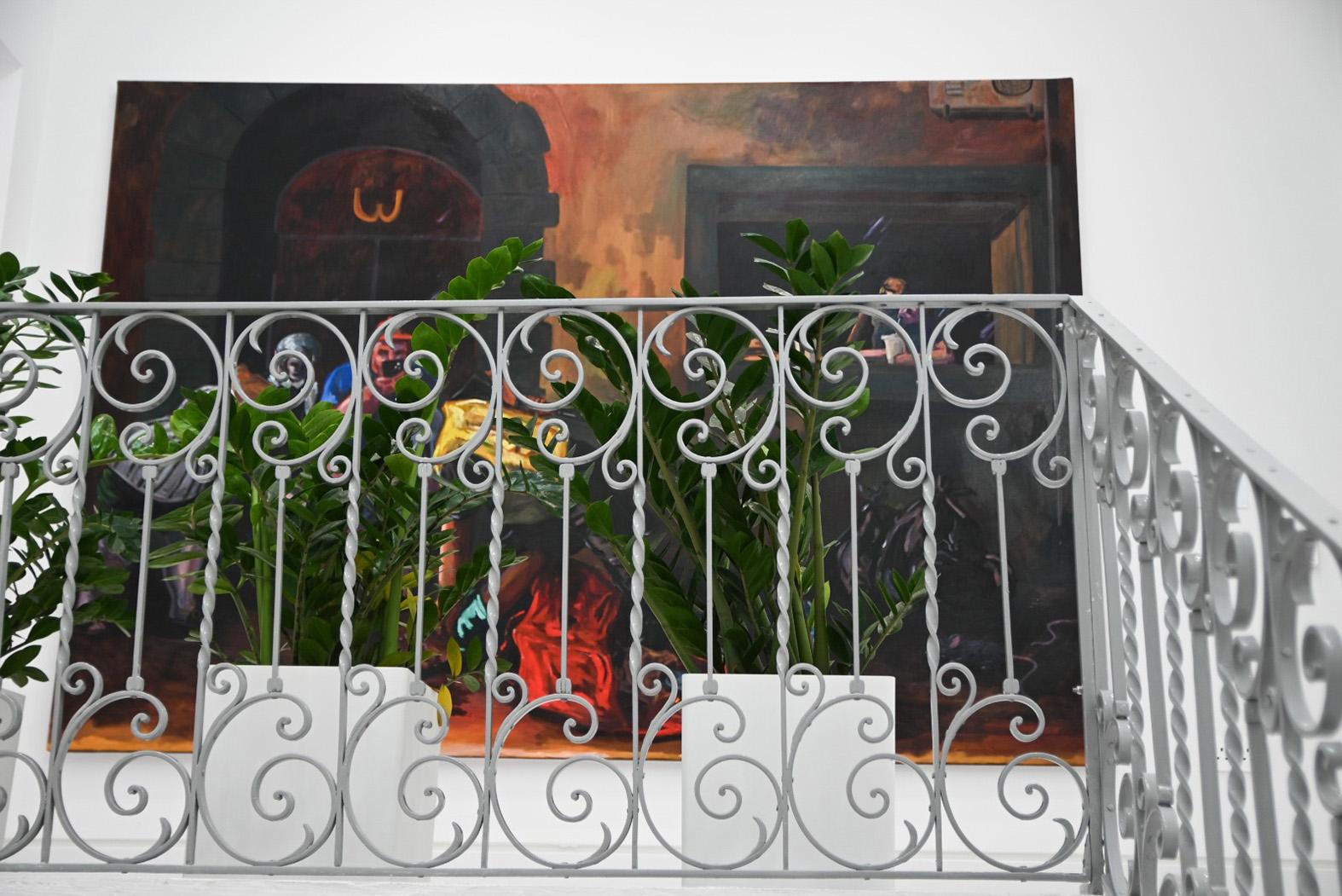 Art on display at the Axis exhibition space.
A protest against the industry
It was a decision to participate in the Malta Biennale 2026 that got the ball rolling, McKenna said.
“When our artistic proposal to put up an exhibition in the gallery was accepted before we had even started works, we had no choice but to complete the job in six months.
“It was a tight deadline; not ideal, but it set the goal… With my wild imagination, coupled with the design architect Marie Cassar and business partner contractor Mario Cassar’s know-how to execute, we could make things happen.”
The Butler’s House now also serves as the offices of de Valier Ventures, an offshoot company focused on restoration and business diversification into heritage and architecture, run by McKenna with a team of specialised architects.
“Hopefully, this project will mark the beginning of a series of others, including investing in historical unseen properties – not to build the usual boutique hotel, or as an exercise in façadism, whereby the frontage is kept and the rest demolished,” McKenna said.
The Butler’s House is the “flagship” project of this vision, which she refers to as a “protest” against the industry and its treatment of heritage buildings.
Hopefully, this project will mark the beginning of a series of others, including investing in historical unseen properties – not to build the usual boutique hotel, or as an exercise in façadism, whereby the frontage is kept and the rest demolished- Maria McKenna
The idea is to “save” them by attracting people to invest in them, noting a shift in mindset and adding that she already knew of buyers interested in more than just apartments.
She said de Valier already has its eye on another “fantastic” overlooked property, with plans to inject new life into it.
The Axis gallery, designed to fill a “big lacuna in platforms for contemporary art”, has engaged its own artistic director for its strategy, and is currently hosting the collective exhibition, Nothing is Clear, until mid-June.
While McKenna does not expect the project to be profitable in the first year, she believes it is possible to generate revenue – not just from selling art, but also by hosting events “with the same kind of soul”.
A sculptural landscape – “a fragmented amphitheatre” – is taking shape in the back garden for this purpose, designed for talks and workshops, set in “the charm of history that hugs you”, she said.
“We want this to be a space for the younger generations to socialise and network; be inspired and feed their minds.”
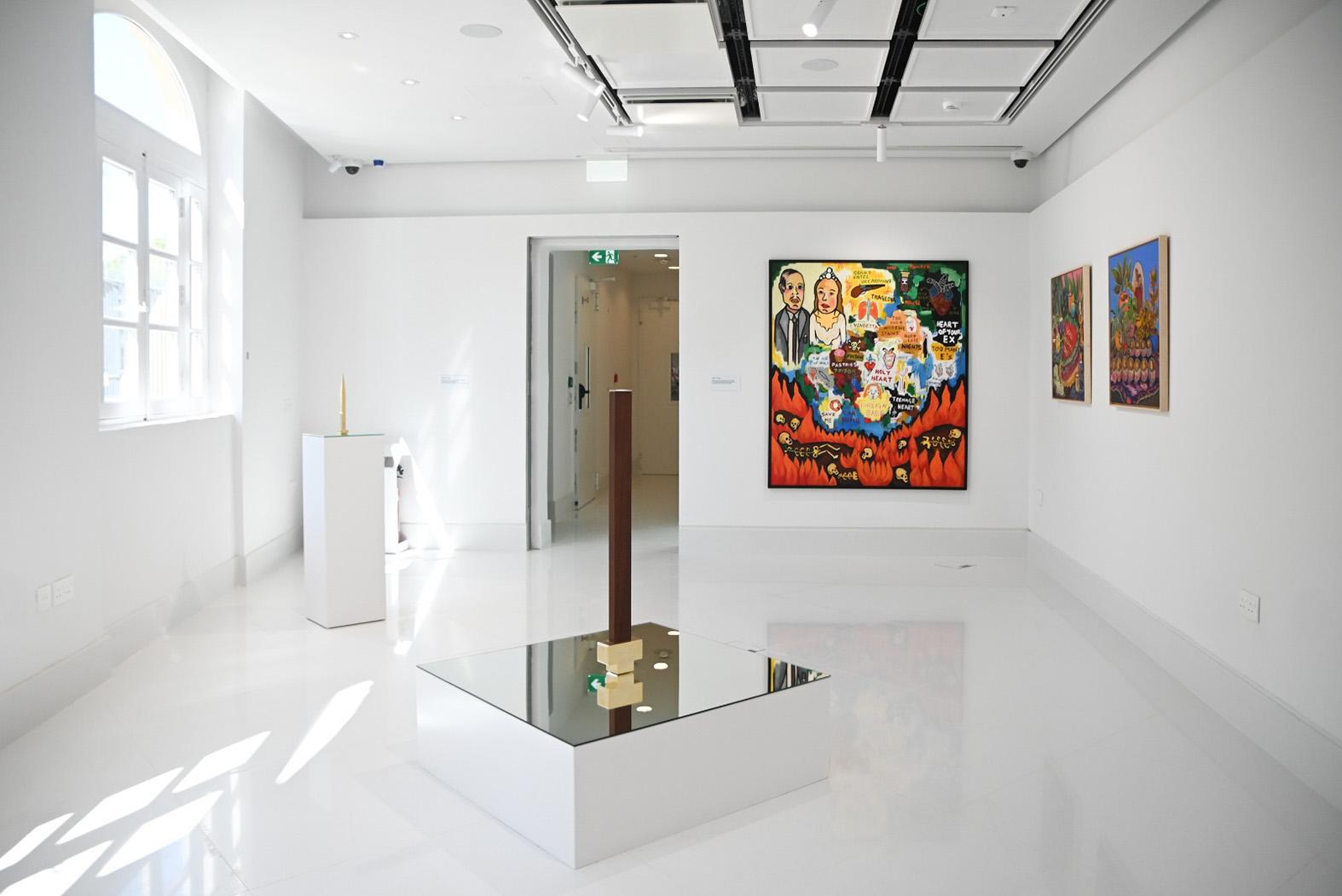
The 1903 house has been turned into a blank canvas.
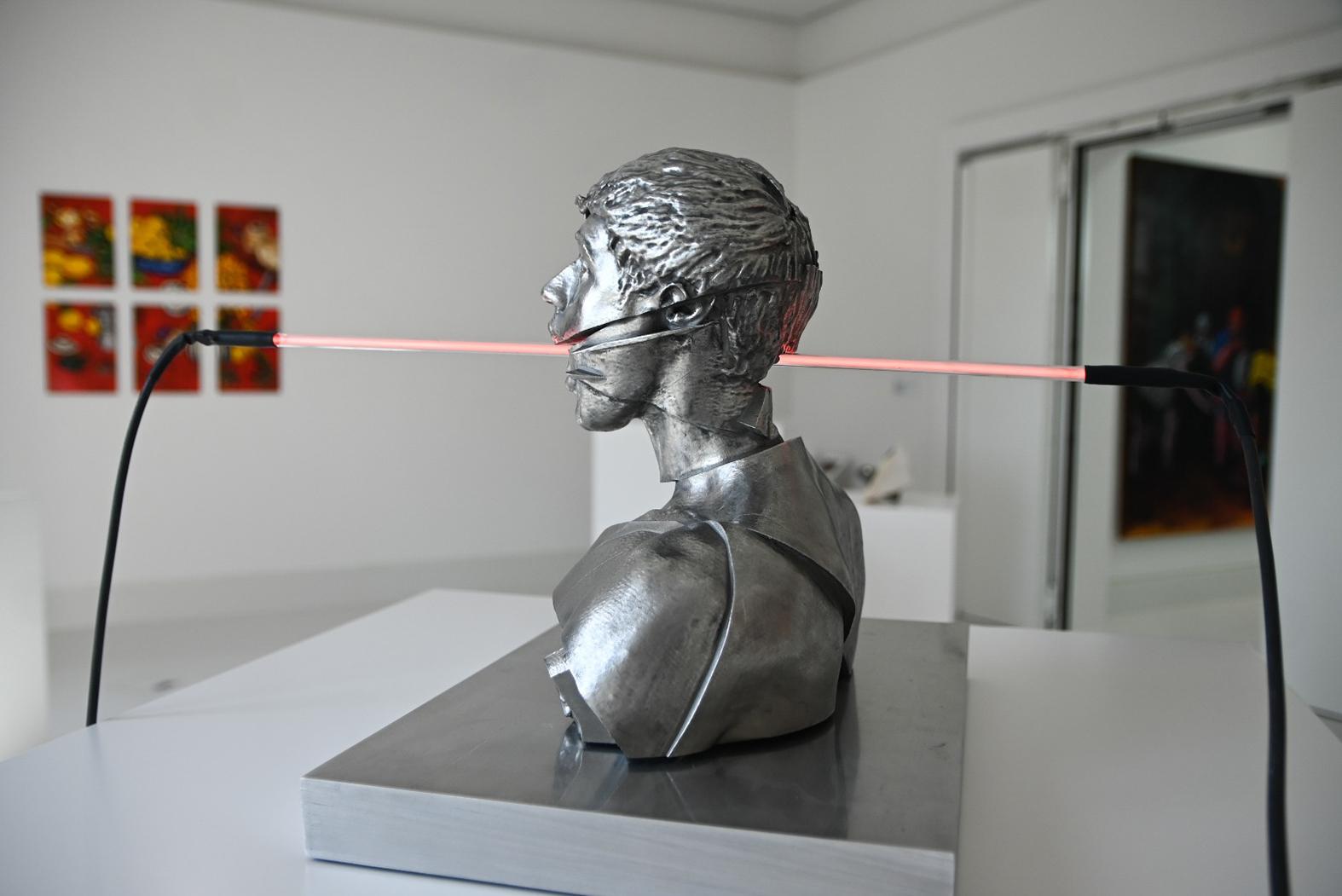
Art by Kane Cali on display at Axis gallery for the Biennale exhibition.
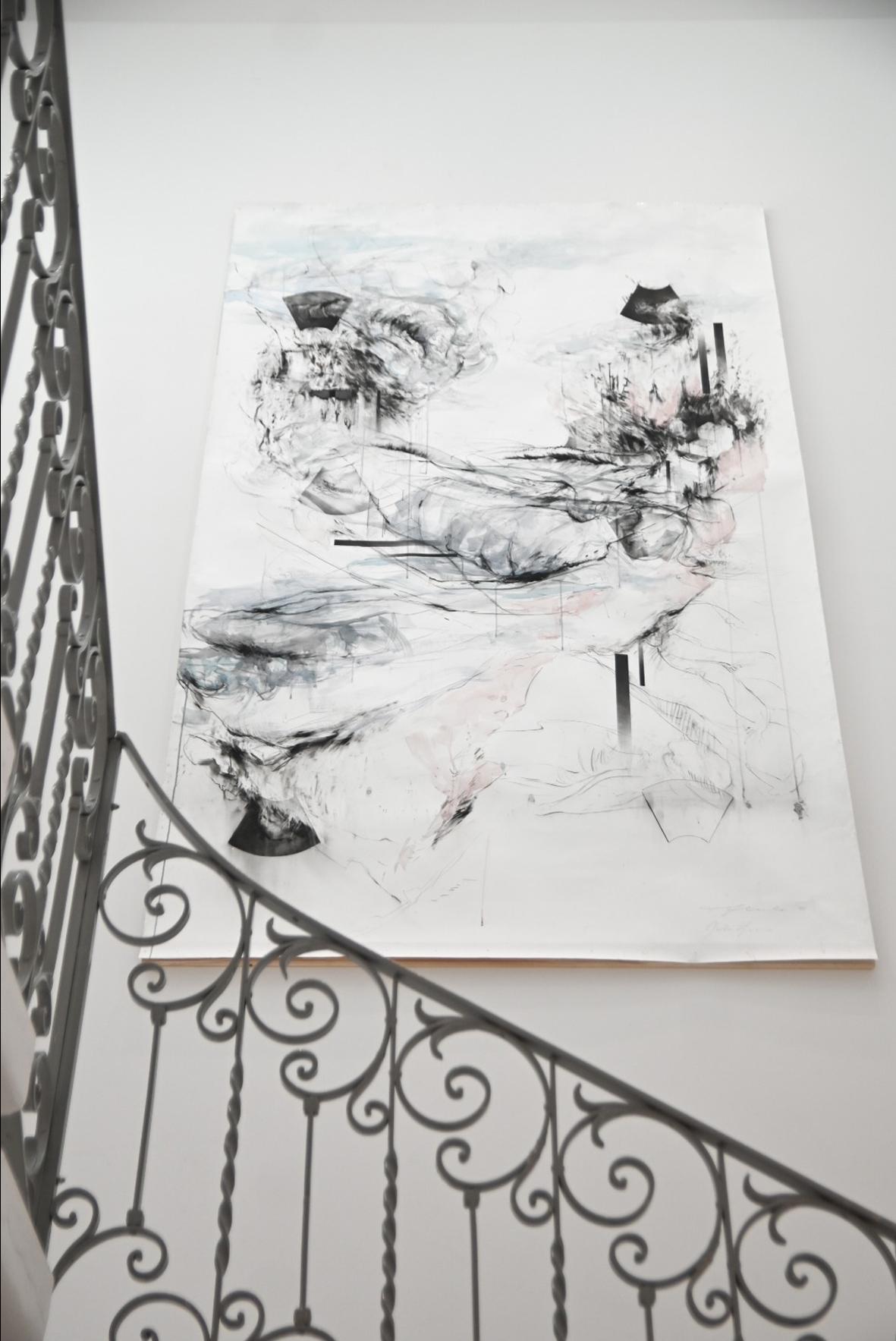
Art in the stairwell of the exhibition space.
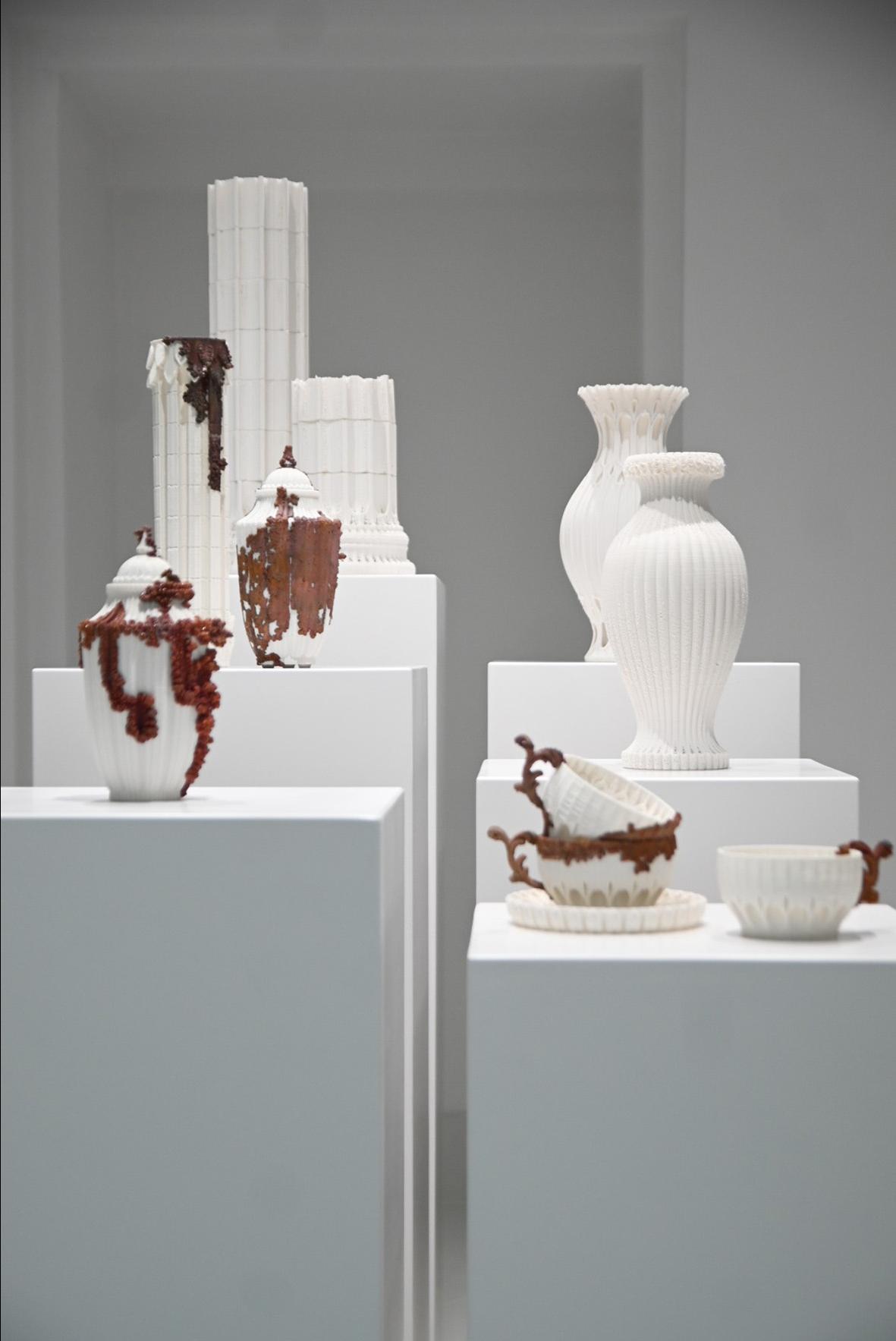
Nico Conti ceramic art on display at Axis.
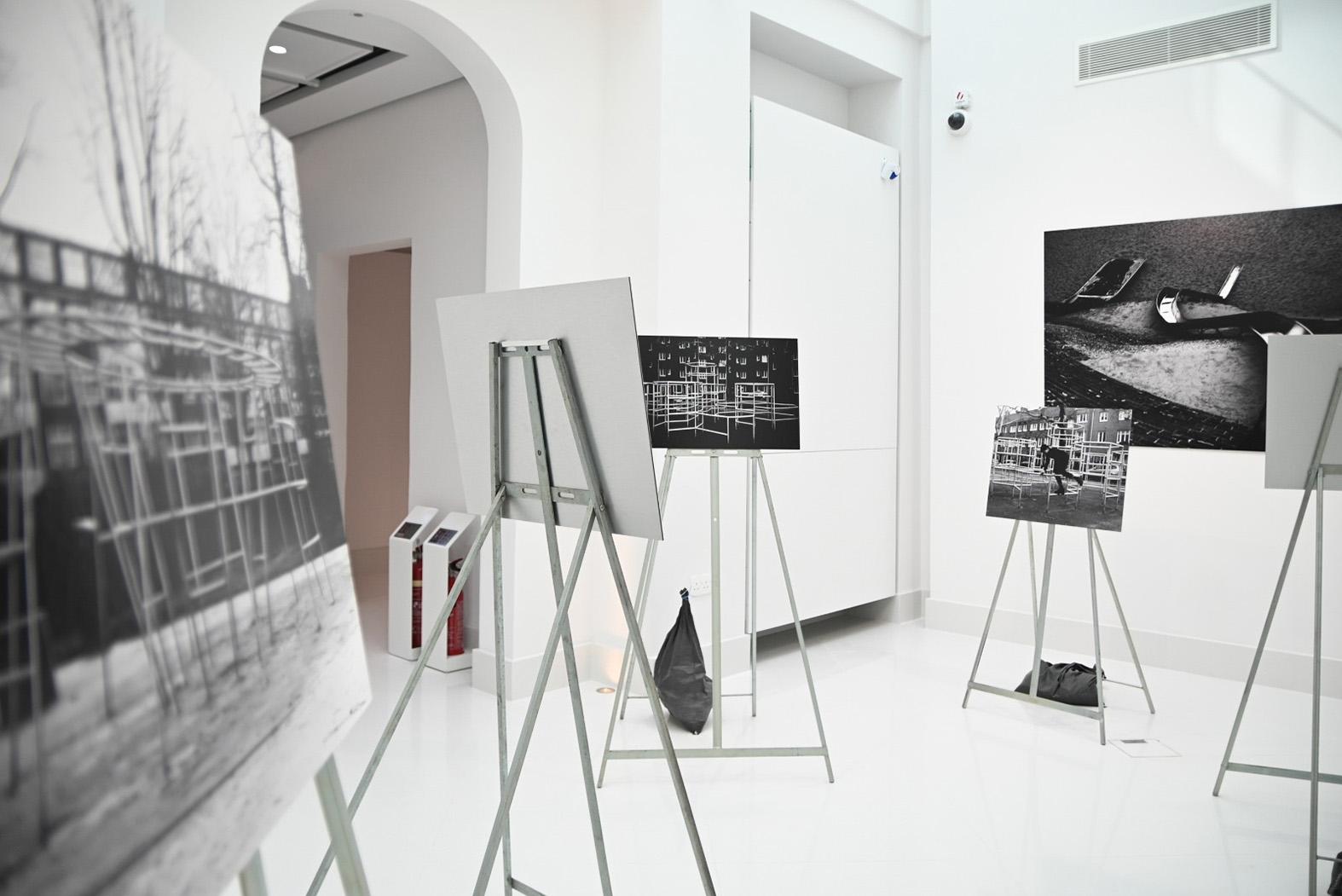
Artwork on display at Axis gallery for the Biennale exhibition.
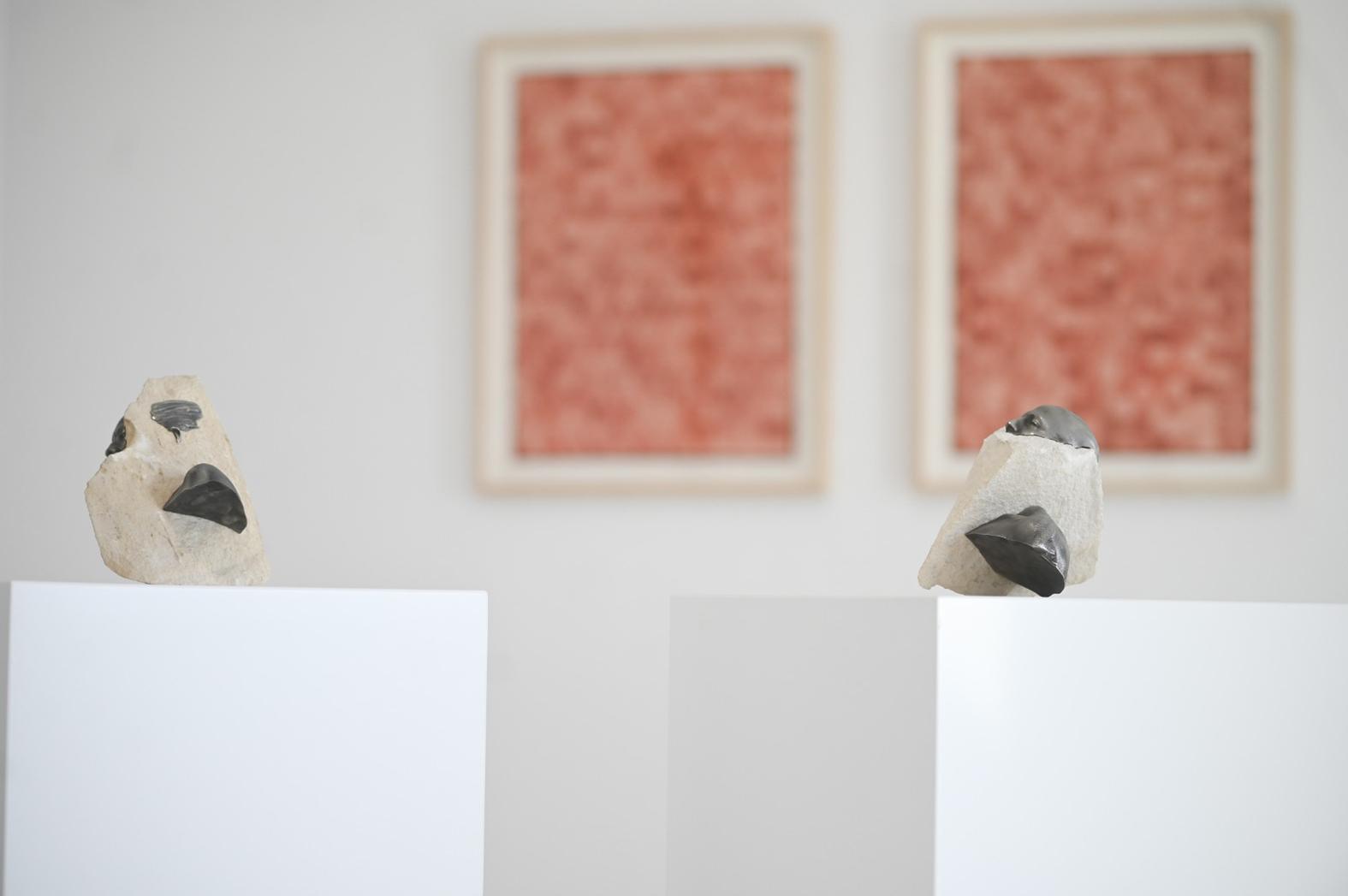
Mort artwork on display at Axis gallery for the Biennale exhibition.
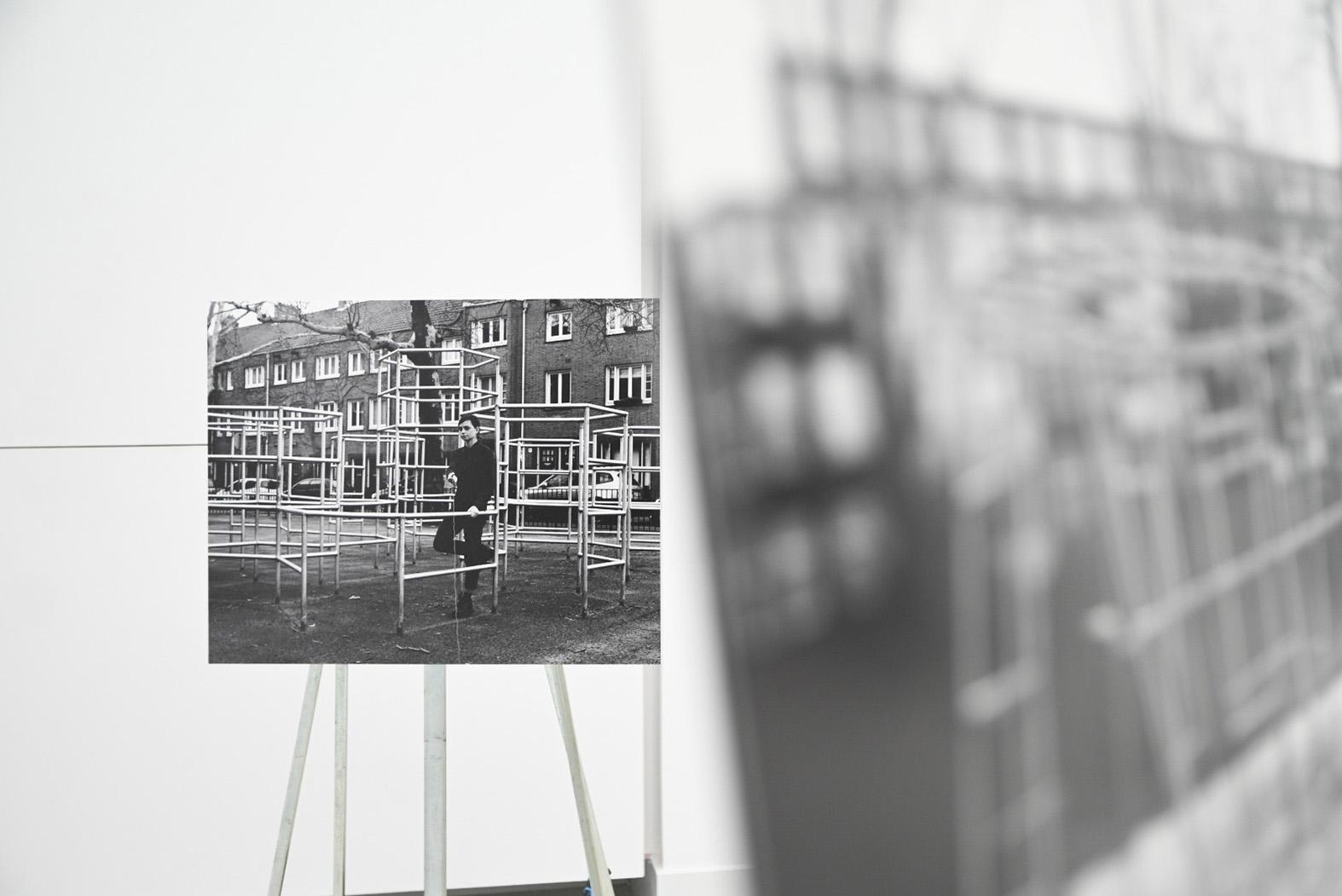
Artwork on display at Axis gallery for the Biennale exhibition.