A tale of two parties
The main difference between the two main parties’ finances lies in the management of their controlled entities, says Leonid Mackay
After several years, it is now possible to compare how Malta’s two major political parties manage their finances.
The earliest available accounts date back to 2015, providing a decade’s worth of data – sufficient to identify underlying trends. This period is marked by multiple electoral campaigns as well as changes in party administrations.
Let us begin by examining the development of assets of both political parties. Those of the Labour Party (PL) more than doubled, in line with the growth of the Maltese economy as a whole. In contrast, the Nationalist Party (PN) recorded asset growth of just 10 per cent. At the same time, the PN’s liabilities increased significantly, rising from €7.4 million to €11.7 million – an increase of more than 50 per cent.
Consequently, while the PL’s surplus of assets over liabilities more than doubled, increasing from €15.1 million to €32.8 million, the PN’s net assets almost halved, falling from €7.3 million to €4.5 million.
For the PN, bank deposits have remained stable, despite an increase in income from €1.4 million to €2.1 million. The PL’s income has remained steady at around €2 million, while its bank deposits increased by €0.5 million. In terms of income, the two parties are in a similar position; however, the PL has been able to save more.
The main difference between the two parties lies in the management of their controlled entities. In the case of the PL, these entities have a positive net book value of €27 million. By contrast, the PN’s companies recorded a negative book value of €8.5 million in 2015, which ballooned to €18.5 million last year. While the PL’s entities have more than doubled net assets, the PN’s have more than doubled their net liabilities.
The PN has experienced a decade of financial mismanagement
This has meant that the PN got saddled with an ever-increasing interest burden. In 2015, both parties were paying approximately €0.2 million per year in interest; today, the PN pays twice as much as the PL. Financial mismanagement of the entities has brought to nothing the steady improvement in the PN’s income collections, with the rise in income more than offset by the constant outflow of money due to losses.
In contrast, although the PL’s income has remained stable, the scale of its net assets allows it to spend somewhat more during electoral campaigns when needed. The PN, saddled with debts, on the other hand does not have the means to carry out spending for electoral campaigns.
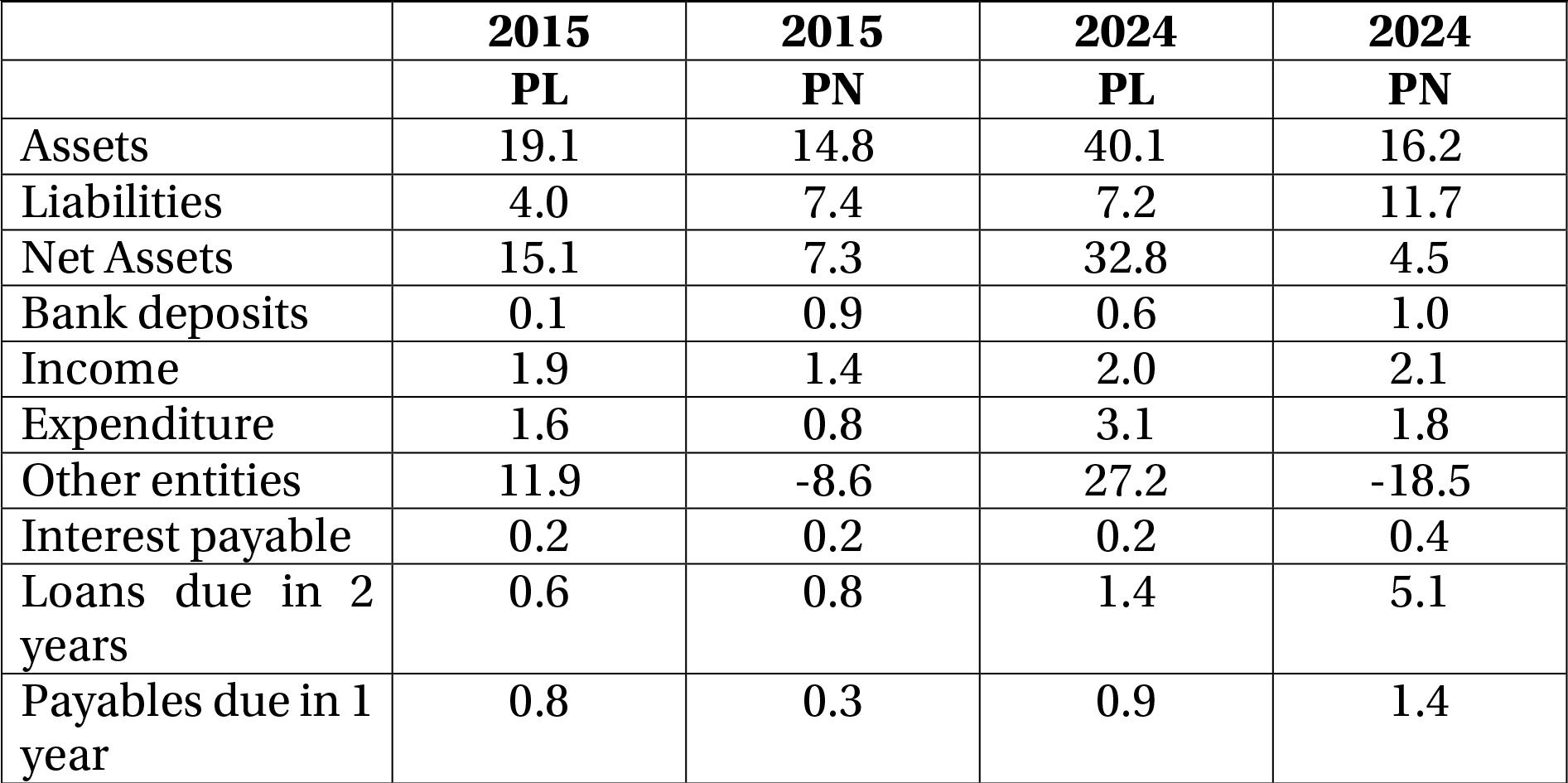 Financial indicators (€ million)
Another crucial factor is the maturity profile of the debts – that is, when they fall due. In this respect, the PN’s financial situation is dire. Over two years, they must find the means to repay €5.1 million debt and cover payables of €1.4 million. All this while covering the annual losses of Medialink, which, over a decade, averaged €1 million. That is a total of €7.5 million.
Considering that the annual income of the PN was €2.1 million, it is easy to realise that, unless they reach agreement with their creditors to roll over debt, they will be unable to operate. In 2015, the PN faced €1.4 million in maturing debt, at a time when its annual income was also €1.4 million, making the crisis far less severe. This is why The Sunday Times of Malta has stated that the PN is technically insolvent.
The numbers speak for themselves. The PN has experienced a decade of financial mismanagement. It has drummed up more donations but this was more than offset by rising debt. While in 2015 its net assets nearly covered the net liabilities of Medialink, now they are just a quarter of its negative book value.
Over the past decade, the PN has steadily run its finances into the ground. Even if it were to liquidate all its assets, it would still be unable to meet its liabilities. This explains why it resisted publishing its accounts for so long.
Charity begins at home and it is difficult to expect a party that cannot maintain sound financial management to competently oversee the finances of the state.
In sharp contrast, our new auditors, Grant Thornton, struck a very positive note, stating that if the PL continues on this financially prudent management path, it should, within a few years, be able to generate sufficient income from its assets to cover its daily recurrent operational costs.
Contributions from the traditional ‘maratoni’ would then be required only to fund capital projects and finance electoral campaigns, an objective worth striving for.
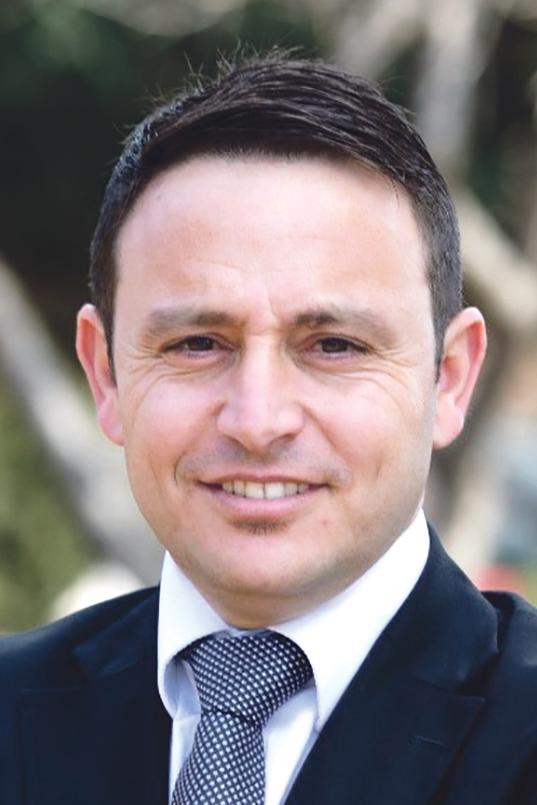 Leonid Mackay
Leonid Mackay is CEO of the Labour Party.