The changing face of tattoos in Malta
Attitudes in Malta weren’t always so accepting
Ingrid Ross once covered a birthmark with a tattoo. For Darren Micallef, getting inked was a rite of passage. And for Julia Calleja, tattoos give her a “unique look” and make her “feel like they make me”.
Tattoos in Malta have come a long way. Prohibited until the 1970s, they are now a mainstream form of expression. Even Pope Francis, in 2018, called them “a sign of belonging”.
That’s what Calleja’s first tattoo symbolised: “I was 17, about to turn 18, and I got a sibling tattoo with my brother and sister.” They chose “a very small infinity sign”, after getting parental permission.
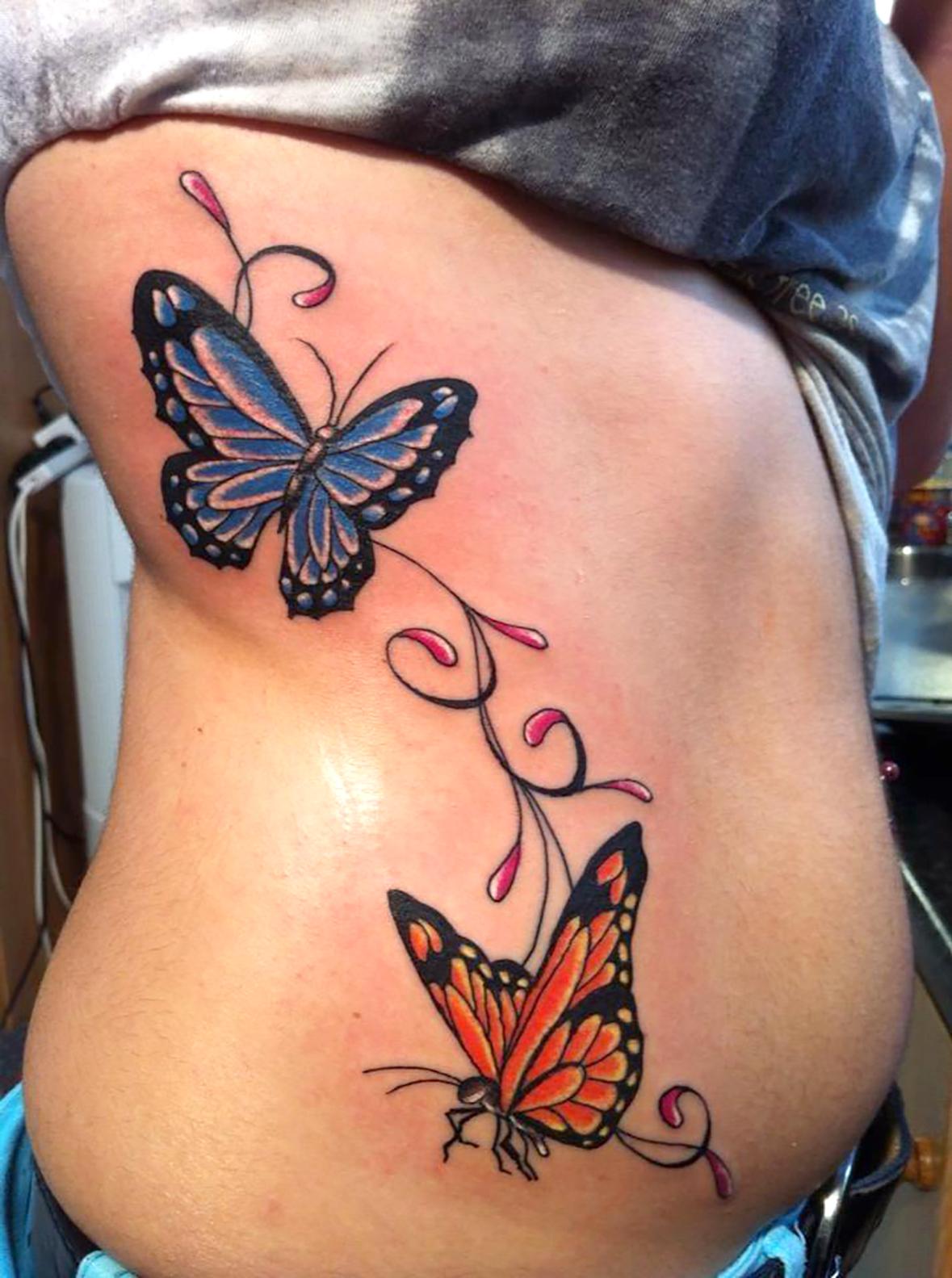 Butterflies on the ribcage, a painful location to ink. Photo: Isaac Wood
Micallef, 32, lists the milestones of growing up. “When you’re 14 you get your ID card, at 16 you can vote, at 18 you can get a tattoo and at 25 you can go to a casino.” He got his first tattoo, a sprocket, at 18, to reflect his love of biking.
Unlike Calleja and Micallef, Ross didn’t always want tattoos. “I was quite anti-tattoo. But I had a birthmark I wanted to cover,” she says.
After getting the go-ahead from a dermatologist, she chose to have it inked over with something artistic.
Now aged 52, she had her first tattoo in her early 20s when she had her first tattoo done in Paola by Issac Wood, son of legendary tattoo artist Bobby Wood, who died in 2010.
She admits that being in the parlour – today’s preferred word is ‘studio’ – “with heavily tattooed and tough-looking men” was intimidating. “It wasn’t really a thing girls did then.”
Since then, she has added a few more – including a friendship tattoo and one with her family.
Micallef’s mother didn’t initially approve of his tattoos. That changed with his third one, when his father offered to drive him to the studio. “I thought he was going to have a chat to discourage me.” Instead, his father admitted he’d always wanted one. They both got tattoos that day – and now his mother is considering getting one herself.
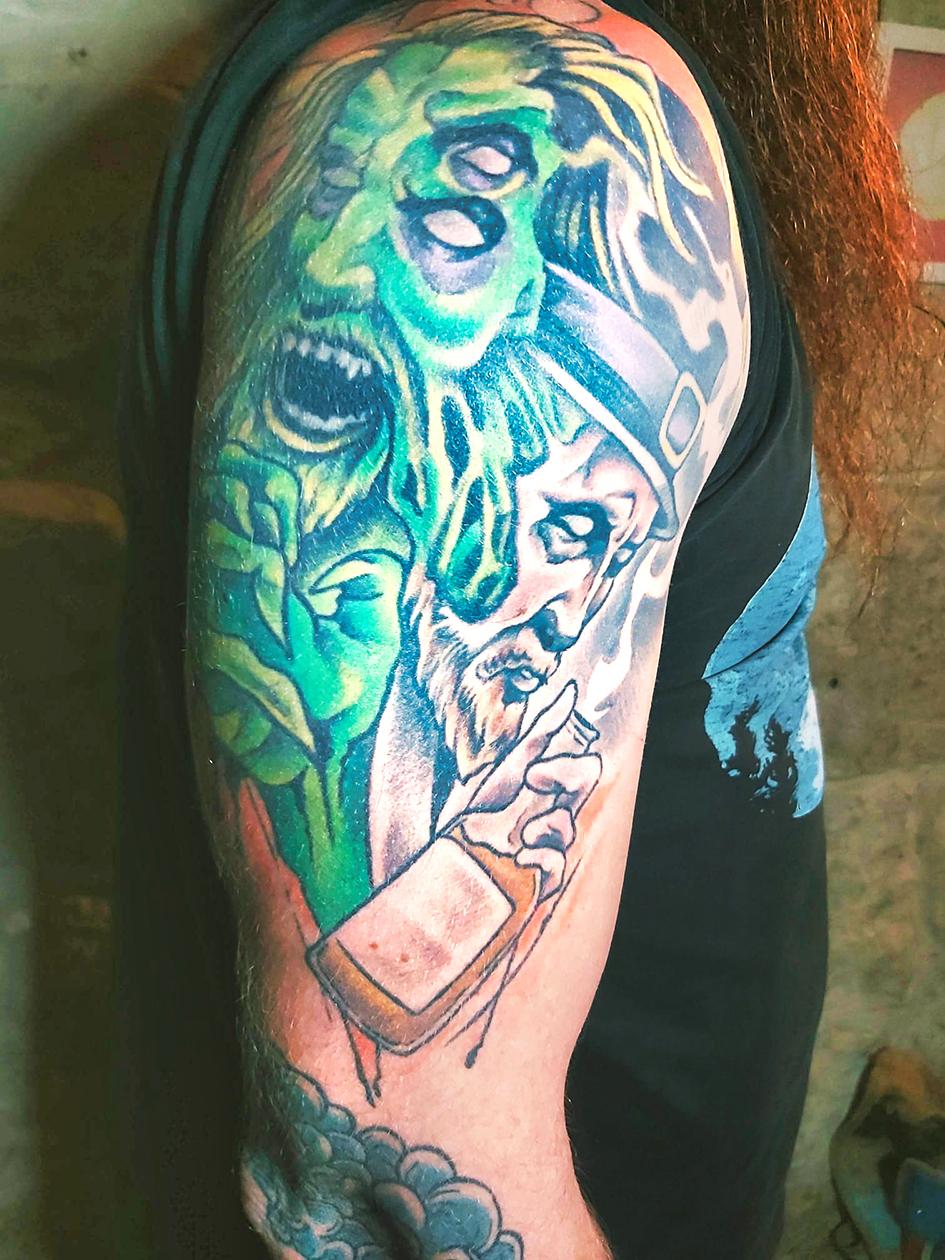 Mythological figures adorn Darren Micallef’s arms.
Attitudes in Malta weren’t always so accepting. Tattooing was banned until the late 1970s. Isaac Wood remembers stories of his father being fined and even imprisoned for tattooing during the prohibition.
Even among the working class, tattoos were often frowned upon. “My grandfather worked at the dockyard and he thought badly of tattoos,” says Lisa Falzon, 42, who now runs Upward Spiral Ink of Mosta – and got her first tattoo from Bobby Wood.
Micallef remembers working in a kitchen, where his tattoos were fine, until he moved to an open kitchen.
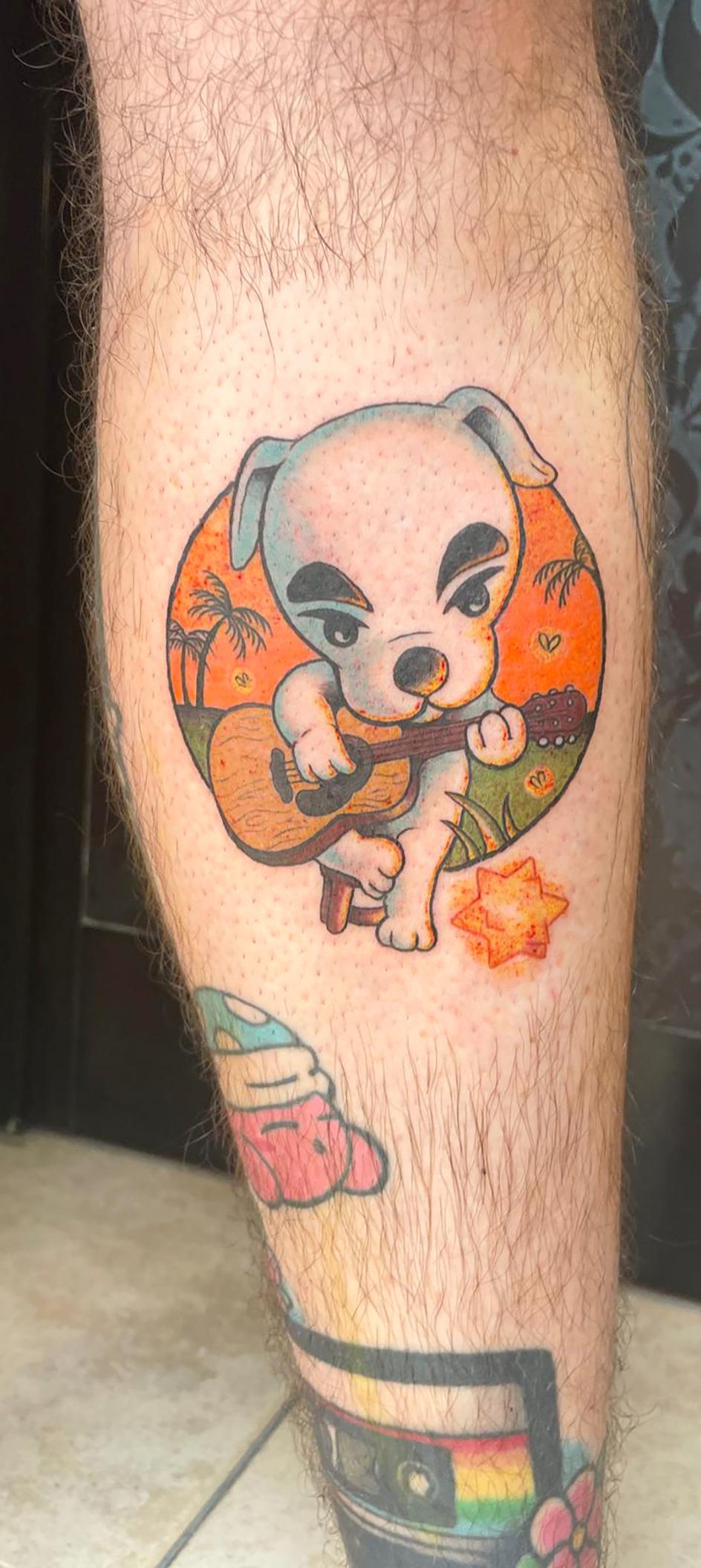 “One of my best tattoos,” says artist Falzon, of the KK Slider fictional character.
“The owner told me to wear long-sleeved shirts. If I rolled them up, he’d get mad at me.”
Tattoos started to gain wider acceptance in the late 20th century, thanks in part to celebrity influence.
Explosion of tattoo studios
When Malta legalised tattooing, there were just a handful of studios. That number has exploded in the last decade.
“After 2015 they started opening everywhere,” says Wood, 46. His family’s business, Bobby’s Tattoo, in Buġibba, is one of the biggest in Europe.
He estimates around 300 tattoo artists are working in Malta today.
 Falzon’s rate card for mono tattoos.
“There are too many nowadays. Work has slowed down because of the quantity.”
Alongside the boom is a shift in style. The stereotypical skull and anchor tattoos have given way to more delicate, minimalist designs.
“Tattoos are trendier and more delicate nowadays, says Falzon, who noticed curious patterns among her younger clients. Last summer she “tattooed close to 50 lemons on kids under 25, and when I ask them why they want this they usually can’t give me answer... The lemon image becomes a meme; people see it and think it’s cute and they absorb it into their psyche and think it’s their own idea.”
She highlights how “people tend to go for one of the most painful spots, the rib cage,” explains Falzon, “and it’s very popular with girls and women.”
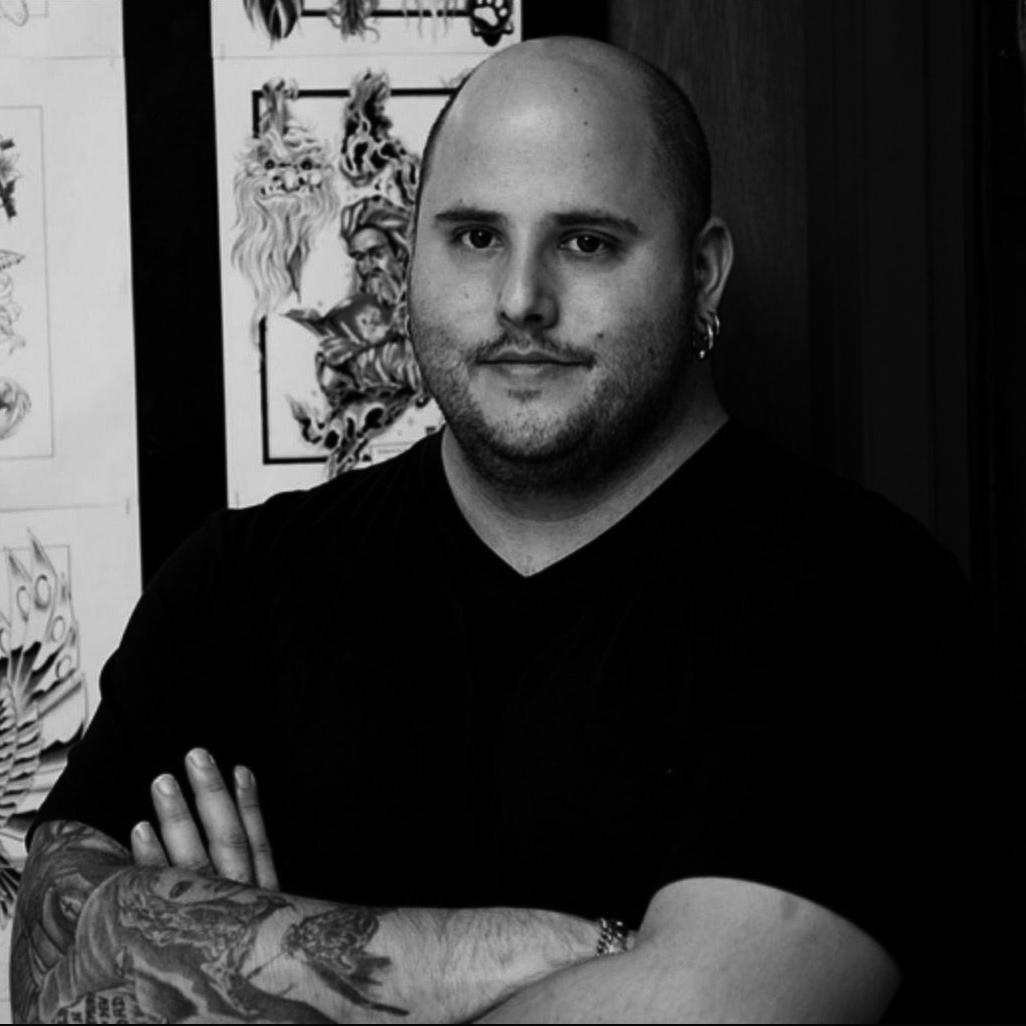 Wood and his brothers run Malta’s largest tattoo studio.
At Bobby’s Tattoo, many clients bring in their own designs – or ask for custom combinations.
“I like that because it gives me a rush; I’m creating something and not just copying it,” says Wood. Being in the tourist hub of Buġibba, Bobby’s Tattoo gets its fair share of walk-ins. “Some people come on holiday and get tattoos, others get them on the spur of the moment,” Wood explains, “and we warn them if you’re not sure, don’t do it; a tattoo is for life.”
Still, some go ahead regardless. “Sometimes four or five guys have a bet and get silly tattoos, which I disagree with doing, but obviously it’s work so we do them,” continues Wood.
 Wood’s tattoos have morphed into an exquisite art form.
‘Raised from the dead’
Naturally, some people regret getting tattooed. Calleja, 28, has had one removed by laser – a painful process. “I went through three sessions,” she says. “I would prefer getting my stomach piece done all over again – it took five full days to do – rather than get 10 minutes of laser.”
Her tattoos cover most of her body, but the most visible is the phrase ‘Raised from the Dead’ on her chest. Diagnosed with a chronic kidney condition in her teens, Calleja says she is in pain every day.
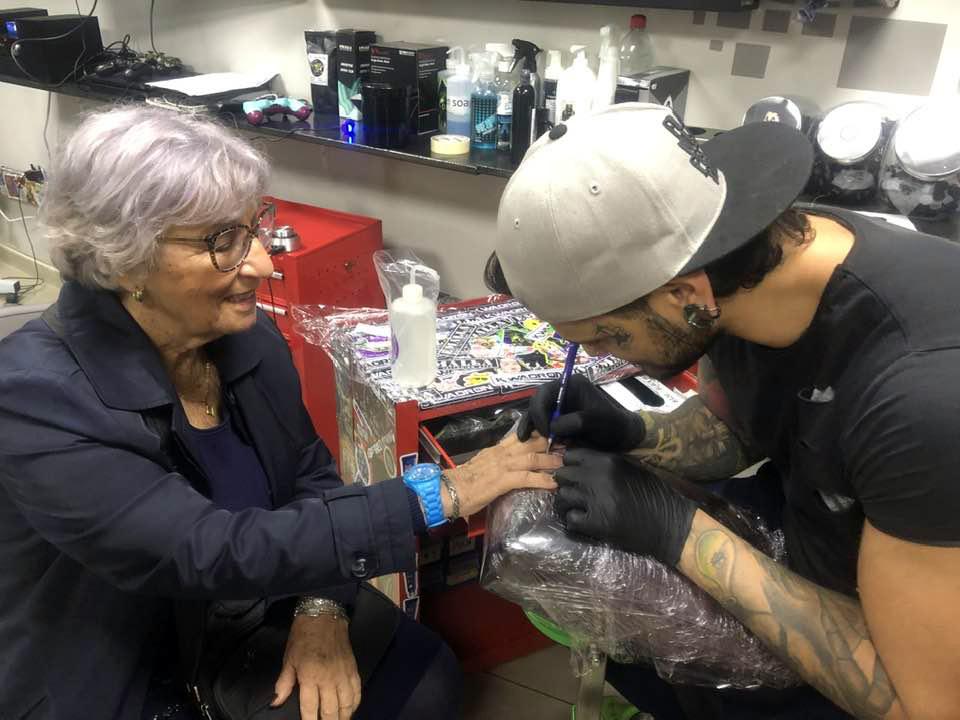 Lina Ross inked a heart on her finger.
Growing up she also struggled with an eating disorder and body dysmorphia and “could never look at myself in the mirror and be happy. I realised that once I started getting more covered with tattoos, I could look at myself more and more”, she explains, “so, it’s like a second skin, a self-acceptance thing.
“Because of my illness and the amount of pain I’m in, I feel like a walking zombie most of the time. There are good days, there are bad days,” Calleja explains. And ‘Raised from the Dead’ is how she best describes this ‘walking zombie-like’ feeling.
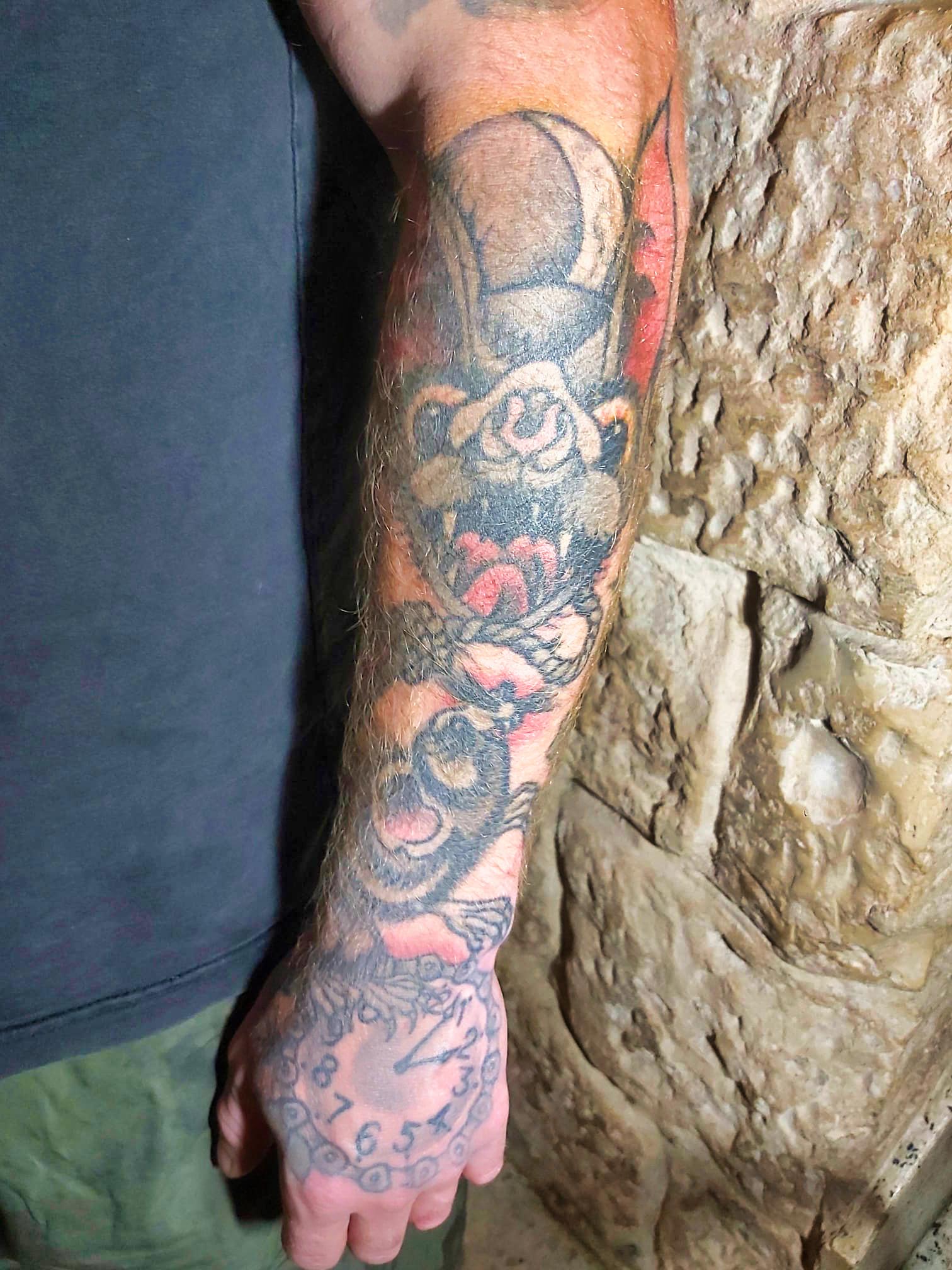 The clock on Darren Micallef’s hand indicates the time his son was born.
Asked if she has any regrets, she says only one – now covered up. “The most that I regret now is when I first started getting tattooed, I didn’t instantly go for big pieces; I went for small pieces here and there, and my back – which is now fully covered – doesn’t really represent who I am anymore.”
Neither does Ingrid Ross regret her tattoos, although the size of one did alarm her at first. She wanted an older tattoo covered and warned her artist she did not want it showing when she wore a skirt.
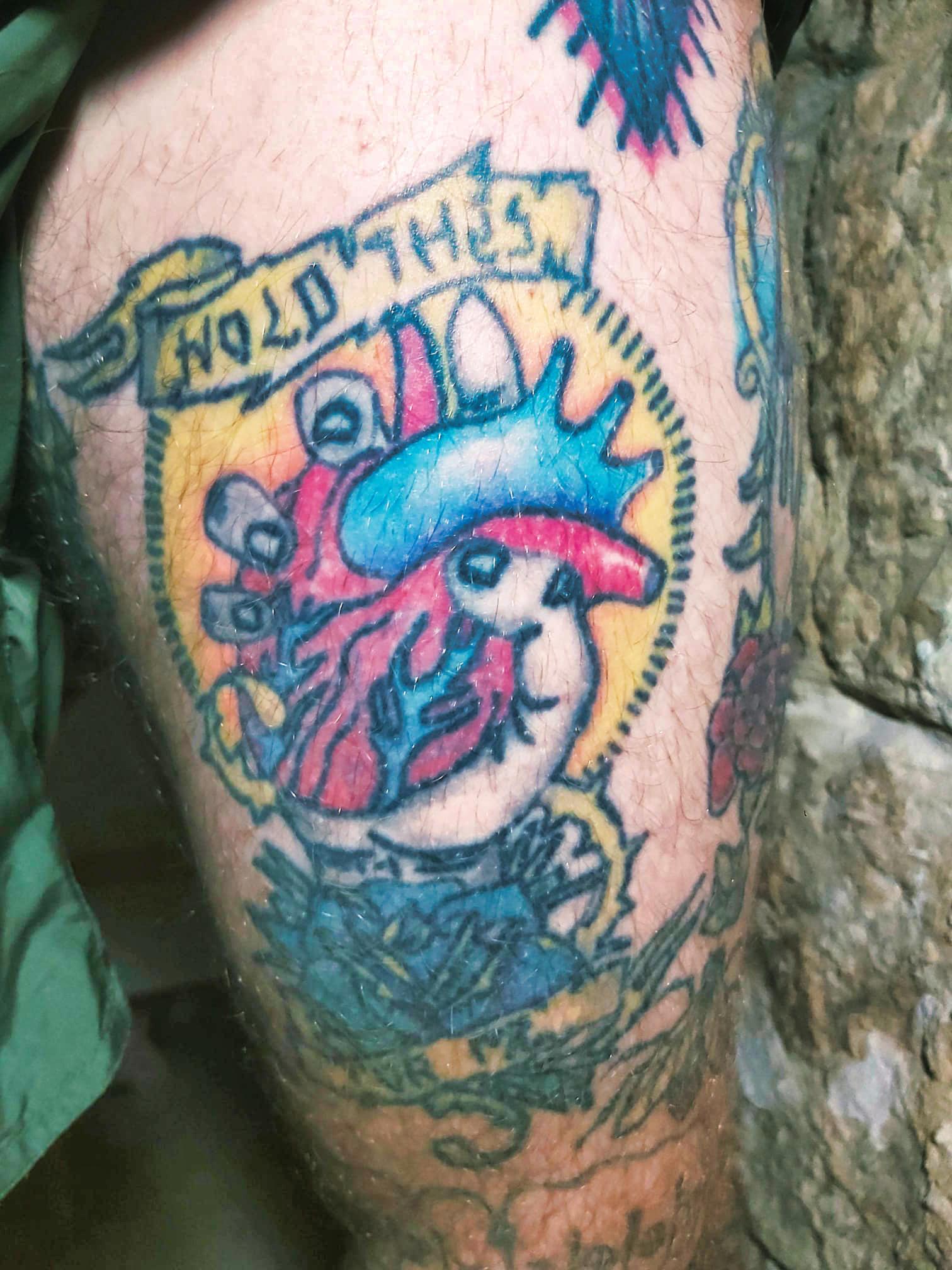 All Darren Micallef’s pieces have meanings and personal significance.
Micallef embraces bold, colourful tattoos, saying that “a lot of them mean something” and that “some are a bit personal”. On the back of his hand, for example, is a clock that indicates the time his son was born.
He also has a quirky tradition of getting a small tattoo every Friday the 13th, with a hidden 13 in the design.
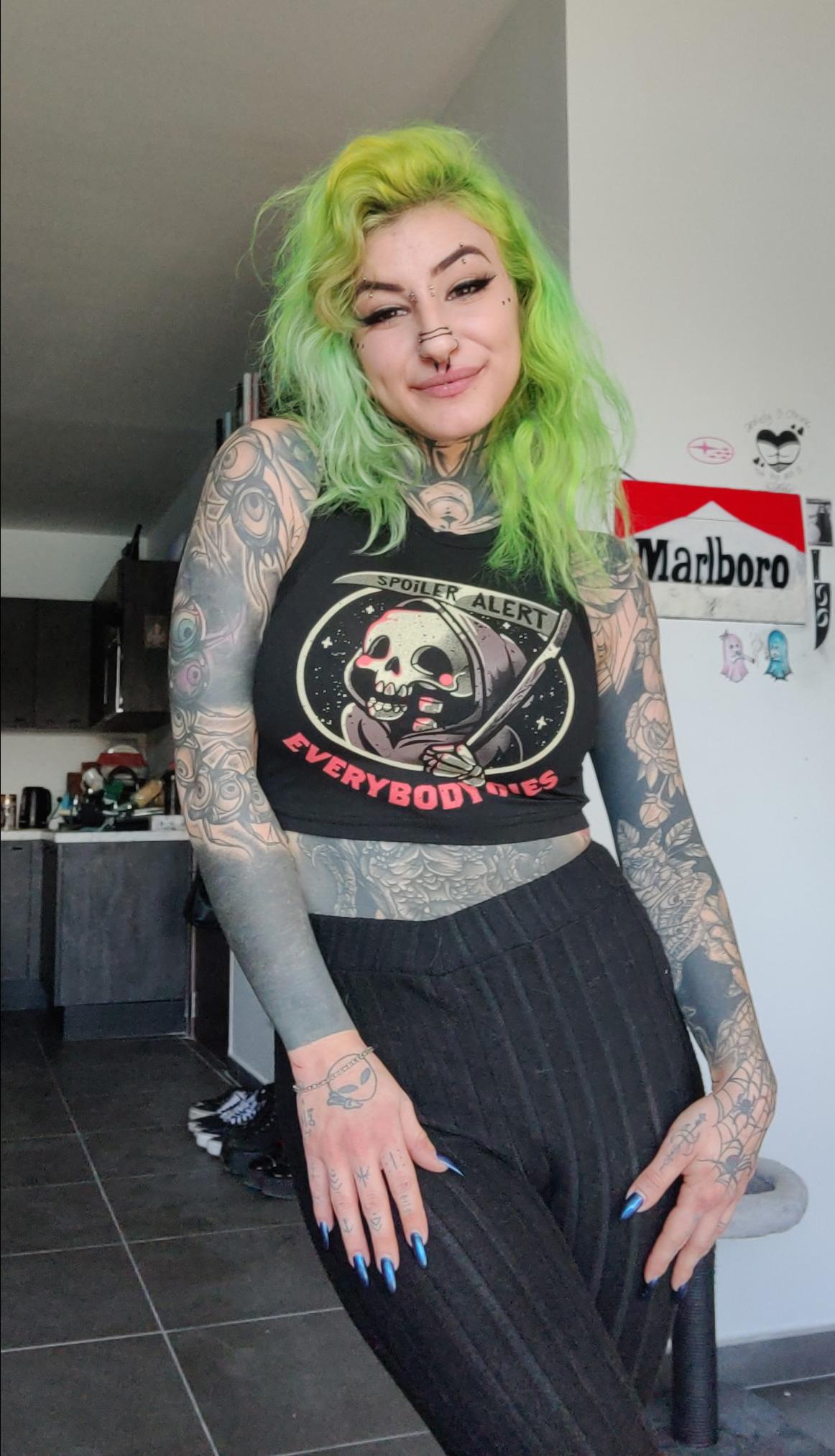 Julia Calleja says tattooing her stomach was less painful than laser removal.
Getting a tattoo while on holiday is another of his habits. “The first thing I do is find the closest tattoo shop and get a small thing done.”
Prices vary widely, with Wood’s rate starting from €40 to €200 depending on the size and the artist. Some charge by job, others by hour. Falzon uses a rate card for small pieces, while larger, coloured designs are priced case by case. Big jobs often require multiple sessions.
“Most tattoos – the bigger ones – need at least two sessions,” she says. “And I find that I lose my sharpness after tattooing for more than five or six hours,” she continues. Also, getting pierced by a needle starts to feel “like Chinese water torture” after five hours or longer.
Still some, like Calleja, have a high pain threshold. She tends to fall asleep when being tattooed.
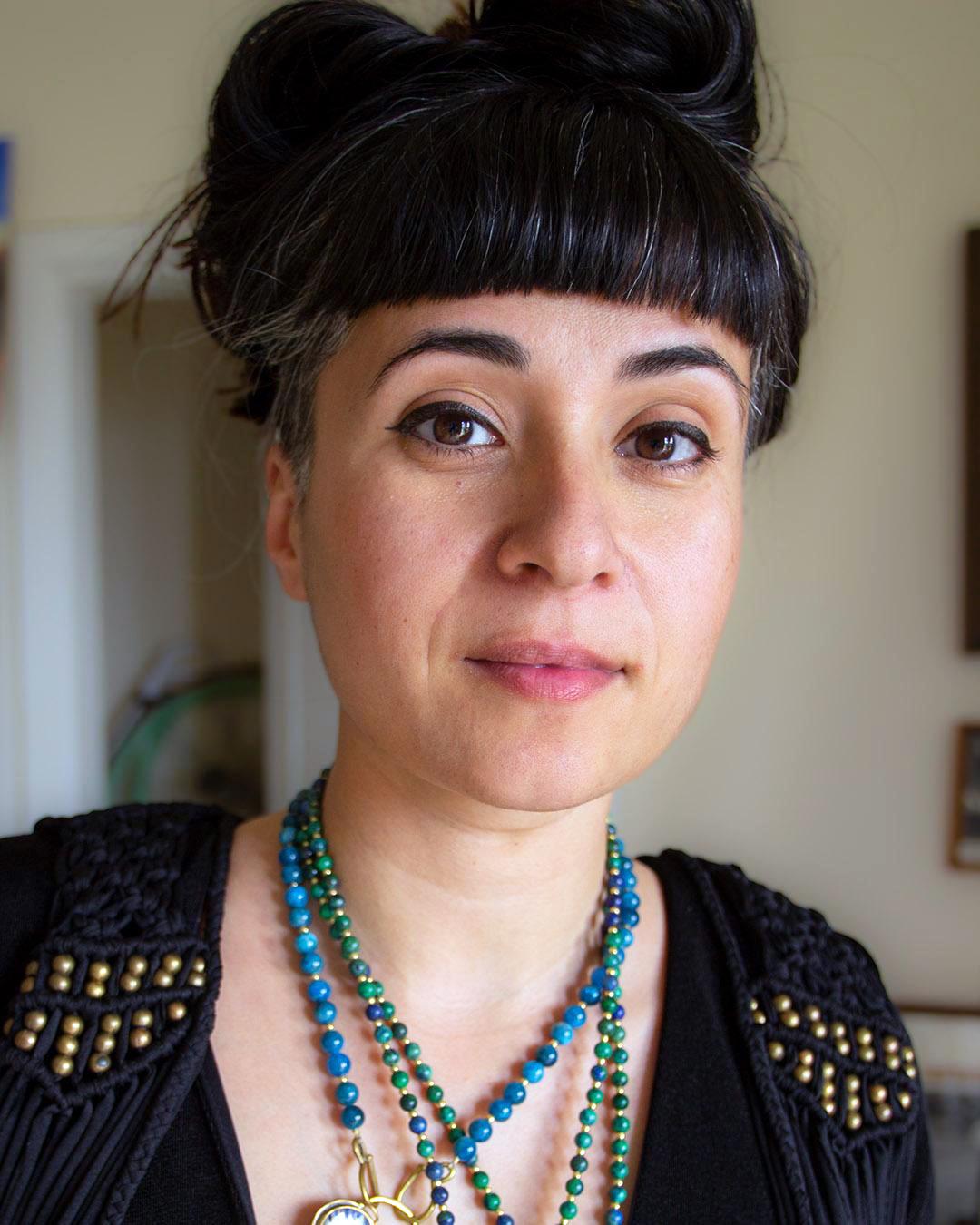 Lisa Falzon got her first tattoo from Bobby Wood.
Ross, meanwhile, is content with the tattoos she has. If cost wasn’t an issue, she would get more but now, she would prefer to spend her money on travel.
It is prohibited for someone under 18 to enter a tattoo studio, let alone get a tattoo – even with parental authorisation. Except for ears, body piercings are also subject to this law.
To receive a licence from the Ministry of Health and Active Ageing, tattoo artists need to be at least 18 years old, have had training and have received a Hepatitis B vaccination.