The Corona Ottomana affair of 1760-1761
How a slaves’ mutiny aboard this large Turkish warship and its conversion into the Order of St John’s flagship almost led to Turkey invading Malta for a second time
What may be termed as ‘The Corona Ottomana Affair’ (or incident) could very well have resulted in another Turkish invasion of Malta but ended rather tamely in the end. However, it brought to the fore the cynical foreign policy of France in the Mediterranean.
At the time, France was ruled by King Louis XV, whose titles included that of ‘His Most Christian Majesty’. It all started on June 2, 1760, when the large sultana (or soltana) – a large warship – known as the Corona Ottomana, and a flotilla of assorted seacraft under the command of Pasha Alpin Xerin, sailed from Istanbul to collect the usual annual tributes from the Ottoman possessions in the Aegean Sea.
No extant painting of this soltana seems to be available except for an 18th-century drawing purporting to be the Corona, but judging from the number of men in her crew, 750 men including the regular crew of 300 and 71 Christian slaves, it was probably equivalent to the European second- or third-rates (ships-of-the-line) in operation at that time. This means it would have been carrying anything between 64 and 80 guns. Compare this with the Order of St John’s then current ships-of-the-line that carried 60 guns and could only just qualify as third-rates.
By way of explanation, one has here to expound that such ships carrying up to 74 guns were known as third-rates, others slightly larger with about 80 guns were second-rates, while the largest warships with c. 100 guns were first-rates. The greater majority of European ships-of-the-line were third-rates.
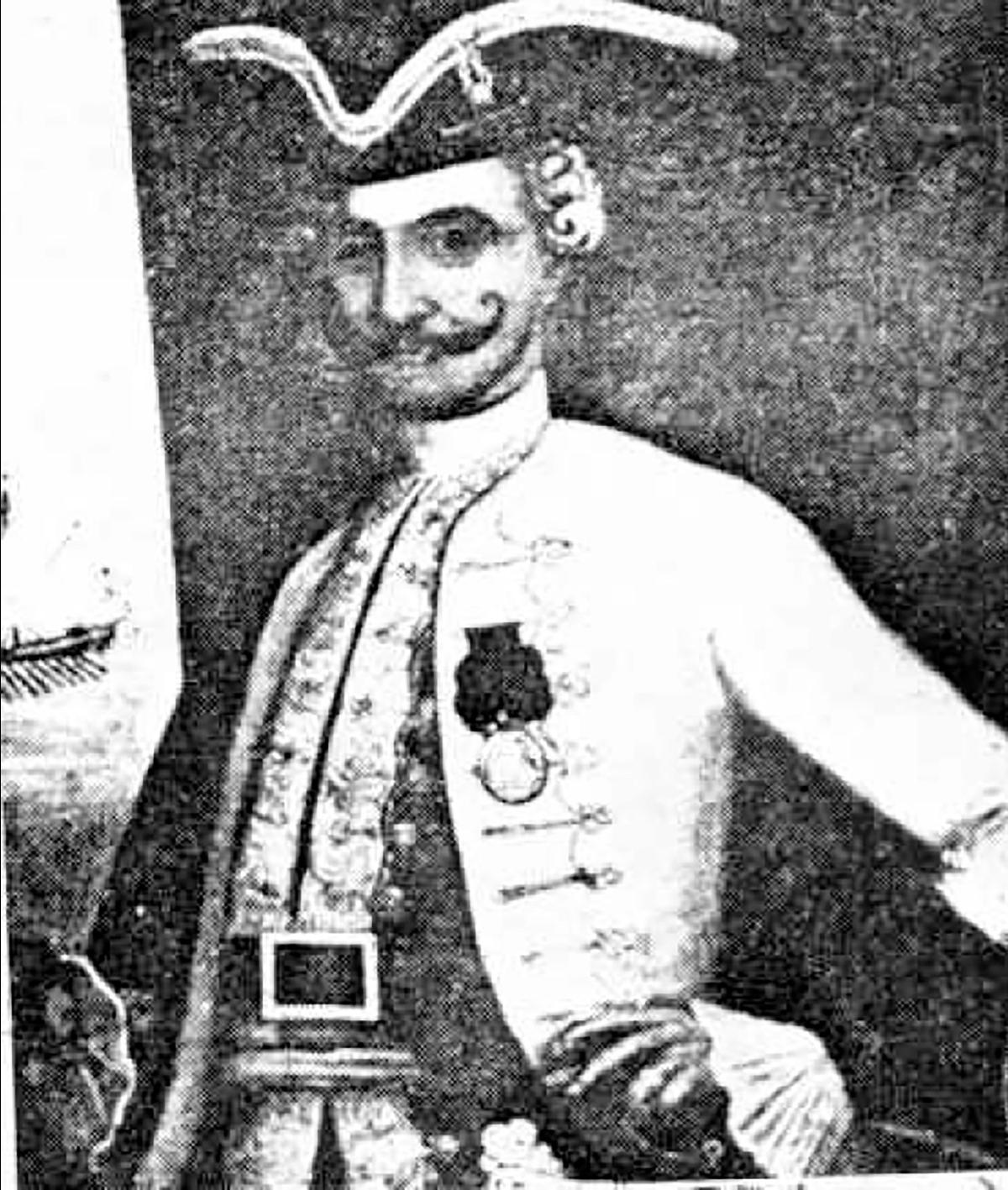
A reputed image of Petar Zellalic who led the Christian slaves in their capture of the Corona Ottomana in 1760. Photo: Midsea Books Ltd
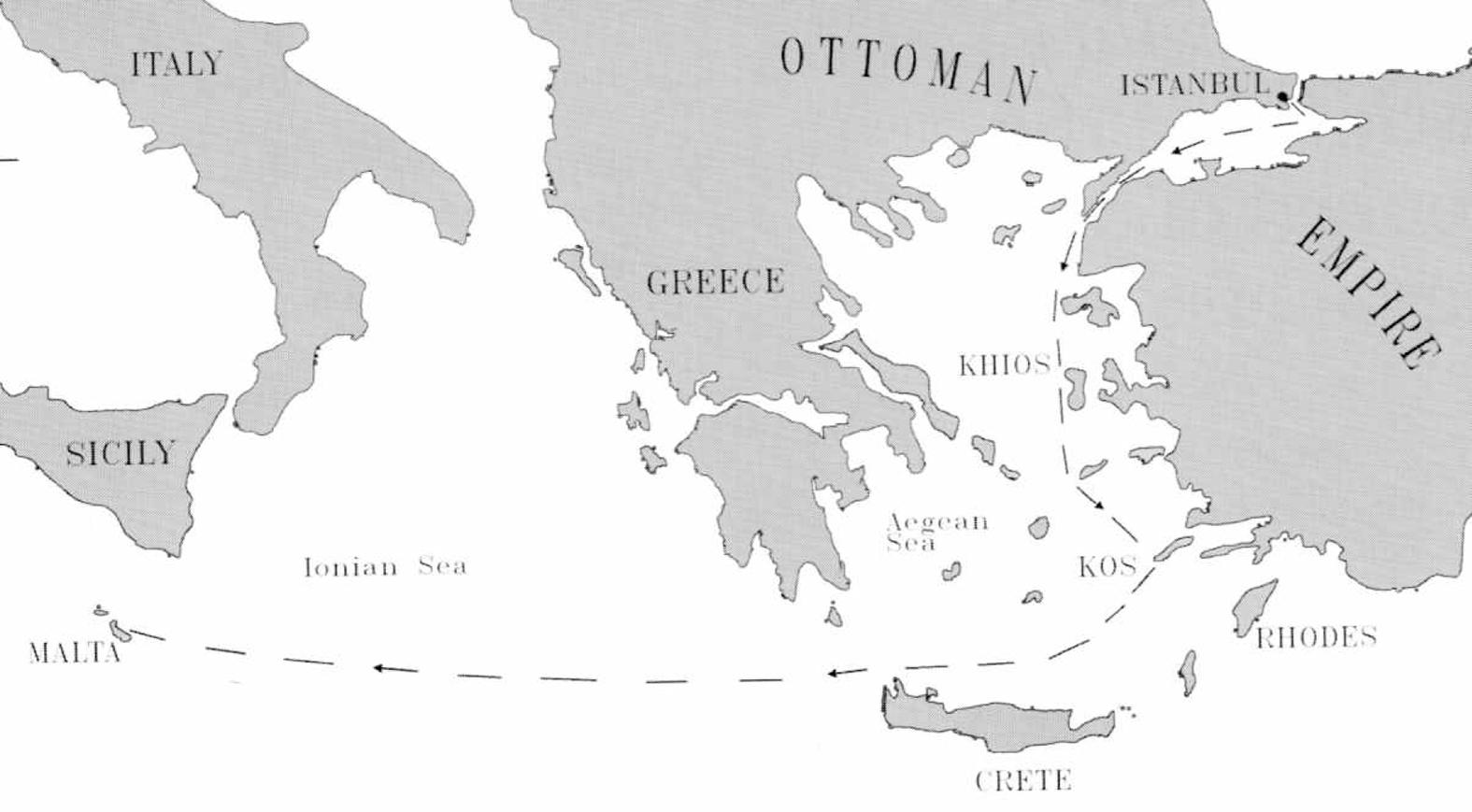
The voyage of the Corona Ottomana from Istanbul to Malta. Photo: Sacra Militia
Xerin’s flotilla included another two sultanas, two caravels, five galleys and some galleots. The flotilla dispersed when it arrived at the island of Khios except for the caravels and the Corona Ottomana. On September 16, these three ships anchored at the island of Stanchio, and the Muslims, including their commander, with the exception of 230 men and the slaves, went ashore.
The 71 Christian slaves aboard seized the opportunity to rebel and took over the ship, imprisoning 40 of the Muslims, while the others were either killed or managed to escape ashore.
Led by a certain Peter Zelalic, the Corona evaded the pursuit of the two caravels, probably due to the sultana’s superior speed and firepower. On October 6, the Corona reached Malta after a journey of 1,250 kilometres through the lower Aegean and Ionian Seas.
The 71 Christian slaves aboard seized the opportunity to rebel and took over the ship
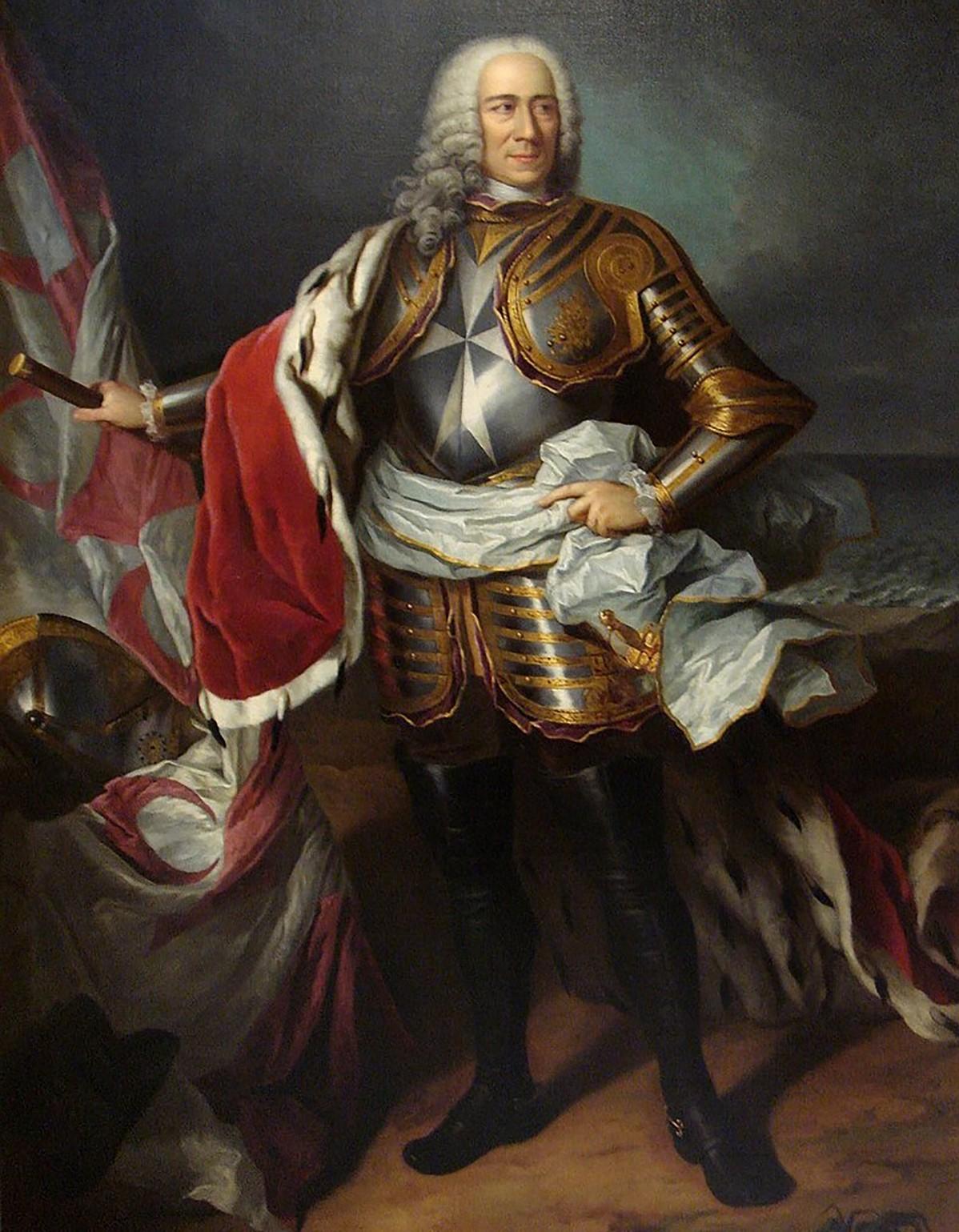 Portrait by Pierre Bernard (1704-77) of Grand Master Emanuel Pinto de Fonseca in c. 1745. Photo: Heritage Malta
On the Corona’s arrival in Malta, officials from the island went on board to inquire about the ship and to impose the compulsory quarantine. They were informed about the takeover of the ship, which the Christians were ready to hand over to the grand master – the head of the Order of St John at the time was the Portuguese Emanuel Pinto de Fonseca – on condition that all goods on board were to be retained by the former slaves and that a chapel be constructed to house a particular picture of the Virgin Mary in thanksgiving for their deliverance.
Grand Master Pinto agreed with these terms. The ship was then manoeuvred into harbour and berthed near the lazzaretto for a double quarantine period, which ended on November 12. Two days later, the Corona was renamed San Salvatore after it was exorcised, since it had formerly been a Muslim ship.
Since the ship had been handed over to Grand Master Pinto, technically the former Corona was a magistral ship that would be maintained by the grand master, who would also be given any prizes taken during the corso.
However, Pinto could not maintain such a large ship, technically and financially, so the grand master devolved it to the Order’s Congregazione dei Vascelli (Commission of the ships-of-the-line).
The newly-named San Salvatore not only became part of the Knights’ fighting ships-of-the-line squadron but, due to certain circumstances, was its flagship for a year or so. The reason was that the newly-launched flagship, the San Giovanni, was defective from the start. It seemed the capture of the Corona was a god-sent opportunity to replace the San Giovanni.
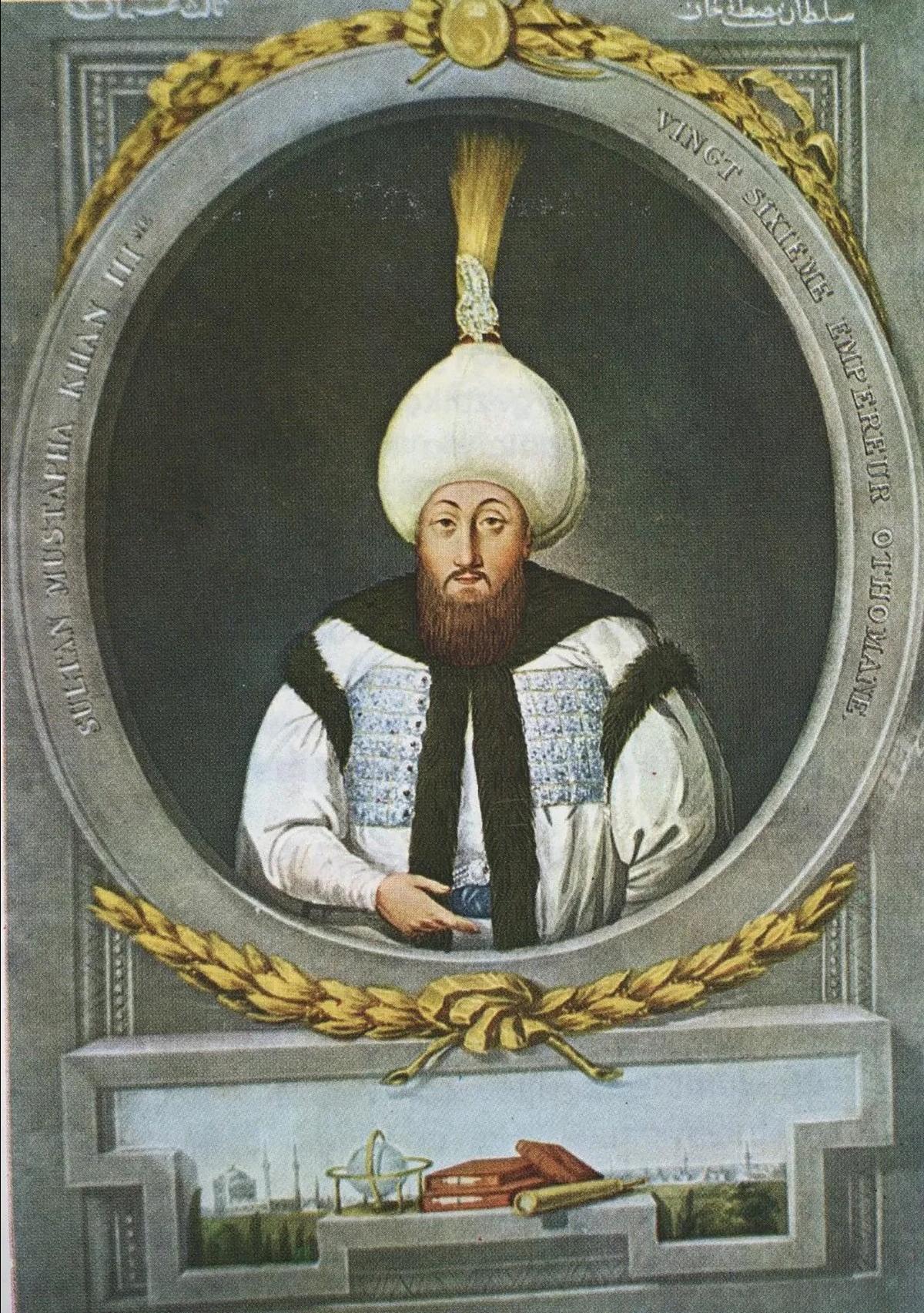 Mustapha III, Ottoman Sultan at the time of the Corona Ottomana episode. He died in 1774. Photo: Wikipedia.com
Refitting the Corona was a costly affair, and it has been calculated that the Order spent no less than about 27,000 scudi, including wages, to bring the warship up to scratch. However, such costings made the acquisition of the new flagship a bargain. But things did not turn out this way.
The Ottoman Sultan, Mustapha III, vowed revenge, and reports filtered in that the Turks were preparing for an all-out assault on Malta. Pinto seemed ready to accept the challenge, and the usual defensive preparations were taken in hand with the addition of a number of coastal defences, including retrenchments and redoubts, intended to keep an invading force at bay. However, the expected invasion did not take place because of the intervention of France.
Such a siege would not have involved France directly but, for His Most Christian Majesty King Louis XV of France, war at Malta would have meant a major disruption of French commerce and trade in the eastern Mediterranean, which would be a blow to France’s economy. So the French government had to find a way by which war would be averted.
The French were willing to buy the ship from the Order and return it to Turkey
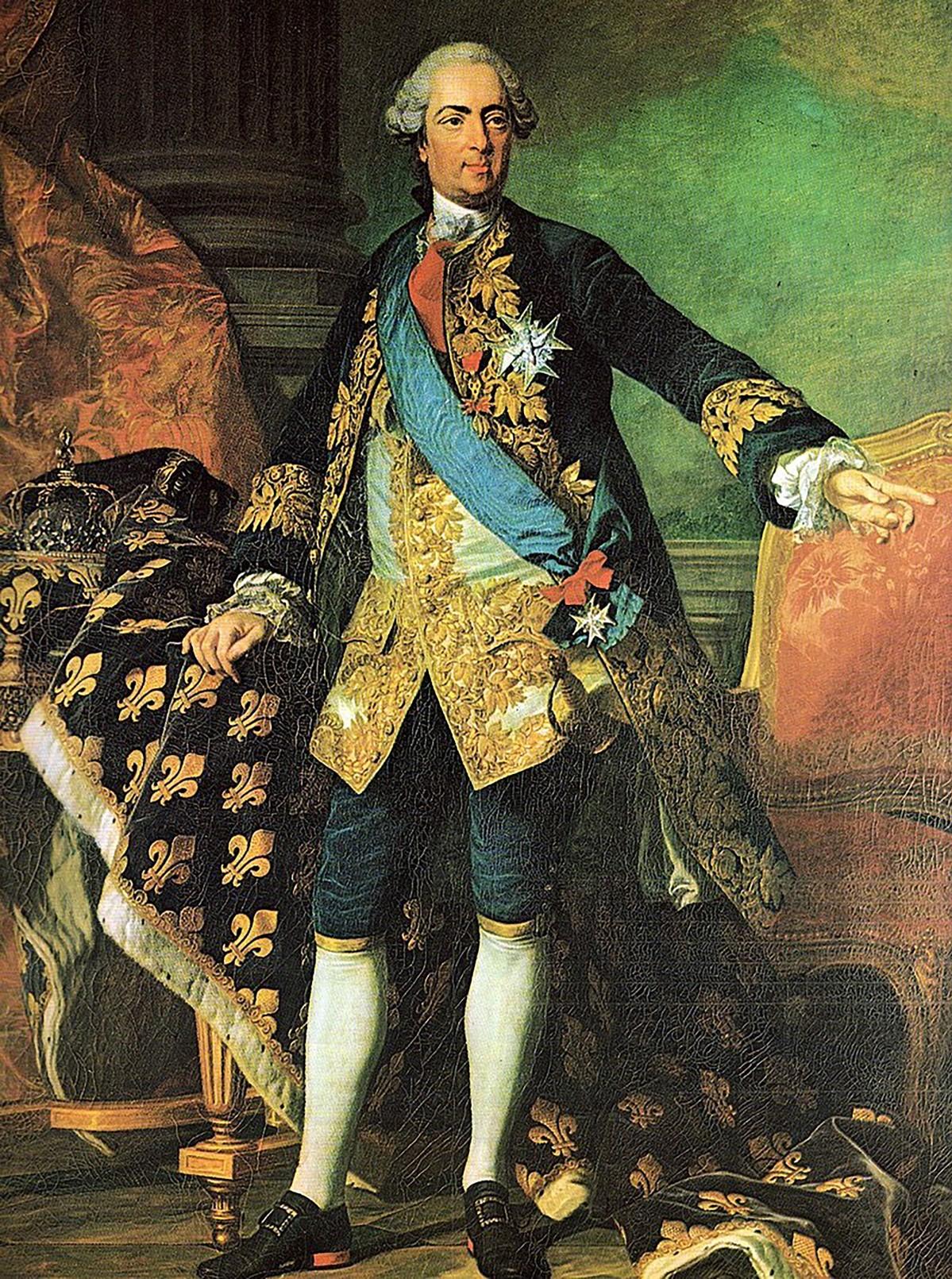 His Most Christian Majesty King Louis XV of France in 1763. Photo: Wikipedia.com
France and Turkey had been on friendly terms since the middle of the 16th century, and it was in France's economic interests that this friendship would continue. So negotiations were opened on the basis that the ship and the 40 captured Muslims, ex-crew members of the Corona Ottomana, would be returned if the sultan renounced his bellicose intentions.
The French were willing to buy the ship from the Order and return it to Turkey. In this way, the honour of both sides would be safeguarded.
It seems an agreement in principle had already been reached by May 1761 since, in that month, French tradesmen and crew members were fitting out the ship at the Malta shipyard. On August 14, the French ambassador, François de Fleury, arrived in Malta and reached agreement on the sale on August 27.
At around this time, it was reported that the Turkish armada sailed out of the Dardanelles. The ship was renamed Corona Ottomana, and the 40 Turkish slaves were reinstated. The sale price of the ship was just over 255,825 scudi, but the expenses to rearm it amounted to over 169,469 scudi, leaving a ‘profit’ of just over 75,355 scudi, which had been fully spent on the building of the new coastal fortifications.
The Corona Ottomana left Malta on December 8, 1761 – manned by a mixed crew of French and Maltese sailors – escorted by a French frigate, l’Oiseau, and a polacre, Marie.
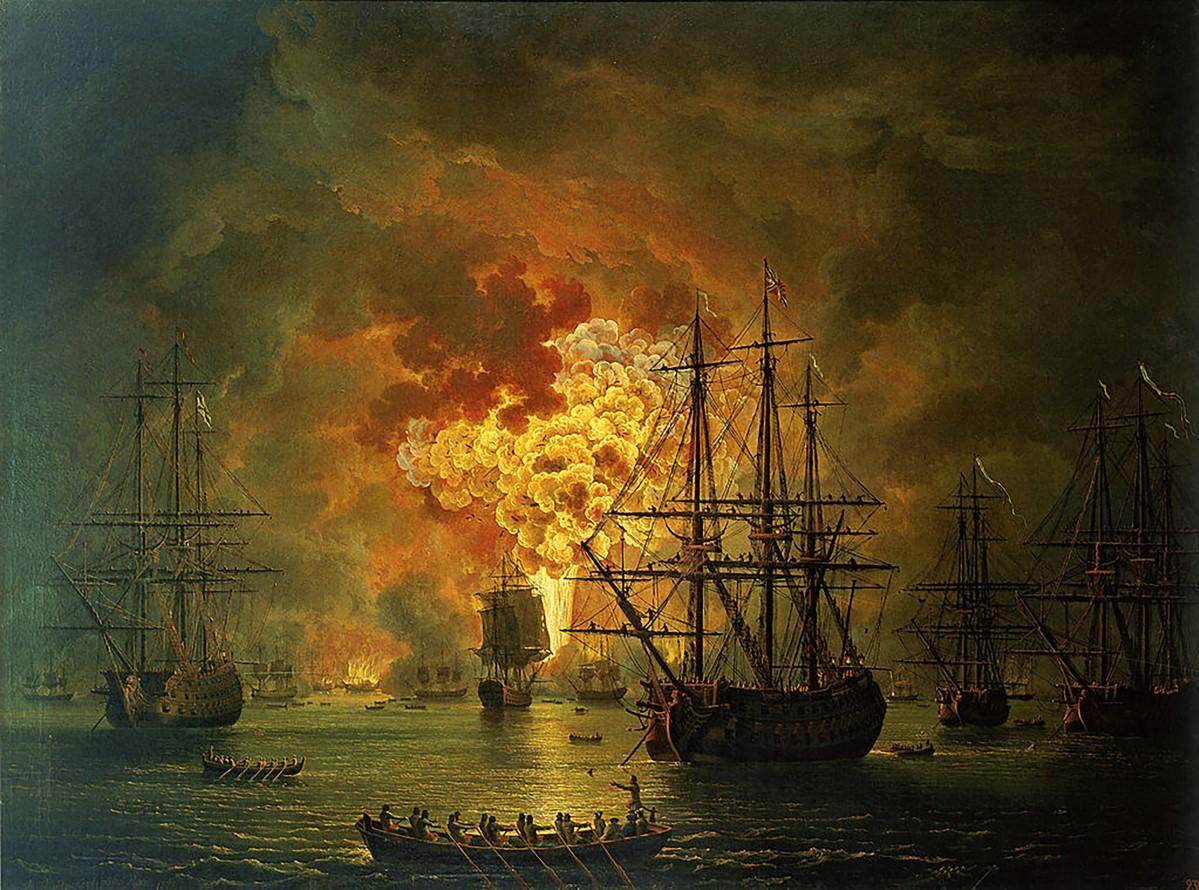 The Battle of Chesme on July 5-7, 1770, between the Russian and the Turkish fleets, by Jacob Philippe Hackert (1737-1807). Photo: Wikipedia.com
It is interesting to note that the well-known French painter Antoine Favray went to Istanbul on board the Corona and spent a number of years there painting oriental scenes and costumes before returning to Malta.
What happened to the Corona afterwards is not really known. In 1768-74, the Turks and the Russians fought a war that included the Battle of Cesme in 1770 when the Turkish fleet was all but destroyed. It may be that the Corona, perhaps under a different name, met its ultimate fate in this battle.
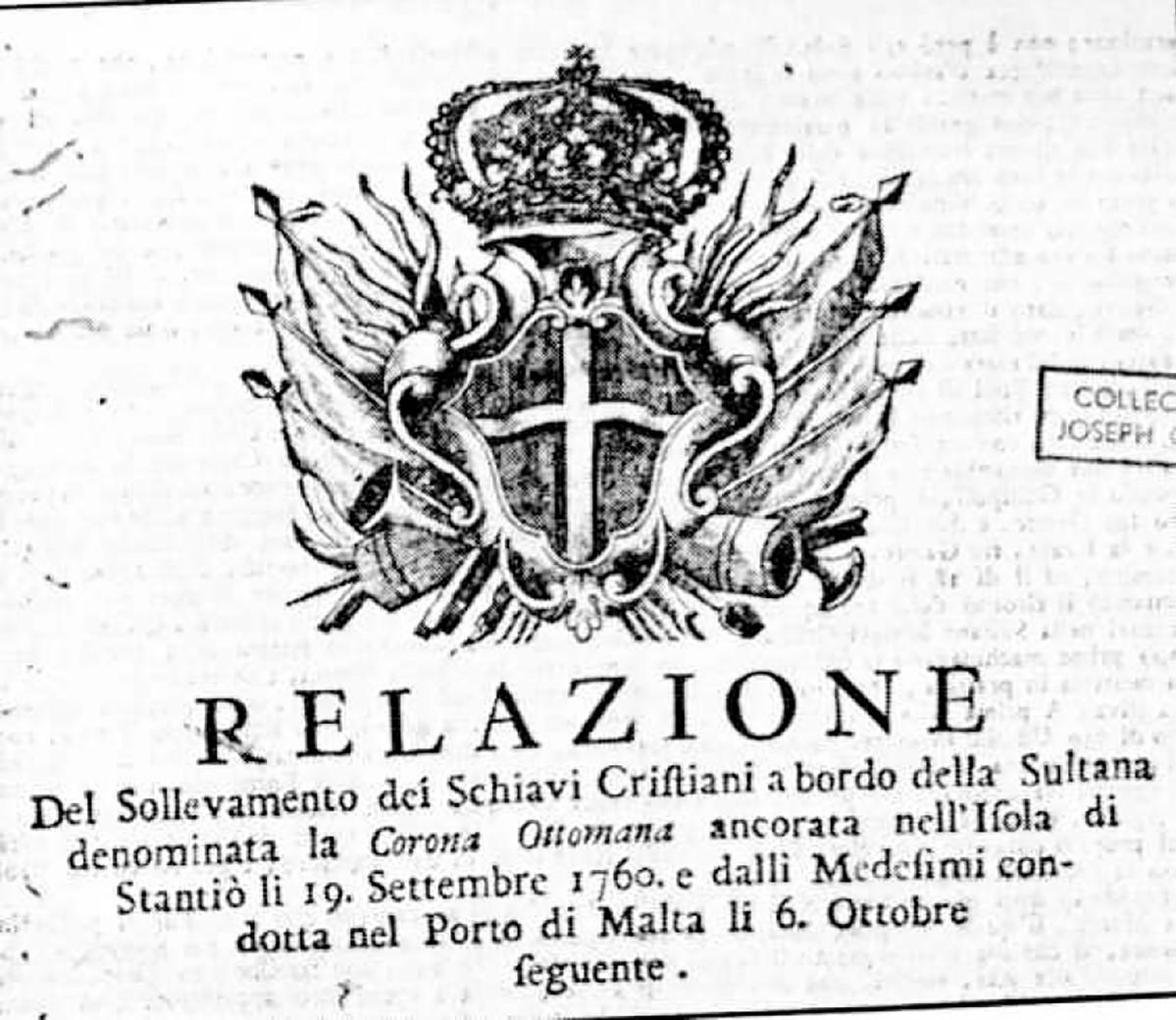 A 1760 account of the capture of the Corona Ottomana. Photo: Midsea Books Ltd
Joseph F Grima is a retired casual history teacher and assistant director of Education.