The future of village festas
Preserving tradition amid transformative change
As Malta looks ahead to 2050, guided by the aspirations of Envision Malta 2050, we are urged to reflect not just on economic growth or technological advancement, but also on the cultural and social institutions that define our national identity. Among these, the Maltese village festa stands out as a vibrant and cherished tradition − but one that may face significant challenges in the coming years.
Village feasts are more than colourful processions and fireworks. They are living expressions of community, faith and locality, shaped over centuries.
But as Malta prepares for a future that embraces sustainability, digitalisation, demographic shifts and climate resilience, festas − like many aspects of our cultural heritage − will inevitably be tested.
Demographic change and community engagement
Malta’s population is ageing and traditional community structures are evolving. Younger generations are increasingly mobile, globally connected and less tied to their village of origin.
The social capital that festas rely upon − volunteers, band club members, organisers and artisans − is under pressure. Who will carry the baton when those who have dedicated their lives to festa organisation retire or pass on?
There is also the challenge of integrating an increasingly diverse population. Can the festa evolve into a more inclusive tradition without losing its distinctiveness? This is a question that demands foresight, not just nostalgia.
Malta’s continued urban sprawl places strain on the traditional village core, where festas are anchored. Public spaces used for processions, fireworks and band performances are increasingly congested or commercialised. Infrastructure development and changing land use can displace festa activities, or make them more difficult to carry out without community disruption.
Moreover, noise regulations and public safety concerns, especially around pyrotechnics, are becoming stricter − and rightly so. Of course, as a festa passionate, these don’t bother me at all, but to the incoming residents, it presents a nuisance.
These developments could make some traditional festa practices logistically or legally unfeasible soon.
Envision Malta 2050 commits to a sustainable and climate-resilient future. In this context, festas must contend with their environmental footprint. The production and detonation of fireworks, the use of disposable materials and the energy consumed during festa weeks contribute to pollution and carbon emissions.
As climate change intensifies, extreme weather events could also impact festa schedules or safety. Outdoor events may become riskier or harder to plan, particularly during the hot summer months when most festas are held.
A forward-looking strategy might involve eco-friendly festa models − from green fireworks to sustainable catering and waste reduction. But these adaptations will require investment, innovation and perhaps a rethinking of deeply ingrained practices.
Infrastructure development and changing land use can displace festa activities, or make them more difficult to carry out
Digitalisation and cultural authenticity
The rise of digital platforms presents both an opportunity and a challenge. On one hand, social media and livestreaming can bring festas to Maltese communities abroad and younger audiences. On the other, there is a risk of turning a deeply communal tradition into a performance designed for clicks and likes.
Authenticity matters. As festas become more visible online, there is a temptation to stage-manage or commercialise them in ways that prioritise aesthetics over community spirit.
The challenge is to use digital tools to amplify, not dilute, what makes the festa meaningful.
A call for dialogue and research
To safeguard the future of the Maltese festa, we must continue or begin a national dialogue that bridges policymakers, festa enthusiasts, local councils, cultural NGOs and researchers.
We need empirical studies that map out participation trends, environmental impacts and youth attitudes towards festa culture.
We need funding frameworks that reward sustainable innovation in cultural practices.
And, above all, we need to empower communities to adapt their traditions in ways that honour the past while embracing the future.
The festa is not a relic. It is a mirror of who we are and who we aspire to be.
As Malta moves toward 2050, we must ensure that this treasured tradition continues to echo through our streets − not as a fossil of bygone days but as a living celebration of community in all its evolving forms.
As a Maltese researcher with a lifelong involvement in village festas, I bring an insider perspective that has significantly shaped my engagement with this study.
From a young age, I have been actively involved in various aspects of festa culture − including contributions to local TV programmes, published articles on the subject and holding different roles within band clubs. I have also been closely involved in church decorations and other organisational elements tied to the festa.
My personal attachment to the village of Naxxar has cultivated a strong emotional and cultural connection to the festa tradition.
While this immersion offers a nuanced and intimate understanding of the festa’s social and symbolic dimensions, I am aware that it may also introduce certain biases in how I interpret data or prioritise narratives.
To mitigate this, I am adopting a reflexive approach throughout my research process − regularly questioning my assumptions, maintaining a research journal and seeking perspectives from individuals with differing levels of involvement.
I am also aiming to include a broad spectrum of voices across different villages and roles to provide a more balanced and representative account.
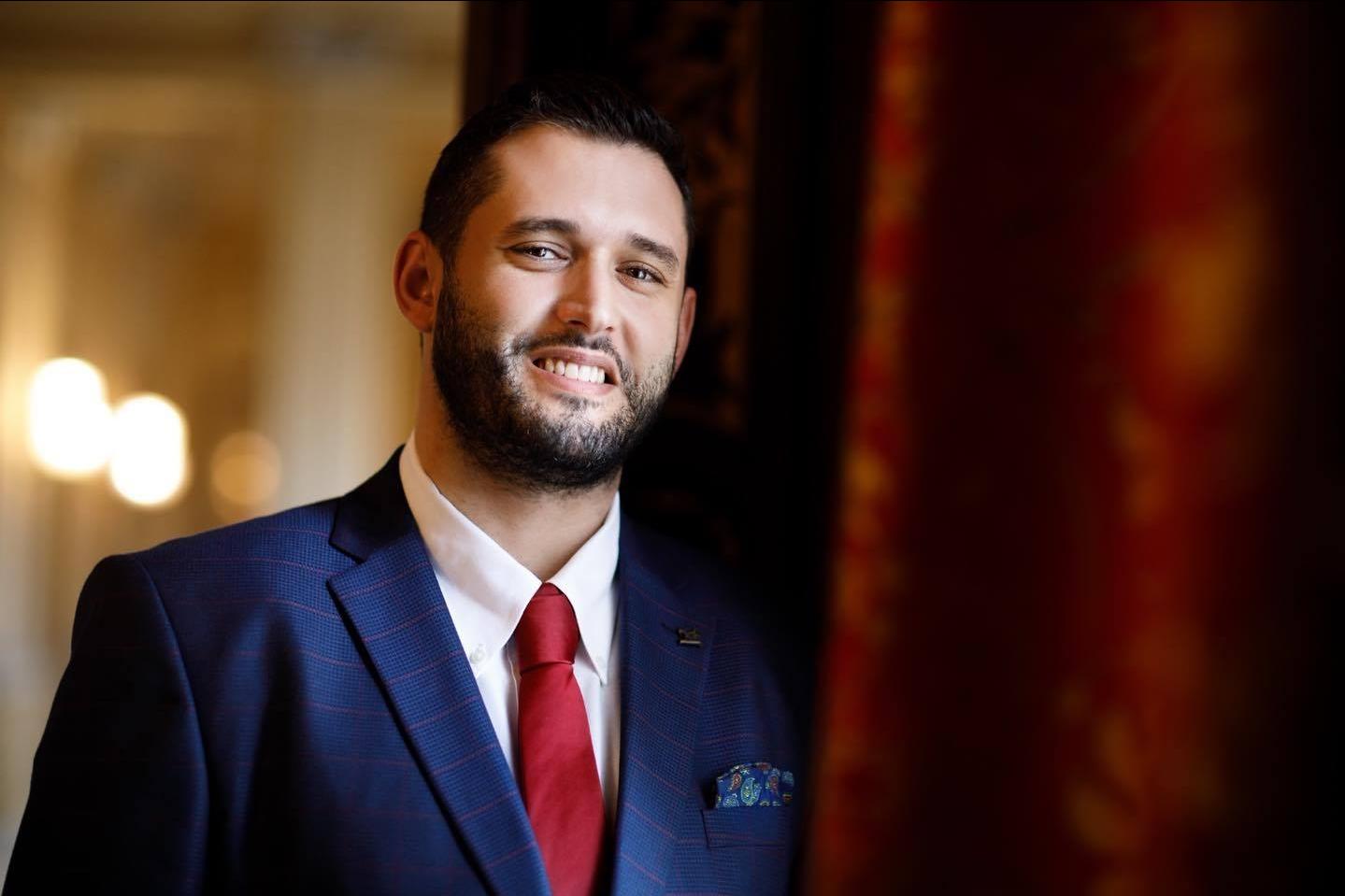
Clifford Galea is reading for a PhD in cultural tourism at the University of Malta. His research focuses on the intersection of tradition, modernity and community resilience in Malta. Galea serves as a high commissioner to Namibia, as president of the North region and also as assistant director to the Culture Directorate.