The human right to life
Before proposing assisted suicide, it would have been wiser for the government to establish the country’s palliative care provision with stronger and better funded resources
End-of-life suffering is an issue that demands the availability of state-of-the-art palliative care, most of which is currently being provided at great sacrifice by Hospice Malta volunteers with some government support. The current proposal of legally assisted suicide indicates an admission of palliative inadequacy or failure.
Perhaps, before proposing assisted suicide, it would have been wiser to first establish the country’s palliative care provision in both Malta and Gozo with stronger and better funded resources as part of the national health service. Such a move would have taken nothing from the excellent work that the Hospice movement successfully pioneered many years ago and could continue providing in future in valuable voluntary support.
There is no doubt regarding the merciful intentions behind the proposed euthanasia law but the immeasurable value of each human life to self and to others puts a heavy burden of responsibility on the legislator and the consulted public invited to share in it.
The legalisation of euthanasia is very controversial and needs to be discerned with great care because it involves difficult ethical, personal, professional, bureaucratic, regulatory and subtle abuse problems. The proposal issued for public consultation is straightforward and full of persuasive safeguards against abuse but paper assurances should not obscure the sordid nature of what the law intends to permit.
The human right to life is fundamental and is legally safeguarded worldwide. But, historically, liberal mankind has found several excuses to justify the undermining of this supreme right in certain life situations, even to the point of ignoring it completely. A growing amoral culture in several countries amended the eternal law forbidding the killing of humans to effectively and increasingly make the acts of homicide, abortion and euthanasia legally acceptable in certain circumstances.
This state permissiveness, however, remains totally unacceptable to discerning billions of righteous people who steadfastly uphold the fundamental right of humans to live from conception to natural death.
If suicide is no longer considered a crime in Malta, the proposed assisted suicide law is not necessary at all. It is just the involvement of third parties charged with assisting in the suicide, and not the suicide itself, that necessitates the bureaucratic details of the new law.
The meticulous rules and safeguards suggested in the proposal serve only to protect such third parties from foreseeable legal accusations, and this demonstrates the seriousness of suicide, its susceptibility to abuse and the huge responsibility that would weigh on all who become involved in it.
The recommended criteria and safeguards envisaged in the law seem well thought out for what is intended but they will not make the proposed law morally good because its sole intention remains the legal facilitation of deliberate termination of human life. There is no genuine dignity in suicide but only a personal will under pressure conflicting with vital moral justice, even if this is done by oneself to oneself and legally assisted by other people on grounds of humaneness.
It is not right for third parties to be required, asked or expected to assist in suicide; and it would be truly unjust if this involvement is imposed on them as an expected duty related to their medical or legal profession. Doctors exist to heal the body and save life, not cause or assist in its extinguishment while lawyers work to ensure justice, not oversee a tolerated suicide.
This point is recognised in the proposed legal safeguards and a doctor’s right of objection to comply on grounds of conscience is provided for. But it is also wrong, then, for the proposed law to legally obligate a doctor who declines his involvement on professional or religious grounds to refer any patient desiring suicide to a medical colleague for the purpose of involving him/her in the commission of the same act that he found objectionable for the same professional reasons that apply to him/her.
Legally assisted suicide indicates palliative inadequacy or failure- John Baptist Pace
Regarding the carefully designed recommended safeguards, experience from past abortion-permitting laws shows that the original strict legal safeguards, proposed in earnest or meant to soften public resistance to controversial laws in-the-making, invariably stand on a ‘slippery slope’ that leads to their gradual erosion, to ineffectiveness by later amendments and slipshod enforcement in the long run.
The proposed law’s safeguards should be considered and secured in the light of this real possibility, if not probability, by unrelenting hones guarding. Any relaxation of the recommended safeguards could open a Pandora’s box of evil.
People must understand that the medical prognosis of the course and end-time of any fatal medical condition is often difficult to be determined and, sometimes, may be pure guesswork.
An untimely suicide committed too early through misjudgement may rob some people of months or years of useful life and could lead to agonising family regrets if a cure of the culprit condition is found shortly after a suicide.
The proposed law strictly demands that the suicide act is to be done by the patient himself/herself in the presence of a medical doctor who is tasked to only observe the dying course and then confirm and certify the death. One presumes that, to be truthful, the death certificate would then state ‘suicide’ as the primary cause of death and the provoking sickness as the secondary cause. The possibility of someone pressing the doctor, on grounds of embarrassment, not to mention suicide in the death certificate is real and it would speak volumes regarding the public’s perception of suicide.
In my humble opinion, the best way to deal with terminal illness is not to make it easy for patients to commit suicide in desperation but to provide a well-organised and well-funded system run by the national health service with a team of experts and well-trained paid staff, ably supported by the irreplaceable dedicated well-trained volunteers working for the highly experienced Hospice movement.
Medical science is advancing very fast and hope springs eternal that, if not a cure, superlative palliative methods will be found for many agonising conditions that are currently intractable, as has been happening increasingly throughout medical history.
Hope and perseverance, encouraged by humane support and continuously updated state-of-the-art palliative management, can prevent the onset of the grave despair leading to thoughts of suicide. It is important that, when a patient indicates a wish to die, an obligatory prompt formal review of the palliative treatment plan by a panel of experts should be made for possible adjustment, while an effort is made to dissuade him/her from the thought of committing suicide by loving support and encouragement.
Hurried modern life is increasingly muting morality and easily succumbing to utilitarian solutions. However, it is wiser and always better to take the bull by the horns than to give in to premature loss of precious life.
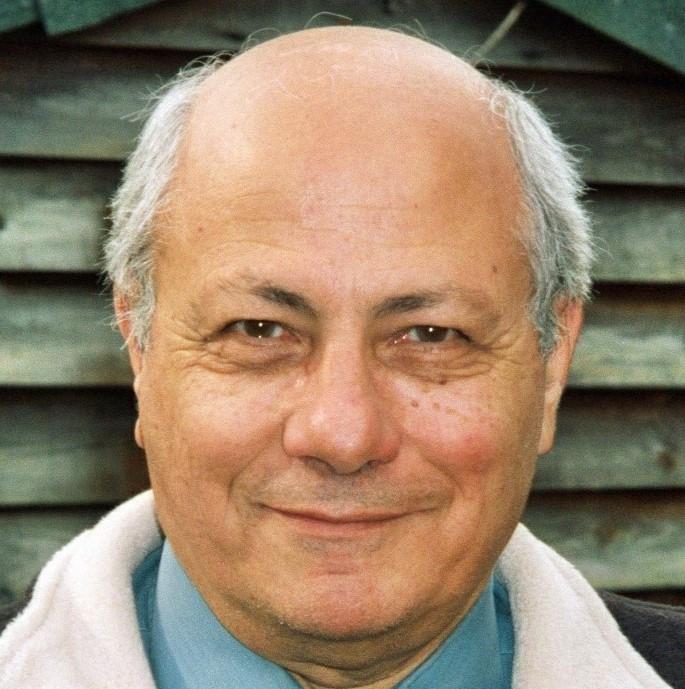
John Baptist Pace is a retired surgeon.