The Maltese connection to the Pacific War
Charles Paris, a Maltese assistant steward on HMS Exeter that was sunk during a battle in the Pacific during WWII, survived atrocious conditions while being held as a prisoner-of-war on a Japanese-held island
Although not as often recounted and discussed locally such as the war in Europe during World War II, there was a parallel war being fought out in Southeast Asia and the Pacific between December 1941 and September 1945. It’s probably due to it being far away from Malta but there were many connections with Malta, mostly related to Maltese ratings serving with the Royal Navy in the Far East.
 Map of the main events of the South-East Asian and Pacific War, 1941-45. Photo: Pinterest
After Japan attacked Pearl Harbour, in the Hawaii Islands, on December 7, 1941, the Japanese attacked British, Dutch and US territories in Southeast Asia and the Pacific. A number of British naval units that were trying to defend those British Empire territories had Maltese naval ratings serving on board. One of them was assistant steward Charles Paris.
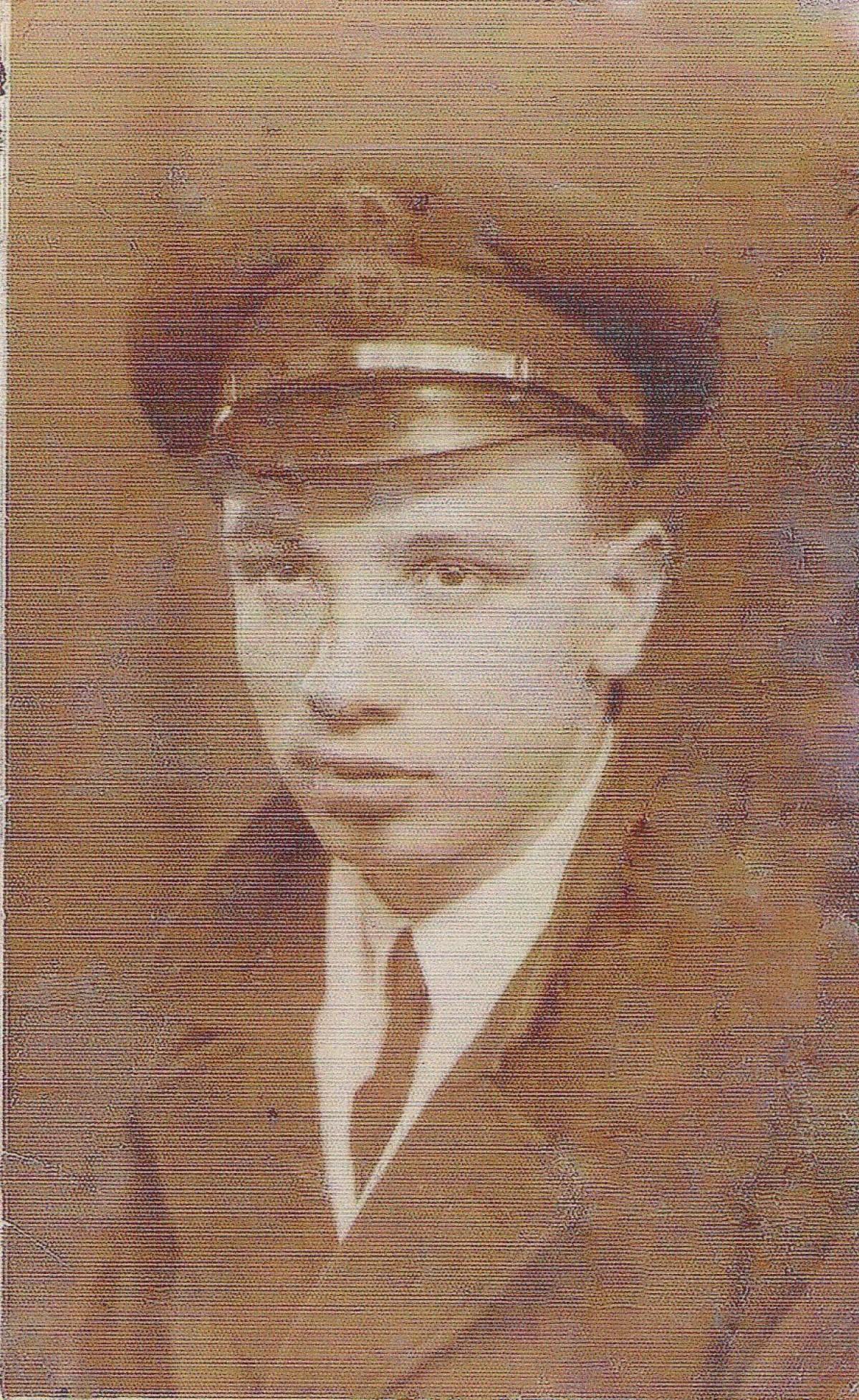 Assistant steward Charles Paris. Photo: National War Museum Archives
Paris was born in Valletta in 1921 and, following in his father’s footsteps, he joined the Royal Navy at HMS St Angelo in January 1940. He was soon drafted with other Maltese ratings on the cruiser HMS Sussex patrolling off the Norwegian coast, Iceland and Greenland in search of German auxiliary cruisers (converted merchant, equipped with guns and torpedoes).
Back at the Clyde, Scotland for repairs due to a fault in September 1940, HMS Sussex was bombed by a lone German bomber. It partially capsized and caught fire. Assistant steward Paris suffered second-degree burns, temporarily lost his voice due to smoke inhalation and needed three months of recovery in a Glasgow hospital. Paris later joined the cruiser HMS Exeter at Devonport, Plymouth. The cruiser was detailed to sail down the West Coast of Africa, round the Cape of Good Hope to Ceylon.
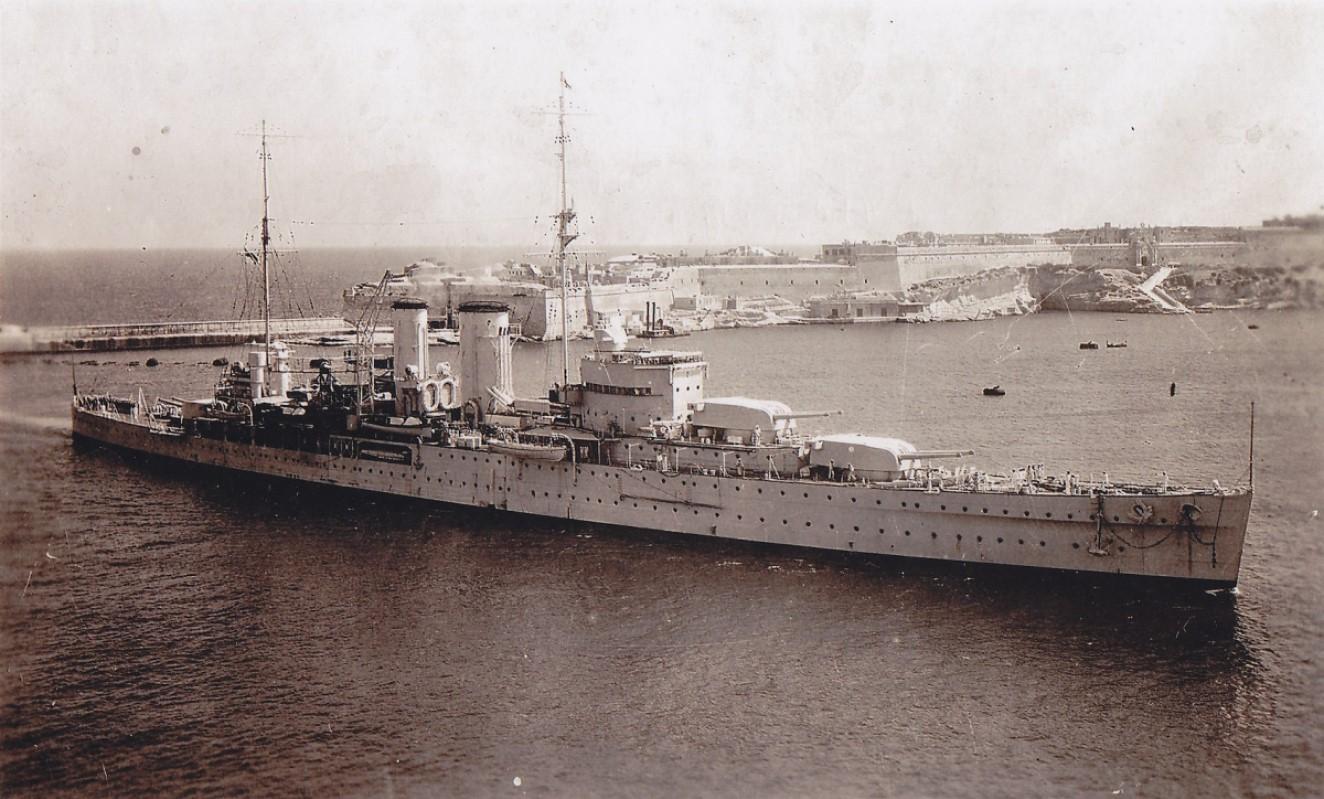 HMS Exeter in Grand Harbour, Malta, 1937-38. Photo: National War Museum Archives.
On December 7, 1941, Japan attacked the US fleet at Pearl Harbour, drawing the US into the war against the Axis. At the same time, the Japanese launched a massive attack against the European empires in Southeast Asia. Immediately, the British Empire found itself in the war against Japan. The American-British-Dutch-Australian (ABDA) Command was formed to stop Japanese aggression.
During the Japanese amphibious landing in the Dutch East Indies, two separate sea battles developed between the Allied and Japanese navies.
Although HMS Exeter was damaged during the first sea battle, the cruiser took part in the Second Battle of Java Sea, which was fought on March 1, 1942. During this battle, HMS Exeter sustained a major hit and was brought to a standstill and started listing to starboard. Captain Oliver Loudon Gordon ordered the crew to abandon ship. The cruiser sank 50 miles south of Borneo.
They suffered immensely due to their treatment like beasts of burden
The survivors, including assistant steward Paris, swimming in shark-infested waters were rescued by an enemy destroyer and became POWsb on the Japanese-held island of Celebes (Dutch East Indies). They suffered immensely due to their treatment like beasts of burden by their captors. Paris underwent surgery to remove stones in his kidneys (diagnosed by doctors in 1942).
After nearly four years of war and destruction, World War II came to an end in Europe on May 8, 1945, known as VE-Day. However, as Europe was celebrating, the war was still being fought in the Far East. More people died during the following three months, until the US decided to drop the two atomic bombs on Hiroshima and Nagasaki (August 6 and 9, respectively) in Japan. We must also bear in mind that the Soviet Union, in accordance with the Yalta Conference in early 1945, between August 9 and 20, 1945, invaded Japanese held-Manchuria, Inner Mongolia and northern Korea. Both the dropping of the atomic bombs and the Soviet intervention led Japan to decide to surrender.
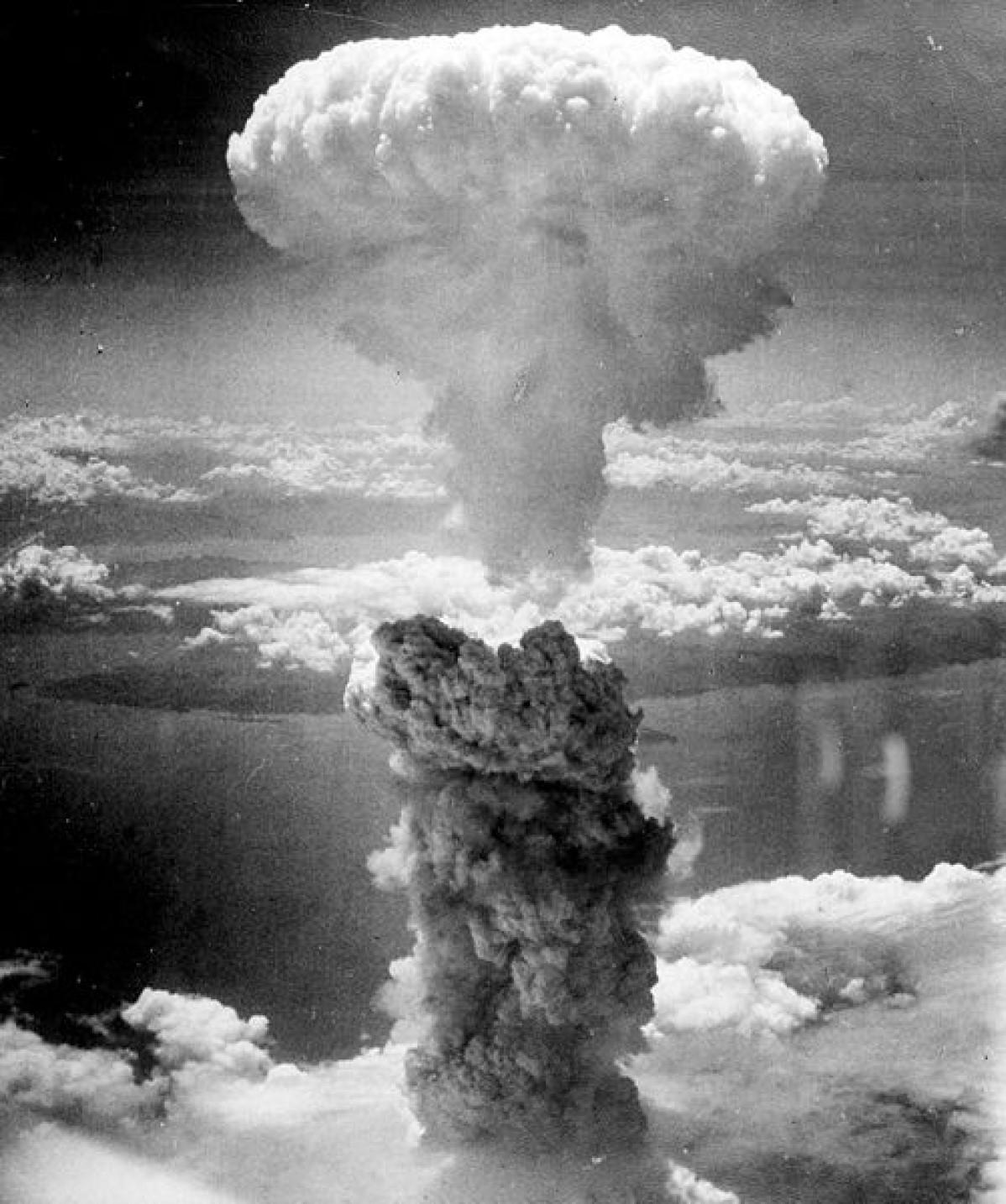
The ‘Fat Man’ mushroom cloud resulting from the nuclear explosion over Nagasaki on August 9, 1945. Photo: Getty Images
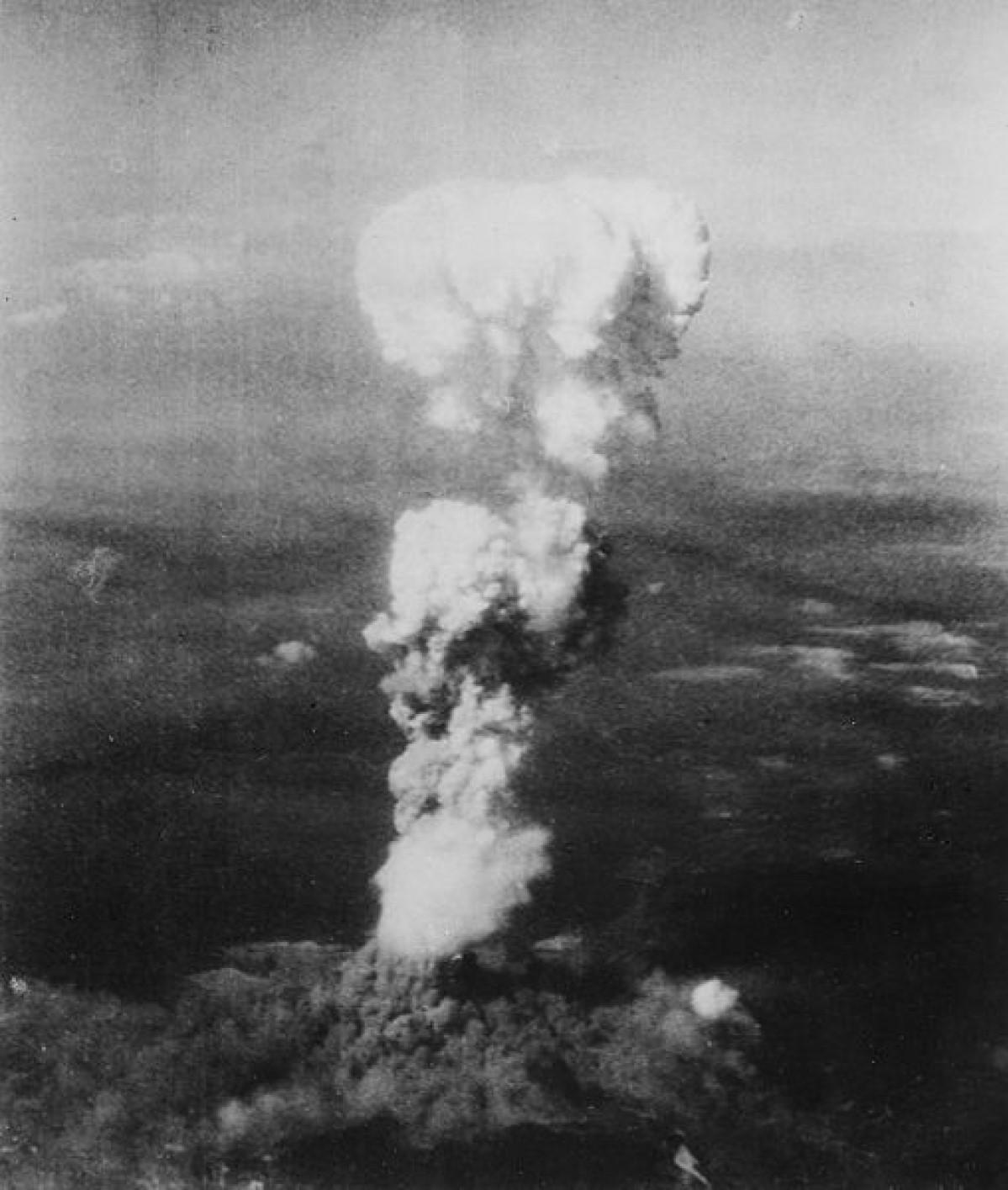
The mushroom cloud over Hiroshima after the dropping of ‘Little Boy’ on August 6, 1945. Photo: Getty Images
What if the US didn’t drop the atomic bombs and, instead, the Allies (Britain/Commonwealth and the US) decided to invade Japan itself? The US had recovered most of the lost overseas territories, including the Philippines, and, with the recent capture of Okinawa and Iwo Jima, they were in a better position for the invasion of Japan. On the other hand, Britain was recovering the lost territories in Southeast Asia, while Australia and New Zealand were liberating lost British territories in the Pacific.
The British Admiralty had proposed a British role in the Pacific in early 1944 but the initial US response had been discouraging. Admiral Ernest King, commander-in-chief of the US fleet and chief of naval operations, was reluctant to concede any such role. British naval planners, supported by the chiefs of staff, believed that such a commitment would strengthen British influence. At last, after the formation of the British Pacific Fleet, which was incorporated in US Navy operations in the Pacific, it became known as Task Force 37 (TF-37).
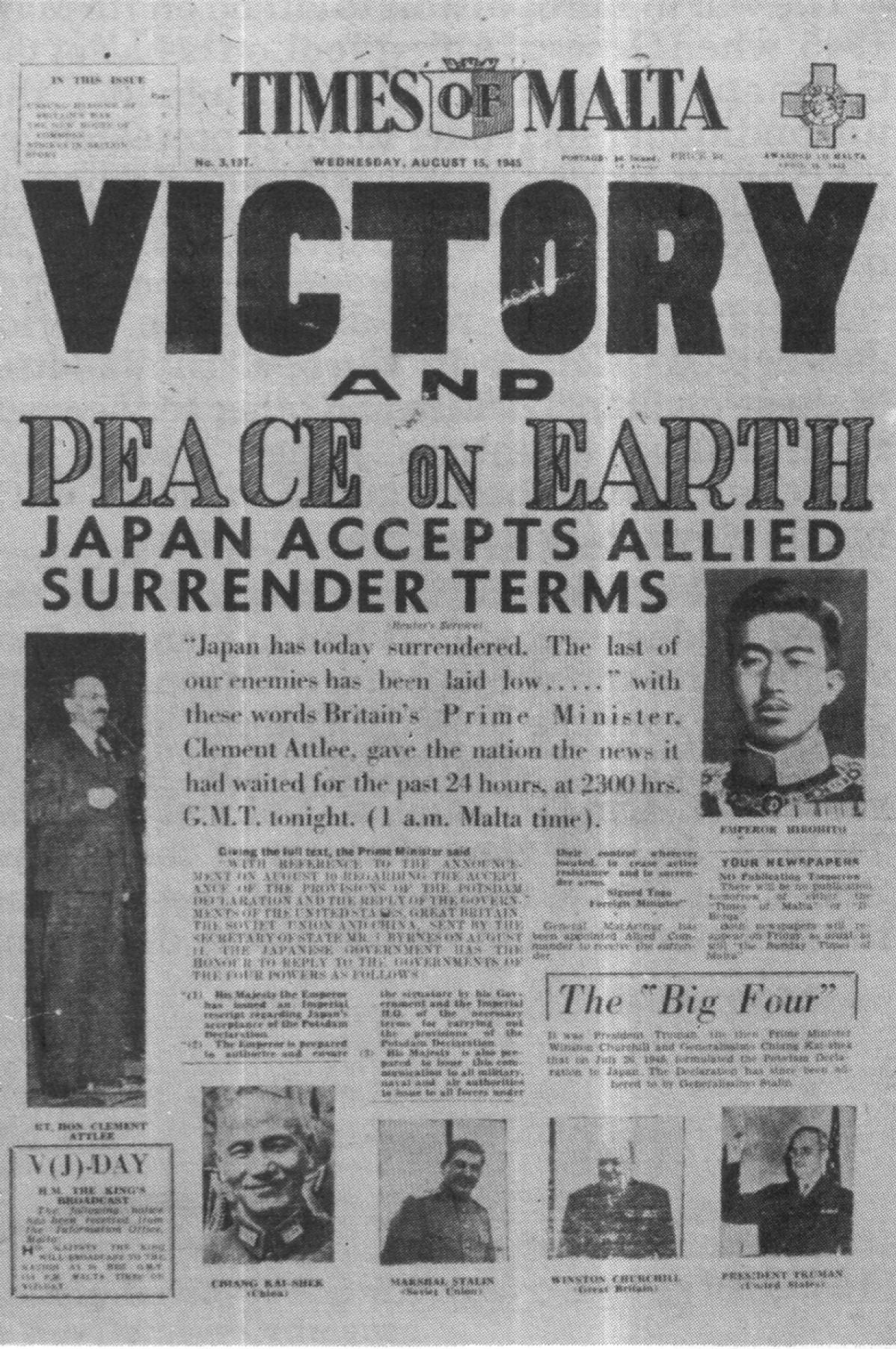 The front page of the Times of Malta edition of August 15, 1945. Photo: National Library of Malta
As we know, Japan was not ready to surrender until no other alternative than that remained in their hands. We know also that the said Allies were preparing for such an eventuality between 1945 and 1946. This was to be dubbed Operation ‘Downfall’, which in turn consisted of two parts: Operation ‘Olympic’ and Operation ‘Coronet’. Operation ‘Olympic’ was to commence in November 1945 and was intended to capture the southernmost main Japanese island, Kyūshū. Then, in early 1946, the Allies would launch Operation ‘Coronet’, the planned invasion of the Kantō Plain, near Tokyo, on the main Japanese island of Honshu. Fortunately, all these sacrifices and losses were avoided, with the surrender of Japan.
Japan’s surrender was announced by Emperor Hirohito on August 15 and formally signed on September 2, 1945, officially ending World War II.
War crimes ranged from sexual slavery and massacres to human experimentation, torture, starvation and forced labour
As the war in the Far East came to an end, we can imagine what assistant steward Charles Paris and fellow Maltese and many other POWs felt when they heard that, finally, Japan was finally defeated, after many years of suffering and beatings by their Japanese captors.
We hear a lot about what the Nazis had done to inmates in concentration camps but we probably know little about the eight million Chinese innocent civilians killed in China and their captured territories.
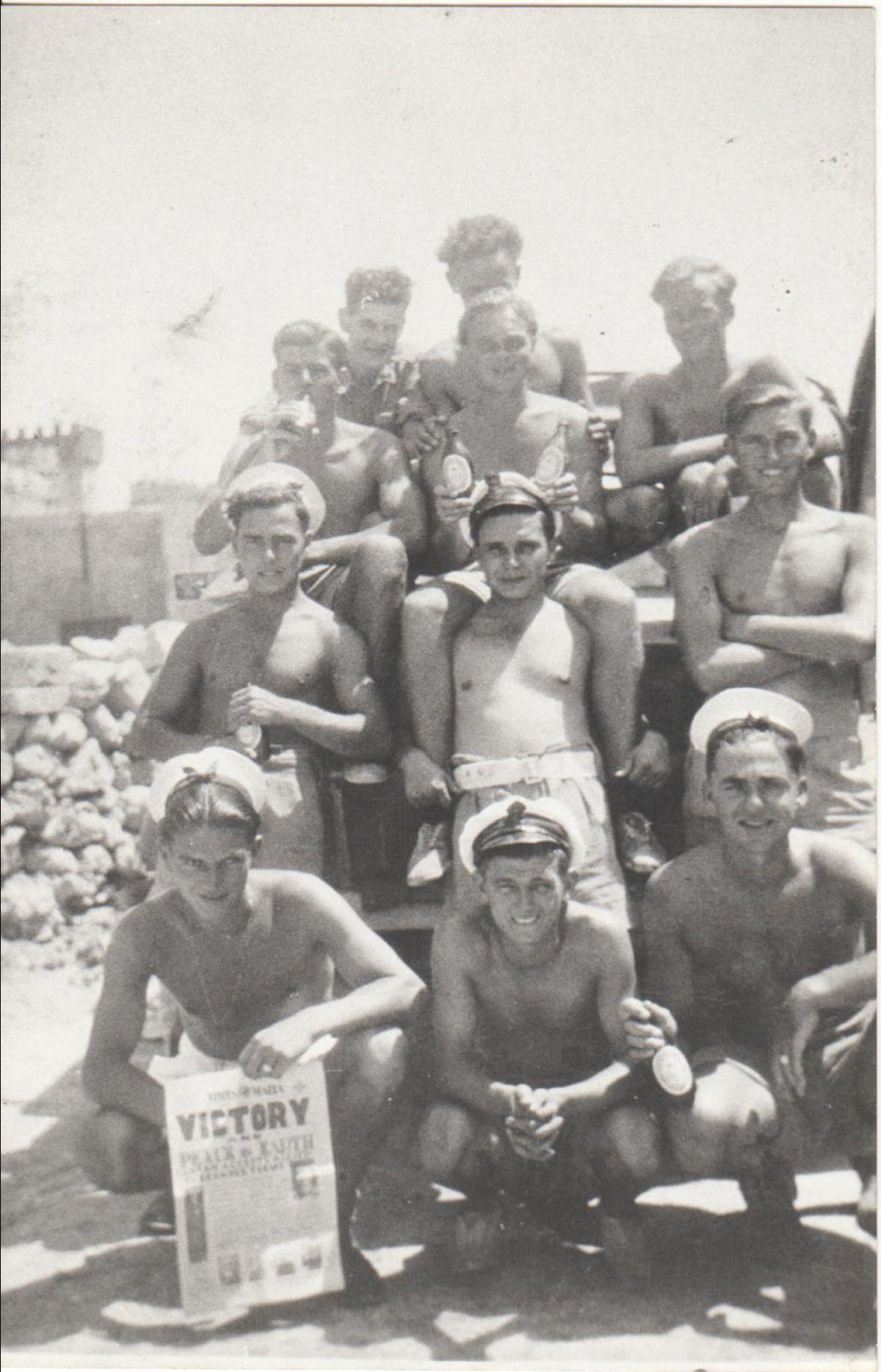 Naval ratings showing the front page of the Times of Malta issue of August 15, 1945, and celebrating with beer the surrender of Japan. Photo: National War Museum Archives
The Imperial Japanese Army (IJA) and the Imperial Japanese Navy (IJN) were responsible for a multitude of war crimes leading to millions of deaths. War crimes ranged from sexual slavery and massacres to human experimentation, torture, starvation and forced labour, all either directly committed or condoned by the Japanese military and government.
In his recent publication, Bryan Rigg in Japan’s Holocaust: History of Imperial Japan’s Mass Murder and Rape During World War II, termed all these sorts of killings as Japan’s Holocaust. Rigg said that the Japanese political and military leadership knew of its military’s crimes, yet continued to allow it and even support it, with the majority of Japanese troops stationed in Asia either taking part in or supporting the killings.
The Imperial Japanese Army Air Service participated in chemical and biological attacks on civilians during the Second Sino-Japanese War (starting in 1937) and World War II (starting from December 7, 1941), violating international agreements that Japan had previously signed, which prohibited the use of poison or poisoned weapons in warfare.
After the end of the war in the Far East in September 1945, Paris arrived in Malta in September 1946. After the opening of the National War Museum in the mid-1970s, Paris donated his rubber sandals to this museum, which were exhibited there for a long time.
Charles Debono is a senior researcher at the National War Museum.