The sacredness of life and the mystery of suffering
Let us debate euthanasia but without abandoning the spiritual dimension in man, which alone elevates him to being an image of God
A White Paper was launched last month outlining plans to permit adults suffering from terminal illness to voluntarily end their lives with medical assistance. The consultative document invited all citizens to participate in the debate.
Helena Dalli, a former European commissioner, in an opinion piece entitled ‘Euthanasia, Your Voice’ (May 30) also encouraged us to engage in this discussion. She stated: “The document reflects a measured approach inviting all citizens to engage in a national dialogue that balances compassion, dignity and ethical responsibility.’’
She affirms that the document “acknowledges the profound moral questions surrounding euthanasia, encouraging a respectful exchange of perspectives to shape a policy that reflects Malta’s deeply held cultural and ethical values”.
Being a Maltese citizen and one who adheres to the Catholic religion, I feel obliged to participate in such a debate that touches profoundly the core of my existence. The White Paper on euthanasia – termed as voluntary assisted dying – made me reflect on my dignity as a human person and the purpose of my existence.
Foe me, religion is not something superfluous or exterior to the way I live and practise my values. It is part and parcel of my very being.
The document gives great emphasis on the dignity of the human person. For us Catholics, the human person is created in the image and likeness of God. To negate or exclude the spiritual dimension in man is to deny the meaning and purpose of his very existence.
The social doctrine of the Church teaches: “Through his spirituality, man moves beyond the realm of mere things and plunges into the innermost structure of reality. When he enters into his own heart, that is, when he reflects on his destiny, he discovers that he is superior to the material world because of his unique dignity as one who converses with God under whose gaze he makes decisions about his life.’’
It is only when we relate our lives as created beings to our Creator that we understand fully the meaning of our existence here on earth. As fragile human beings, we are very much aware that suffering is part and parcel of our lives but, as Catholics, we do believe that suffering is a means of our sanctification.
When Jesus foretold his disciples the terrible things he would suffer and that he would be killed, Peter complained. But Jesus’ reply to Peter was very forceful and without any compromise: “Satan, get behind Me! You are looking at this only from a human point of view and not from God’s.’’ (Mark 8:33)
So, unless we are in tune with God’s plan, we can never fully understand the ‘why’ of our suffering. It is through his suffering and death on the cross that Jesus saved us from sin, and it is by joining our sufferings to his that we participate in the salvific process.
St John Paul II, in his apostolic letter, On the Christian Meaning of Human Suffering, affirms: “To suffer means to become particularly susceptible, particularly open to the working of the salvific powers of God, offered to humanity in Christ.’’
In the same apostolic letter, John Paul II explains that it is because we look at suffering from a human point of view that we abhor it and try to avoid it but through faith in Jesus and with his grace, we would be able to embrace it because, through suffering, we shall be able to be transformed into better human beings.
As Catholics, we believe that suffering is a means of our sanctification- Ray Azzopardi
Pope John Paul II states: “A source of joy is found in the overcoming of the sense of the usefulness of suffering, a feeling that is sometimes very strongly rooted in human suffering. . . The discovery of the salvific meaning of suffering in union with Christ transforms this depressing feeling. Faith in sharing in the suffering of Christ brings with it the interior certainty that the suffering person “completes’’ what is lacking in Christ’s afflictions, the certainty that in the spiritual dimension of the work of redemption, he is serving like Christ, the salvation of his brothers and sisters. Therefore, he is carrying out an irreplaceable service.’’
It is only through faith and a firm belief that suffering is a means of one’s sanctification that one can embrace it and accept it with great patience. So, unless the individual who is suffering and those surrounding him/her, be they relatives or medical professionals, see suffering in this light, one wouldn’t be able to grasp the mystery and usefulness of suffering.
This in no way means that one shouldn’t do one’s utmost to alleviate pain and relieve suffering. This is precisely the purpose of palliative care. Pope Francis, when speaking to an interfaith symposium on Palliative Care in 2024, affirmed: “Palliative care is a genuine form of compassion for it responds to suffering, whether physical, emotional, psychological, or spiritual, by affirming the fundamental and inviolable dignity of every person, especially the dying, and helping them to accept the inevitable moment of passage from this life to eternal life.’’
To the question posed by Rebecca Buttigieg, Parliamentary Secretary for Reforms and Equality, in her article entitled ‘When Compassion Calls’ (June 3), where she queries “Should people have the right to make decisions about their dignity and quality of life in the face of terminal illness?’’, I refer her to the teachings of the Catholic Church to which the majority of Maltese who profess to be Catholics adhere to.
The Church teaches: “Human life is sacred because from its beginning, it involves the creative action of God, and it remains forever in a special relationship with the Creator who is the Sole End. God alone is the Lord of life from its beginning until its end: no one can under any circumstances claim for himself the right to directly destroy an innocent human being.’’ (Donum Vitae,5).
Let us by all means debate euthanasia but without abandoning the spiritual dimension in man, which alone elevates him to being an image of God.
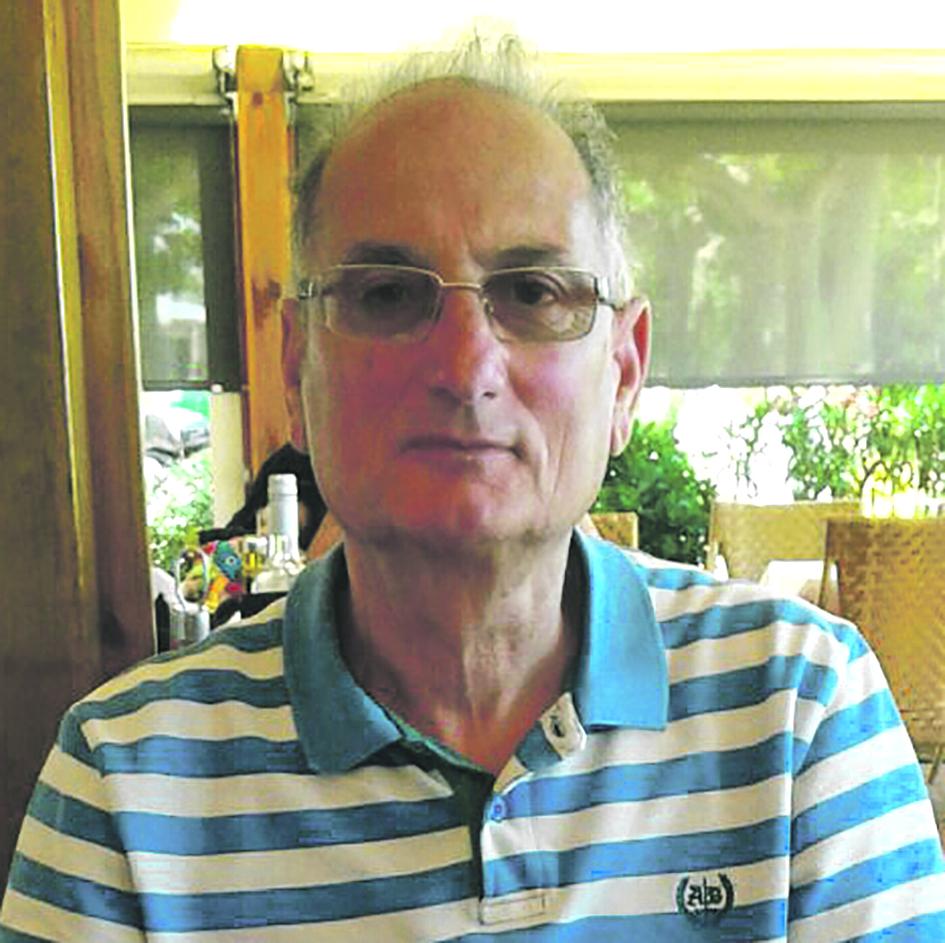 Ray Azzopardi
Ray Azzopardi is a former headmaster.