The Unione Cattolica San Giuseppe’s founding in 1910 - forerunner of APS Bank
The economic and social background behind the setting up of this entity whose banking activities eventually evolved into APS Bank
The industrial revolution of the 19th century brought in its wake new challenges and problems that elicited different secular responses, ranging from laissez-faire capitalism to state socialism.
Laissez-faire – the economic doctrine of individualism as opposed to the collectivism of state socialism – advocated non-interference by the state in economic affairs and was derived from the teachings of classical economists, including Adam Smith, Thomas Robert Malthus and David Ricardo, and from the tradition of Jeremy Bentham and the Philosophical Radicals of the Manchester School.
Meanwhile, state socialism derived mainly from the writings of Karl Marx with his theories of the class struggle and the economic laws of capitalist society.
Christian ideas and initiatives responded to the new industrial society in Europe and North America. Malta was no exception, and the local Church, just like the Catholic Church worldwide, was worried about the poor conditions of the working classes and the numerous underprivileged sectors of society.
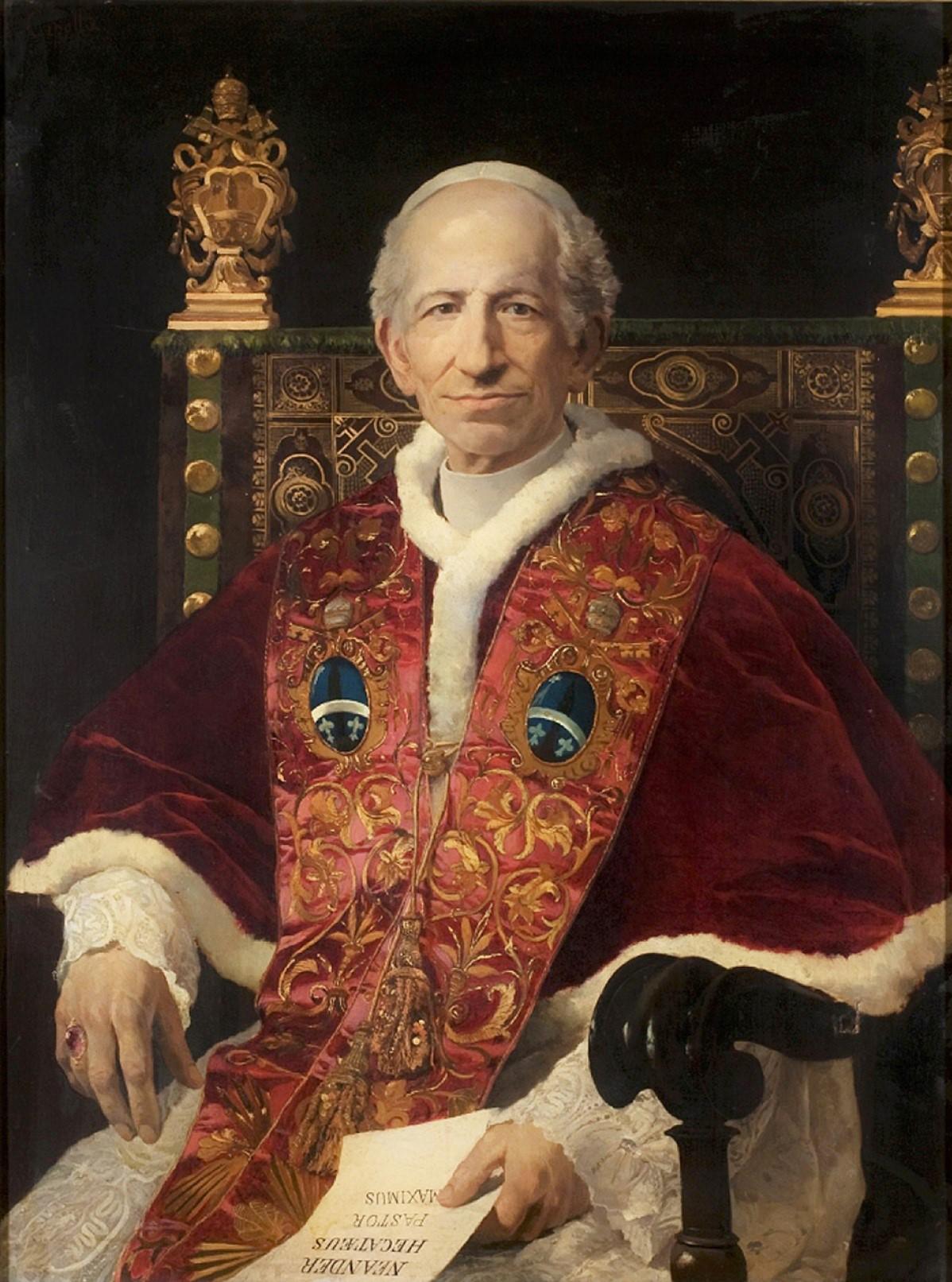 Portrait of Pope Leo XIII (1810-1903, reigned 1878-1903), by Fabio Cipolla (1854-1935) Photo: Wikipedia Commons
The main initiative was taken by Pope Leo XIII, who denounced both materialism and socialism. He publicly expounded the Catholic Church’s attitude to the social and political ideas of the day and, in his famous 1891 encyclical Rerum Novarum, he analysed the conditions and problems of the working class with generosity, understanding and realism.
In today’s context, Pope Leo XIII’s social analysis was elementary and what he said about the unions was timid but, in the context of 1891, his words were revolutionary. In this encyclical and other letters, Pope Leo restated the Christian ideas in relation to the changing patterns of social life.
The Church promoted public official social justice but, simultaneously, was in favour of workers’ self-help. The self-help initiatives centred mainly on the creation of groups for mutual help – società di mutuo soccorso, as they were known. Self-help could also include meaningful help to workers by encouraging them to save a very small portion of their earnings to be used in case of a rainy day.
Mutual help’ societies helped to alleviate the sufferings of the working class by providing their members with financial backing
Social services were conspicuous by their absence in those days. Nowadays, such services are an integral part of daily life and many just cannot imagine how life can go on without this ‘taken-for-granted’ state assistance. But the reality of those times dictated that one could easily become destitute due to, say, prolonged illness or the death of the family breadwinner.
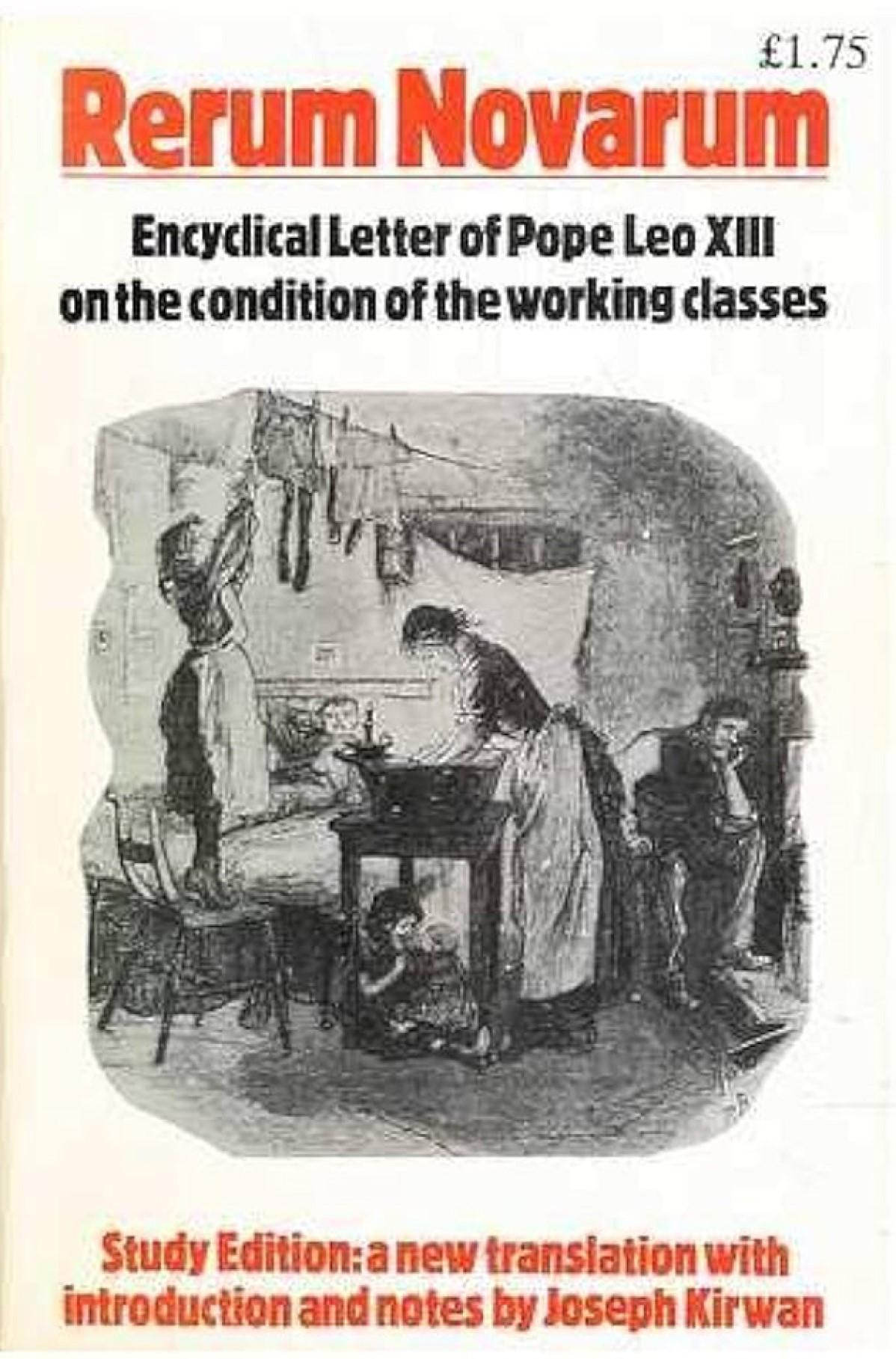 An English version of Pope Leo XIII’s important encyclical Rerum Novarum.
‘Mutual help’ societies helped to alleviate the sufferings of the working class by providing their members with financial backing in cases of illness through monetary benefits, the services of doctors and the provision of medicines, and sometimes by helping to defray part of the cost of funerals in cases of death. It is within this context of suffering and deprivation that these societies came into being, and became the forerunners and pioneers of the present National Security and social services.
Malta did not lag behind in the creation of these worthy initiatives, which were extended to either the whole of the island or to small particular groups. As far back as 1664, there had existed the Veneranda Sodalità dei Preti that used to contribute 60 scudi to sick priests whose illness precluded them from carrying out their pastoral duties; it was still in existence in the 1980s.
In 1863-64, articles in L’Arte argued in favour of the setting up of Mutuo Soccorso societies; this was followed by a long article by the editor Dr Nicola Zammit, entitled Piano per una Fratellanza Artigiana in Malta that not only argued in favour of such societies but also proposed a detailed statute that could be adopted by such future organisations. When mutuo soccorso societies actually come into being in Malta, their statutes were based on the piano Zammit had started to lay out in 1863-4.
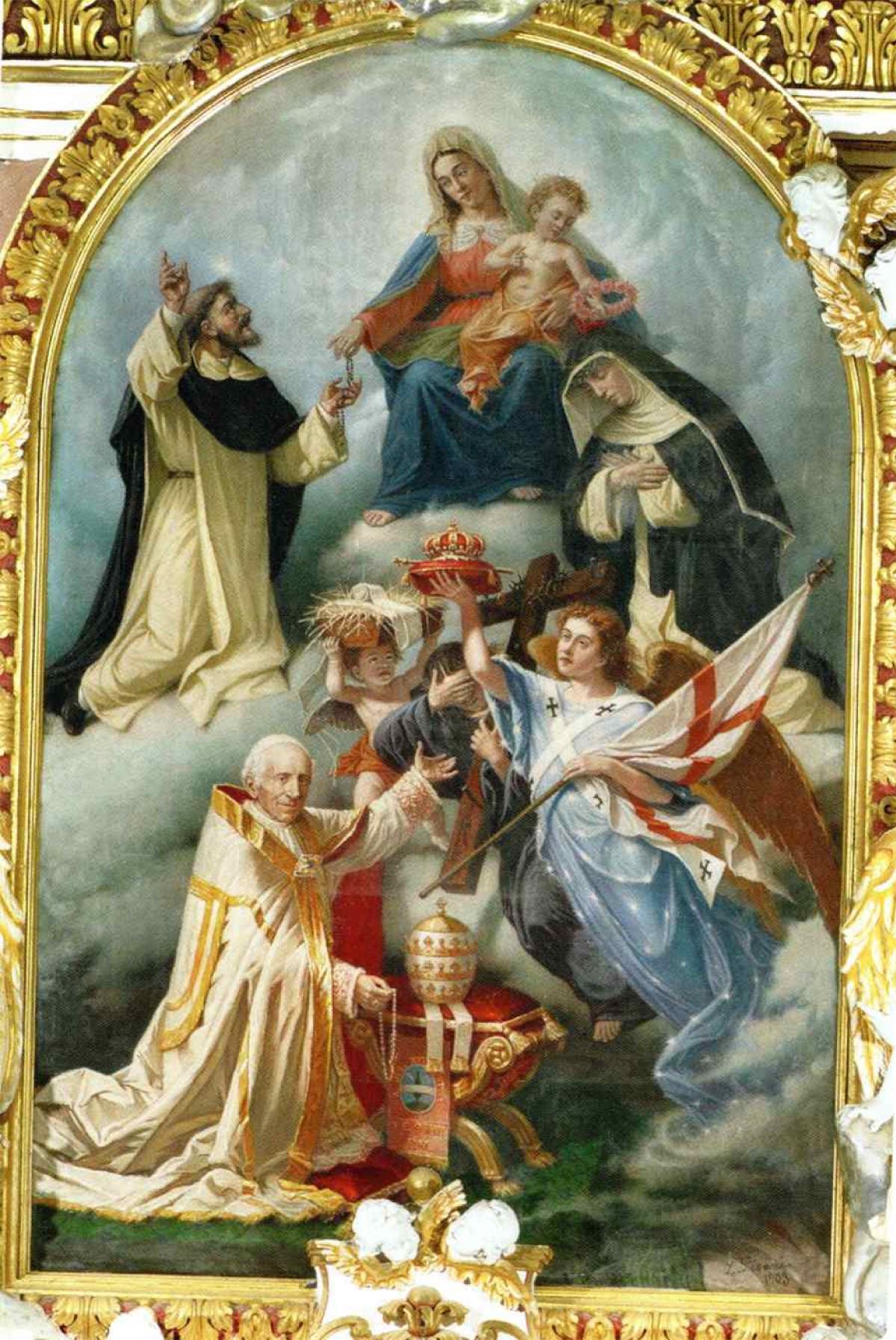 A 1903 depiction by Lazzaro Pisani of Our Lady of the Holy Rosary that includes Pope Leo XIII in the foreground. Pope Leo issued the encyclical Rerum Novarum in 1891.
In 1884, Angelo Caruana, an engineer from Senglea employed at the naval dockyard, issued an appeal for the formation of a mutual help society (mutuo soccorso) in which members would pay one shilling per month and, in return, they would be given medical attention and medicines for 40 days. If a member of this society died, his widow would be accorded some money and the payment of the funeral expenses.
The society, the Società di Reciproca Assistenza fra gli Artigiani Maltesi – Società Operaia Cattolica San Giuseppe, thrived, with fundraising activities including lotteries, bazaars and fairs that continued until its dissolution in 1979.
Similar mutual help societies followed in the early years of the 20th century when a number of band clubs set up their mutual help societies.
In those days, the village band club was the only social and cultural centre of the locality, where the majority of the members hailed from the working class. A number of clubs wanted to ensure that their members’ welfare would be taken care of in cases of illness, loss of work or death.
The two Valletta band clubs, La Valette and King’s Own, set up their own mutual help societies for their members in 1905, followed in 1906 by St Michael Band Club of Żabbar. This initiative took root and mutual help societies were set up in band clubs at Ħamrun (St Joseph) in 1906; Vittoriosa (Duke of Edinburgh) in c. 1908; Floriana (Vilhena) in c. 1911; Senglea (Queen’s Own) in pre-1912; Rabat (Count Roger) in 1917; Żebbuġ (de Rohan) in 1922; and Żejtun (Beland – unknown).
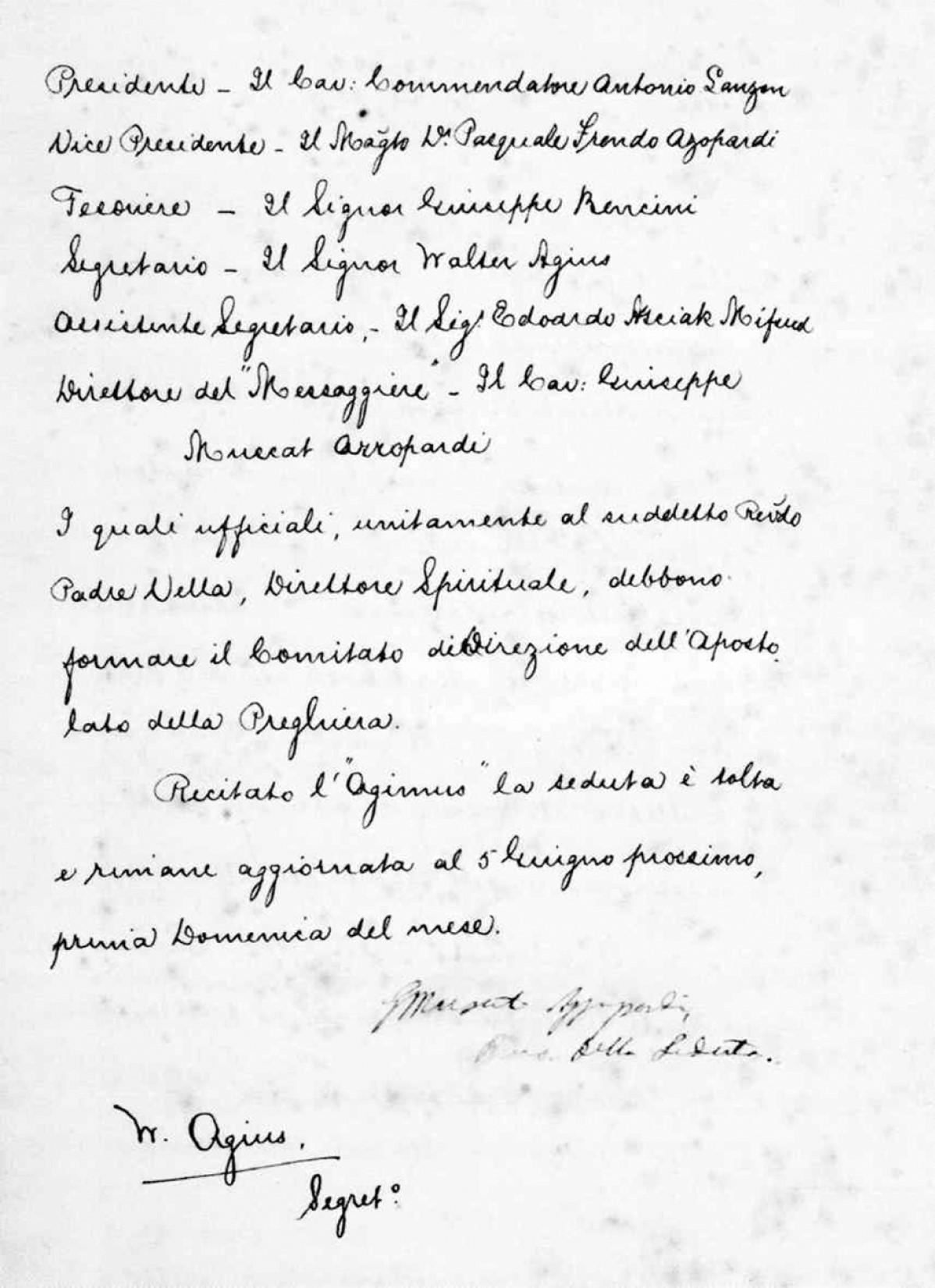 Part of the minutes of the first meeting of the Unione Cattolica San Giuseppe that also included a list of the first members and the offices they were assigned. Photo: APS Bank plc
Although banking was well established in Malta by the end of the 19th century, there existed only one real savings bank, since the others were mainly commercial banks. November 1833 saw the official foundation of the Government Savings Bank – the Provvido Banco Maltese per Risparmi (Maltese Provident Bank for Savings) – to which Archbishop Francesco Saverio Caruana gave his patronage. It started with eight depositors on January 4, 1834, a number that increased to 180 by the year’s end.
Between 1838 and 1848, this bank operated jointly with the Monte di Pietà, the main charitable pawnbroking institution in Malta. On December 25, 1848, the administration costs of both institutions were assumed by the government as part of its Treasury and, naturally, all profits were passed to the government. This official link with the government Treasury was to be maintained throughout its life.
During the 19th century, employment in Malta relied rather heavily on the British Imperial policy, which was bound to fluctuate in accordance with the international situation. The prosperity of the Maltese islands had come to mainly depend not on the amount of trade the Maltese were able to create with other Mediterranean countries but on how much the British Treasury spent to safeguard its important Mediterranean sea-routes and on the upkeep of its Malta naval base.
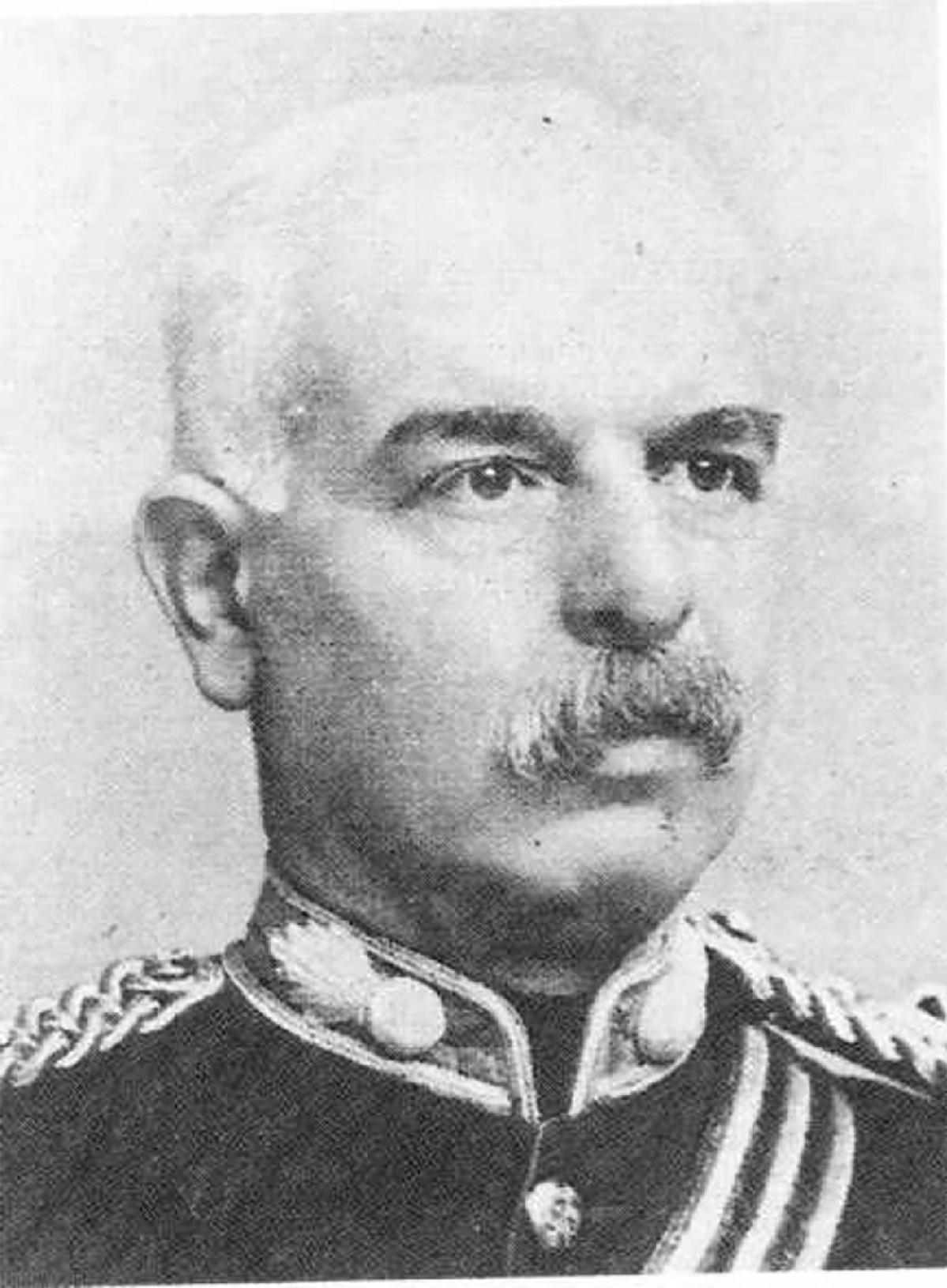 Colonel Prof. Dr Lorenzo Manchè, founder member and treasurer of the Unione Cattolica San Giuseppe up to his demise in 1921.
The opening of the Suez Canal in 1869, a strategic development on the Imperial maritime highway joining the mother country to the Far East, with special emphasis on India, had brought an economic boom to the islands, which not only became a very important coal-bunkering station but brought about the building of important military installations and major harbour works, culminating in the building of the Grand Harbour breakwater between 1903 and 1910, for which foreign labour was needed and imported.
But this could not last. The peak of incoming shipping had been reached in the 1880s, when a decline followed due to more efficient steam engines that enabled ships to bypass Malta which, having only a limited trade of its own, could not attract passing vessels in large numbers.
In 1902, the naval fleet stationed locally was reduced by six battleships and the military garrison by two battalions, which meant a loss of not less than £400,000 annually to Maltese industries and services. There was difficulty in finding work, unemployment was high and wages remained low. In 1913, it was stated in the British House of Commons that local wages had remained practically unchanged during the preceding 30 years. It was thought that the only real solution was emigration.
In 1768, the Jesuits had been expelled from Malta by Grand Master Pinto, followed five years later by this order’s suppression by Pope Clement XIII. The Jesuit Order was again restored in 1814 and, in 1845, a Jesuit school was opened in Malta. The Jesuits were to open other schools in the 19th century, culminating in the foundation of St Aloysius’ College at Birkirkara in 1907.
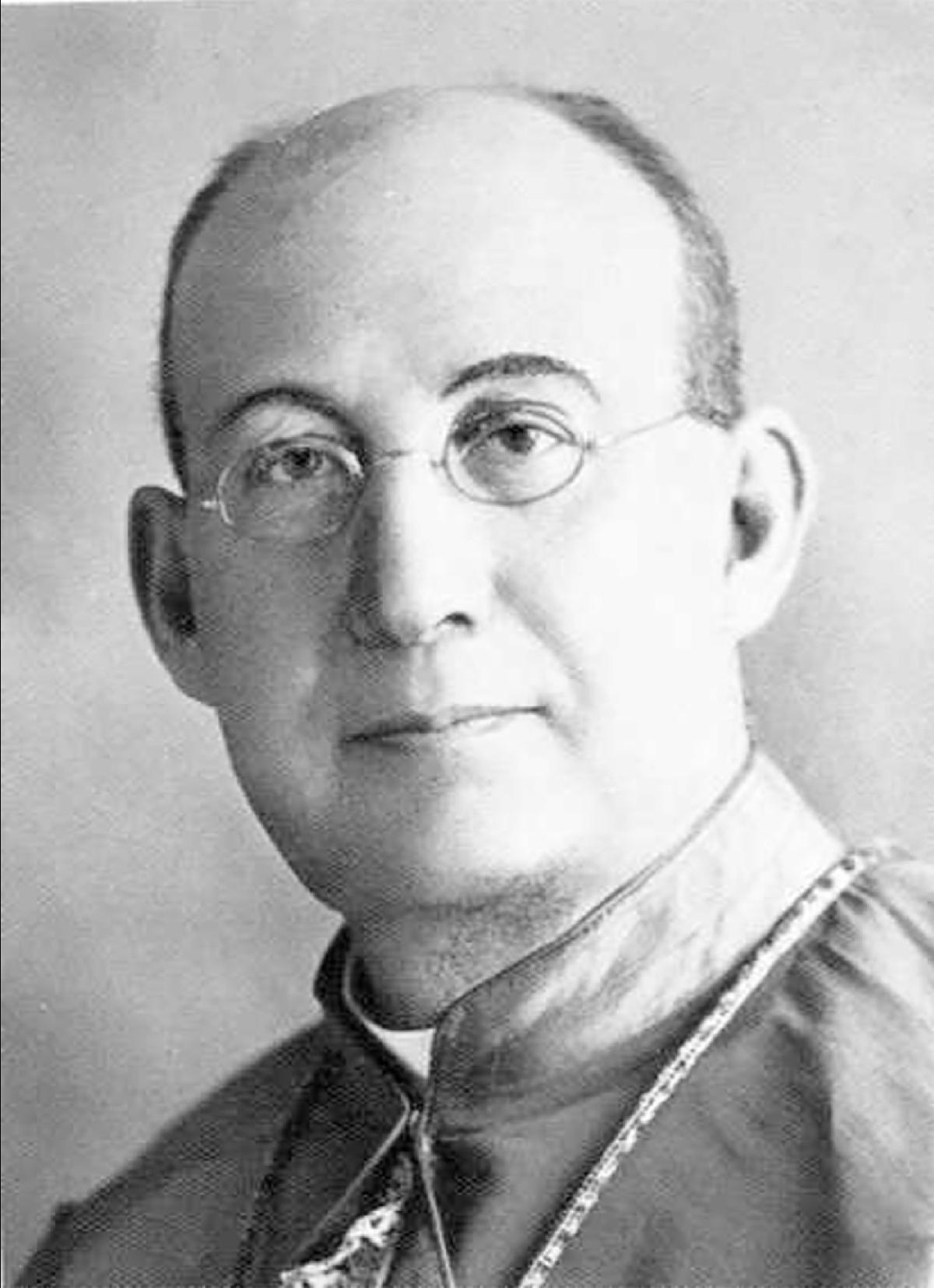 Mgr Paolo Galea, one of the first members of the Unione Cattolica San Giuseppe and who eventually became its factotum.
However, the point of our interest here is that the Jesuits were very active promoters of the Apostleship of Prayer, a religious activity in Malta that continued unabated almost till the present times.
It was within this background of prayer, the creation of mutual help societies, the instilling of the idea of self-help, a savings bank fully controlled by government, the fostering among the working classes of an awareness of the social teachings of the Catholic Church, the desire to implement these teachings in a tangible way, and economic despondency that the Jesuit Fr Michael Vella (1859-1912) convened a meeting on May 8, 1910, that was to lead to the formation of the Unione Cattolica San Giuseppe, which was destined to be involved in “banking, mutual help, printing and the local press, and the National Front”, among other activities.
Its involvement in banking activities was ultimately to lead to the foundation of the present APS Bank.