‘They had no way out’: Father recalls losing wife and son in EgyptAir hijack
40 years on, Edward Leonard recalls every detail of the night that reshaped his life
Edward Leonard can still picture the stroller pulled from the wreckage. Forty years after the EgyptAir hijack claimed his wife and baby son on Malta’s runway, the Canadian father recalls every detail of the night that reshaped his life.
What remains is a box of documents, memories and an anniversary he never needs a date to remember. The EgyptAir hijack of November 23, 1985, is widely regarded as the deadliest rescue attempt in aviation history. Some 58 passengers and crew died when the Boeing 737 was forced to land in Malta and stormed by Egyptian commandos after a 22-hour standoff.
It triggered a gun and grenade battle that left the plane filled with smoke and riddled with bullets. The catastrophe ended in a fireball from hell, with the bodies of hostages found literally fused to their seats in the two-minute storming fiasco. To this day, the disaster remains a political, diplomatic and human wound. While the siege unfolded, Leonard, then aged 37, was thousands of kilometres away in Saudia Arabia, awaiting the arrival of his wife Valinda and their 16-month-old son Andrew. They had been living apart and she would come to stay when she could get a spousal visa. Leonard has a mental log of all those visits but that planned reunion in 1985 would put an end to it all.
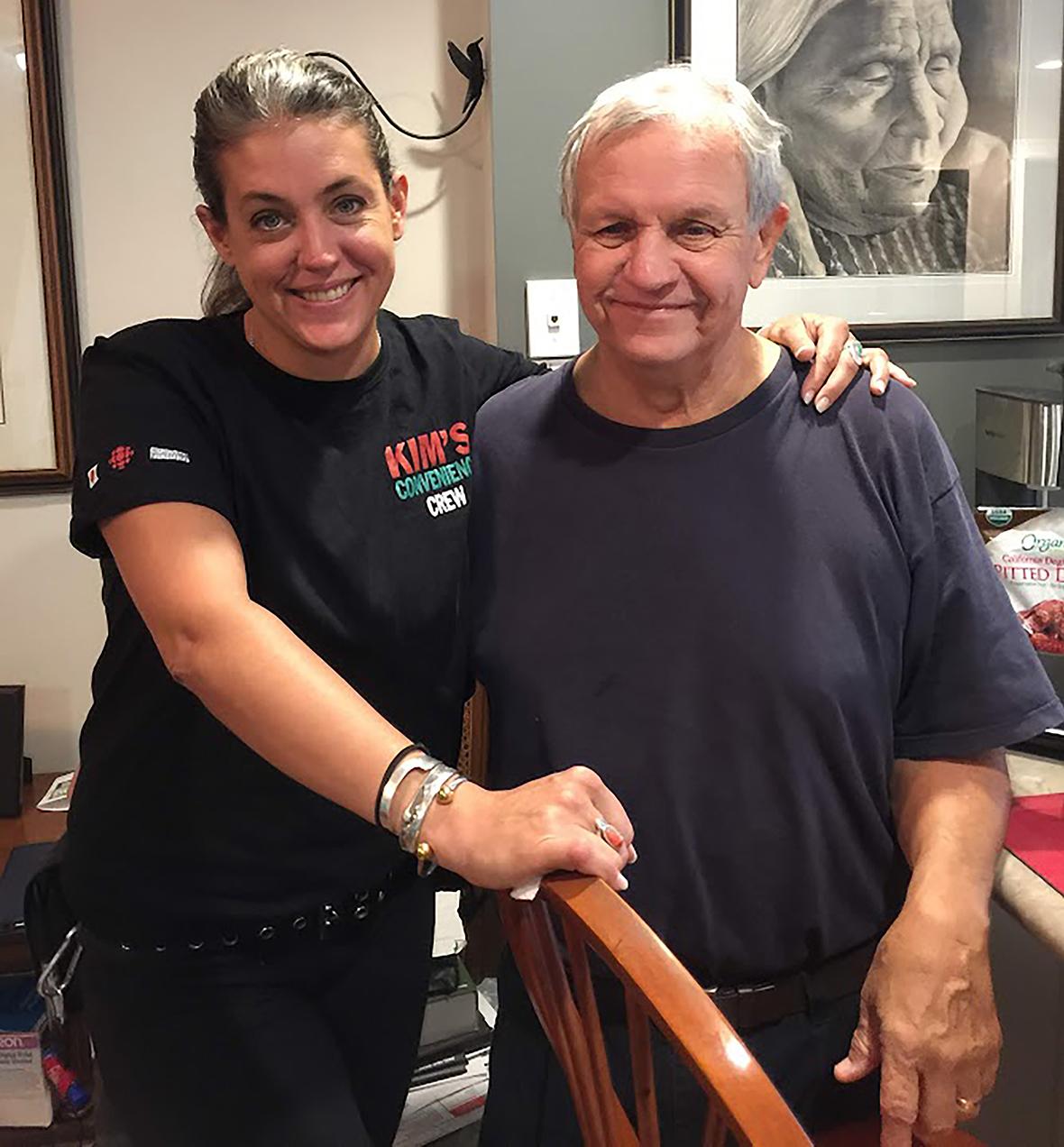 Ed Leonard and his duaghter Chloe today.
A fateful decision
Leonard, a landscape architect, met Valinda in Calgary in 1981. They married and had their son Andrew on July 24, 1984. On this trip she had booked a cheaper route through Cairo. This was a fateful decision.
“I was with our friends when we heard the shocking news of an EgyptAir plane being hijacked and diverted to Malta,” Leonard recalls.
“When it became evident this would drag on for some time, I left their home and went to a hotel where I could receive and make phone calls, without bothering them and their young family.
“All media was heavily censored in the KSA in those days, and there was no internet or cell phones, so I was effectively cut off from the events happening thousands of kilometres away,” he says.
His family in Ontario relayed what little they could through intermittent international calls. After the storming of the aircraft began and the aftermath became clear, Leonard spent the next few days in a state of shock and disorientation.
The Canadian government intervened, arranging for an aide to accompany him to Malta. It was a long journey via Switzerland and Italy that ended in the horror of having to identify the body of his wife and son.
“Valinda’s body was laid out on the floor of a hangar among those of many other burned and disfigured victims,” Leonard recalls.
“Thankfully, it was intact, and the burns and injuries she sustained were hidden on her back. But they had to await my arrival, even though it was apparent she was a Caucasian female.
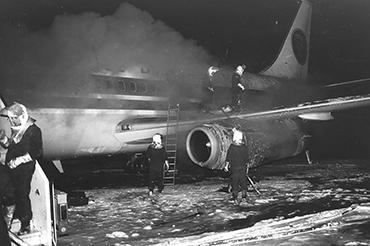
The Boeing 737 was forced to land in Malta and stormed by Egyptian commandos after a 22-hour standoff.
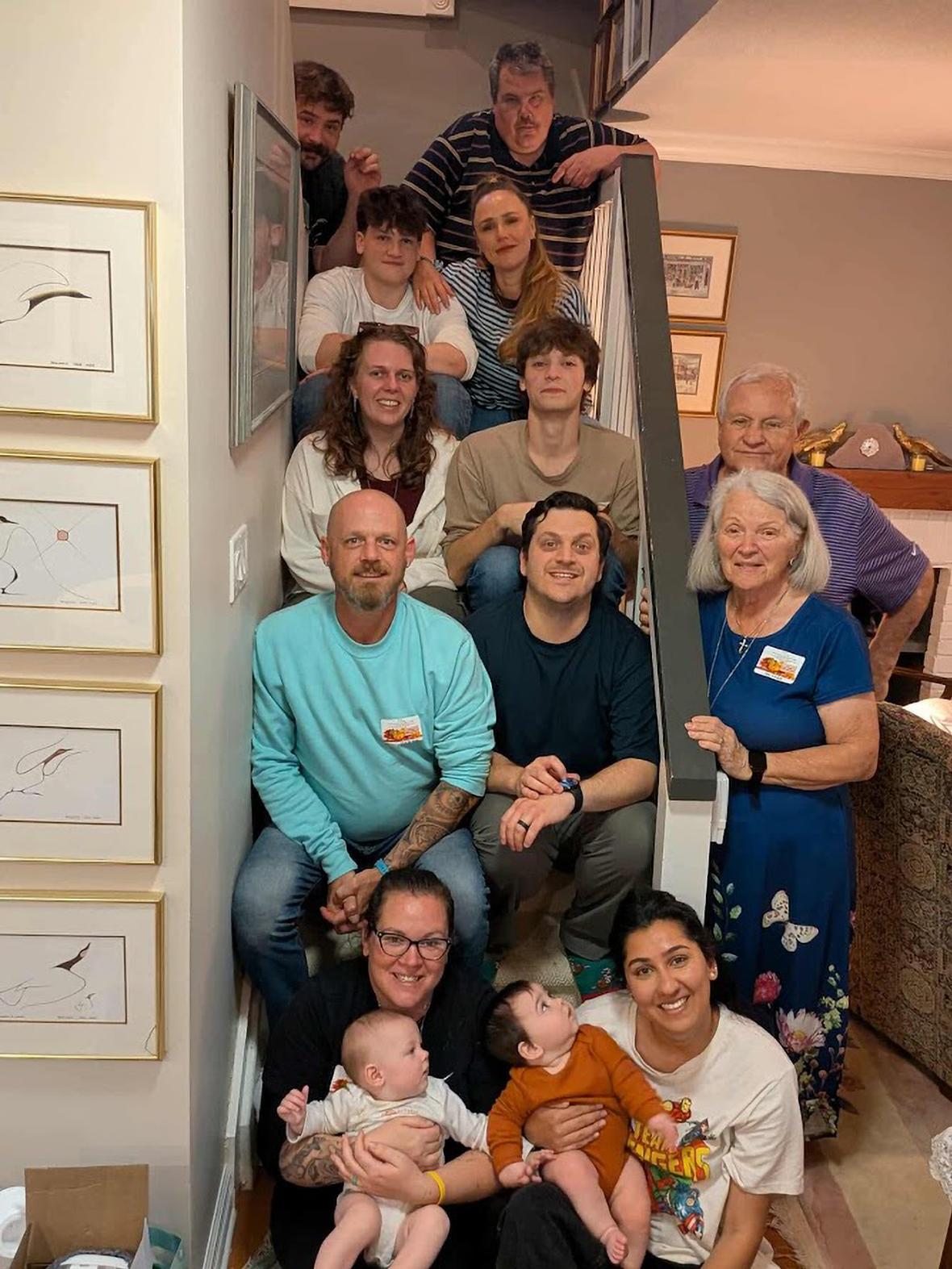
A Leonard family gathering in October this year.
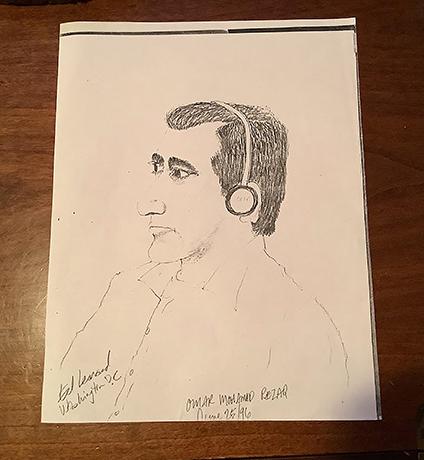
Ed Leonard's sketch of Rezaq in the Washington court.
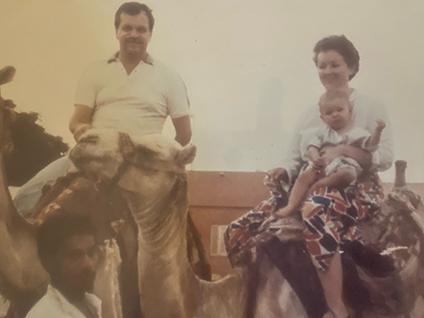
On a camel ride in Cairo in 1985.
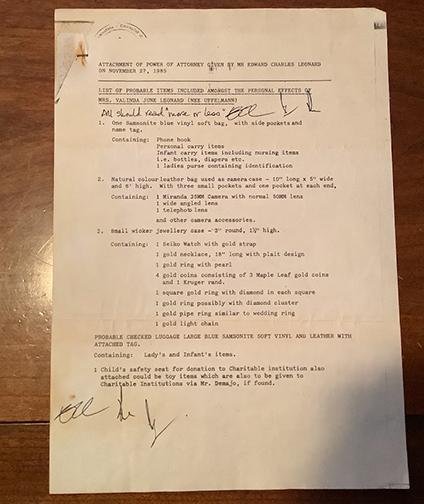
The list of Valinda Leonard's perosnal items.
“Andrew’s body was not with her, as they placed him in a separate morgue, despite knowing he was the only Caucasian child among the dead. So, I only identified him the next day.”
Amid the horror, Leonard remembers the “wonderful treatment and hospitality” by airport and government officials, both Maltese and Canadian, during that time.
He was shown hundreds of forensic and site photos, depicting the devastation on the plane, as well as pictures of personal effects and other “disturbing stuff”. But he could only see the material once and was not permitted to take or copy any of it.
He got to see the stroller of his son, when it was retrieved from the carnage and plane wreckage.
“It was wet, but intact,” he recalls, “and I asked that anything usable (of the items belonging to his son) be donated to a charity, or an orphanage”.
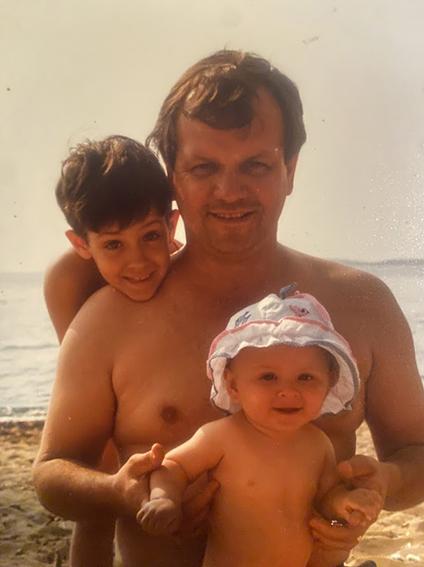 Ed Leonard with his two children.
A plastic bag and two coffins
He left Malta with a plastic bag including a list of Valinda’s belongings, her passport, and two coffins.
They died in a fireball, but their funeral, attended by the then Canadian Prime Minister, was held in -31°C, he recalls.
Leonard considered returning to work in Saudi Arabia, but his family talked him out of it, and he resumed his life back home as best as he could, remaining involved with proceedings over the years and staying in touch with some other survivors.
He returned to Malta some time later for a television interview.
“At that time, the 737 had not yet been removed, so it was quite emotional to return to the actual scene. We also spoke with many of the key players. Shortly after, the plane was removed and scrapped. It sat there for a very long time as a spectre that I do not think Malta deserved,” he said.
The hijacking itself was a political, as well as human, disaster. Negotiations with the terrorists and the cockpit were conducted by then Prime Minister Karmenu Mifsud Bonnici during a tense 22 hours in the control tower. While Leonard supported the actions of the government the time, when the Egyptians stormed the plane, “it was really awful”, Leonard says.
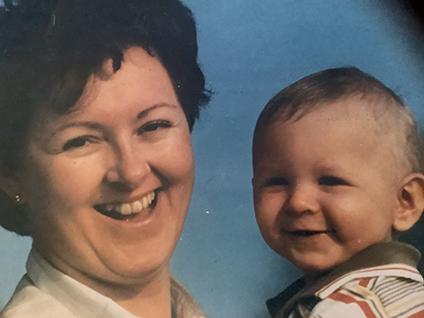
Valinda and Andrew.
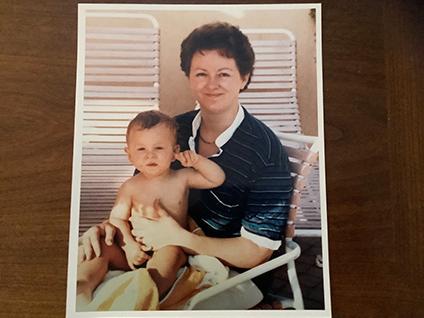
Valinda and Andrew in Cairo.
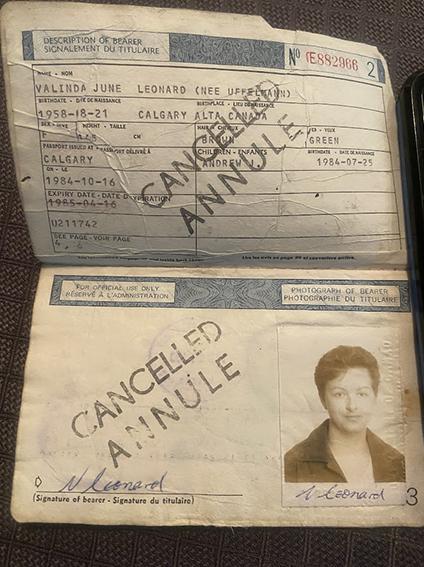
Valinda Leonard's passport.
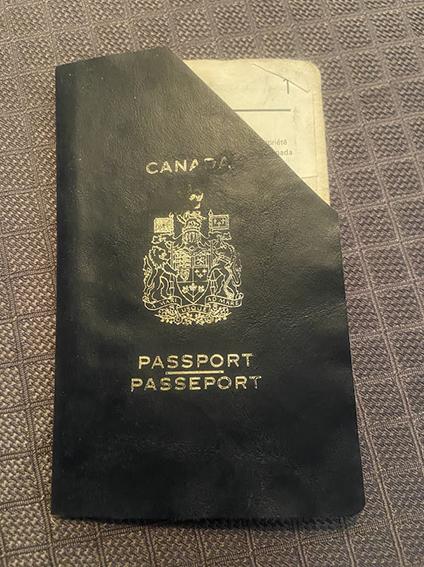
Valinda Leonard's passport.
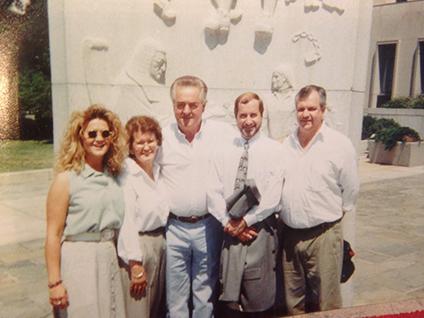
Valinda Uffelman's sister and parents, survivor Tony Lyons and Edward Leonard.
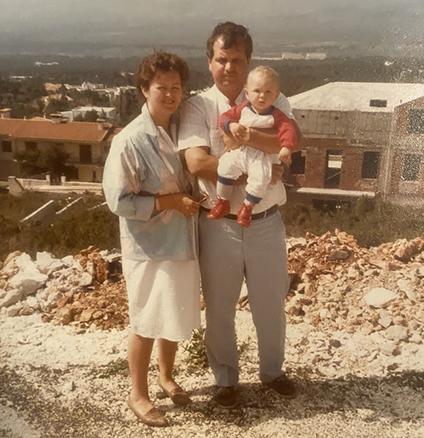
Valinda, Ed and Andrew Leonard in Athens.
When he was taken out to the see the plane afterwards, he saw the “enormous cavity they created trying to get access to the back of it, killing quite a few people, women and children, seated there.
“The rest of the passengers, like my wife and son, pretty much all died of smoke inhalation and asphyxiation because they had no way of getting out of the plane.
“As the Egyptians sprayed it with bullets, those who may have been able to move around could not.”
One survivor, Tony Lyons, told Leonard how he escaped by sliding down the stairway under a barrage of bullets. Another, American Jackie Nink Pflug, survived after being shot in the head because the pistol malfunctioned. She later wrote Miles to Go Before I Sleep, a detailed account Leonard read only once.
Valinda, meanwhile, became the subject of Valinda, Our Daughter, written by Gladys Taylor, and now the dramatic hijack has been turned into a novel, Sovereign, by Malcolm Scerri Ferrante.
“I really applaud him for the fact that the subject has never gone away from his mind,” he said.
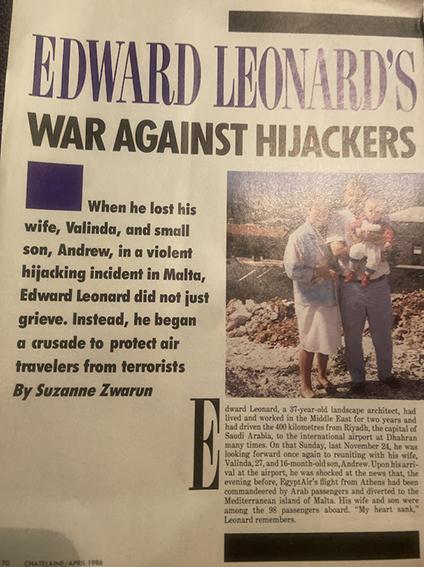 A magazine article about Ed Leonard's crusade to protect travellers from terrorism
Staring at the hijacker
Years later, Leonard travelled to Washington DC to attend the 1996 trial of hijacker Omar Mohammed Ali Rezaq, the only surviving perpetrator. Rezaq, a Lebanese-born Palestinian militant, was convicted of air piracy and sentenced to life.
“That was the stuff of spy thrillers,” Leonard recalls. “I actually saw him face to face and I stared at him,” he said. He still has a courtroom sketch from the time and has objected to his potential release “every single year”.
“I do not think anything is any different now. I do not have more favourable feelings towards him than I did then,” Leonard says.
After the tragedy, Leonard set up a small advocacy group focused on air terrorism. “We were small, and poorly funded. I was quite naive and learned how noble ideas do not get much traction.”
He has since remarried and built a family with his wife Dorothy. Now living in Ontario, he remains in touch with the Uffelmans, his late wife’s family, who lost their eldest daughter in the hijack. But Leonard remains “mindful of Novembers” and what was taken from him.
A Leonard family gathering in October this year.
Ed Leonard's sketch of Rezaq in the Washington court.
On a camel ride in Cairo in 1985.
The list of Valinda Leonard's perosnal items.
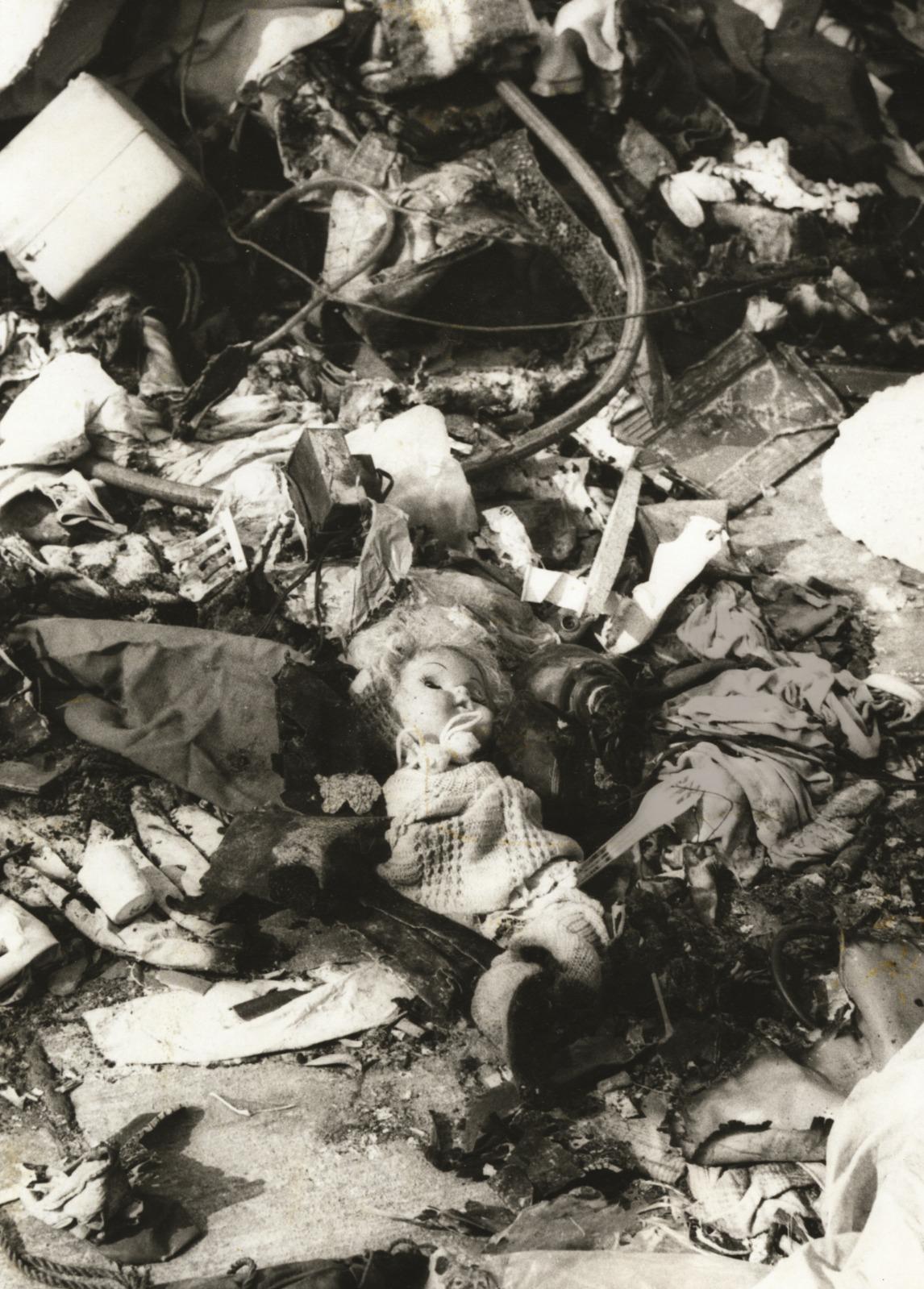
A doll lies among the wreckage of the disaster. Photo courtesy of Anthony Abela Medici