Three village revolts in 1636, 1637 and 1641
Birkirkara, Żejtun and Żurrieq all saw strife within a five-year period
What we know about the early modern history of our nation relies heavily on the archives that survive – those of the Order of St John for history, those of the Inquisition, the notarial, the courts’, the curial and the parish ones for micro-history as X building-blocks for grander designs.
Pooled together, their output proves extravagantly generous – the Order’s voluminous, OCD documentations almost intact, those of the Inquisition probably the only ones in the whole of Europe to have outlived the French Revolution.
The bulk of the Order’s manuscript volumes teems with information about the internal and external affairs of the Hospitallers, but let’s face it, the indigenous population only figures as barely audible background noise. Most exceptionally, if at all, do native individuals or affairs get a mention. The outlook improves in the Inquisition documents – here the Maltese can be quite prominent actors, usually cast in demeaning or negative roles.
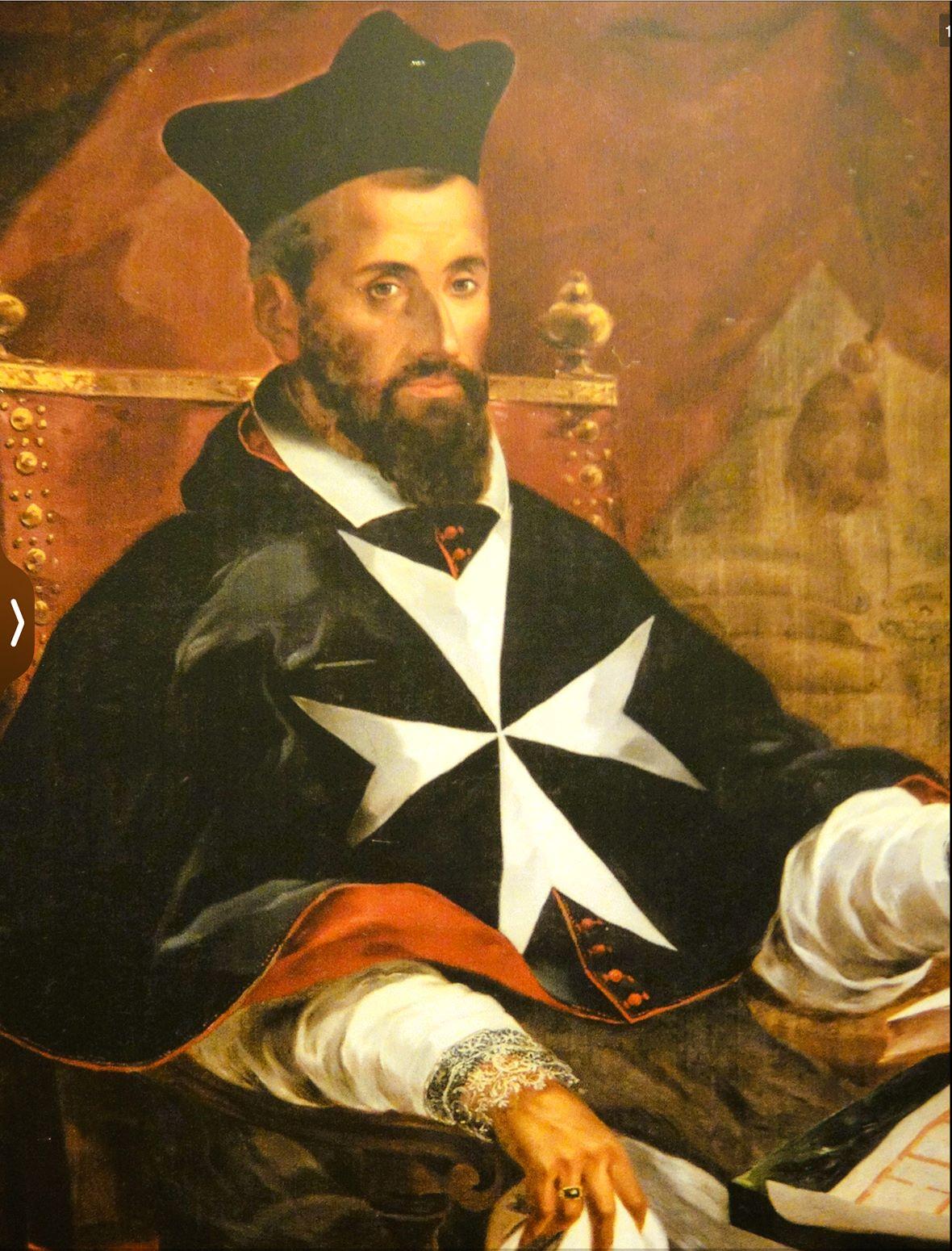
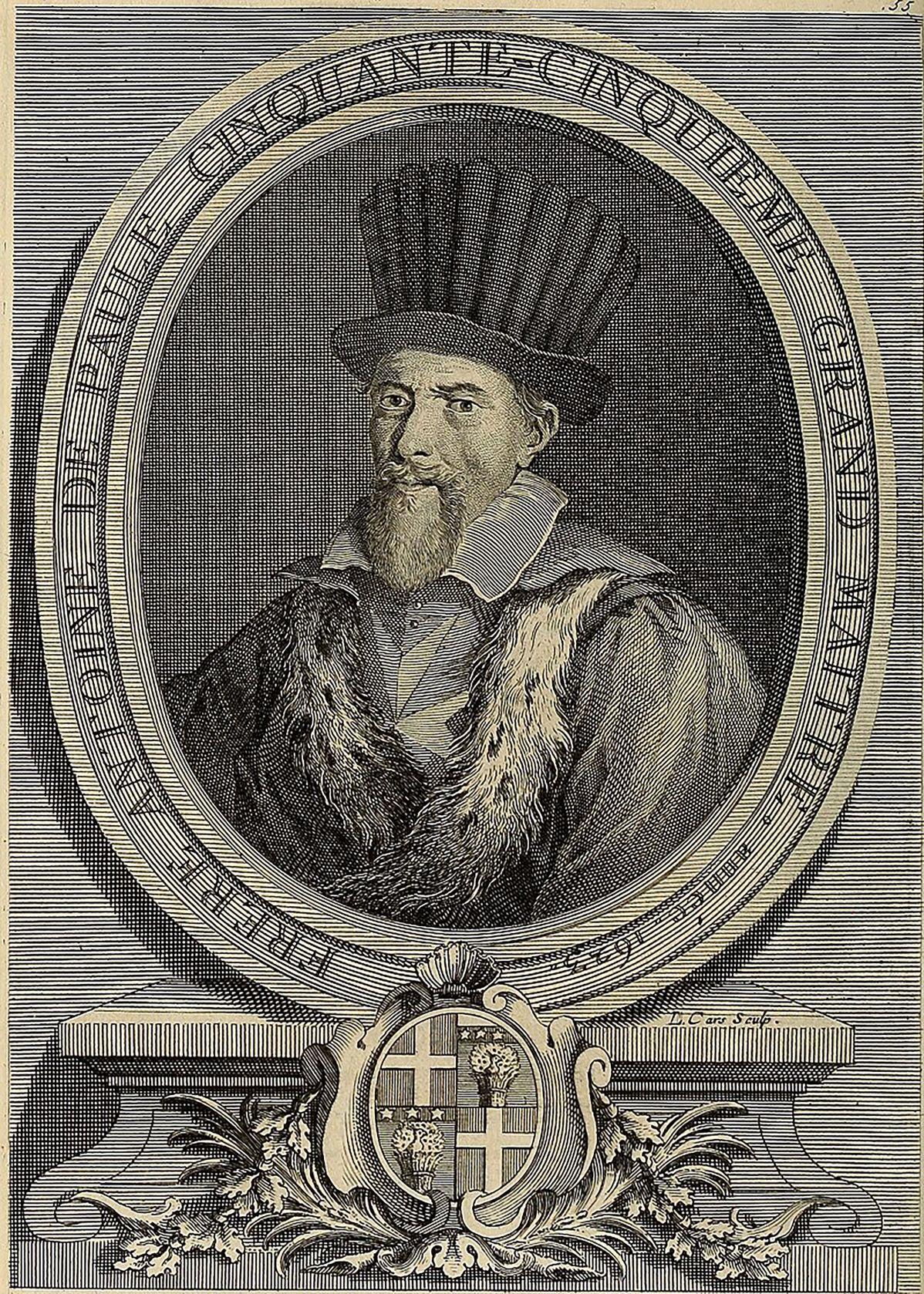 Portrait of Grand Master Antoine de Paule
The general impression, perusing Maltese history through the ages, remains that of a docile, submissive, perhaps too stoic population, one that accepted bounty with celebration and injury with passivity.
Throughout the Order’s centuries-long rule, only two ‘rebellions’ are on record, both of which massive popular indifference ensured they turned into damp squibs – the Dun Gaetano Mannarino uprising of 1775 and the Mikiel Anton Vassalli revolt of 1797.
The two flopped pathetically – the populace could not be bothered, and the ringleaders found almost no one ready to stick his neck out. That offensive subservience only took a significant turn towards pride in nationhood after the capture of the islands by Napoleon.
Maybe it’s my amnesia, but I cannot recall ever seeing mentioned in our history books the serious and widespread popular unrests that swept over Malta’s conurbations in the late 1630s.
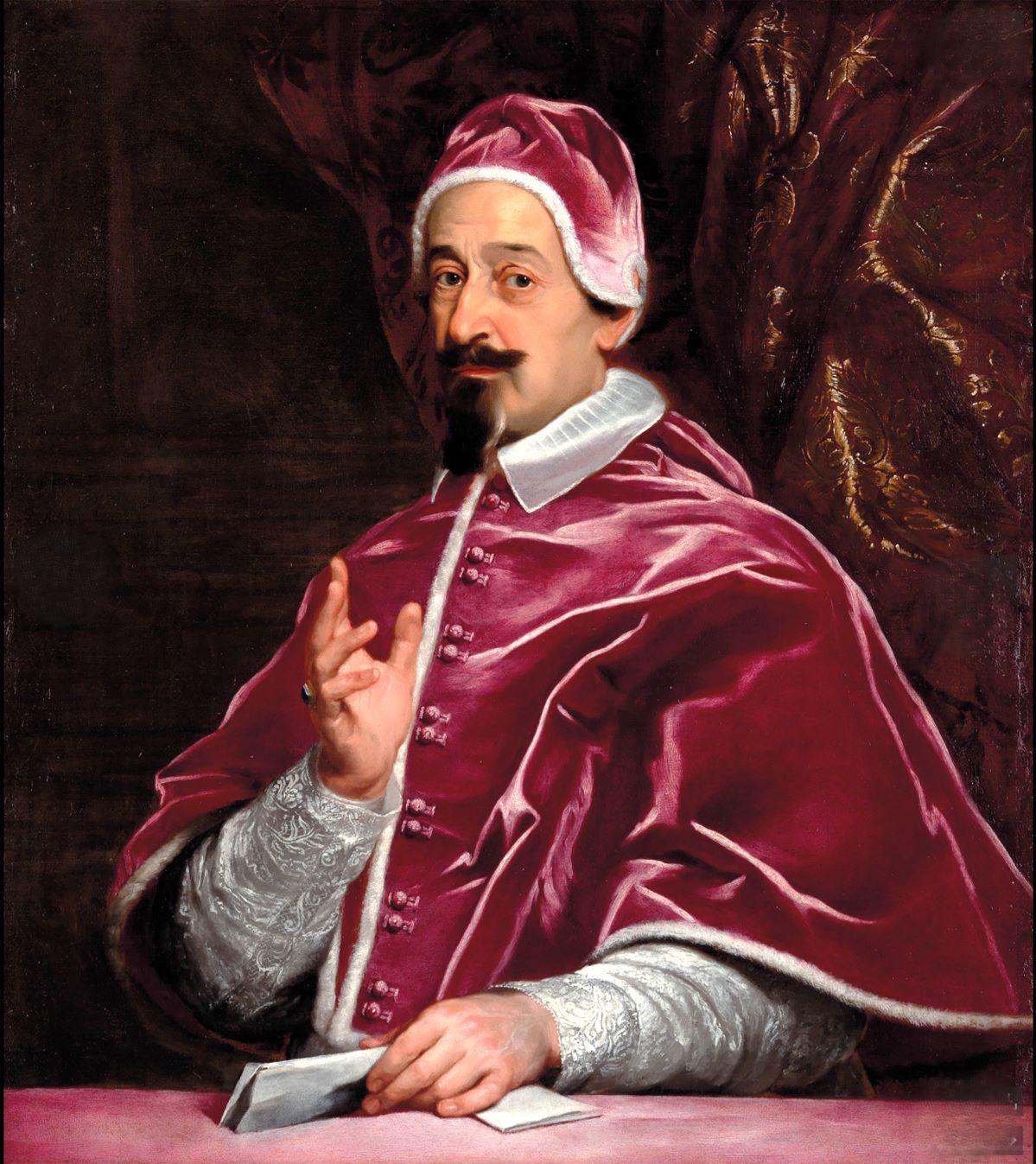 Portrait of the Inquisitor of Malta Fabio Chigi, as Pope Alexander VII
I found hints of them only when perusing the Order’s registers, and some confirmations in the Inquisition’s archives. Popular protests or mass disturbances against established authority prove so unusual through the course of Maltese history that I felt it my duty to record the sketchy results of my research.
These violent happenings followed two calamitous events: a famine in 1636 and the fortifications tax the following year. The archives and the Order’s historian record the diplomatic arm-twisting to circumvent the effects of the failure of crops due to punishing climatic conditions and the refusal by the Viceroy of Sicily to honour the contractual pledge to send subsidised wheat to Malta.
Incidentally, these sources also show that the Order considered it acceptable maritime practice for its warships to hijack violently on the high seas cargoes of foodstuffs carried by vessels of friendly powers, so long as the Hospitallers paid the shippers a fair market price.
But these chronicles do not mention how the scarcity of victuals effected the population – except for one rather opaque report preserved in the Treasury section of the archives.
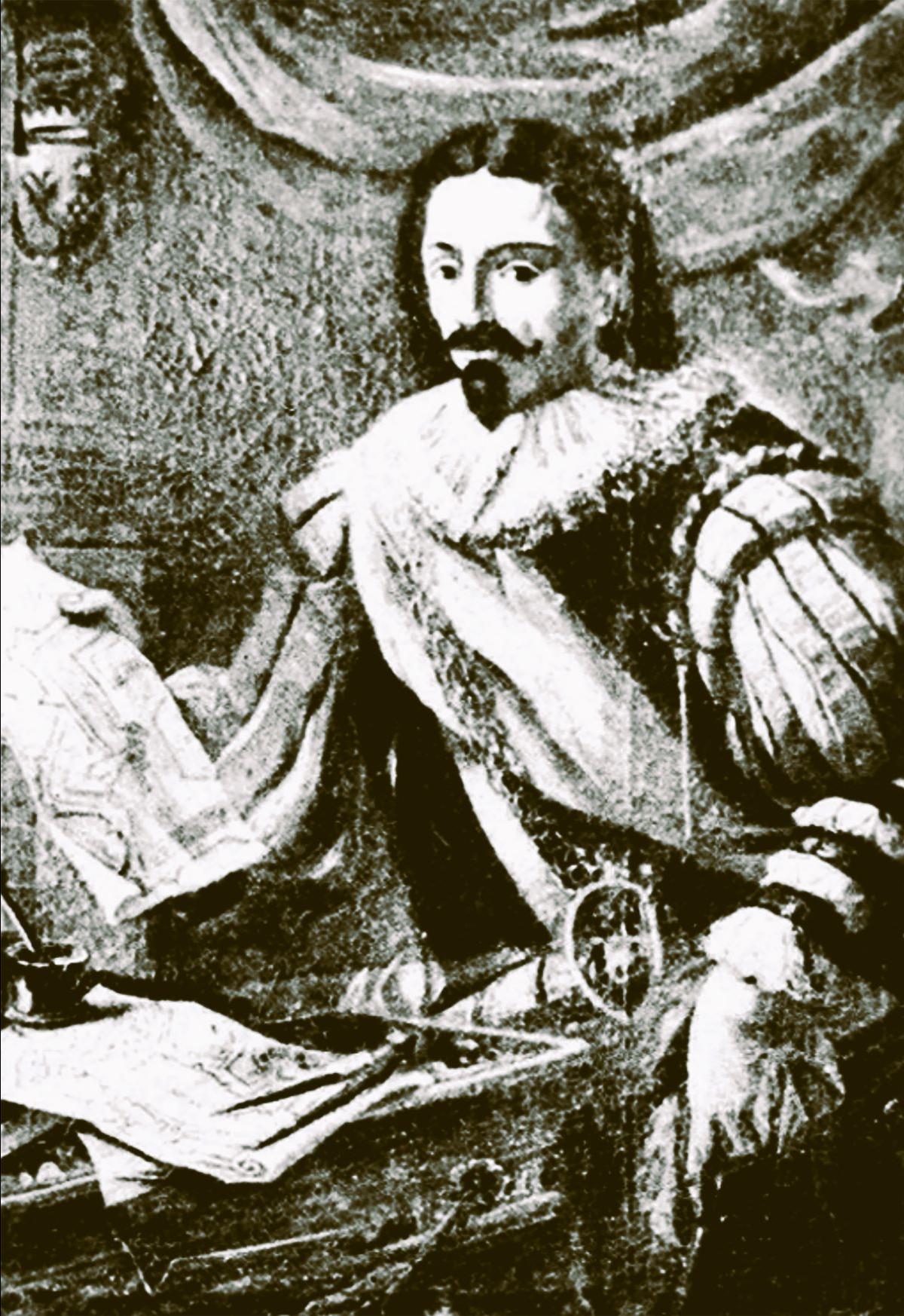 The pope’s military engineer Pietro Paolo Floriani whose expensive plans for new fortifications caused serious disturbances in the villages.
It all started with a petition to the dying Grand Master Antoine de Paule by a number of miserable paupers (poveretti) to report that their fields had been laid waste, their rubble walls demolished, and their rural houses damaged by violent mobs (dalla furia del populo). As per routine, the Treasury appointed three senior knights to investigate the grievances and to report back.
In person, these commissioners visited, without identifying them by name, all the areas of the island that had suffered during the popular rioting, and on November 13, 1636, read out their unusually long report in Italian. To me it sounds prolix, repetitive and rather loosely structured.
In substance, the commissioners laid the blame on the victims of the violence – so what’s new? The owners and farmers tended to vast areas which could grow crops – many thousands of salme of wheat – and instead they left them fallow, only used as pastures for some sheep, cows and cavalline d’Inghilterra (first and only time I came across this term). They proposed incentives to landowners or farmers to turn their grazing grounds into fields dedicated to growing crops for the benefit of the community.
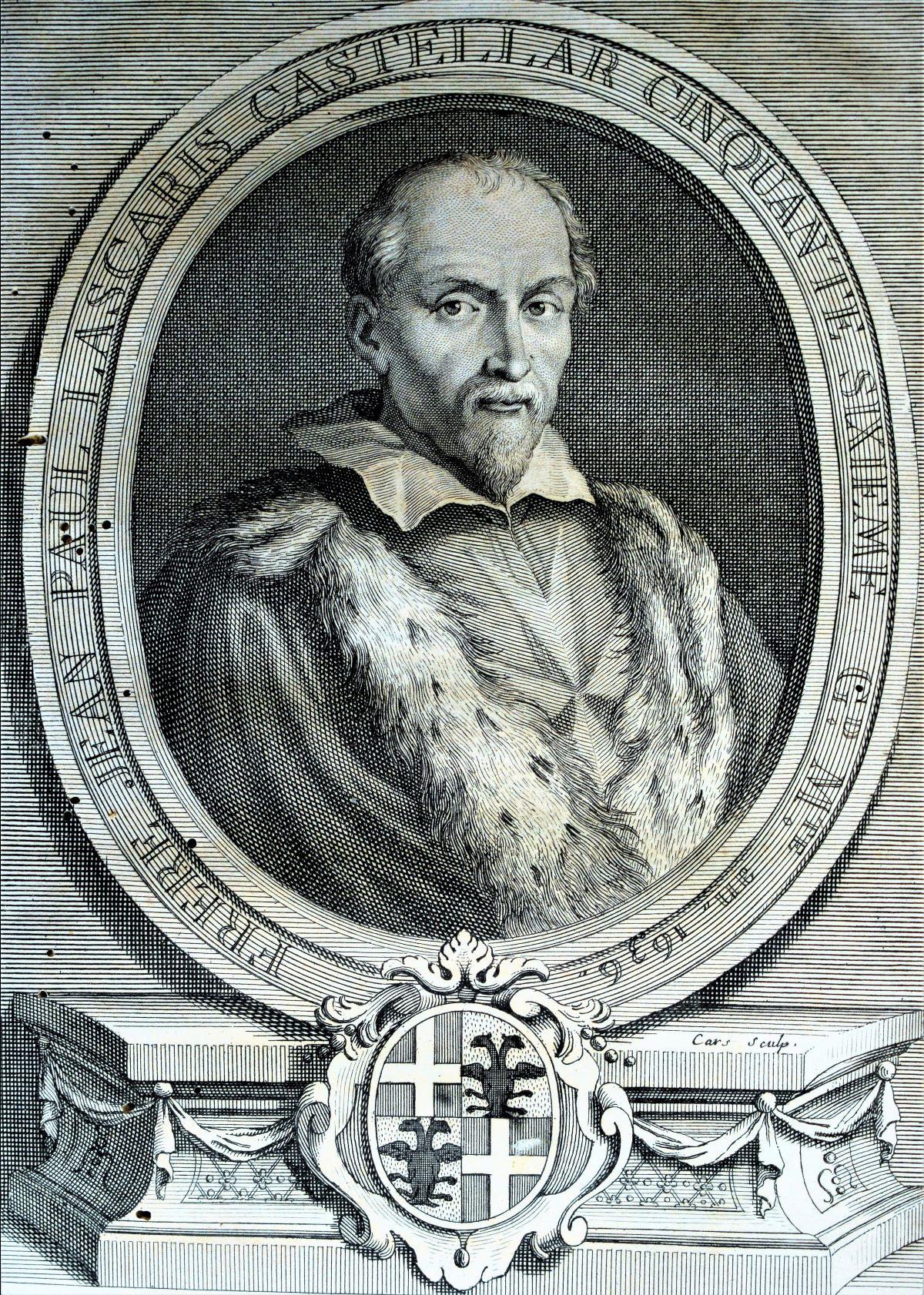 Portrait of Grand Master Jean Paul Lascaris
The report contains much more than this and could profitably be studied by historians of agriculture. The three commissioners autographed it – Fra Filippo Vivaldo from Turin, Fra Baldassar Marradas, Castellan of Emposta who shortly later donated 15,000 scudi St John’s conventual church, to purchase its crimson tapestry, with the balance to finance a foundation for pious works, and Fra Gaspar d’ Aldrete, later grand chancellor of the Order.
At about the same time, the Hospitallers were undertaking some rethinking of their fortification strategies. They had already started translating into building the grandiose plans prepared by the pope’s military engineer Pietro Floriani, which several leading knights disagreed with and openly dissed. Halfway through the project, the Order had a change of heart, and alternative plans to modify the great Floriani project won the day.
These mammoth ventures could only be financed by introducing a new fortifications tax. Fortunately, the Inquisitor’s secret correspondence with Rome, some in code, still survives and this gives us a blow-by-blow account of the relentless opposition the Maltese population put up against this taxation. It is the Inquisitor who gives details of this revolt by the natives. All other sources I know of avoid mentioning it.
The Roman Inquisitor Fabio Chigi first reports the unrest of the villages (si sono sollevati alcuni capi di casali) against the new taxation in his September 19, 1637, dispatch to Rome. Grand Master Lascaris instantly clapped the ringleaders in irons.
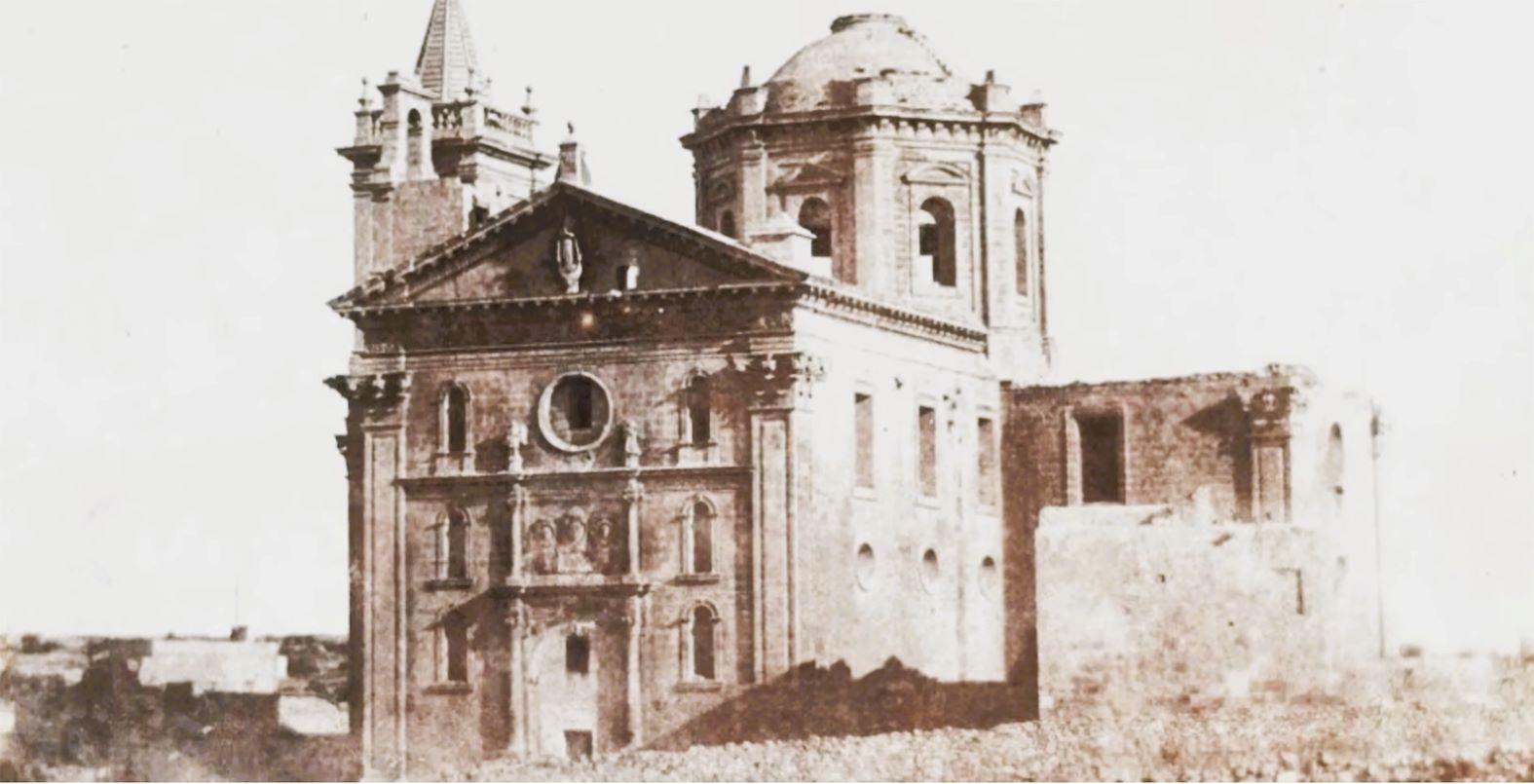 An 1846 photograph of the old Birkirkara parish church, built by Don Filippo Borg.
The inquisitor pleaded with the grand master not to lay the blame for the insurrection on the clergy, as Lascaris was doing, singling out by name Don Filippo Borg (sometimes Borgia), parish priest of Birkirkara, as the “instigator, inciter and promoter” of the popular civil disobedience and anti-tax disturbances, not unlikely with the secret encouragement of Bishop Cagliares.
A fortnight later, the inquisitor again informs Rome, through another secret message, of the developments of the unrest in the villages.
“The people persist in refusing to pay the tax, one village conspiring with another, and all led by Żejtun which was the first to be called upon to pay, and which the others encourage to keep resisting.” The population of Malta was to be urged to gather at Marsa or somewhere nearby, and from there a body of a thousand persons would march behind a crucifix or the statue of a saint to plead with the grand master. The protesters argued about whether they should be armed or not.
“The parish priest of Żejtun – Dun Anton Micallef – confided this to the bishop who ordered him to inform me. I, in turn, directed him to advise the grand master instantly, who pleaded with me to intervene in this matter as the person the population trusted most.”
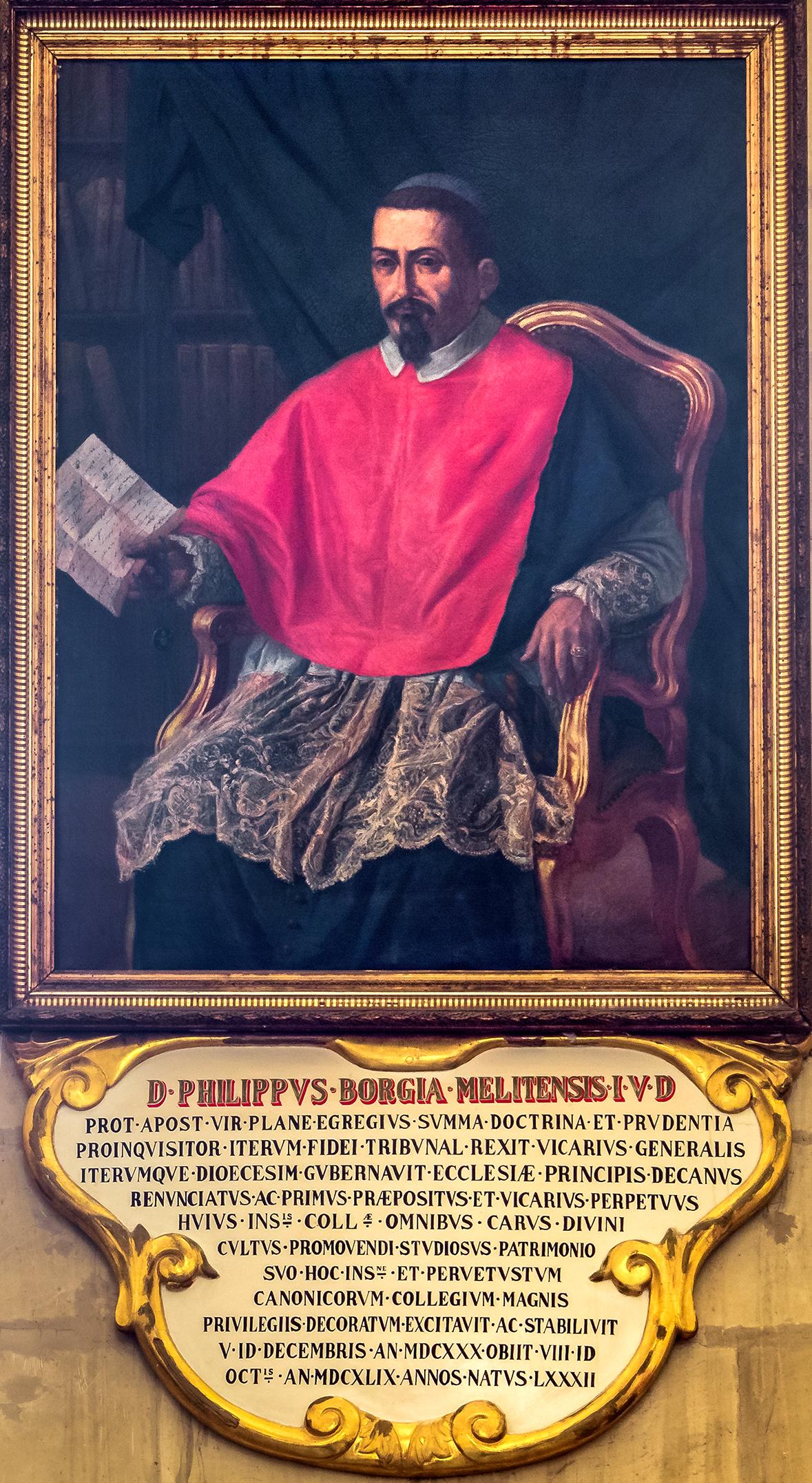 The Reverend Filippo Borg, a leading cleric from Birkirkara. Courtesy of the Capitular Chapter
The inquisitor, later Pope Alexander VII, immediately prohibited any further assemblies by the inhabitants of Żejtun and instead to nominate delegates to deal directly with him to justify the reasons for their opposition. He did the same with another unidentified parish priest. If their resistance was found reasonable, the inquisitor undertook to intercede with the grand master on their behalf. They argued that, like the inhabitants of Messina, they were exempt from taxation by ancient royal privilege.
The inquisitor grabs the occasion to list a number of reasons why the grand master’s weakness and indecision had alienated all around him: the Church, the prior of the Order, the Jesuits and not least, the knights’ captains of the village militias whom he proposed to remove from office. He adds that the grand master always thanked him for his advice, but then the Order’s ministers still did as they pleased behind the old man’s back.
On October 12, the inquisitor again updates Rome on the revolt: “As for the villages, we have partially pacified them and slowly, some are paying up this blessed tax (questa benedetta imposta). The grand master urges me to ensure that the clergy and those exempt from his jurisdiction, pay. But I always resist firmly, repeating that before the laymen paid, nothing was due by ecclesiastics whose obligations are only in subsidium. The grand master’s ministers never stop raising problems for the bishop, and I have to waste my days trying to solve them”.
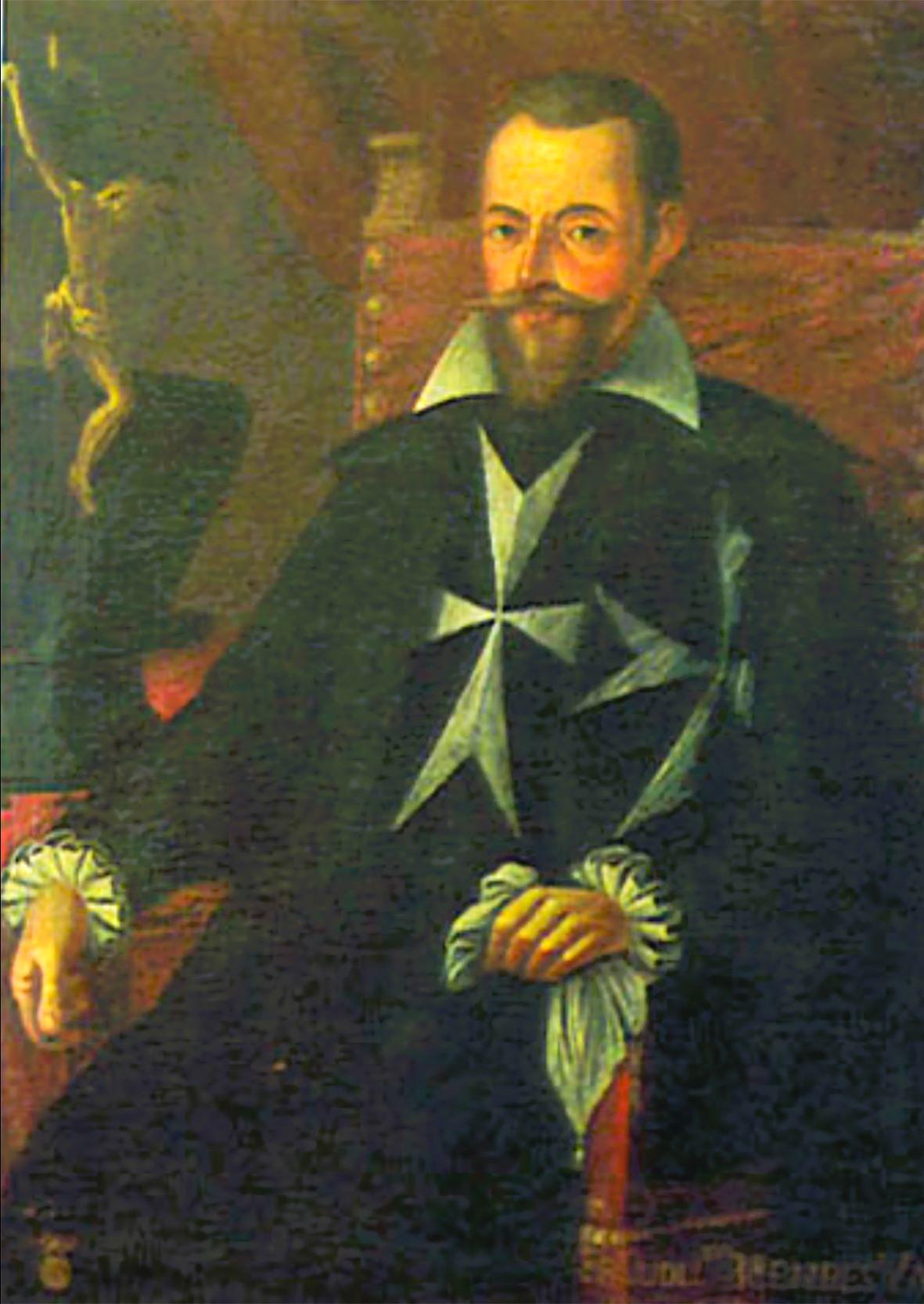 Portrait of Grand Master Louis Mendez de Vasconcellos, who had a poor opinion of the captains of the village militias.
The inquisitor last refers to the distress caused by the tax in the casali, in his November 10 dispatch. “The villages are quieting down in part, and the collection of taxes by the grand master proceeds bit by bit, with secret hints about changing Floriani’s fortifications. It was certainly most imprudent to have the subjects pay for them and, at the same time, negotiate about their demolition.”
Shortly before his death, a popular historian published the details of an armed revolt by the people of Żurrieq against what they perceived as their ill-treatment at the hands of the Order’s captain of their village militia. Ġużè Gatt (1886-1976) printed his well-researched findings in a Sunday paper in Maltese. Sadly, the published text does not disclose the original sources Gatt relied on, but he had a good reputation for accuracy and reliability.
The parlous state of the defences of the countryside against Ottoman invasions or razzias had brought about a tradition of compulsory conscription. Every able-bodied man in the rural towns and villages aged between 15 and 65 found himself automatically enrolled. The Hospitallers placed these local militias under the command of a mid-career knight who, during his three-year stint of office, had to live and sleep in his assigned parish and came to be known as the captain of the village (milizia).
Many of these captains acquired a dire reputation – extortionate, despotic, arrogant, shameless. In his secret Relazione (undated, but between 1633 and 1636), Dun Filippo Borg, parish priest of Birkirkara, recounts how even Louis Mendes de Vasconcellos (c.1542-1623), grand master for less than six months, had had enough of the abuses and scandals by these captains and their village mistresses (their concubine, also referred to ironically and contemptuously by Vasconcellos as le Capitane) who, if at all possible, proved even more brazen, usurious and big-headed than their noble lovers.
 Bishop Baldassare Cagliares was accused of being behind the discontent against the Order.
Coming from old Vasconcellos, this assessment proves telling indeed. When, in 1618, before his election as grand master, he served as Portuguese governor of Angola, he had suppressed with legendary brutality a revolt, capturing 50,000 natives and shipping them to the Americas as slaves. He is also reputed to have fathered an illegitimate son, the warrior and writer Joanne Mendes de Vasconcellos.
Gatt narrates how in the night of May 15, 1641, a false alarm assembled the militia of Żurrieq, then led by its captain, Fra Gabriel de Melos, a knight about whom almost nothing is known. The conscripts of Żurrieq and neighbouring hamlets gathered in the main square of the village, each round his regimental banner, and then marched, fully armed with arquebus and swords, behind their drummers’ beating, to the Xagħra tan-Nigret.
While waiting there, a mounted messenger (turcopolier) Toni Zammit, galloped in from Mqabba, and informed Melos that the alarm was all due to a mistake. De Melos lost his temper, accusing the messenger of having failed to inform him earlier and of lying. A violent altercation ensued, during which the captain hit the messenger, his horse and another Maltese with the flat of his sword, threatening them with his pistol. The other militia soldiers surrounded the captain, shouting ‘Tuh lil dax-xitan! Tuh lil dal-kelb!” while stoning him. The higher ranks of the Żurrieq milizia, armed with halberds, ringed round the captain to protect him. The record preserves their name: Bartolomeo Tonna, Mikiel Buttigieg, Blasco Vella, Francesco Borg, Natal Buhagiar.
So shielded, de Melos managed to flee and seek refuge in a nearby church, Santa Marija tax-Xagħra where two robbers were already taking advantage of ecclesiastical immunity. The enraged mob feared to enter and drag the captain out as that entailed instant excommunication. They loudly urged the two delinquents to push the captain out. These felt it none of their business to interfere and slinked away to the cemetery, where Gianpaolo Mizzi, one of the militiamen, was aiming a firearm at de Melos, to shoot him. Others restrained him.
The enraged Żurrieq milizia then determined to march to Valletta to demand justice against the captain from the grand master. Carrying their arquebus, 400 of them followed their regimental colours and the drummers from Nigret to Floriana. As soon as the coast seemed clear, de Melos headed home, accompanied by a priest, Dun Salv, the Contestabile of Bubaqra Mario Camilleri and another handful who did not join the rioters. After this, we hear no more of de Melos.
The rebels stopped near the church of Sarria in Floriana and charged a representative to enter Valletta to plead their cause. But time passed and he did not return. The soldiers then resolved that a hundred of them should remain at Sarria to guard their banner, while the others proceeded to Valletta, again debating whether better armed or unarmed. They marched into the capital leaving their weapons behind.
Grand Master Lascaris received a delegation and heard their complaints against de Melos. He delegated Fra Juan de Silva to see to the Żurrieq grievances. de Silva proceeded to Sarria to soft-talk the malcontents to return home peacefully. The more hot-headed insisted they would only leave after the grand master met them. They ignored de Silva’s repeated pleadings and entered Valletta in strength.
Acknowledgements
Thanks to Reuben Abela, the Capitular Chapter, Birkirkara, Jeremy Debono, Nicholas Doublet and Theresa Vella for their assistance.