Time is right for ‘Rediscover to Align’
The Malta Chamber’s goal is to ensure that Malta remains a growing, authentic, and sustainable tourism destination for generations to come, writes Joe Galea
Malta’s tourism story is one of remarkable growth and resilience, recovering from the ravages of COVID to over four million visitors today. This success, however, now brings new responsibilities to manage growth in a way that benefits both our visitors and our residents. Our industry has reached a stage where we must concentrate on improving the customer experience.
The objective of The Malta Chamber’s ‘Rediscover to Align’ is precisely to manage this growth. It follows the original ‘Rediscover’ proposals, launched in November 2021, which were then geared towards a sustainable recovery from COVID. As a study, ‘Rediscover to Align’ is unique in that it does not focus on just one sector of the industry and includes recommendations across every sector that forms part of the wider tourism industry.
The report is based on direct feedback from industry players, and it presents over 120 recommendations touching all areas of the tourism trade, reflecting the Malta Chamber’s unique wide representation of all sectors of tourism.
In the last years tourism in Malta has seen exceptional growth in numbers, together with reduced reliance on traditional source markets as a result of successful diversification and a healthier spread of seasonality. Despite these positive trends, the pressure on infrastructure, resources, and the local host population is intensifying. Issues such as traffic and crowding, environmental strain, and public cleanliness are becoming more prominent, to the extent that they are impacting negatively both the quality of life of residents and the visitor experience.
The report proposes a strategic shift to build a sustainable industry for the future, based on authentic and unique experiences that reflect Malta’s culture, heritage, and identity. It puts forward several recommendations that should be seen as a roadmap for action.
We now need a strong commitment from all stakeholders to begin implementation, as these recommendations can help Malta balance growth with sustainability and resilience. We must be clear that this is not another report to sit on a shelf. The next phase of implementation is therefore crucial. It is no longer an option to continue doing what we are doing.
A central recommendation is to prioritise quality over quantity, and a key to achieve this is by improving the guest experience. We need to move away from the ordinary and aim to exceed our visitors’ expectations, encouraging them to return and to recommend the Maltese islands to their friends and relatives. A seamless and high-quality experience is essential to increase visitor satisfaction and spending.
The way to achieve this is to move away from mass tourism and focus on experience-led tourism. We need to leverage our authenticity and unique identity to differentiate the destination and increase value per visitor.
As part of this shift, addressing our infrastructure constraints is critical. Investment and clear planning are needed in transportation, waste management, water and energy systems to ensure that tourism growth does not degrade the environment but instead contributes to the well-being of the local host population. We must acknowledge that this is not always the case at present.
We need to move away from mass tourism and focus on experience-led tourism- Joe Galea
Tourism is a labour-intensive industry and upskilling the workforce while adopting new technologies will improve competitiveness and resilience. We have grown dependent on imported labour from outside Europe, and while this may not be ideal, we must at least ensure that skills levels are outstanding. The Malta Chamber had already proposed the Skills Card for Tourism in 2021, and its implementation in 2024 is seen as a first step in the right direction towards a quality-driven tourism industry.
The first ‘Rediscover’ report, five years ago, was also the first study to highlight the threat of the rapid and uncontrolled increase in tourist accommodation. A critical issue that has come further to the fore in the last two years is the rise of short-term rentals. There is a need for clear regulations and enforcement to ensure fair competition and quality standards.
At the same time, new collective accommodation should focus on providing unique, high-quality properties rather than mediocre sleeping units. The Malta Chamber has already engaged with the government following the publication of the new accommodation guidelines for public consultation in November 2025 and now looks forward to seeing these passed into law.
Of course, there can be no success in tourism if Malta does not attract the right mix of airlines with regular frequencies to the main feeder market. It is therefore no surprise that strong air connectivity has possibly been the single most important driver of our positive tourism performance, and this needs to be maintained and potentially become more selective, encouraging a healthier airline mix, while expanding into new markets, including long haul, to support sustainable growth.
The plan we have launched is not cast in stone; it will evolve and be updated as conditions in the industry change. Clear metrics and monitoring frameworks are introduced, and these are necessary to track progress and ensure long-term success. At the same time the Malta Chamber is clear about the need of consistent enforcement which will be critical to ensure that poor practices are not left unchecked.
Ultimately, the goal is to ensure that Malta remains a growing, authentic, and sustainable tourism destination for generations to come. In all of this, we must not overlook the host population, who are themselves an essential part of the product. We need residents to continue viewing tourism as something that enhances, and not disrupts, their way of life.
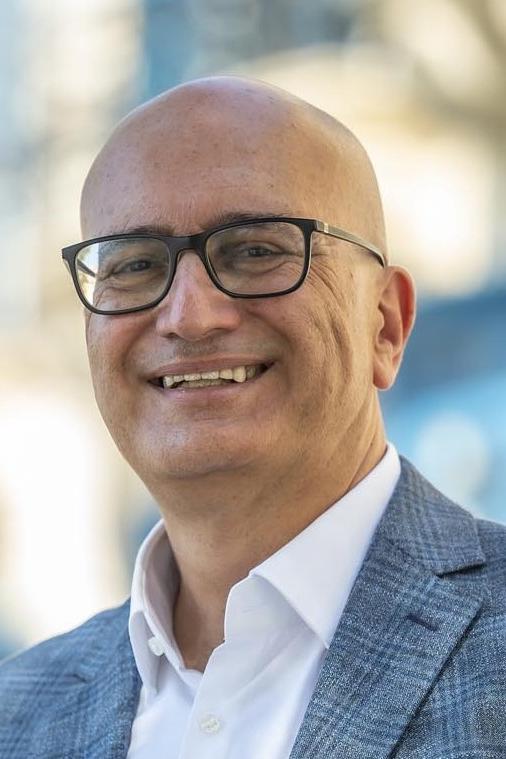
Joe Galea is chairperson of the Tourism Operators Businesses Section within The Malta Chamber of Commerce, Enterprise and Industry.