The time is ripe for a nationwide tree-growing campaign
The educational value of such initiatives is immense, argues Johann Gatt
In the run-up to the 2013 general election, one of the flagship proposals strongly promoted by the two main political parties was the ‘One Tablet Per Child’ scheme. Eventually launched in 2016 and later boosted through the ‘One Device Per Child’ initiative, these schemes helped advance digital literacy to prepare students for the rapid technological changes shaping modern society and the age of AI.
Yet while technological development is essential, we can never underestimate the holistic development of children. The COVID years reminded everyone of the mental solace offered by the outdoors when access to nature was suddenly restricted.
There is already extensive literature about nature-deficit disorder, but perhaps the most worrying reality is that the education system may still be overlooking the true value of outdoor learning.
Many children who have experienced meaningful contact with nature through school activities speak about these moments with genuine wonder. Their testimonies should make us pause. Thousands of years of human evolution have surely not prepared us to spend most of our lives indoors.
When children grow native trees, they develop patience, responsibility, resilience, stewardship, empathy and care
Educators witness daily how this disconnect manifests itself, yet society is often quick to judge children displaying challenging behaviour, without reflecting on the restricted environments we are creating for them.
Back in 2019, inspired by initiatives led by students participating in the Education for Sustainable Development programmes EkoSkola, LEAF and YRE, run locally by Nature Trust – FEE Malta, we developed a vision. A vision that would see our students spend more time in nature and contribute meaningfully to shape a sustainable future.
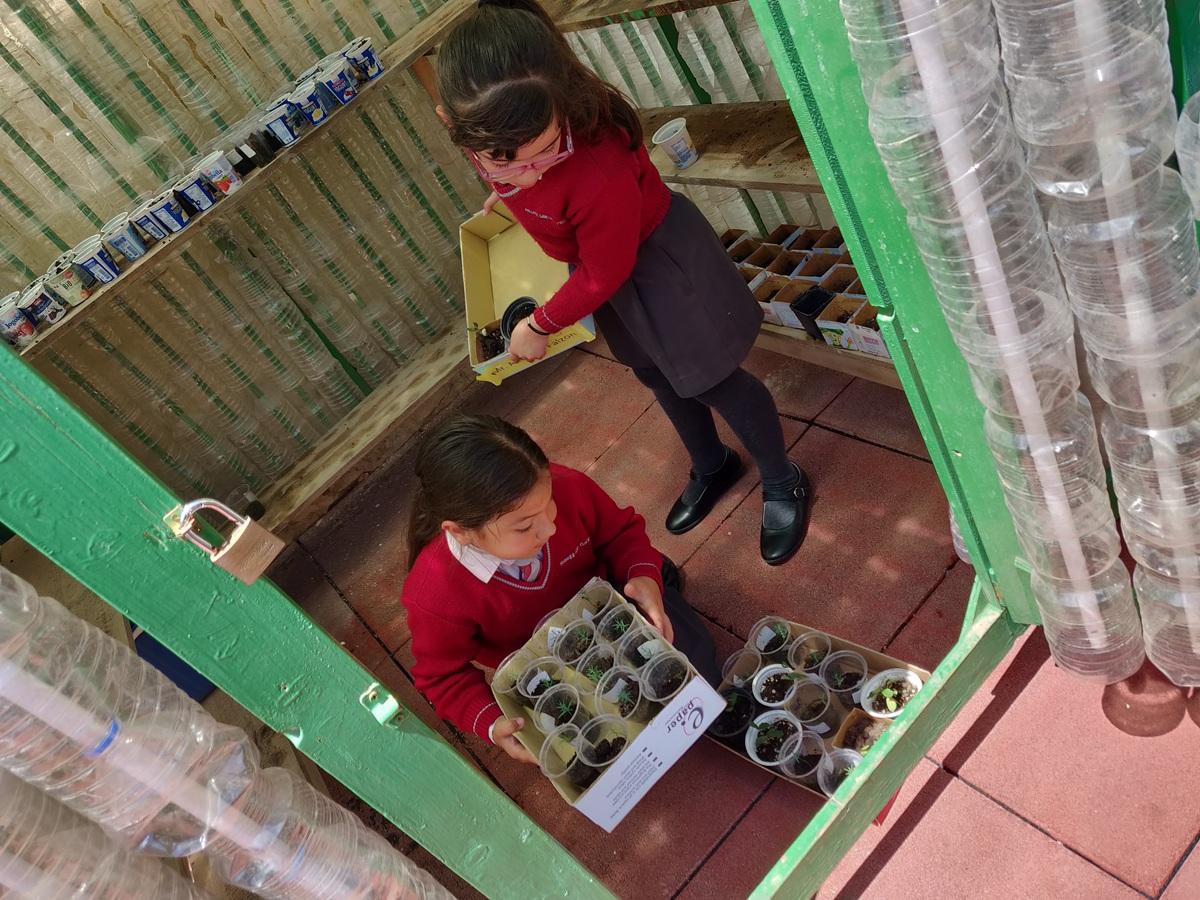
Despite extremely limited resources, students involved in these programmes started growing hundreds of indigenous trees annually, often using improvised nurseries built from discarded materials. In collaboration with Ambjent Malta, these saplings were later used to green different sites around Malta.
Seeing the potential of the initiative, we submitted a proposal to the environment minister, requesting support and funding to set up greenhouses in schools, so that more native trees and shrubs could be cultivated locally, while also giving children further opportunities to learn outdoors.
Our proposal was accepted and by 2022, an MOU had been signed. Together with Ambjent Malta, an expression of interest was issued and we had an overwhelming response. Agreements were reached to install 10 greenhouses in schools across Malta and Gozo as a pilot project. Hands-on sowing sessions in schools in collaboration with Ambjent Malta and their Nature Stewards is ongoing in preparation for the official launch of the scheme. Our vision is slowly taking shape.
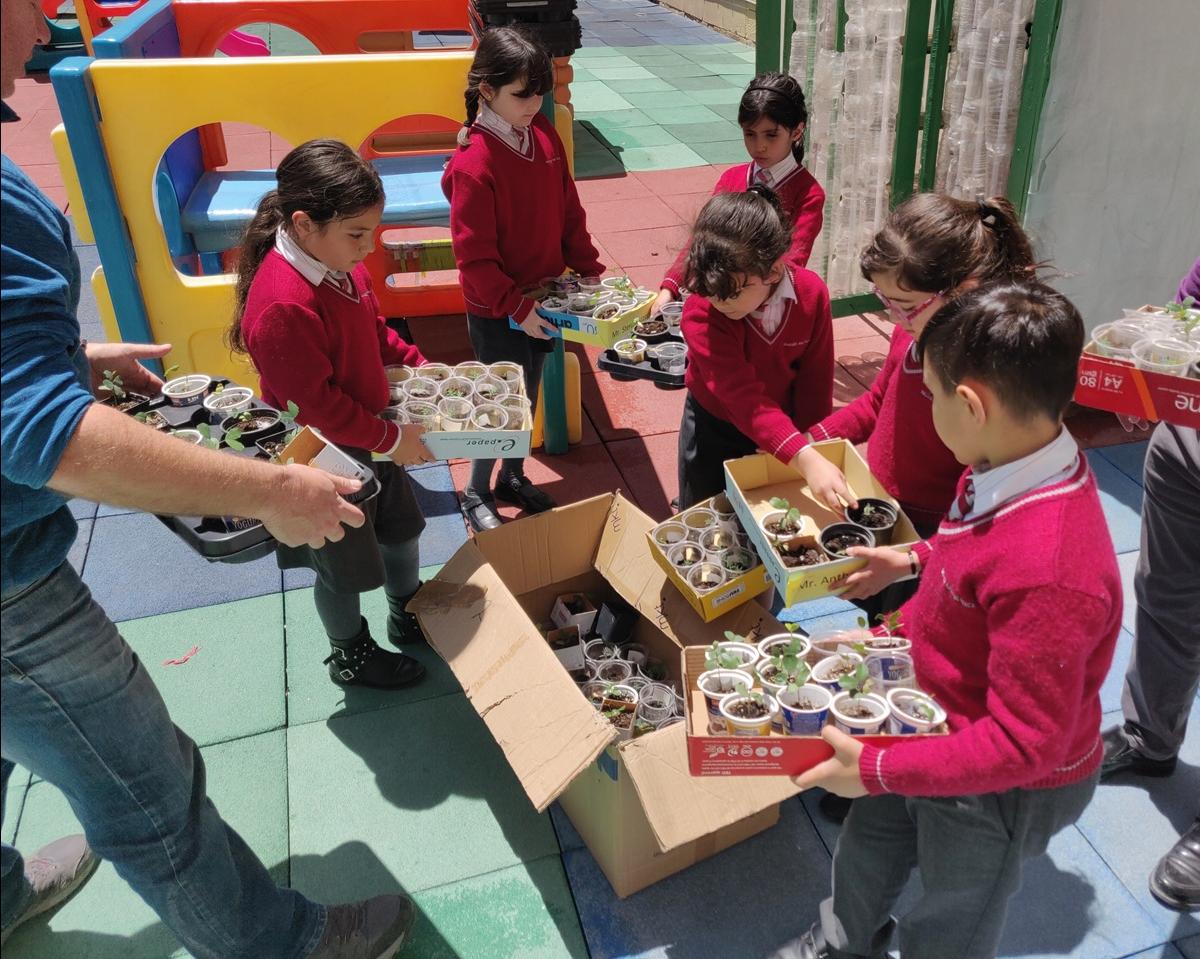
Hands-on sowing sessions in schools in collaboration with Ambjent Malta and their Nature Stewards are ongoing. Photos: Nature Trust – Fee Malta
.
As Malta moves towards large-scale afforestation and greening projects, the country still depends heavily on imported trees and plants because local stock remains insufficient. Yet importing plants comes at a serious environmental and ecological cost. Imported plants are expensive, increase carbon emissions through transport, require intensive water use and may introduce dangerous pests and diseases. They can also compete with local indigenous species, disrupt ecosystems and contaminate native gene pools.
We have already experienced the devastating consequences of poor planning. Thousands of palm trees were lost to the red palm weevil. Practically every valley ecosystem is fighting a seemingly lost battle, against the troops of invading alien species such as the showy balloon vine, the tree of heaven, castor oil and Brazilian pepper trees, while fountain grass continues to gain ground, competing with native species. The danger posed by potential diseases such as Xylella fastidiosa should not be taken lightly.
At the same time, greening initiatives remain necessary and welcome when based on long-term sustainable planning. In recent years, projects carried out by Project Green have shown noticeable improvements. Soil sealing has increasingly been avoided, landscaping is starting to be exercised, giving priority to native species, garden furniture does not necessarily overwhelm wild patches, sustainable irrigation systems are not an afterthought, existing trees and shrubs are slowly being incorporated in projects and maintenance and upkeep are part of the contract.
It was also very uplifting to hear about the historical deal, whereby Manoel Island will once again be returned to the public, as it should have always been. This, together with major national park plans for White Rocks and Fort Campbell. as well as the expansion of Wied Inċita, Bengħajsa, Salina, San Klement and Ta’ Qali parks to name of few, are all promising.
Yet another ambitious afforestation project in the disused quarries of San Niklaw together with schemes promising free trees to agricultural landowners, demonstrate that the ambition is there. The pressing question, however, remains: where will all these trees come from? Do we truly have enough local stock? How many will still need to be imported? At which expense and at what risk?
Would it not make more sense to plan ahead and invest in a robust locally sourced tree stock cultivated by children, guided by experts, indicating which would be the ideal trees to sustain vulnerable ecological niches and providing vital ecosystem services, while offsetting carbon emissions?
Imagine children planting at Manoel Island or White Rocks, the very same trees they would have grown from local seeds in their own school greenhouses. Why shouldn’t school grounds include spaces where students can sow, experiment with different techniques, cultivate and eventually plant? And why not also consider the existing abandoned greenhouses in some schools?
The educational value of such initiatives is immense. When children grow native trees, they develop patience, responsibility, resilience, stewardship, empathy and care. Several studies about outdoor learning confirm that it strengthens creativity, critical thinking, collaboration, problem-solving and well-being, while improving engagement and academic performance. These are not secondary benefits. They are essential life skills that children will rely upon to face future challenges that we cannot yet fully predict. It’s a win-win situation.
There has never been a greater need for a nationwide student-led tree-growing campaign than there is today. This initiative is not about reinventing the wheel. It is about building synergies with experts, interested stakeholders, schools and communities.
Just as Malta embraced the ‘One Device Per Child’ scheme, perhaps the time has now come for another national commitment: ‘One Greenhouse Per School’. Let us start small but let’s start!

Johann Gatt is the national coordinator of the Learning about Ecosystems and Forests (LEAF) programme, an international Education for Sustainable Development initiative implemented locally by Nature Trust – FEE Malta.