How Tina Turner’s concert paved the way for the Malta Jazz Festival
Documentary 'Keeping Time' uncovers festival's origins
Tina Turner’s 1990 concert in Malta helped spark the idea for the Malta Jazz Festival. Now, three and a half decades later, that unlikely story is being told on screen.
The festival’s 35th anniversary will be marked with the premiere of Keeping Time, a documentary tracing the history of one of the country’s best-loved music events.
The film, written and produced by Ġużè Camilleri and directed by Cedric Vella, will premiere on July 6 at the Valletta Campus Theatre, shortly before the festival’s opening concert.
Camilleri said one of the most striking discoveries was how the festival was spawned, partly as an unintended consequence of legendary singer Tina Turner’s concert in Floriana.
“One thing I found was pretty interesting was how it began, in part because of Tina Turner and Claudette of course,” Camilleri said.
Drawing some 25,000 people, Turner’s concert was billed as the biggest ever held in Malta at the time. It was also largely government-funded, with support from sponsors.
But Claudette Buttigieg, a prominent singer who went on to become a politician, argued that such a concert should have been privately funded and that public money would have been better spent on a jazz festival.
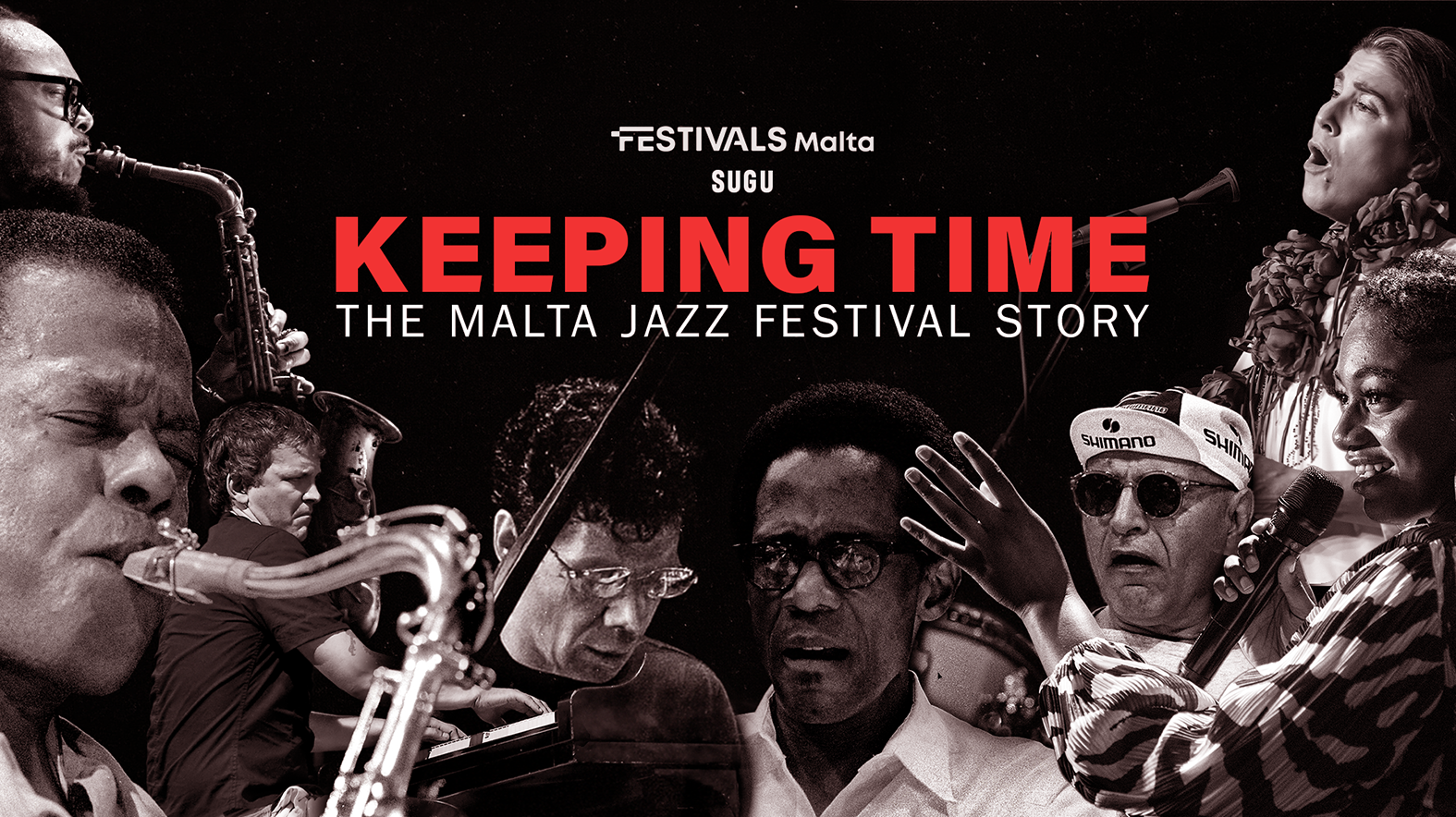 The poster of the documentary. Photo: Festivals Malta
That idea was taken on board. Buttigieg was later asked to become assistant to the festival’s first artistic director, the late jazz musician Charles ‘City’ Gatt.
Gatt ran the festival from 1991 until 2005 and helped shape the identity it retains today.
“There is so much to say about him musically alone. But from the perspective of the festival, he was an innovator and from a holistic perspective he is an inspiration,” Camilleri said.
The documentary explores how Gatt used his knowledge of the local and international jazz scene to bring leading musicians to Valletta, while keeping the festival rooted in jazz. And the festival kicked off in a big way, drawing jazz legends Chick Corea and Michel Petrucciani to the venue at Ta’ Liesse, Valletta. It was an overwhelming success.
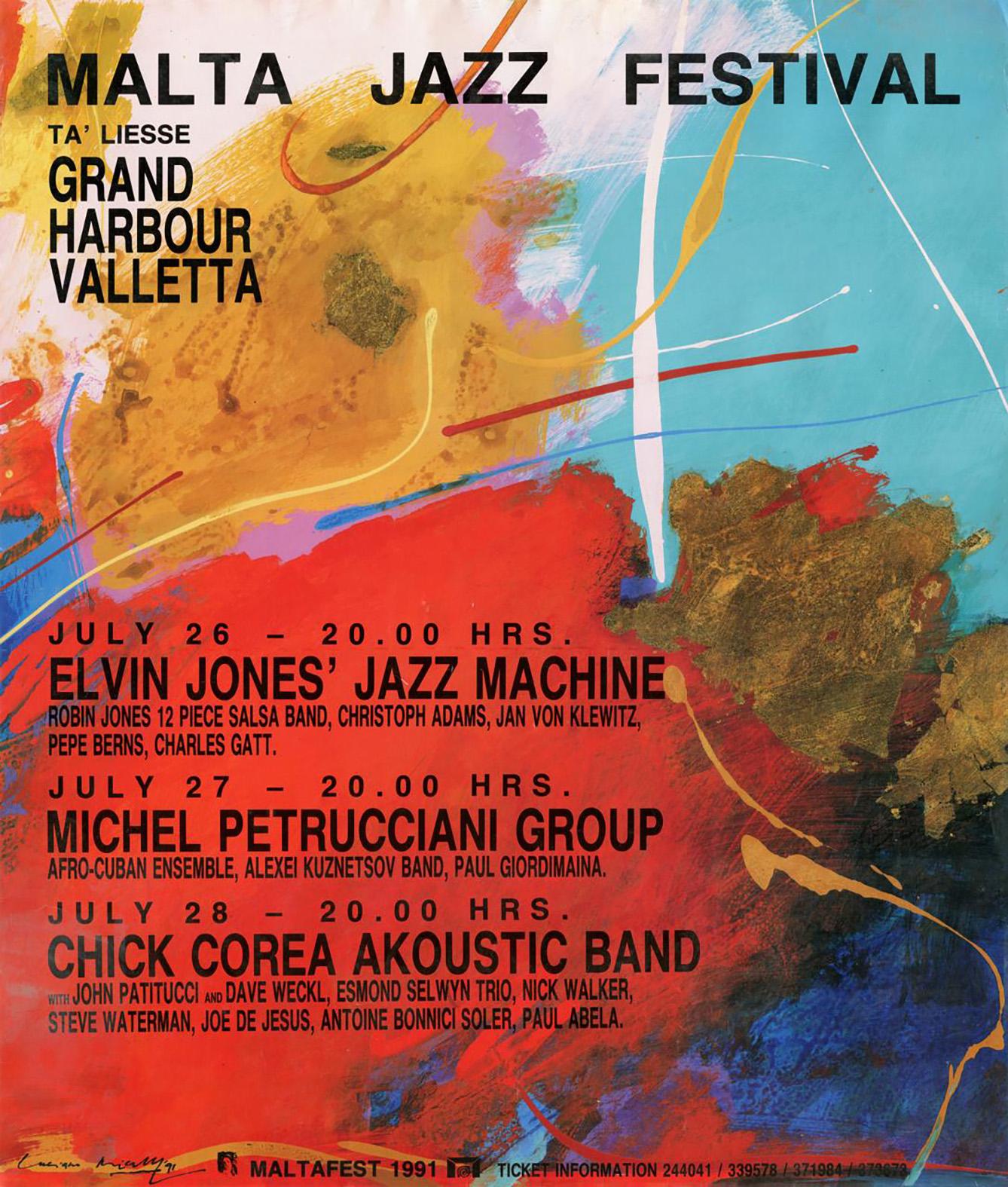 First Malta Jazz Festival poster. Painting by Luciano Micallef
Word went around on the international circuit, Gatt used his contacts and the big jazz names came to Malta – Joe Henderson, Herbie Hancock, Al Di Meola, the Brecker Brothers, Diana Krall, to name just a few.
“When you go through the archive year by year it starts to sink in,” the film’s director Cedric Vella said.
“Artists with serious international standing, people who’ve played the big festivals, who’ve also come to Malta. That didn’t happen by accident,” continued Camilleri, who has been attending the festival since he was 10 thanks to his musical family.
And performing at the festival represented one of the highest points a local jazz artist could reach.
“As a teen I said I always wanted to play there. So, when I finally managed it was like a dream. It was a feeling that is hard to put into words,” he said.
The documentary also examines the festival’s role as a bridge between Maltese jazz musicians and the international scene.
At one point, audiences began to dwindle as the festival scene expanded, while some critics shifted away from purely jazz acts.
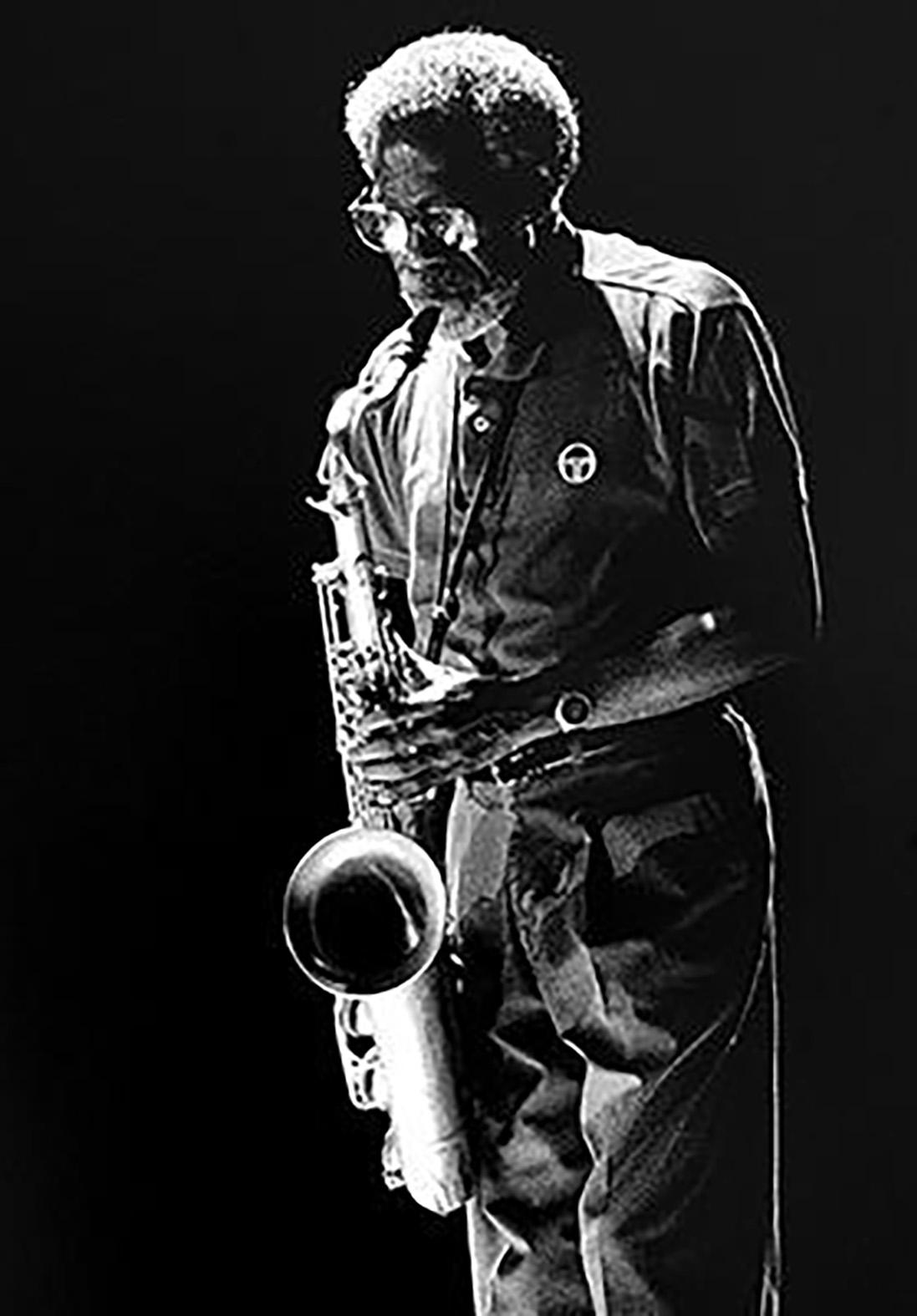 Joe Henderson performing in Malta. Photo: Joe Smith
In 2006, the festival was handed to NnG Promotions on a three-year contract.
Established jazz acts were replaced by artists like The Original Blues Brothers, The Alan Parsons Project and Zucchero. While respected musicians, they were not jazz artists and at one point, the event was renamed the Malta Rock and Jazz Festival.
The documentary includes interviews with the organisers from that period, who acknowledge the pressure to make the festival more commercial and the impact that decision had.
“They were honest, and I really appreciated the fact they spoke so openly. Ultimately, as they said, the festival was going to stop before them and to some extent they managed to save it by keeping it going, even if it was different,” Camilleri said.
After public pressure, and with little evidence that the more commercial direction had significantly boosted ticket sales, the Malta Jazz Festival returned to its original identity.
In 2009, jazz guitarist Sandro Zerafa took over as artistic director and steered the festival back towards the path set by Gatt, rebuilding the bridge between local and international jazz musicians.
“It is crucial to make sure there is balance, between getting the style right and not just being too commercial. And Sandro manages that very well.”
The festival still faces competition from more commercial events. Camilleri noted that one of the evenings of this year’s edition will coincide with Michael Bublé’s first Malta concert.
The documentary was also built thanks to the remarkable festival archive, with programmes, photographs and PBS recordings going back years.
The Malta Jazz Festival will be held between July 6 and 11.