Legislation on drink-drug driving goes before parliament
Opposition says the new law should be 'opened up' to other forms of reckless driving
A bill to introduce random testing of motorists for drug and alcohol abuse went before parliament on Tuesday, with the Home Affairs Minister insisting that the changes had been in the works for some months.
Calls for tougher legislation reached a climax this summer following a spate of traffic accidents in which the motorists involved were found to have been driving under the influence of drink or drugs.
But Byron Camilleri told the House that the government had declared its intention to beef up the laws even before parliament rose for the summer recess.
"We want to send a clear message to motorists that they cannot, through their actions, put others in danger," he said.
Motorists and pedestrians who observed the law deserved protection, he said, and while one could not control what everybody did or did not do, this legislation would serve as a stronger deterrent.
Going into the provisions of the law, Camilleri said the police would be able to test motorists for drug abuse in the same way as they did for alcohol. And tests could be carried out randomly and not upon "reasonable suspicion" as had been the case to date for drink-driving.
Limits were not being changed, the minister said, but there would be "zero tolerance" for anyone driving under the influence of illegal drugs such as cocaine or heroin.
The minister pointed out that during talks with a number of organisations, concerns had been raised about how this new approach could negatively affect people taking medical cannabis who were perfectly fit to drive but could still be caught up in the tests.
Similarly, people who took recreational cannabis days previously could also be caught up. There was also a risk that people would not take medicines prescribed by doctors for fear of being caught up in drug tests.
A well-researched document had been handed to the government and was being seriously considered. The purpose of the new law was to ensure that everyone was responsible behind the wheel and to deter only those who were unfit to drive.
But there would be zero tolerance for those who were reckless and prepared to put other people's lives in danger. No risks could be taken, which was why random testing was now also being introduced.
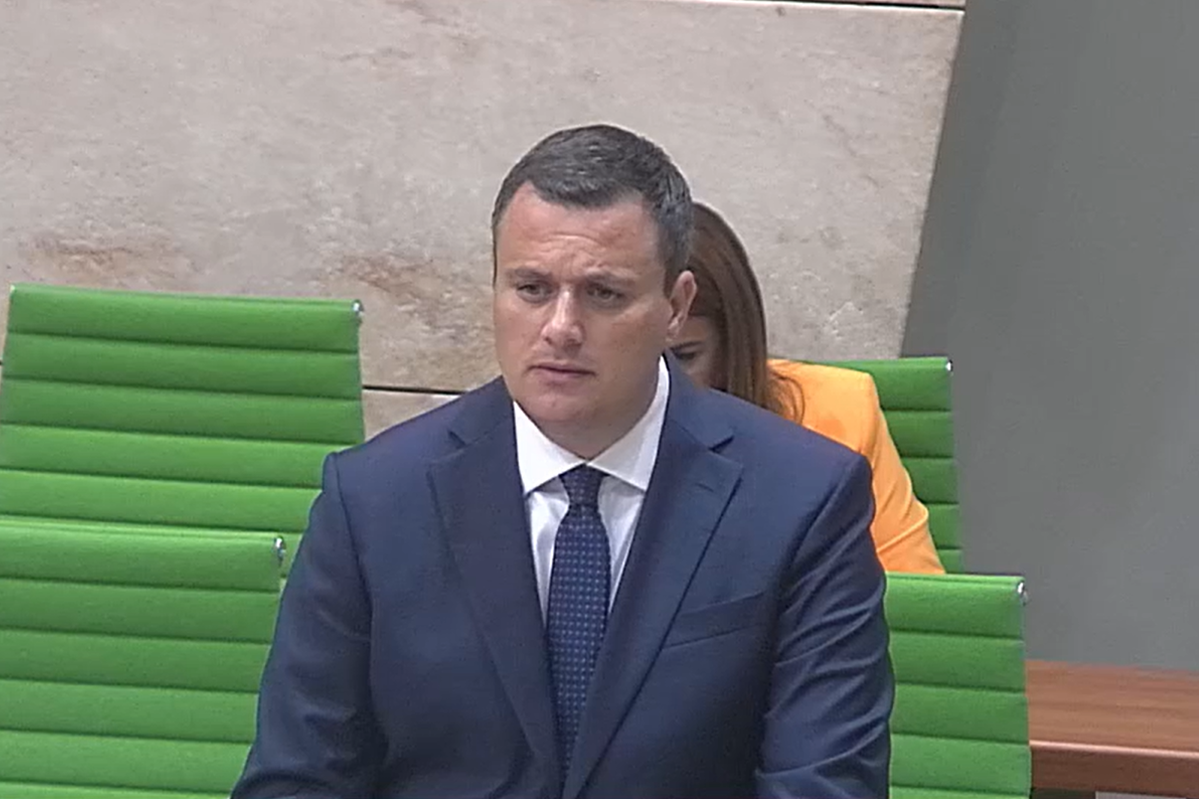 Home Affairs Minister Byron Camilleri speaking in parliament on Tuesday.
The minister said the police had bought new, modern test kits for drug testing. The procedure to be followed was that in the case of a positive drug test, a follow-up test would be taken to confirm the result.
The new law also provided that when a traffic accident resulted in a fatality, the motorist would be sentenced to jail if convicted of having been driving under the influence of alcohol or drugs. The possibility of a suspended sentence was being removed.
Stiffer fines
There would also be stiffer fines for those found to be driving under the influence of drugs or alcohol. The purpose was to strengthen the deterrent against those who, through their recklessness, risked injuring or killing somebody. A fine which previously stood at €1,800 was now being raised to €2,500 for a first offence. In a repeat offence, the current fine of €3,000 was being raised to €5,000.
Furthermore, prosecutors may request immediate suspension of a motorist's driving licence, not when proceedings are completed.
The law was also introducing stiffer penalties in hit-and-run cases.
In his address, Camilleri said this was not the first time that the government was taking tough action to ensure that traffic laws were observed.
Penalties for contraventions that could put people's lives in danger had actually been doubled in 2023.
But strengthening the law had to be accompanied by actual enforcement, and this was happening too, with just the police having mounted 1,300 road checks this year up to August. Action would increase even more now that the police had a specialised Road Policing Unit.
10,000 found driving while on the phone this year
Action by the police and others such as LESA was not just focused on drink and drug driving. This year, up to August,10,000 fines were issued against motorists found using mobile phones at the wheel. A total of 38,000 had been fined for this offence since 2022.
All these people, clearly, were prepared to drive in a manner which endangered others, despite heavy fines, the minister said.
This underlined the need for educational campaigns to underscore the point that people should not put other people's lives at risk.
"The message is clear, the mobile phone can wait, and if you drink or take drugs, your place is not behind the steering wheel," Camilleri said.
"Do not play with people's lives."
Opposition: This bill does not go far enough
Shadow Minister Darren Carabott said this Bill was unfortunately a consequence of serious traffic accidents which had left people killed.
The bill was a step in the right direction and the Opposition would back it. Unfortunately, however, this bill was limited to cases where drug and alcohol abuse led to fatalities. It did not apply when somebody was killed by a driver who was overspeeding or using his mobile phone, for example.
Furthermore, many people were seriously injured, but not killed, in traffic accidents caused by drug and alcohol abuse or other forms of reckless driving. They too were not being covered.
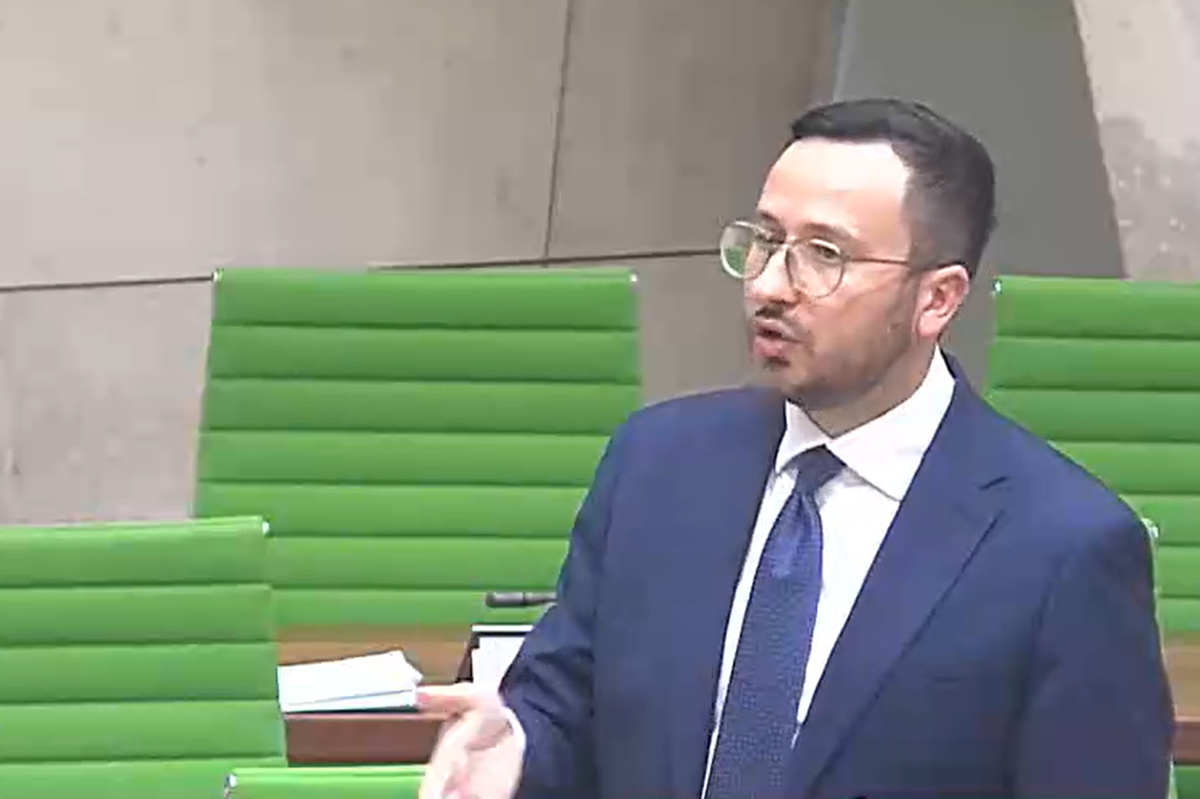 Shadow Minister Darren Carabott.
This was a reactive bill, its provisions coming into force when somebody was killed, in limited circumstances, when the purpose of such legislation should be to deter and prevent abusive and reckless driving in the first place.
Only in that way could accidents be avoided.
Although several traffic penalties were ramped up two years ago, it appeared that they were not enough and this was an issue which should be discussed further.
The government, therefore, should agree to ‘open up’ this bill to other abusive situations which could potentially cause traffic accidents, Carabott insisted.
The two sides could work together; this was not an area of political controversy.
'Stop all the cowboys in the streets'
Other speakers in the debate on Tuesday included the shadow minister for transport Mark-Anthony Sammut who said the Opposition was insisting there should be 'zero tolerance for all cowboys in the streets' and not just those driving under the influence of alcohol or drugs.
Reckless driving, of whatever nature, that killed or injured anybody should result in a mandatory jail term, with no capping imposed on the courts on the length of the term, he said.
As it were, under this law, motorists who through their reckless driving killed or maimed somebody would continue to receive the same ridiculous sentences withnessed in the past few months and years such as was the case of a motorist driving at 140km/h who killed a woman at Gzira seafront and was let off with a suspended sentence and a two-year suspension of his driving licence.