Tourism fuels Malta’s economy. But at what cost in 2026?
Tourism’s growth in 2025 sparked concerns of sustainability
Malta is on course for another bumper year for tourism after welcoming an estimated 3.8 million visitors in 2025.
The figures confirm the country’s continued popularity, but they also sharpen a question that has been hovering over the industry for years: not how many tourists Malta can attract, but how many it can realistically sustain.
For Tony Zahra, president of the Malta Hotels and Restaurants Association, 2025 was a “very good” year, even better than anticipated. But the success comes with a caveat.
“The concern is not that we don’t have enough beds,” he said, “but that we might have too many”.
Zahra said the strong performance was partly necessary to absorb the surge in refurbished rental properties that entered the market the previous year.
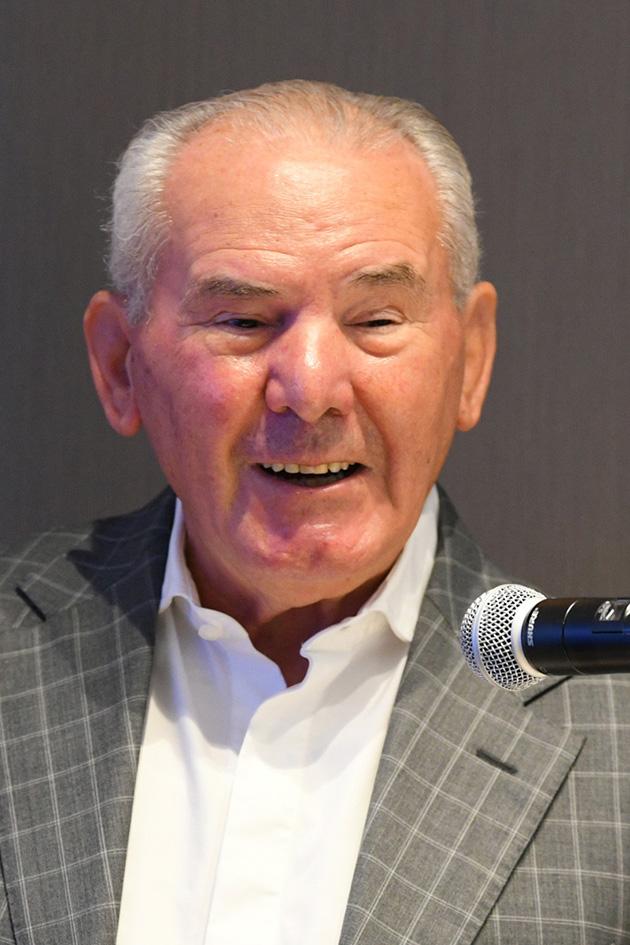 MHRA president Tony Zahra
Looking ahead to 2026, he said the outlook would depend largely on connectivity and airline capacity. New direct flights to the US are set to begin in June, and overall aircraft seat capacity is expected to increase by about 7%.
More tourists, he suggested, will be needed simply to keep the accommodation sector viable. But that in turn, raises another issue: labour.
“Beds are going to increase – hopefully not more so than arrivals – and yes, we will need more people to service those beds,” said Zahra. “We’ve coped up until now and hopefully will in the future.”
Tourism is an essential contributor to Malta’s economy, generating over €3.47 billion in the first 10 months of last year. But for former foreign affairs minister Evarist Bartolo, who lives in Swieqi, the debate about tourism often ignores the impact on residents.
“Ultimately, it’s about how tourism affects residents,” he said, pointing to the concentration of short-let accommodation in areas like his own locality.
Bartolo warned that short-term rentals were driving up property prices and changing neighbourhood dynamics, particularly when apartments cater to young party-goers.
“It is in the interests of tourism to address this – otherwise there will be a backlash,” he said.
“We don’t want to reach the point of places like Barcelona,” where tourists have been sprayed with water guns by frustrated locals.
Measures such as decibel monitors in short-let apartments could help curb abuse, he suggested.
Infrastructure stretched
Beyond housing, Bartolo said tourism’s impact on infrastructure required far more rigorous planning.
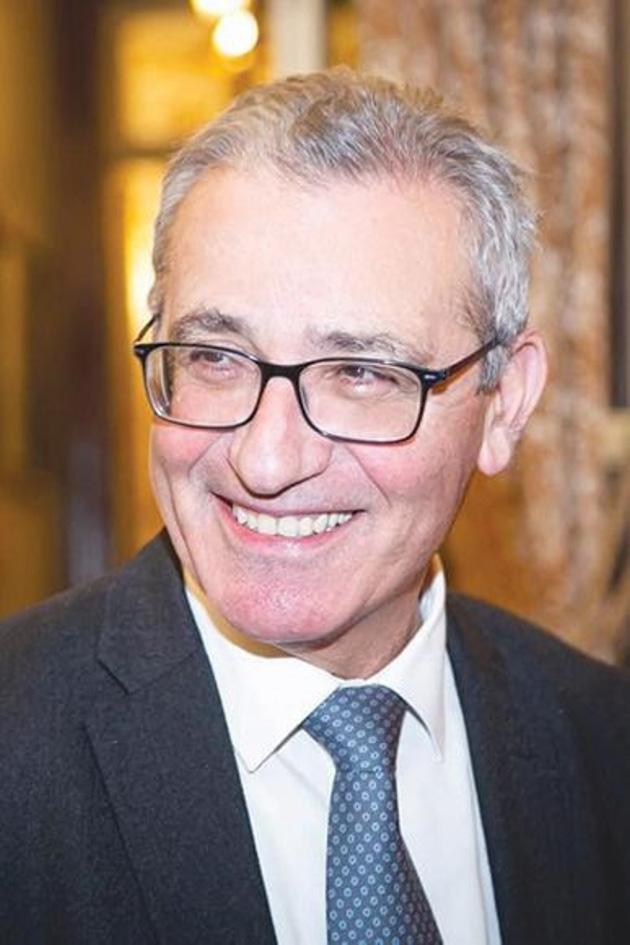 Swieqi resident and former tourism minister Evarist Bartolo
Major developments such as db Group’s Pembroke project, for example, place added strain on roads, sewage and public services.
“Sustainable tourism shouldn’t be a slogan,” he said.
“Long-term planning has never been our forté... We need our country to make money, but also to be liveable. We can cope with another record year – but only if steps are taken to manage the country’s infrastructure and short lets.”
From the industry’s perspective, Malta’s tourism authority is already trying to shift the emphasis.
Carlo Micallef, chief executive of the Malta Tourism Authority, said he expected slower growth next year overall, with a deliberate focus on spreading demand more evenly across the calendar.
“We’re not looking for growth between May and September,” he said, instead aiming for consistency during the summer months.
He said the authority was also prioritising the “mix of tourists” rather than sheer numbers, targeting sectors such as meetings, conferences and exhibitions and scaling back on youth travel.
Micallef said Malta’s strength lies in it “remaining authentic and hospitable”, while stressing its connectivity and prevalent use of English.
“We need to concentrate on what we do best,” he said.
But competition in the Mediterranean is intensifying, with “strong competition” seen in North Africa and Turkey in particular.
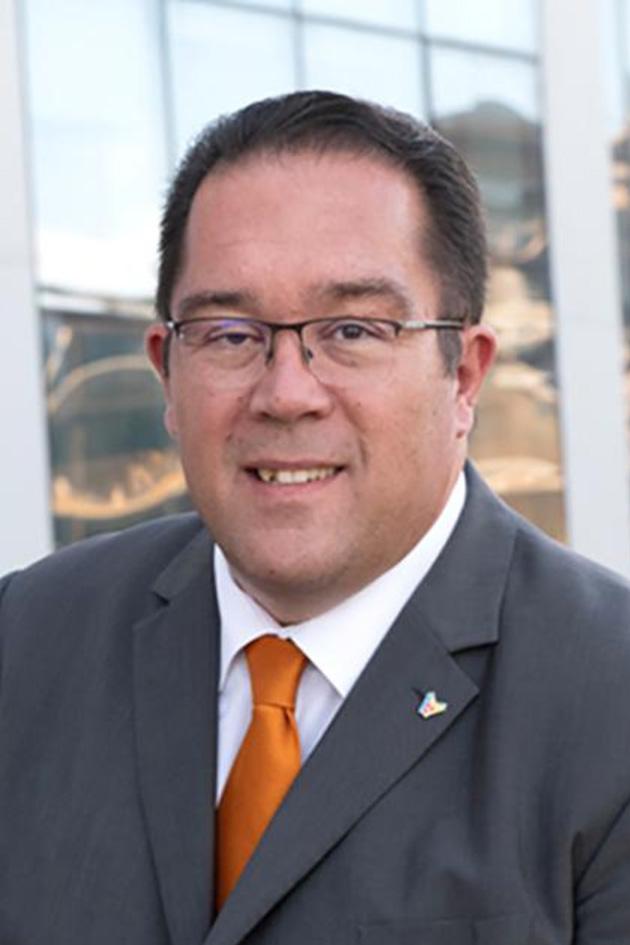 MTA chief executive Carlo Micallef
Micallef described Malta’s tourism offering as a “country of two faces”; positioning itself as a city break destination in winter, while in summer, relying more on its beaches and island lifestyle.
‘Where do we want to go?’
For the opposition, the tourism numbers prompt a more fundamental question.
PN tourism spokesperson Mario de Marco described the projected figures as “a great achievement”, but warned that growth alone was becoming a blunt instrument for measuring success.
“We can’t keep gauging tourism in numbers, as we’re reaching saturation point,” he said.
He called for a “carrying capacity exercise to find out how many tourists we can take”.
“Where do we want to go? We can probably reach five million, but do we want to?”
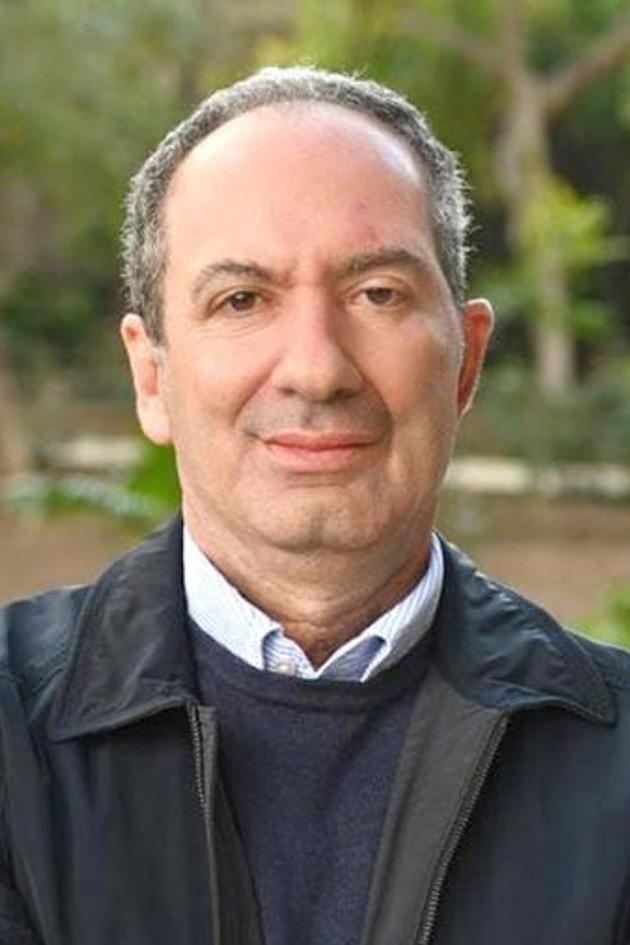 Shadow tourism minister Mario de Marco
Rising tourist numbers, he pointed out, mean rising labour demand, which feeds population growth and places further strain on infrastructure.
“Do we want to keep growing for the sake of growth, or see if we can achieve more with less, and with different profiles of tourists,” he said, adding that the phrase ‘quality tourism’ was “always mentioned but seems to remain elusive”.
The growth of Malta’s short-let accommodation sector was a mixed bag: “It’s positive in the sense that economic spend is spread around, but negative that properties that would otherwise be for residents are being used for tourism, putting pressure on house prices”.
He called for increased visibility of planned short-let accommodation, noting that only the number of licensed properties were known.
Despite the challenges, however, de Marco stressed Malta’s “advantage of being able to offer different experiences within reach – that’s our strength”.