Tourism has boomed. Now we need to be smart about growing it further
Our goal for the next decade is to continue increasing our GDP and the generation of wealth, but with significantly less collateral damage, says Philip Fenech
In 2006, I stood at the forefront of a debate that redefined Malta: the ‘Open Skies’ revolution. I argued then that we could not afford to remain an observer while the world embraced a new era of connectivity.
That decision was a catalyst but the success that followed – taking our GDP from €7 billion to over €24 billion – was not the result of the business sector alone. It was the product of a unique Maltese resilience born from a strong social partnership.
Through our collective work within institutions like the MCESD, we have seen what is possible when the government, social partners and the private sector move in lockstep.
As we look toward Vision 2050, we must apply that same collaborative spirit to a new challenge: ensuring that our economic wealth translates into a higher well-being index for every citizen.
Tourism remains a foundational pillar of our €24 billion economy but its value must be measured by more than just direct spend. Its true power lies in derived demand – the way a single visitor’s stay supports our local farmers, artisanal producers and tech service providers.
However, we are now entering a phase of ‘masterful calibration’.
Our goal for the next decade is to continue increasing our GDP and the generation of wealth but with significantly less collateral damage. We must move toward a high-value, high-skill economy that respects our national carrying capacity and reduces our reliance on the mass importation of human resources.
To sustain this growth without strain, we must master our connectivity. While low-cost carriers (LCCs) provide the essential volume for our SMEs, our maturity as a destination now requires a sophisticated ‘perfect mix’.
The role of KM Malta Airlines is strategic; it provides the economic sovereignty that links us to primary European hubs. When balanced with an increased presence of legacy carriers, we attract the high-yield traveller and the corporate visitor who invest deeper into our economy. This hybrid model satisfies every segment of the market, ensuring our business mix remains robust enough to support year-round prosperity.
We must be realistic about the ‘growing pains’ of a successful nation. Traffic congestion and the footprint of construction are challenges we face daily. Our strategy for Vision 2050 isn’t to chase an impossible ‘perfection’ but to drastically improve logistical efficiency.
The ongoing upgrades to our national road network and our core tourism zones, alongside MIA’s landmark €345 million investment during the period 2025 to 2029, are essential. But these must be balanced with our well-being index.
We want a vibrant Malta that celebrates its nightlife- Philip Fenech
Infrastructure is not just about moving cars; it is about protecting our environment and ensuring that the quality of life for the resident is as high as the quality of experience for the tourist. We want an island that is logistically smart but also green and liveable.
Our entertainment and clubbing industry is another area where we must move up a few notches. Malta has the potential to attract higher-tier promoters and international calibre acts that cater to a more discerning, sophisticated audience.
My vision is a ‘marketing mix’ where elite clubbing and high-tier music festivals coexist with our cultural and family niches. By elevating the prestige of our entertainment scene, we increase our value-added without causing friction between different tourism segments.
We want a vibrant Malta that celebrates its nightlife without compromising its heritage or the peace of its communities.
The journey through Vision 2030 and toward 2050 is about synchronisation.
Through the Skills Pass and the professionalisation of our workforce, we are ensuring that our people – not just our numbers – drive our success.
My vision for the future is a Malta that is strategically connected: a hub where legacy carriers, KM Malta Airlines, and LCCs work in harmony; structurally resilient: supported by an efficient transport network and a world-class airport; socially balanced: a nation where GDP growth is aligned with our environment and our well-being index, ensuring that, as our wealth grows, our quality of life grows with it.
We have the volume. We have the momentum. Now, through the continued strength of our social partnership and a commitment to quality, we will engineer a future that is not just more prosperous but more sustainable and rewarding for all.
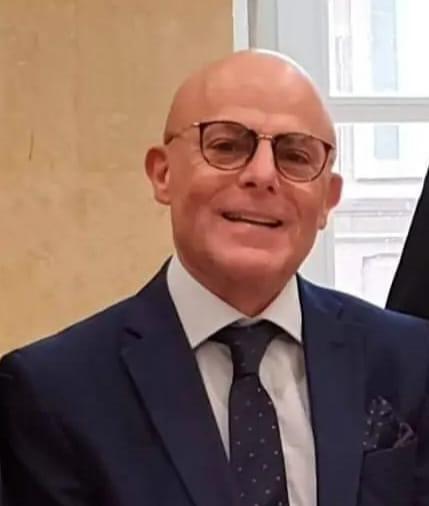
Philip Fenech is deputy president of the Malta Chamber of SMEs and chairperson of the Paceville Town Centre Management.