Trump's paracetamol claim sparks concern among pregnant women in Malta
Doctors insist paracetamol is safe, perplexed by disinformation
Updated 4.19pm with Autism Advisory Council
Doctors in Malta are fielding questions from worried pregnant women after US president Donald Trump made a baseless claim that paracetamol - also known as acetaminophen or Tylenol - is linked to autism.
The remark has fueled confusion on social media, where many pregnant women questioned whether the widely used painkiller is safe.
Edward Zammit, president of the Malta College of Family Doctors, said a number of expectant mothers had already reached out to their doctors for advice.
“I wouldn't be surprised if it gets worse - more panic,” he said, stressing that paracetamol is safe in pregnancy.
“Pregnant women are advised to talk to their doctors to clarify any doubts purely for their peace of mind. Paracetamol is definitely safe, and there is no link to autism. But reassurance from their doctor can go a long way towards helping them navigate an already stressful period," he said.
Gynaecologist Isabel Stabile echoed that advice, pointing to international expert consensus.
“My views are firmly based on science rather than Trumpian misinformation campaigns,” she said.
“In fact, leaving pain or fever untreated can be dangerous for both mothers and babies.”
Another Maltese gynaecologist admitted being “rather perplexed” by Trump’s remarks.
“For over 30 years, I have prescribed paracetamol for fever and pain relief in pregnancy without even a hint of fetal complications,” he said.
The Malta college of Obstetricians and Gynaecologists also said its recommendation based on a review of International literature and guidelines, is that paracetamol is the safest medication for the control of pain and fever in pregnancy.
"Its use, like with all medications in pregnancy, should be under medical advice and it should be taken at the lowest effective dose and for the shortest duration," it said.
'Unprofessional' to present false facts: Autism Advisory Council
In a press release on Tuesday, the Maltese Autism Advisory Council urged caution regarding Trump's claims on autism, highlighting how such a claim that paracetamol causes autism is never mentioned in several studies.
"The fact that some persons took paracetamol in pregnancy, and their children were eventually diagnosed with autism, does not mean that there is a direct link, unless the data shows this regularly and consistently," the Council said.
"Unless we have hard evidence in hand backed by hard science, it is both unprofessional and unfair to present such theories as fact to expectant mothers, while racking others with guilt, leading them to believe that their autistic child's support needs are the direct result of having taken a common painkiller during pregnancy."
Global condemnation of Trump’s claim
On Monday, the US president claimed that taking Tylenol, known as paracetamol, "is no good" and that pregnant women should "fight like hell" to only take it in cases of extreme fever.
Medical experts and regulators around the world swiftly dismissed Trump’s comments.
The US Society for Maternal-Fetal Medicine (SMFM) and the American College of Obstetricians and Gynecologists (ACOG) issued statements condemning his claims as “highly concerning and irresponsible.”
“Pregnant patients who need this medicine may be left confused and frightened,” ACOG president Steven Fleischman said.
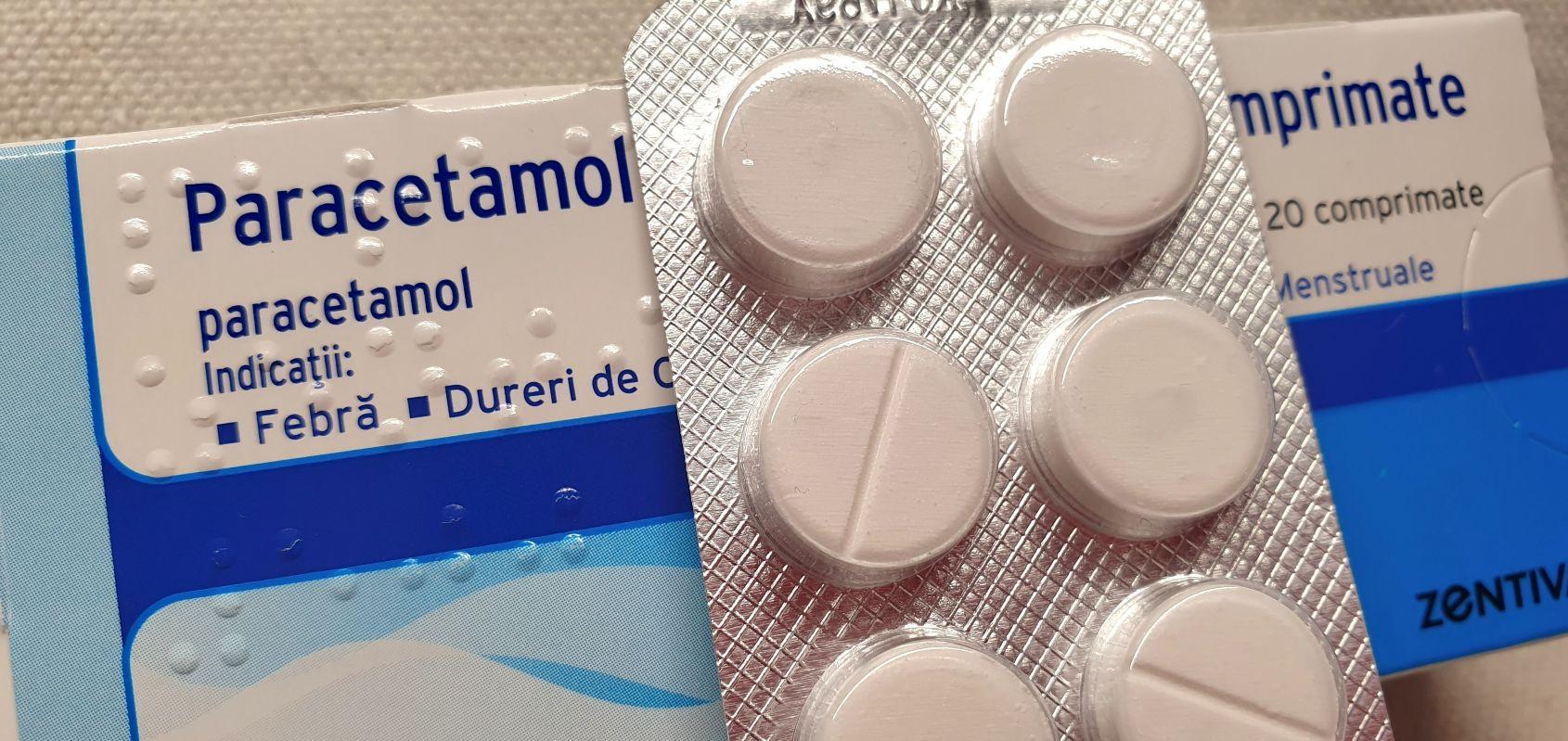 Medical experts worldwide are insisting that paracetamol is safe for pregnant women. Photo: Shutterstock
The UK’s Medicines and Healthcare products Regulatory Agency (MHRA) said there remains no evidence linking paracetamol use in pregnancy with autism and continues to recommend it for pain relief. Australia’s Therapeutic Goods Administration (TGA) reaffirmed the same.
Tylenol, the American brand that produces paracetamol-based pain relief medication, released a statement on Instagram and on its website, acknowledging the public confusion but stressed that “credible, independent scientific data continues to show no proven link between taking acetaminophen and autism.”
WHO sees no autism links to Tylenol, vaccines
The World Health Organization said on Tuesday that neither the painkiller Tylenol nor vaccines have been shown to cause autism.
WHO spokesman Tarik Jasarevic told reporters that while some observational studies had suggested a possible association of autism with acetaminophen, or paracetamol -- the primary ingredient in Tylenol -- others had "found no such relationship", adding: "The evidence remains inconsistent."
As for vaccines, he said there was no doubt: "Vaccines do not cause autism."
What triggered the panic?
On September 22, the US Food and Drug Administration (FDA) announced plans to update the warning label on acetaminophen products.
The change will reflect that some studies suggest a possible association between long-term or chronic use during pregnancy and neurodevelopmental conditions such as autism and ADHD.
However, the FDA emphasised that no direct causal link has been established, findings are inconsistent across studies, and that acetaminophen remains the only FDA-approved over-the-counter option for fever relief during pregnancy.
 American president Donald Trump pointed out a baseless link between paracetamol and autism. Photo: Shutterstock
The agency recommended that pregnant women use the lowest effective dose for the shortest duration when medically necessary, given that untreated fever itself can pose risks to a fetus.
Trump, by contrast, simplified the FDA’s cautious position into a sweeping warning.
What the science shows
Researchers say the strongest evidence to date comes from a large Swedish study of 2.5 million children, published in 2023. It found only a “very small” difference in autism rates between children exposed to paracetamol in utero (1.42%) and those who were not (1.33%).
When comparing siblings - where one was exposed to the drug during pregnancy and the other was not - researchers found no difference in autism risk, strongly suggesting that earlier studies showing a link were skewed by confounding factors such as maternal illness.
Nature explained why working out whether there is a link between the drug and autism is difficult: “The medication is available over the counter, so a lot of usage is not recorded in medical databases. This means researchers rely on self-reports, which can be unreliable.”
Confounding factors are an even bigger problem, Nature said, noting that women who take paracetamol in pregnancy are usually in poorer health than those who don’t, perhaps because they had an infection or an underlying condition.
Any apparent link between acetaminophen and autism might therefore be explained by these other health factors rather than the drug itself.