When truth is optional our democracy becomes hollow
The recent decision by the standards commissioner about MPs not being duty-bound to tell the truth should alarm every citizen, says Immanuel Mifsud
As PEN Malta, we exist to defend truth, freedom of expression and the public’s right to hold power to account. Writers, journalists, researchers and artists do not seek truth because a code instructs us to do so but because truth is the moral foundation of any society that calls itself democratic.
That is why the recent decision by the standards commissioner, effectively ruling that MPs are not duty-bound to tell the truth unless a specific clause instructs them to do so, should alarm every citizen, regardless of political allegiance.
This was not merely a legalistic interpretation of a code of conduct. It was a declaration that truth, honesty and integrity are optional extras in public life. That as long as dishonesty is not explicitly prohibited, it is permissible. This is not governance; it is moral abdication.
The facts of the case are almost secondary. The commissioner himself concluded that an MP “intentionally or otherwise, presented a false picture” of an environmental impact assessment. In any functioning democracy, that finding alone would be enough to raise serious ethical concerns. Yet, the complaint was dismissed on grounds that the code of ethics for MPs does not explicitly bind them to honesty. It only applies to ministers.
This is a reading of ethics so narrow, mediocre and puerile that it collapses under its own absurdity. Codes of conduct are meant to articulate standards, not to exhaust them. They exist to uphold public trust, not to provide technical loopholes through which that trust can be quietly drained away.
As Archbishop Charles Scicluna rightly observed, allowing elected representatives to be untruthful with impunity is an affront to human decency. Repubblika is equally correct in pointing out that this decision exposes a profound deficiency in Malta’s ethical framework.
This is not just a failure of frameworks but a failure of imagination and courage.
Democracy does not survive on procedures alone. It survives on shared values: truth, accountability, responsibility to the public. When institutions charged with safeguarding standards reduce ethics to box-ticking exercises, they betray the very purpose of their existence.
What message does this send to journalists seeking answers, to writers challenging power, to citizens trying to make informed choices? That truth is negotiable. That accuracy is optional. That deception is acceptable as long as it is not expressly forbidden.
This is not a technical flaw to be quietly corrected in a future amendment. It is a warning sign.
If those entrusted with upholding standards cannot recognise that lying is incompatible with public office, even when no rule spells it out, then the problem is not only the code but the mindset interpreting it.
When institutions charged with safeguarding standards reduce ethics to box-ticking exercises, they betray the very purpose of their existence- Immanuel Mifsud
At PEN Malta, we believe that truth is not a privilege granted by regulation but a fundamental obligation of anyone who exercises power over others. When truth becomes optional, democracy becomes hollow, an empty ritual stripped of meaning.
We deserve better than mediocrity disguised as procedure. We deserve institutions that understand that integrity cannot be reduced to footnotes and that truth is not a loophole to be exploited but a value to be defended.
What makes this moment particularly dangerous is the precedent it sets. If the absence of an explicit rule is enough to excuse falsehoods today, tomorrow it may excuse misinformation, manipulation and deliberate deceit on matters far more consequential than a single environmental study. This logic rewards bad faith and punishes those who still believe that public office carries moral weight.
It also corrodes the relationship between citizens and their representatives. Democratic consent relies on informed choice. Voters cannot make meaningful decisions if those elected to serve them are free to distort facts without consequence. When truth is reduced to a technicality, trust becomes impossible, and, without trust, democratic institutions lose legitimacy.
For writers, journalists and artists, this decision strikes at the heart of our work. Our role is not ornamental; it is essential. We question, verify, interpret and challenge precisely because power has an inherent tendency to evade accountability. When institutions of oversight fail to uphold truth as a core value, they leave that burden to civil society, while simultaneously weakening its ability to function.
The remedy is neither radical nor complex. Ethical standards for MPs must be urgently revised to explicitly enshrine honesty, accuracy and responsibility in public communication. More importantly, those tasked with enforcing such standards must embrace the spirit of ethical governance, not hide behind minimalist interpretations of written rules.
Truth is not an optional clause. It is the baseline. Without it, no code of conduct, no institution and no democracy can claim moral authority.
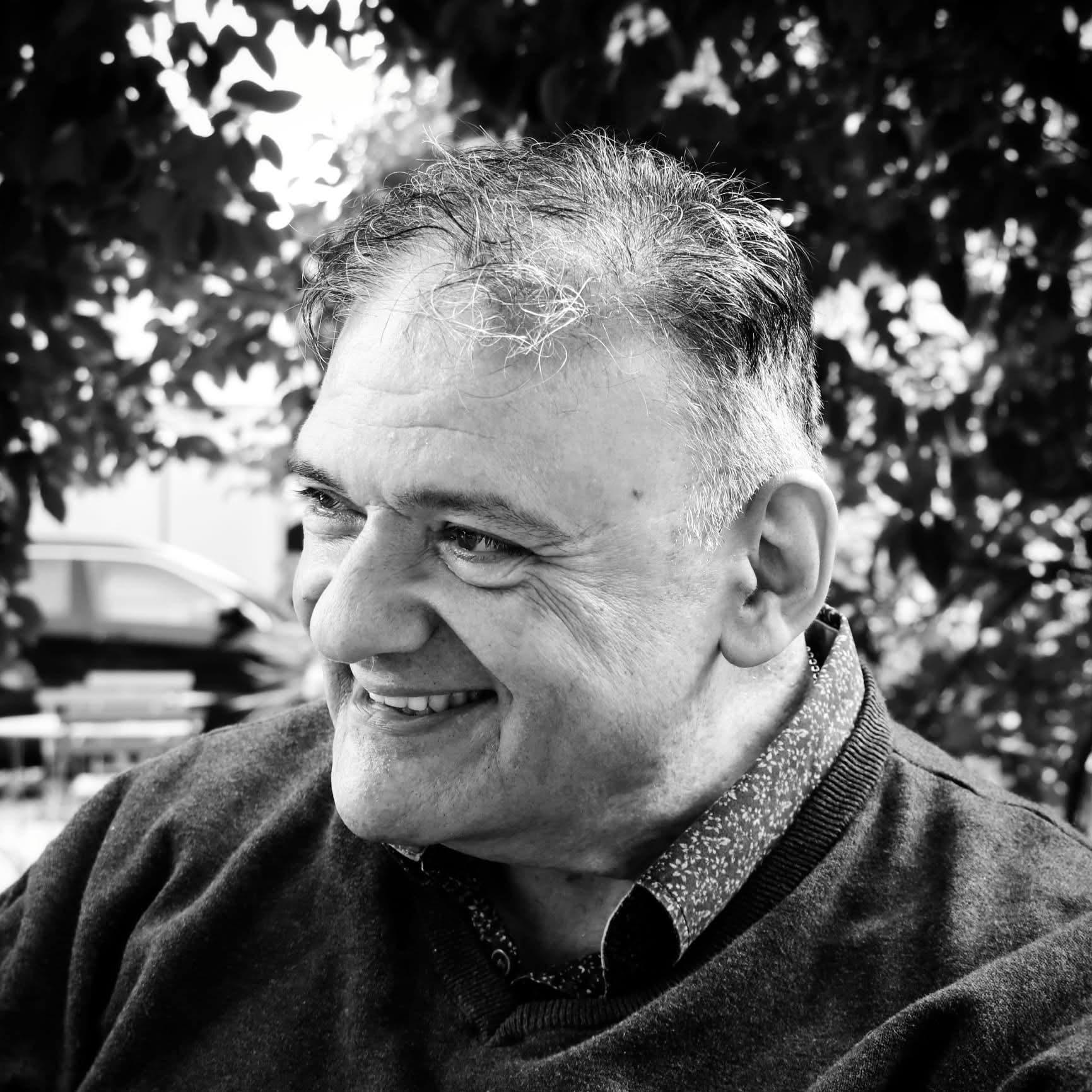
Immanuel Mifsud is president of PEN Malta, author and associate professor of Maltese at the University of Malta.