Two Archi+ projects stand out at SHARE Architecture Awards
'Olivia' and 'Winnow' offered a portrait of contemporary Maltese architecture on the international stage
At this year’s SHARE Architecture Awards, Maltese architecture studio Archi+ secured both a category win and an honourable mention for two contrasting residential projects.
The winners were announced during a gala event hosted at the Zumtobel Light Forum in Dornbirn, Austria, earlier this month.
Selected from among 250 submissions and eventually from 114 finalists representing over 35 countries, the studio’s work impressed the jury for its ability to translate heritage, climate and constraints into coherent, contextually sensitive design. Together, the projects Olivia and Winnow offered a portrait of contemporary Maltese architecture on the international stage.
Olivia: reversible transformation
Honoured in the Interiors – Residential category, Olivia is located within a Sliema residence originally designed by early 20th-century architect Alberto La Ferla. For Archi+, the project quickly revealed itself as an exercise in architectural responsibility.
Beyond its historic fabric, the home carries strong emotional significance in its neighbourhood, having once served as the clinic of Dr Paris, a local doctor remembered fondly by residents. This community connection became an essential component of the design process.
 Daphne Bugeja (left) accepted the award for Olivia, which received an honourable mention at the SHARE Architecture Awards, while Archi+ partner and director Anthea Huber received the award for category winner Winnow.
Anthea Huber, partner and director at Archi+, explains that the studio began by carefully analysing the elements that defined the character of the house.
“We started by identifying the architectural elements that defined the building’s character: the proportions of the rooms, the masonry walls, the rhythm of apertures and the particular way natural light entered the interiors.”
These components, she notes, were preserved because “they express the essence of the house, architecturally and culturally”.
Maintaining the legibility of the original structure guided every intervention. Huber emphasises the importance of respecting the building’s logic: “Our interventions were guided by a commitment not to disrupt the original fabric or the legibility of the spaces. We were very intentional about keeping the reading and understanding of the original rooms intact.”
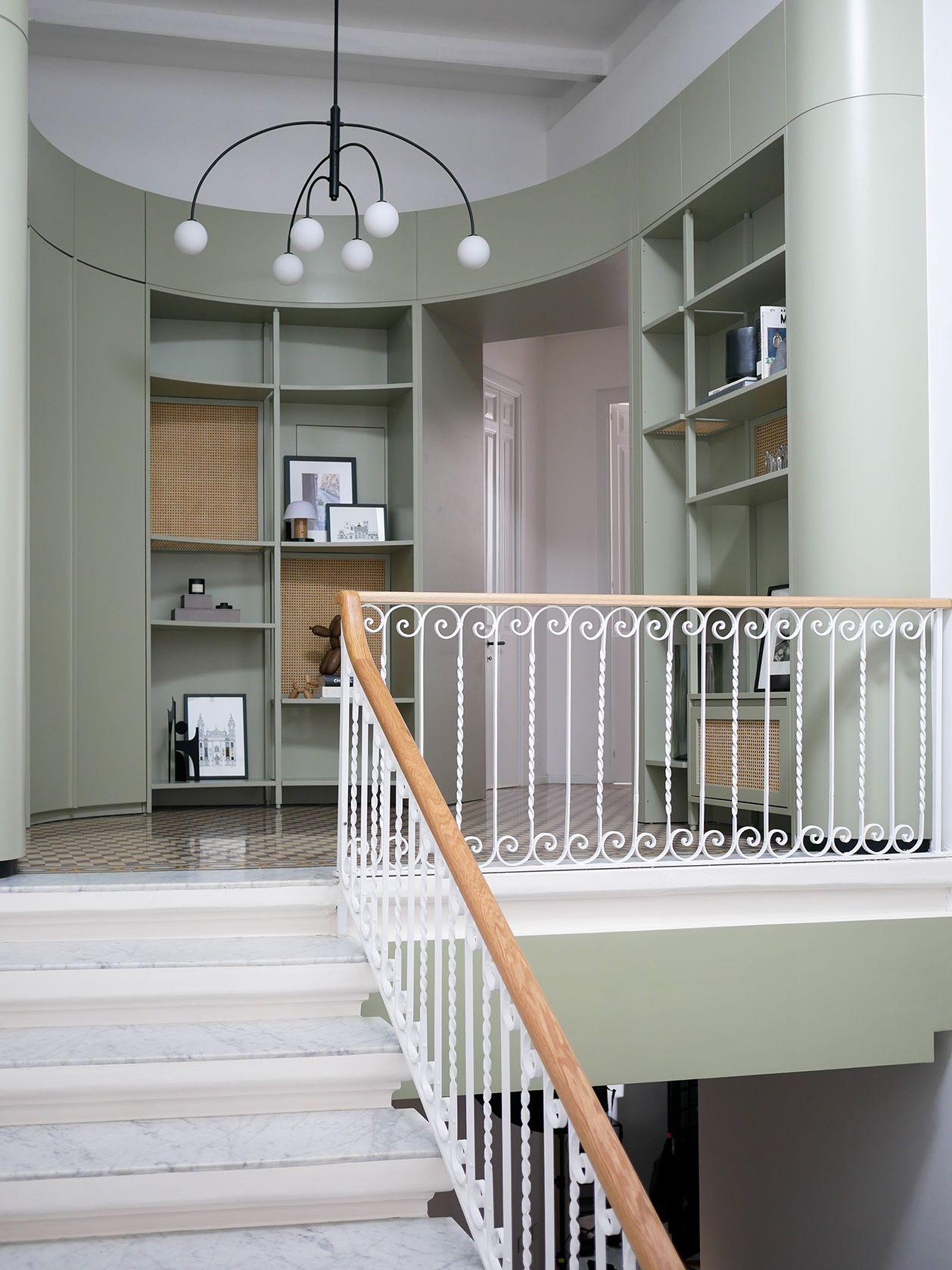 Olivia maintains a delicate equilibrium between preservation and adaptation.
This mindset informed the project’s core principle of reversibility – ensuring that any new addition could be removed or adapted in the future without compromising the historic structure.
Instead of altering the building’s integral features, Archi+ introduced new functions through carefully designed bespoke furniture.
As Huber notes, “bespoke furniture played a key role in this strategy. Instead of altering walls or built-in features, the furniture defined functions, organised spaces and introduced contemporary craftsmanship in a way that is clearly separate from the historic fabric.”
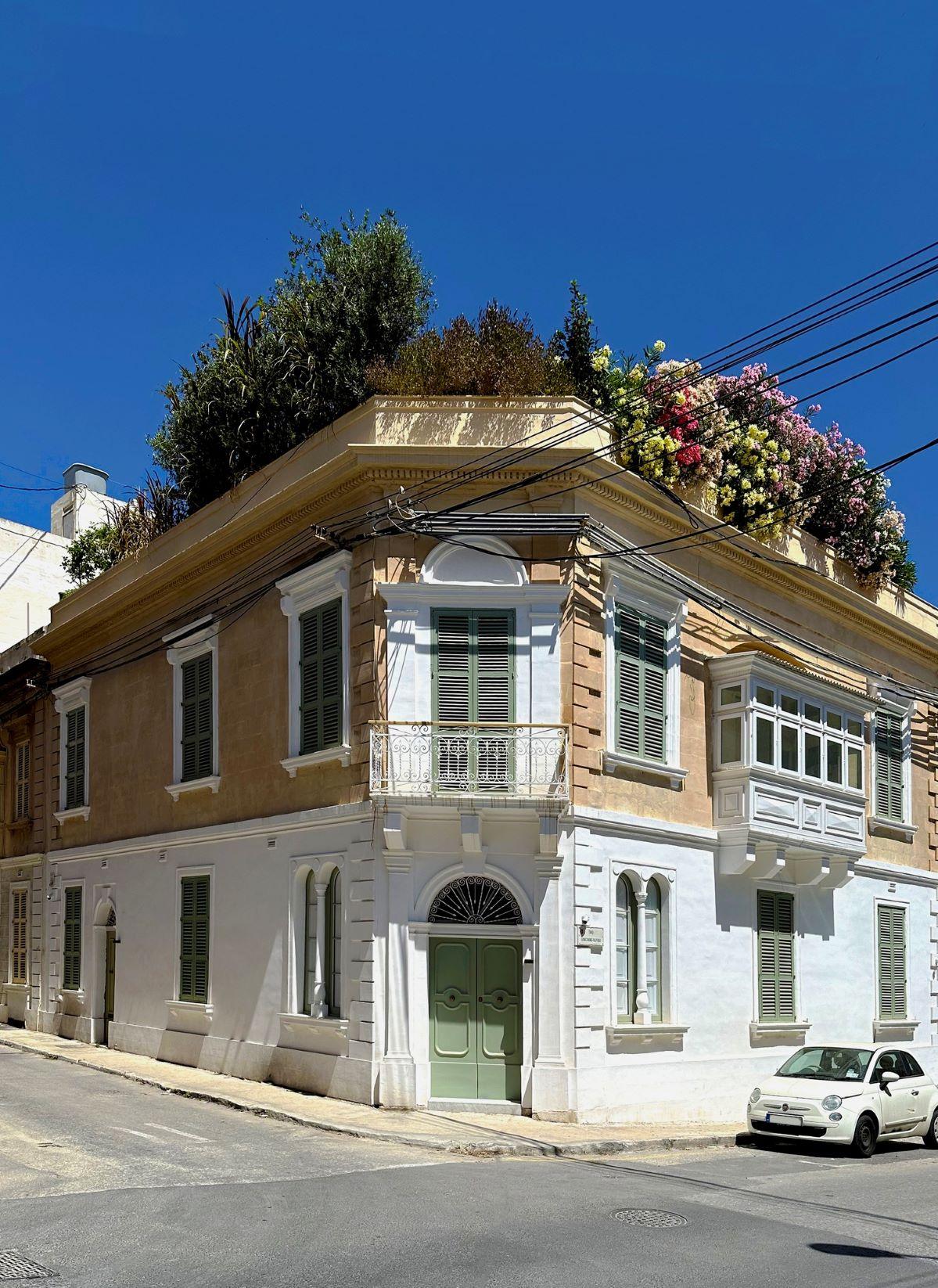 Olivia is located within a Sliema residence originally designed by early 20th-century architect Alberto La Ferla.
Material decisions were made with equal precision. The original Carrara marble flooring, which required replacement due to the introduction of underfloor heating, was reimagined with new marble that closely mirrors the tone and character of the original.
At the entrance, a marble “carpet”, inspired by ecclesiastical patterns found in Maltese and European churches, becomes a defining focal point. “This feature makes a clear and striking statement,” Huber explains, “creating a welcoming focal point that references craftsmanship and heritage while signalling the home’s contemporary sensibility.”
Through its measured approach, Olivia maintains a delicate equilibrium between preservation and adaptation, protecting the memory embedded in its structure while ensuring the home remains relevant and functional for contemporary life.
Winnow: climate-responsive rural living
Where Olivia focuses on historical continuity, the award-winning Winnow – recipient of the Completed Buildings – Single House (Individual Use) category – explores the possibilities of contemporary rural living.
The narrow footprint of Winnow was both a challenge and an opportunity
Located in Rabat, Winnow responds to one of the most challenging sites in the competition: a plot that narrows to only 3.3 metres. Instead of treating this as a constraint, Archi+ transformed it into the conceptual backbone of the project.
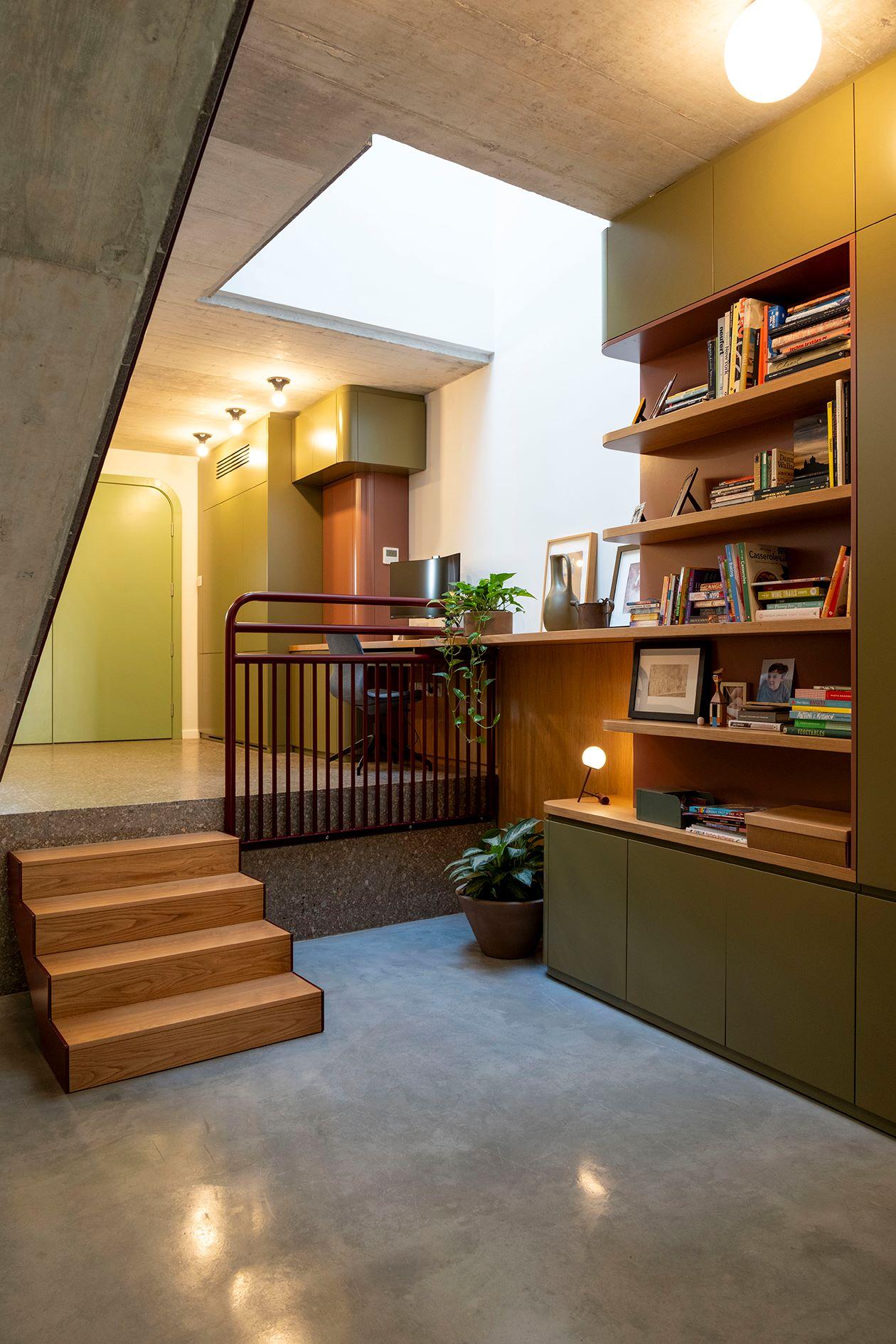 Winnow employs passive design strategies to support comfort without mechanical dependence.
Huber describes how the team embraced the site’s linearity from the beginning: “The narrow footprint of Winnow was both a challenge and an opportunity. From the outset, we embraced the site’s linearity, organising spaces along a central spine to guide circulation, light and views.”
This organisation maintains clarity while maximising efficiency. To enhance openness, the lower level was designed as “boxes within a volume”, replacing full-height walls with partitions that allow light and air to move freely. Curved corners further soften movement, creating a sense of flow within the compact plan.
Climate responsiveness is integral to Winnow’s architecture. The house employs passive design strategies to support comfort without mechanical dependence.
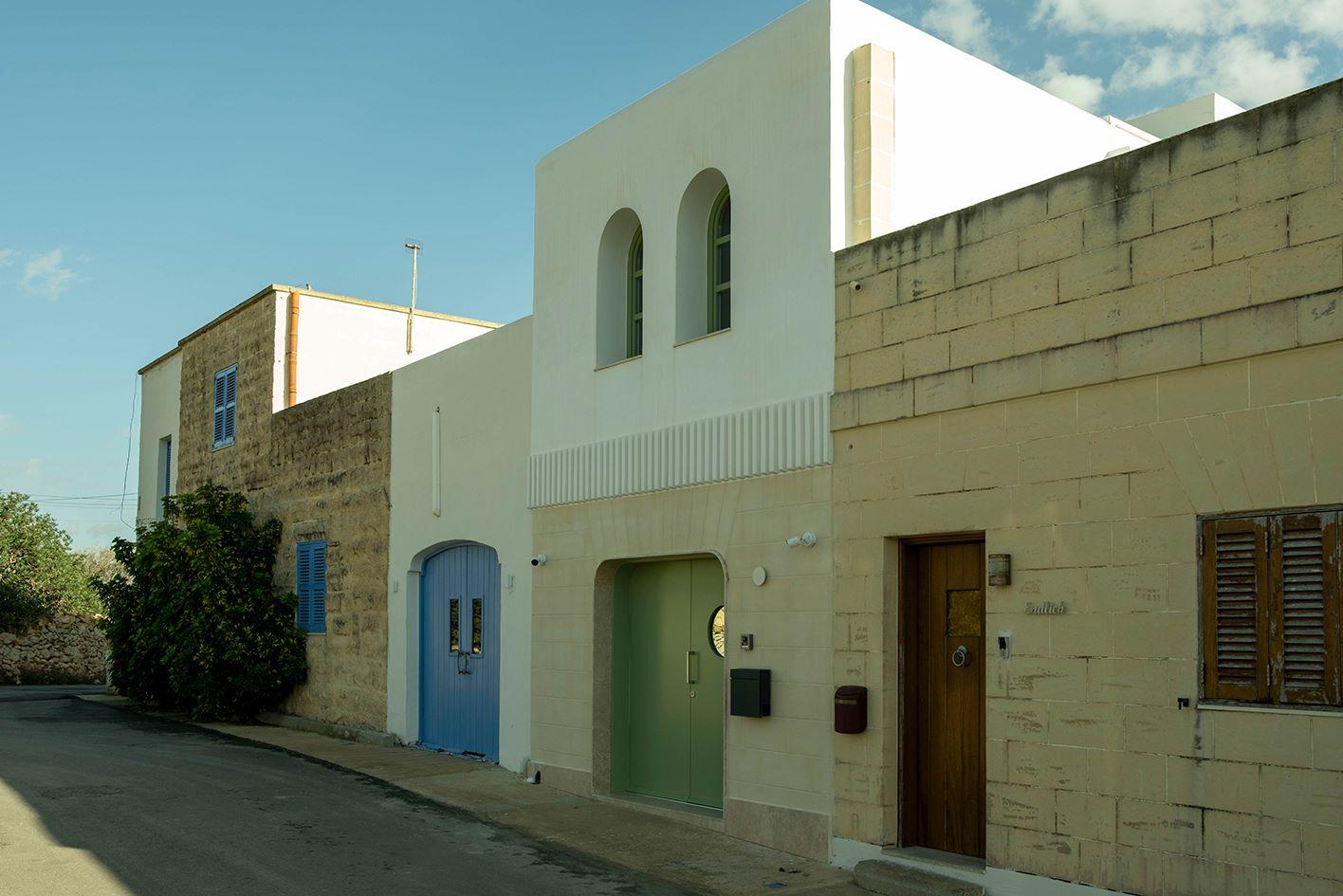 Climate responsiveness is integral to Winnow’s architecture.
Huber explains, “An openable skylight at the core draws warm air upward, encouraging crossflow throughout the house, while carefully positioned openings allow fresh air to circulate freely.” A south-facing garden works in tandem with a generous overhang to manage solar exposure, while ensuring that natural light reaches deep into the home.
Materiality reinforces the project’s environmental logic and cultural grounding. Local stone provides thermal mass, reduces transportation impact and connects the structure to Maltese building traditions.
Huber highlights this approach: “Stone was sourced locally to reduce transportation impact and to respond effectively to Malta’s climate, providing thermal mass that helps regulate interior temperatures.” Detailing and carving elevate the material’s presence, transforming it into a contemporary architectural expression.
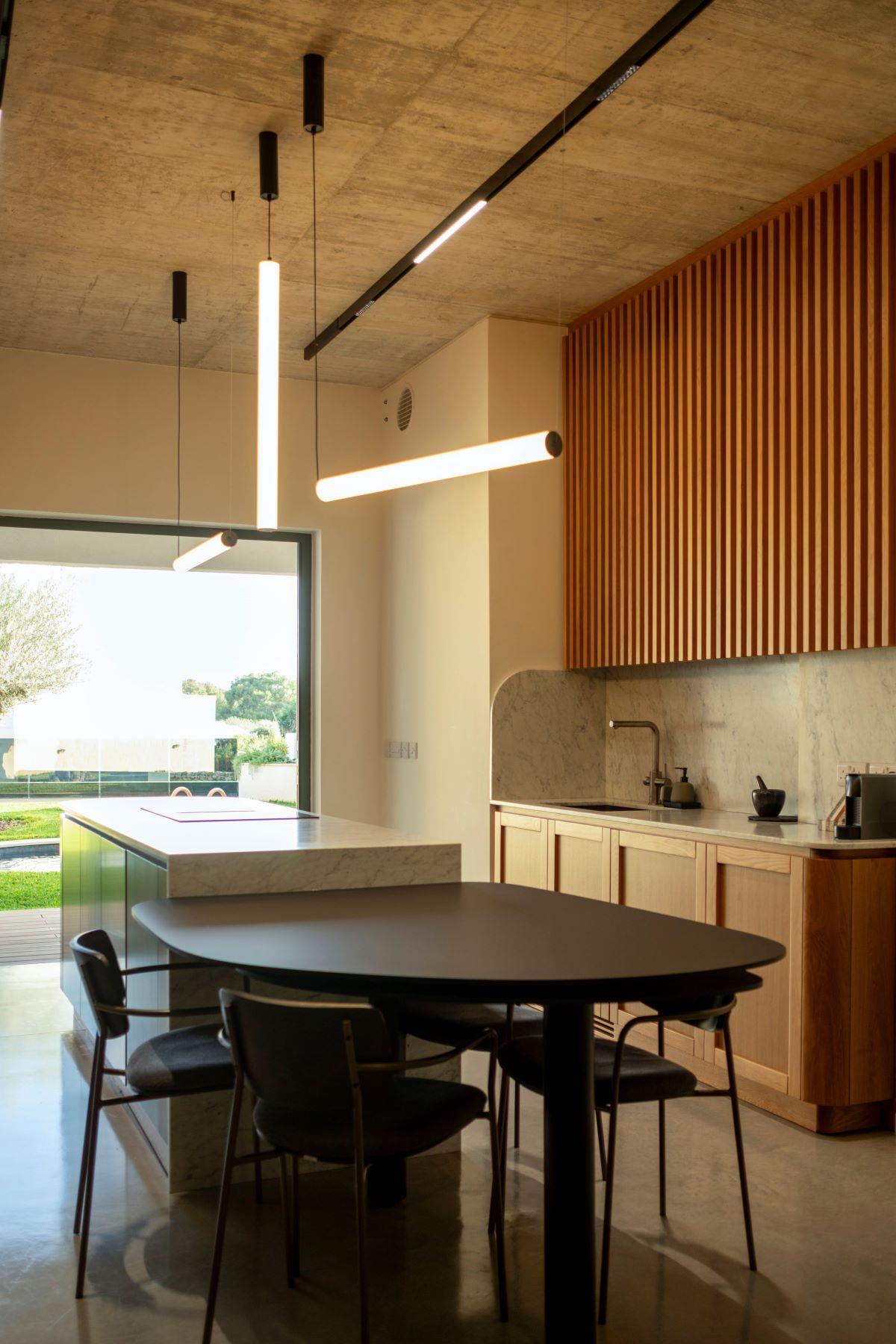 Winnow was shaped by the clients’ desire for a home that supports well-being, adaptability and long-term resilience.
Emerging from the pandemic years, Winnow was shaped by the clients’ desire for a home that supports well-being, adaptability and long-term resilience. The result is a dwelling that transforms limitation into opportunity, offering a spatially rich, climate-attuned environment that remains unmistakably Maltese.
Through Olivia and Winnow, Archi+ received dual recognition at the SHARE Architecture Awards, marking an important moment for Malta’s contemporary architectural narrative.
For more information, visit archiplus.mt.