Two babies with one condition of the hip... but with two outcomes
Contrasting experiences highlight how early diagnosis of Developmental Dysplasia of the Hip (DDH) can make a difference
Charlotte Craner was born healthy in 2022, but a faint click revealed that her hips were displaced.
She was referred for an ultrasound, diagnosed with Developmental Dysplasia of the Hip (DDH), and fitted with a harness that corrected the issue within two months.
“Charlotte walked on her first birthday; she can jump, she can run, she can climb, and it is hard to stop her,” said her mother, Martina Brincat.
For another Maltese child, two-year-old Mark*, the story unfolded differently. His DDH went undiagnosed until he was over a year old. By then he required complicated surgery, which left the family anxious and the little boy requiring an “overwhelming” 12 weeks to recover.
The difference: early screening and the use of a simple harness.
Mark was overwhelmed by the fact that one minute he was walking, and the next, he woke up and could not, said his mother, Natalie Vella.
These contrasting experiences highlight the difference early screening can make in identifying DDH, according to André Gatt, a consultant radiologist responsible for paediatric imaging at Mater Dei Hospital.
DDH affects approximately four in 1,000 live births in Malta, according to a study published in the Malta Medical Journal. On average, one child is missed every two years.
While the number is low, the impact on families can be profound.
When detected under three months, DDH can be treated non-surgically using the special Pavlik harness for two months to ensure proper development of the hip joint – as in Charlotte’s case. If missed until after one, as in Mark’s case, repercussions can even be felt throughout adulthood.
Parents should know they too can request a hip ultrasound for their baby
Under current practice in Malta, only babies born with clear risk factors – such as being born breech, showing systems like a hip click, or having a family history of DDH – are offered free ultrasound screening through the public healthcare system.
This “limited” awareness and approach contrasts with countries like Italy, Germany and Austria, where universal hip screening is standard practice for all babies.
“I am not advocating for universal free screening for developmental dysplasia of the hip for all newborns, although of course, in an ideal world, that would be the goal.”
Gatt’s aim is to encourage greater awareness among parents.
“Just as many women who do not qualify for a free mammogram still opt for one privately for peace of mind, parents should know they too can request a hip ultrasound for their baby,” he said.
About 16 babies a year are affected
On average, around 16 babies are born with DDH in Malta each year. While the number might appear small, Gatt, who works both at Mater Dei Hospital and LifeScan.mt Clinic, cautions against complacency.
“In fact, it is often precisely because a condition is relatively rare – and frequently silent in its early stages – that awareness is so important.”
He compared the situation to other conditions with even lower incidence rates such as the motor neuron disease ALS and Congenital Hypothyroidism, both of which receive national attention or screening support.
Sharon Zammit, an orthopaedic surgeon at Mater Dei with an interest in hip dysplasia, agrees about the lack of awareness locally, saying she was just recently with a visiting consultant from Oxford and they were dealing with a number of children with this condition.
From their experience, both parents also advise to seek more knowledge about hip dysplasia and to get their babies checked, even if there are no other signs.
“My message to others if you see something is to keep pushing for an X-ray,” Vella insisted.
A tale of two babies: ‘I felt blind’
When he was two months old, Mark’s parents noticed one leg was shorter.
Although his parents raised concerns during routine check-ups, no ultrasound was carried out, as his case didn’t meet the current screening criteria.
At just over a year old, when he started walking, his parents noticed one leg was less strong. While it may not have stopped him from doing anything – he was running and climbing – he walked with a swing, and when he was tired, it was clear something was not right.
Mark’s late diagnosis with hip dysplasia meant he had to go under the knife for surgical correction.
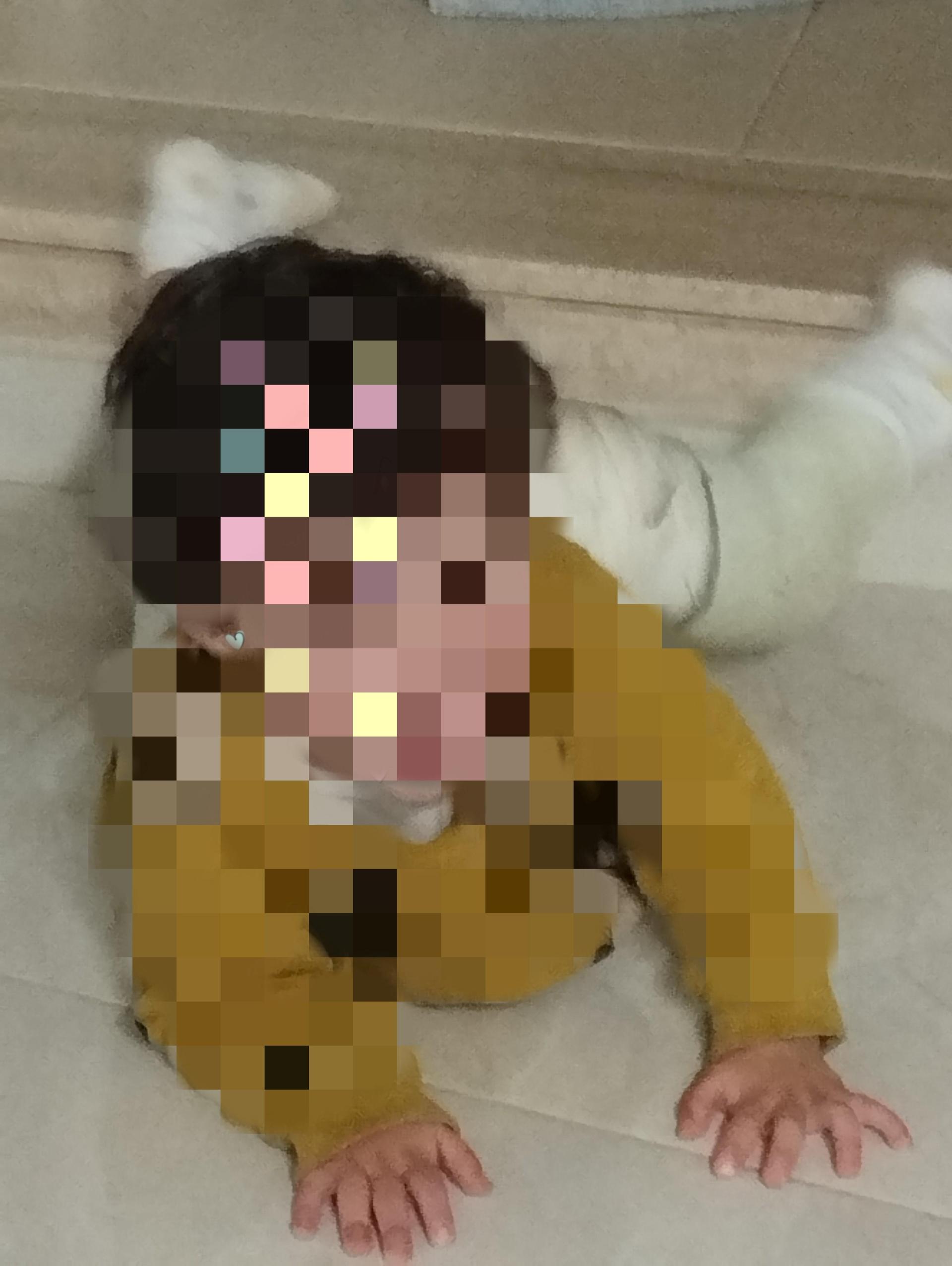 Mark would wake up crying as he recovered from surgery.
“It is not easy to explain this to a two-year-old but we managed to accept it for what it is. I was surprised how he adapted to the situation, crawling on the floor… I had to be strong and cheer him up,” said Vella about the recovery.
They moved to her mother’s house for help as he would wake up crying every three hours because he could not change his position.
“But the worry before the operation is worse than the recovery,” Vella said. “I wish I was more aware and had more guidance because it causes a lot of anxiety. I felt blind.”
‘Will my daughter ever walk?’
The news that Charlotte had bilateral unstable hips was sudden and unexpected. On her first doctor’s examination within 24 hours of birth, a clicky hip was noticed and she was referred for an ultrasound to exclude dysplasia.
Being a midwife, her mother was used to sending babies for ultrasounds and thought it was routine.
The diagnosis came as a shock.
“If it were not for the click, we would not have gotten her checked, which is a shame because in other countries, all babies are screened for hip dysplasia. We would have never known before she started walking and it might have been a bit too late,” she said.
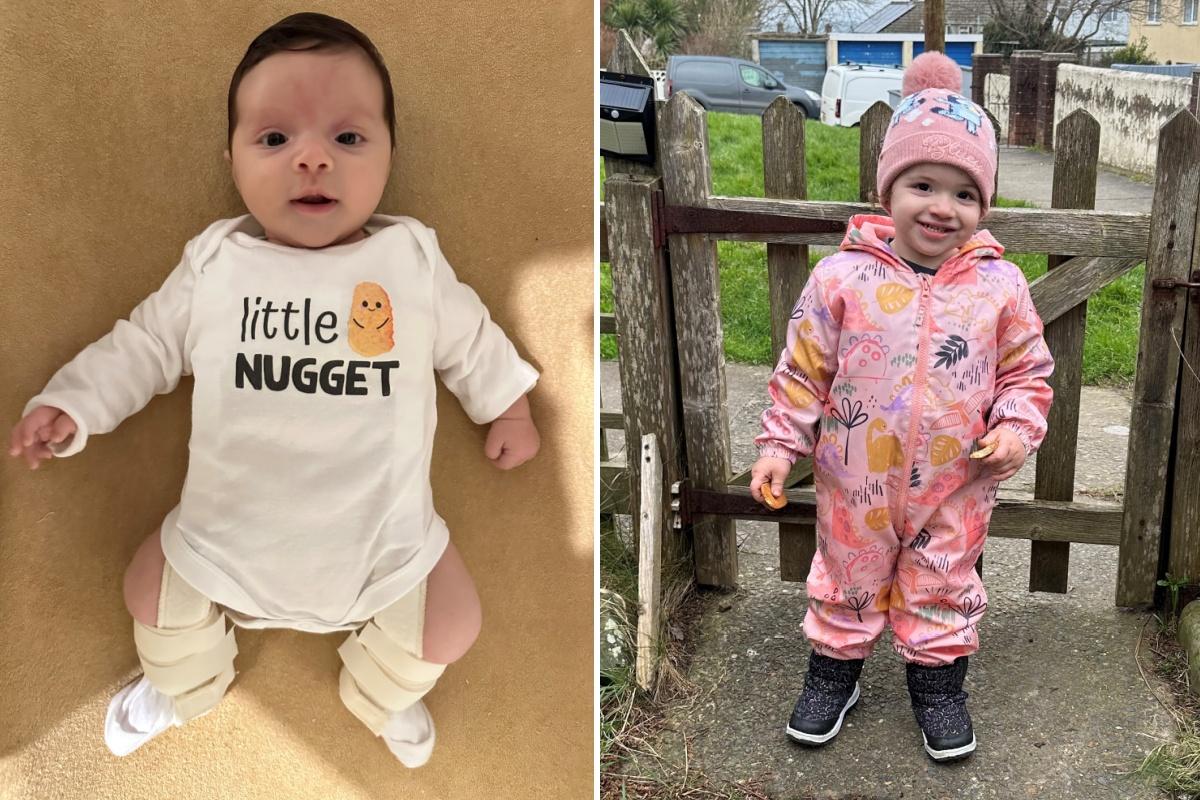 Baby Charlotte wearing her harness. She can now walk, run and jump and her mum says it's hard to stop her.
“We went from thinking we had a healthy baby with no problems to suddenly being faced with hip dysplasia… It took me a while to process it.”
The hardest part was seeing Charlotte in the harness; otherwise, she did not mind it at all, sleeping, eating and behaving like any other baby.
Grateful to the nurses and doctors at the hospital’s orthopaedics outpatient, Brincat said they facilitated the process greatly.
“We are also super grateful for the early diagnosis and for putting Charlotte in the harness as soon as possible, which resulted in her hips being fully in place.
“Thanks to the prompt diagnosis, Charlotte now leads a normal life, with no problems in her gait or movement.”
*Not his real name