Born before telephones, still serving tea in Sliema: Union Club turns 200
Sliema sports and social club is trying to balance its British colonial roots with a changing, more modern membership
Before Malta had photography, telephones or Queen Victoria on the throne, the Union Club was already welcoming members through its doors.
Now, the Sliema sports and social club is marking its 200th anniversary while trying to balance its British colonial roots with a changing, more modern membership.
Based in Tigné Street, the club has hosted figures ranging from the then Princess Elizabeth to poet Walter Scott and former British prime minister Benjamin Disraeli. But, for its members, its significance is more personal.
“The club is a safe haven for our members,” said Anna Grech, from the club’s management committee.
For Claudia Spiteri Sacco, the administrative secretary, “this has been a second home for multiple generations”.
Today, the Union Club has about 850 members, but it began as a safe haven for a very different group: the British in Malta.
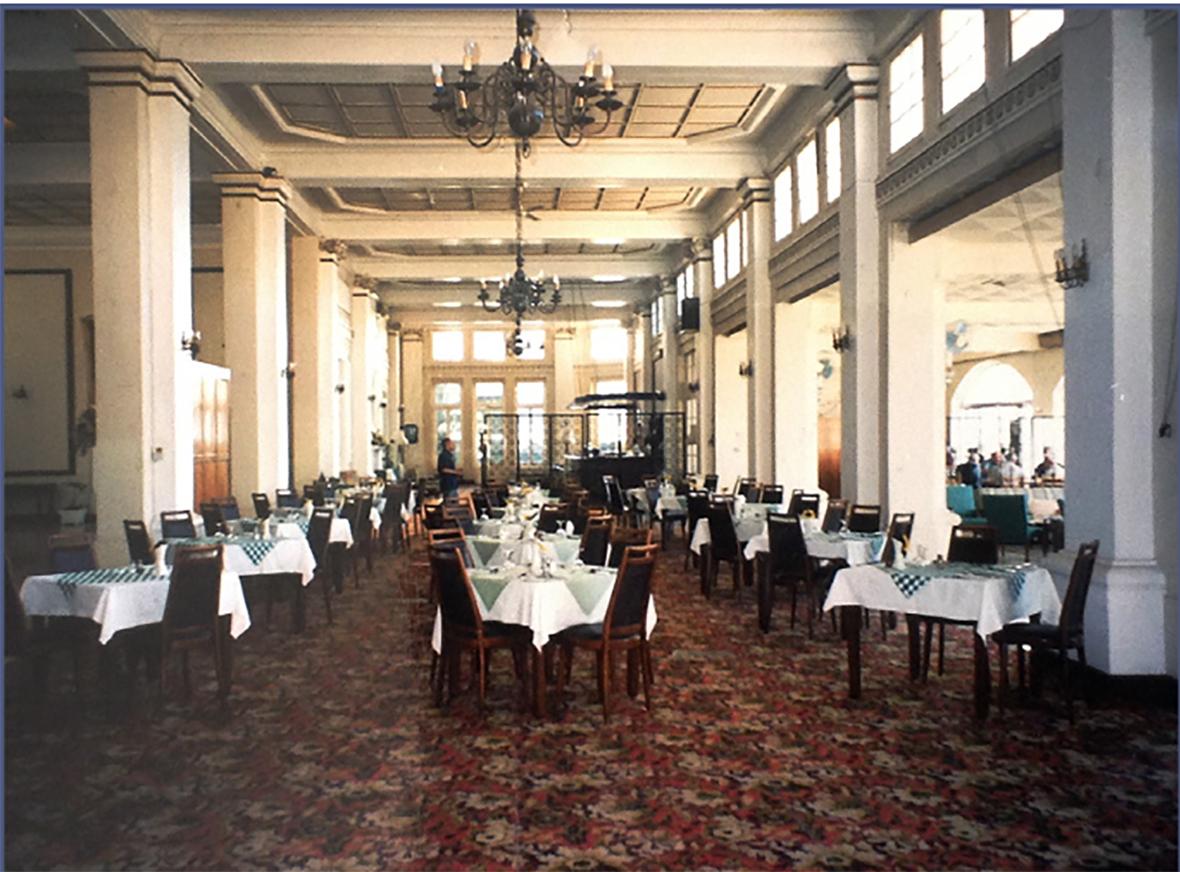
The old premises in Sliema. Photo: Union Club
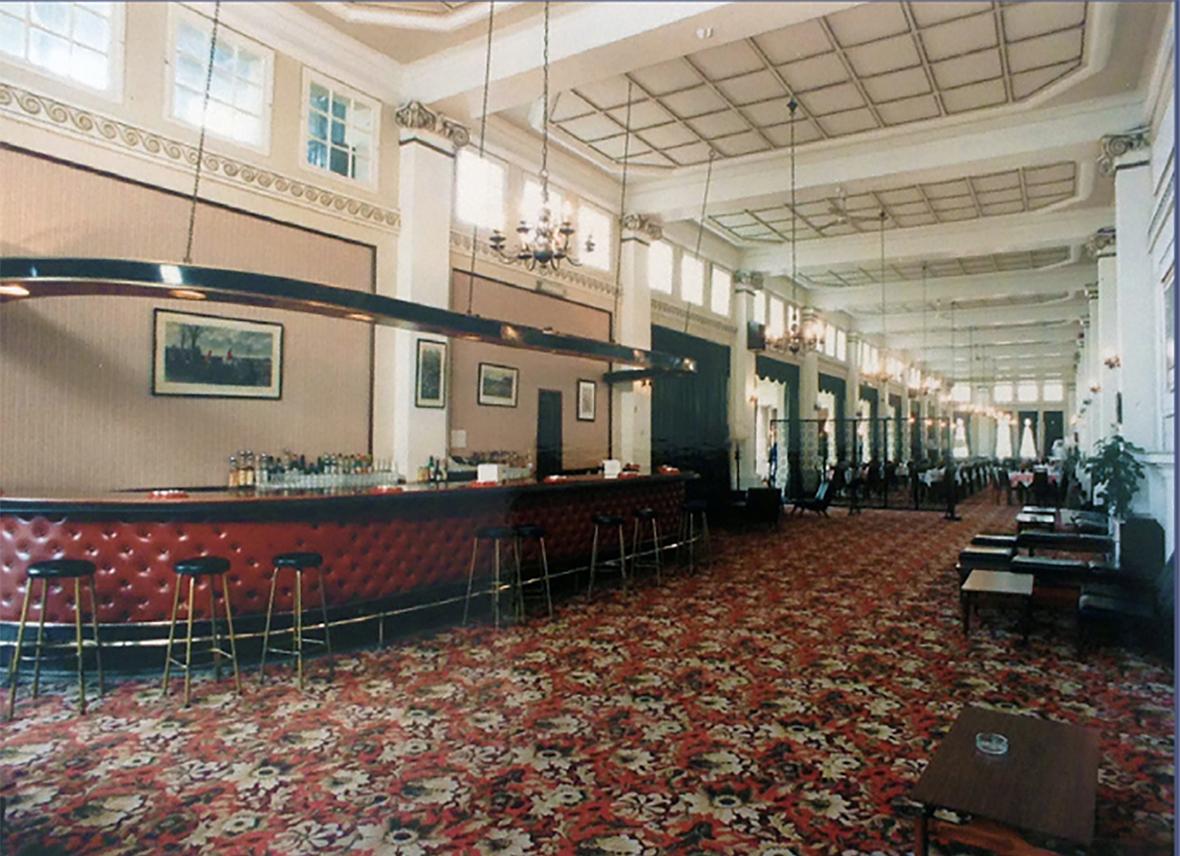
Photo: Union Club
It was founded only 13 years after the island became a crown colony and served as a home away from home for British officers and civilians. Its original base was the Auberge de Provence, in Valletta, now home to the National Museum of Archaeology.
The club was considered quintessentially British and gave men of a certain social standing a place to follow English gentlemanly traditions, like drinking and playing cards.
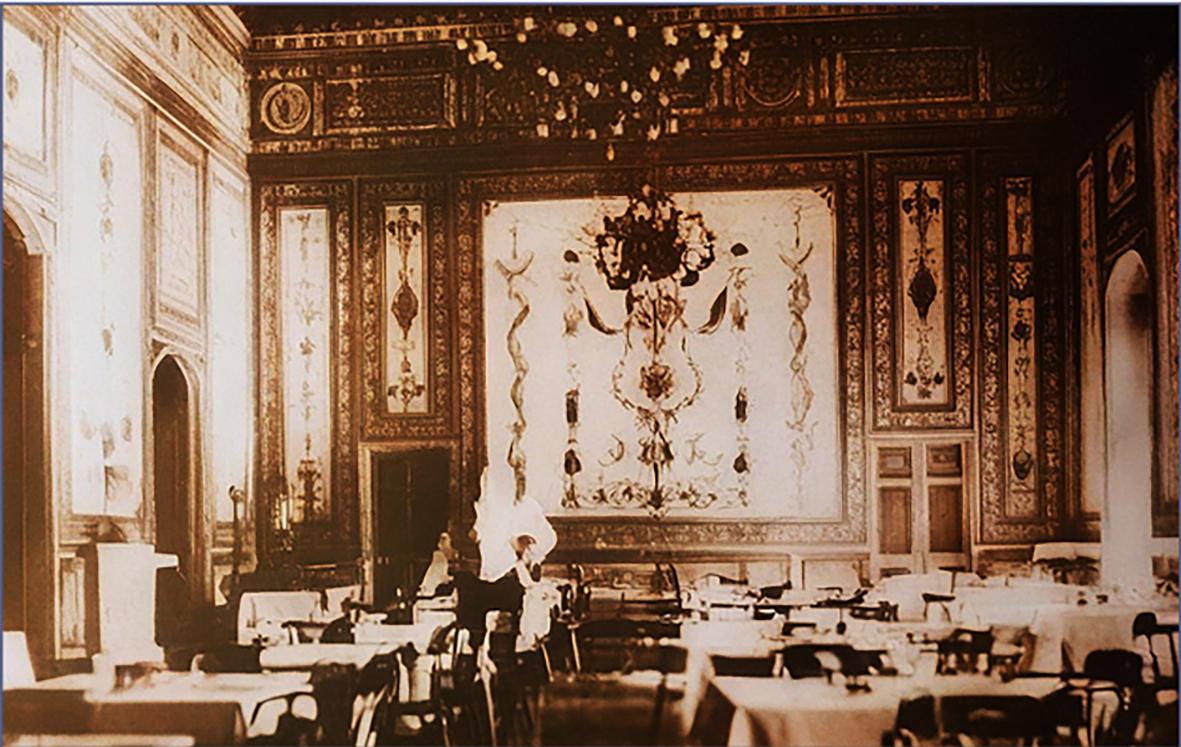 The old premises in Valletta. The painted hall on the top floor of the Auberge de Provence was used as a refectory. Photo: Union Club
'Why should Maltese be blackballed?'
For many years, while Malta was still a colony, Maltese nationals were very rarely admitted. That changed after the then Prince Albert, Queen Victoria’s second son, asked in 1887: “Why should Maltese be blackballed?”
Maltese membership opened up from there. However, according to Grech, some traces of British elitism may still linger, despite Malta having been independent for decades.
“It might surprise you, but some of the expats still seem to be under the impression that Malta remains a colony and act as if nothing ever happened,” she remarked.
This, she pointed out, is a very small number of people and becomes less and less common with time.
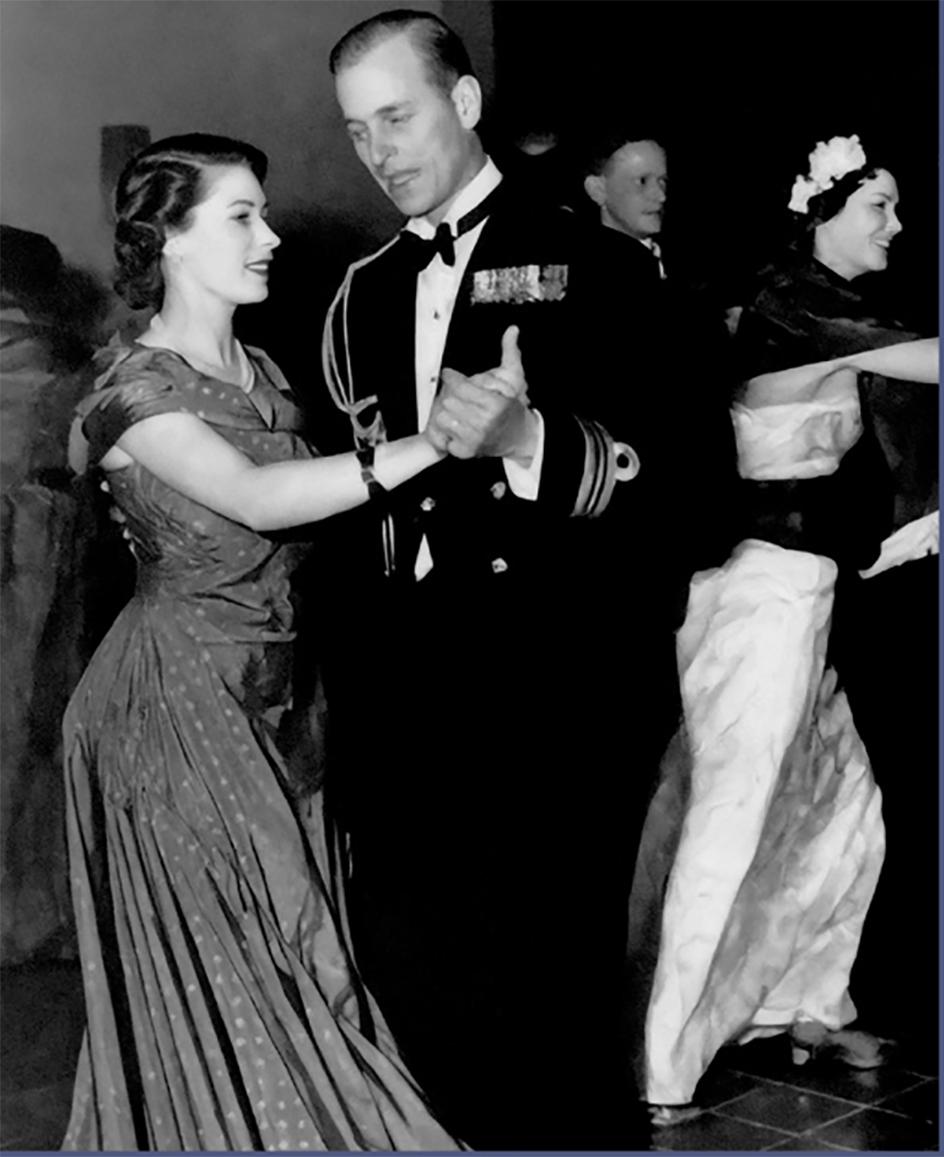 Princess Elisabeth dancing with her husband Philip during the frigate flotilla dance. Photo: Union Club
The club’s British roots remain part of its identity.
Queen Elizabeth and Prince Philip used to dance there while they lived at Villa Guardamangia in the 1950s, and bridge remains one of its most popular activities.
Jane Henderson, who is originally from Scotland and sits on the club’s bridge committee, spoke to Times of Malta during the bridge tea break. She said she was a second-generation member, her parents having joined the club in the 1960s.
“All the time we were living in Malta, my parents were coming here, well, in the old building. It was in our family, and I cherish the memories of the old building.”
Women only allowed as full members in 1992
The former clubhouse, only a few doors down from the current premises, is still remembered fondly by members.
Many recall its open-plan layout, high ceilings and grand design, which made it easier for members to socialise and move between different parts of the club.
“Before, you’d walk from one end of the bar to the far end of the restaurant. And, in between, you’re seeing the men playing bridge, the card games, so you know it was all there, and you could meet everyone,” Grech recalled.
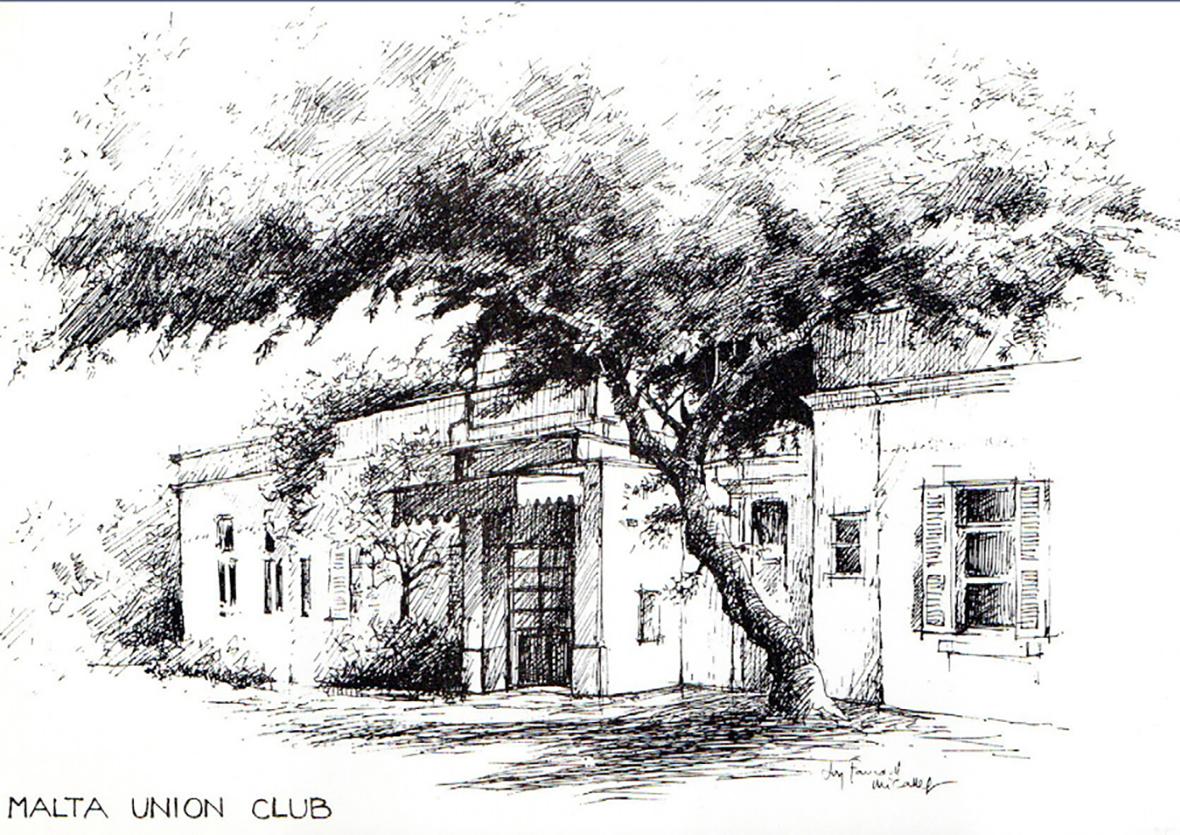 A drawing of the old premises in Sliema. Photo: Union Club
Over the years, the club has changed in several ways, from its location to the rules governing who could become a member.
Until 1992, women could not become full members. Instead, they were known as “lady subscribers”. Today, single women make up the largest share of the club’s membership.
'Women mean business'
Spiteri Sacco said women had left a strong mark on the club.
“Women mean business. Business in the sense that if they say they’re going to do something, they’re going to do it and do it from the heart.”
Grech added that Spiteri Sacco herself was a strong example of that commitment in her role as administrative secretary.
Despite the changes, Grech said the club had remained consistent in one important respect: it was something handed down from one generation to the next. She described it as “a gift” that members enjoy for decades of their lives.
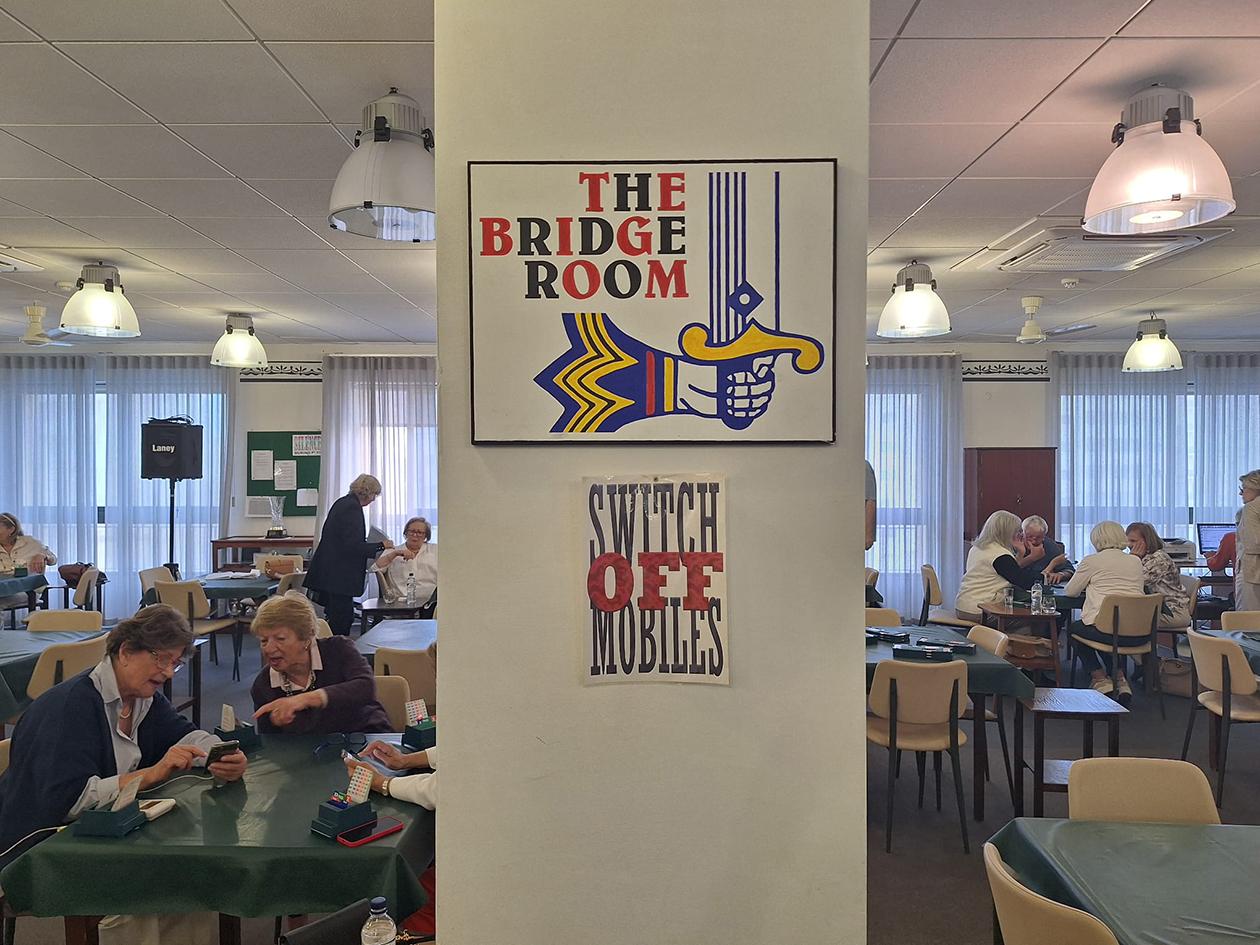 The bridge room on a Thursday. Photo: Emma Borg
That sense of continuity is reflected in a membership category known as ‘100 per cent members’, reserved for those who have been members for 50 consecutive years. But the club is also trying to look beyond its more mature membership and shake off the perception that it is a semi-retirement home.
Grech and Spiteri Sacco said the club had introduced tennis, spinning, gym and yoga classes, also changing its opening hours to better fit modern schedules. As a result, they pointed out, the average age of members is coming down.
Having a garage in the heart of Sliema also helps.
“The reality is that the club is going through a generation change and that’s what we hope for because that means it goes on,” Grech said.