University master’s among 12 worldwide admitted to UNESCO network
Recognition opens door to student exchanges, strengthens university access to international funding
The University of Malta’s master’s degree in Global Maritime Archaeology has become one of just 12 programmes worldwide to join UNESCO’s prestigious Network in Underwater Archaeology.
The recognition opens the door to student exchanges with other universities in the network and strengthens the university’s access to international funding.
It also gives the UoM the chance to chair the UNESCO UNITWIN Network in Underwater Archaeology in the coming years.
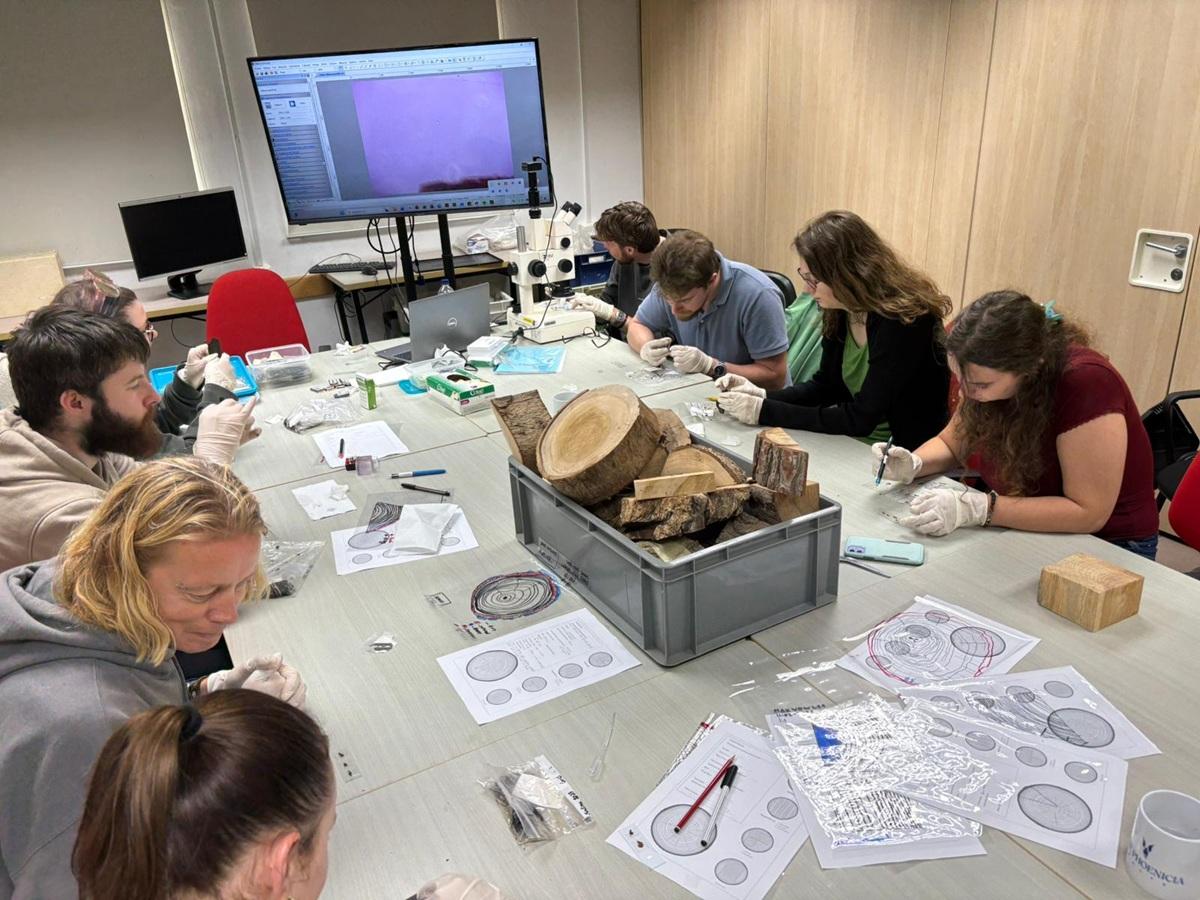 Students dating tree rings during a workshop on waterlogged wood by Dr Ferreira Dominguez. Photo: MA Programme in Global Maritime Archaeology/Alba Ferreira Dominguez.
Previous network initiatives have focused on issues such as climate change and marine heritage. The announcement was made at UNESCO’s headquarters in Paris earlier this month.
Prof. Timmy Gambin, who founded the course a decade ago, described the recognition as a “real sense of accomplishment” and said Malta was uniquely placed to train maritime archaeologists.
“Malta is the ideal place to study marine archaeology. It’s central, easily reachable, offers the course in English and has an extensive maritime history... Our historical archives and shipwrecks are second to none,” he said.
Malta is the ideal place to study marine archaeology. It’s central, easily reachable, offers the course in English and has an extensive maritime history- Course founder Prof. Timmy Gambin
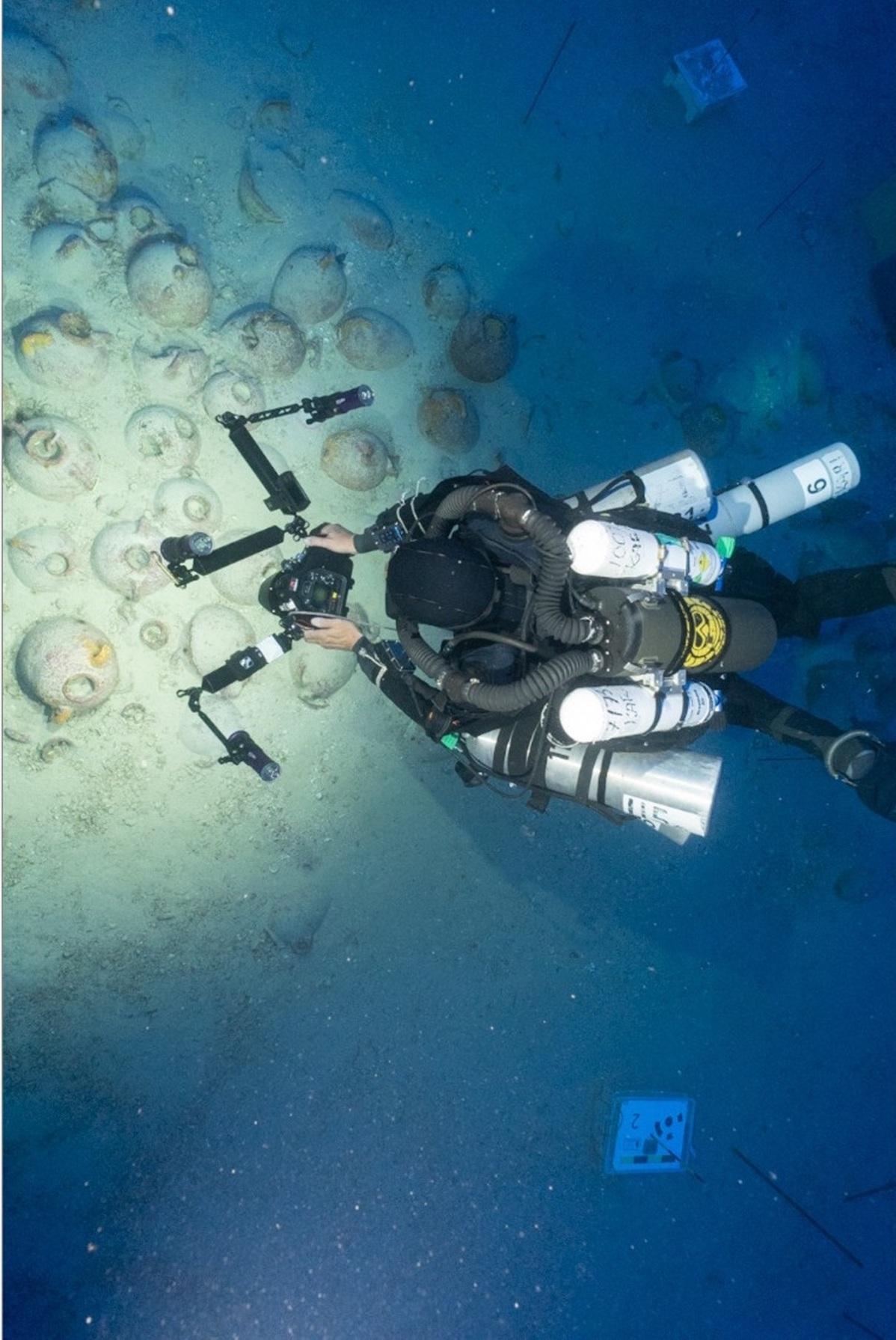 Documentation of the Phoenician wreck located at a depth of 110 metres. Photo: David Gracion/University of Malta.
Unlike many universities where students travel long distances to visit shipwrecks and maritime sites, “over here, everything is 30 minutes away”, he said, pointing to ongoing excavations at Salina Bay and Malta’s extensive diving infrastructure.
Gambin also credited the programme’s partnerships with Heritage Malta, the Superintendence of Cultural Heritage and the University of Malta research departments as well as international projects such as Project Tangaroa, which studies risks posed by wrecks leftover from the two world wars.
The course has also built an international reputation. Most students come from overseas, including Hong Kong, Mexico, China, USA, Serbia, UK, Kuwait and Ireland. This year it enrolled a record 10 students.
“We’ve had tutors from Norway teaching arctic archaeology and even have a student coming to research the archaeology of Scottish whaling,” Gambin said, adding that UNESCO recognition was “pretty cool for the university of a small island nation”.
Marine archaeologist and lecturer Judith Gatt said the recognition was “beautiful” and “very moving”.
She said one of the projects that helped secure UNESCO recognition was the university’s work with Heritage Malta (HM) and the Superintendence of Cultural Heritage (SCH) excavating a Phoenician shipwreck off the coast of Xlendi, Gozo.
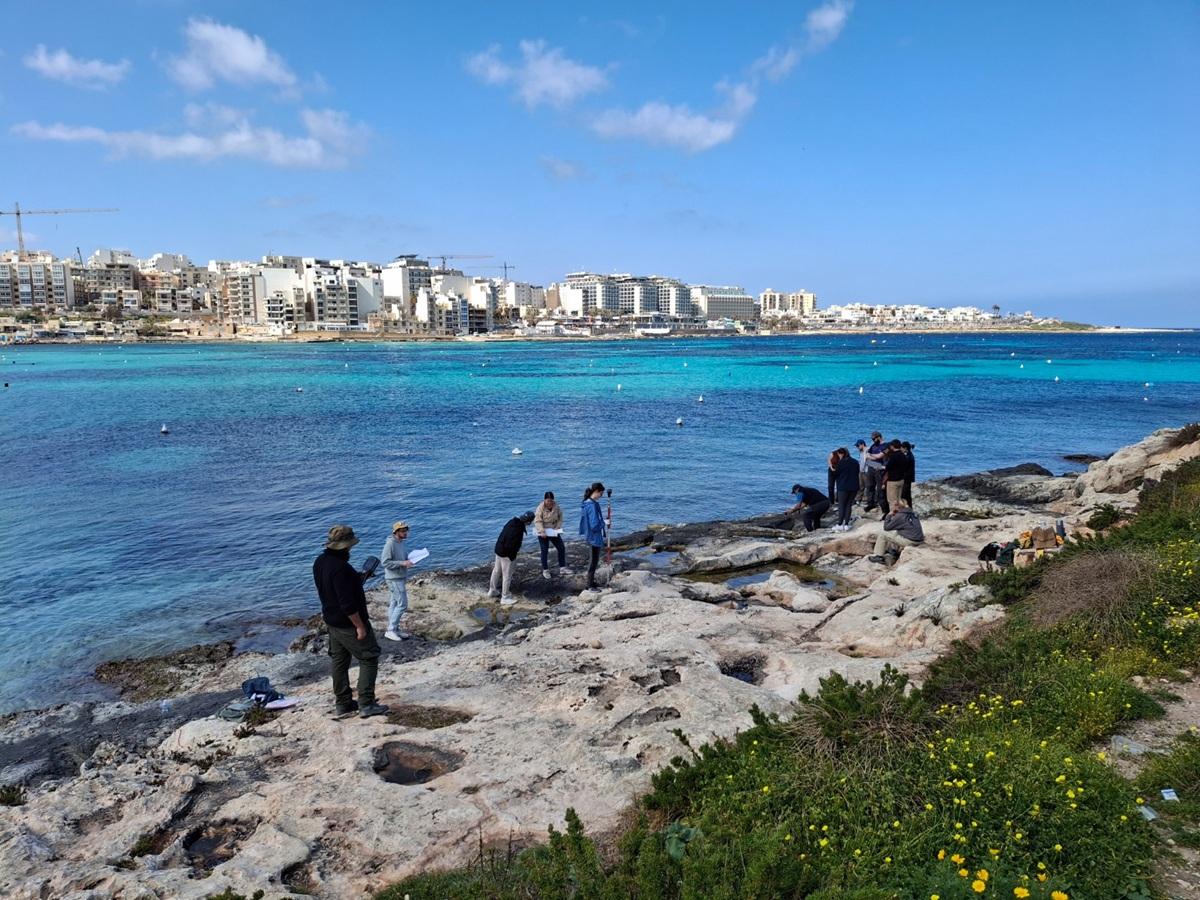 Training students in the documentation of a coastal quarry in collaboration with Heritage Malta. Photo: MA Programme in Global Maritime Archaeology.
“The excavation involved challenges and risks but showed it was feasible,” she said. “That’s something that really put Malta on the map.”
Gatt said the course combines academic research with practical challenges, requiring students to consider issues such as coastal development and limited conservation budgets.
“It prepares students very well and they go on to work abroad and in Malta,” she said.
The global marine archaeology MA course, including scholarships offered to international students, has been supported by the TAG Family Foundation established by Australian Maltese businessman Anton Tagliaferro.