Valentine Falzon, his family and the Maltese Stone Castle in Lexington, Michigan
This former Maltese stone cutter and mason, who emigrated to the US with his wife and their seven children in 1919, built this remarkable house that is still owned by one of his descendants
There is a neighbourhood known as “Little Malta” in Lexington, Michigan, on the western shore of Lake Huron, some 132km northeast of Detroit, in the US. For decades, Maltese Americans have had their cottages here. One such ‘cottage’ is the Maltese Stone Castle, at 7345, Elm Road.
The original owner of this unique “summer cottage” was Valentino or Valentine Falzon, a former Maltese stone cutter and mason who oversaw its construction, beginning in the summer of 1930. He is said to have been unemployed at the time, owing to the Great Depression.
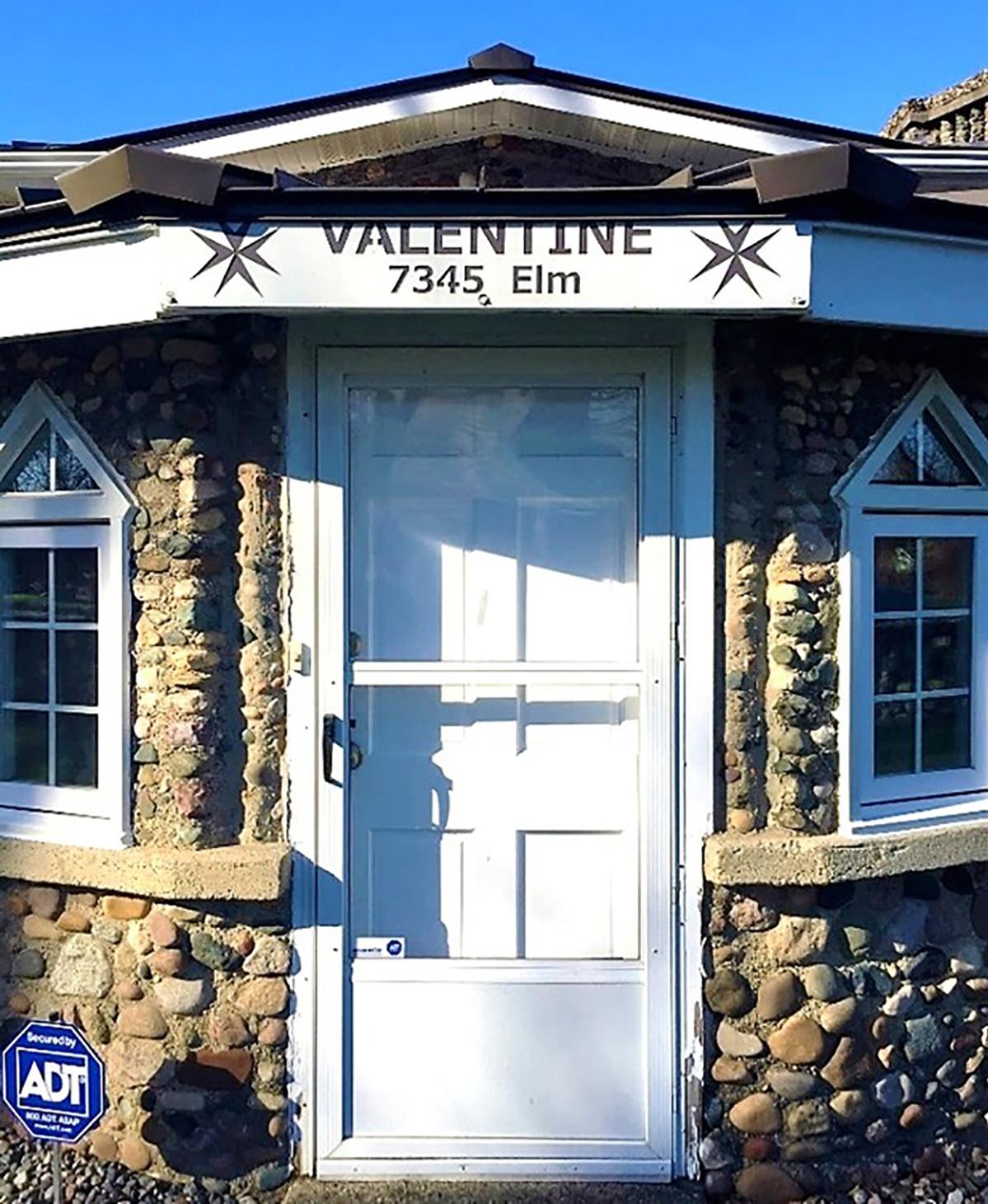 The front door of the cottage, 2015. Photo: Lisa Buttigieg Ligreci
Prior to this, he and his three sons still living at home – Salvatore ‘Sam’, Louis Annunziato and Felix – were machine operators at a car factory and were living on Fifth Street in Detroit’s “Corktown”. Like “The Junction” in Toronto, Canada, “Corktown” was the centre of the Maltese diaspora in the area and had its own Roman Catholic parish named in honour of the apostle Paul.
Valentino was born in Balzan, Malta, on November 20, 1870, a son of Salvatore Falzon and his wife, the former Saveria ‘Sare’ Micallef. The family had lived in Constantinople, Turkey, in the 1880s but returned to Malta sometime after June 1887.
By 1892, Valentino was married to Giuseppa ‘Josephine’ Bonett, born on June 28, 1868, most likely in Birkirkara. In contrast to Valentino, Giuseppa was illiterate.
Valentino and Giuseppa had a least seven children by 1909 – Carmela, Salvatore, Saveria, Louis Annunziato, Vincent, Felix and baby Maria Anna – all believed to have been born in Sliema.
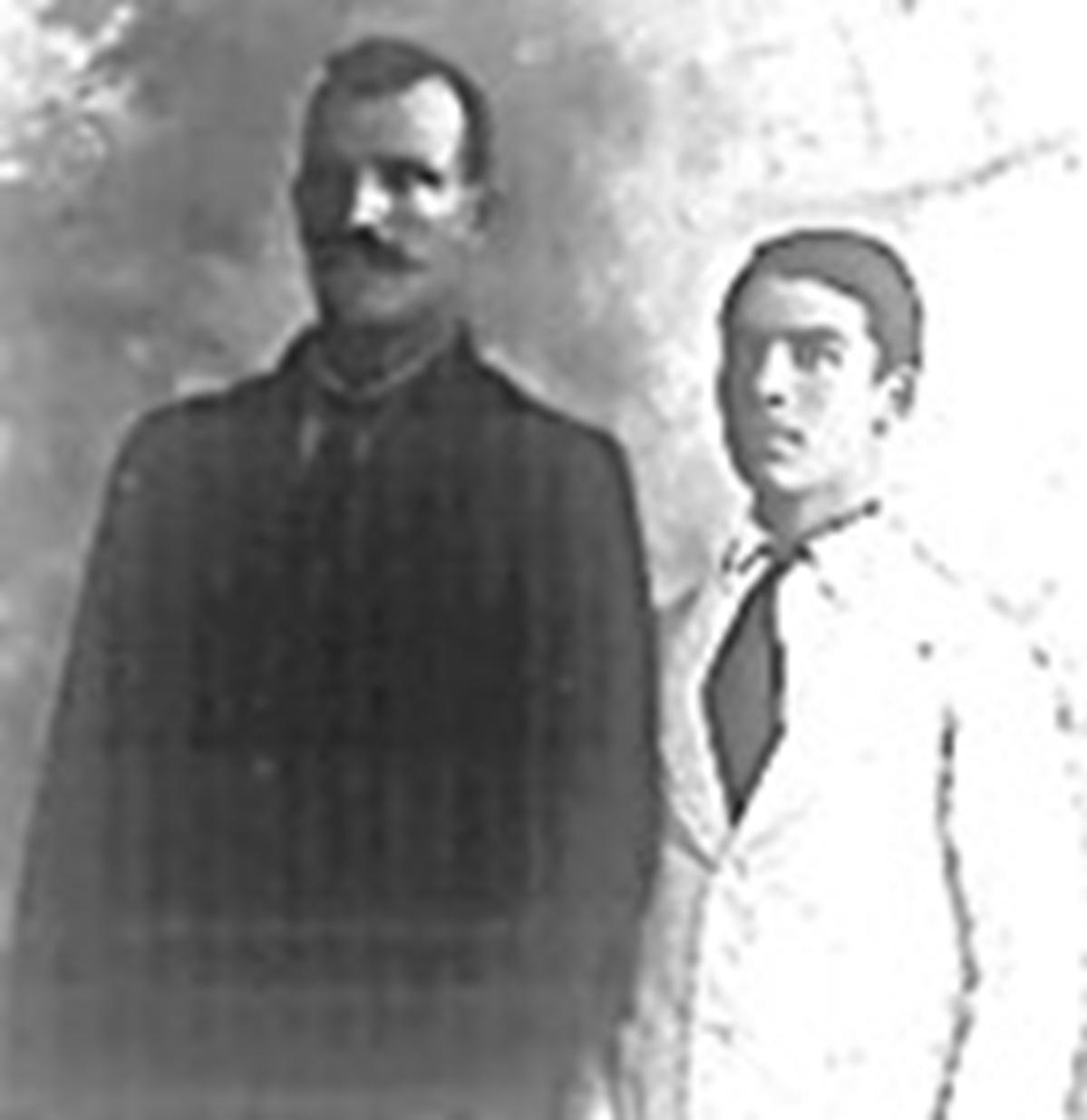
Valentino and Annunziato Falzon, 1916 passport photo. Photos: National Archives of Malta
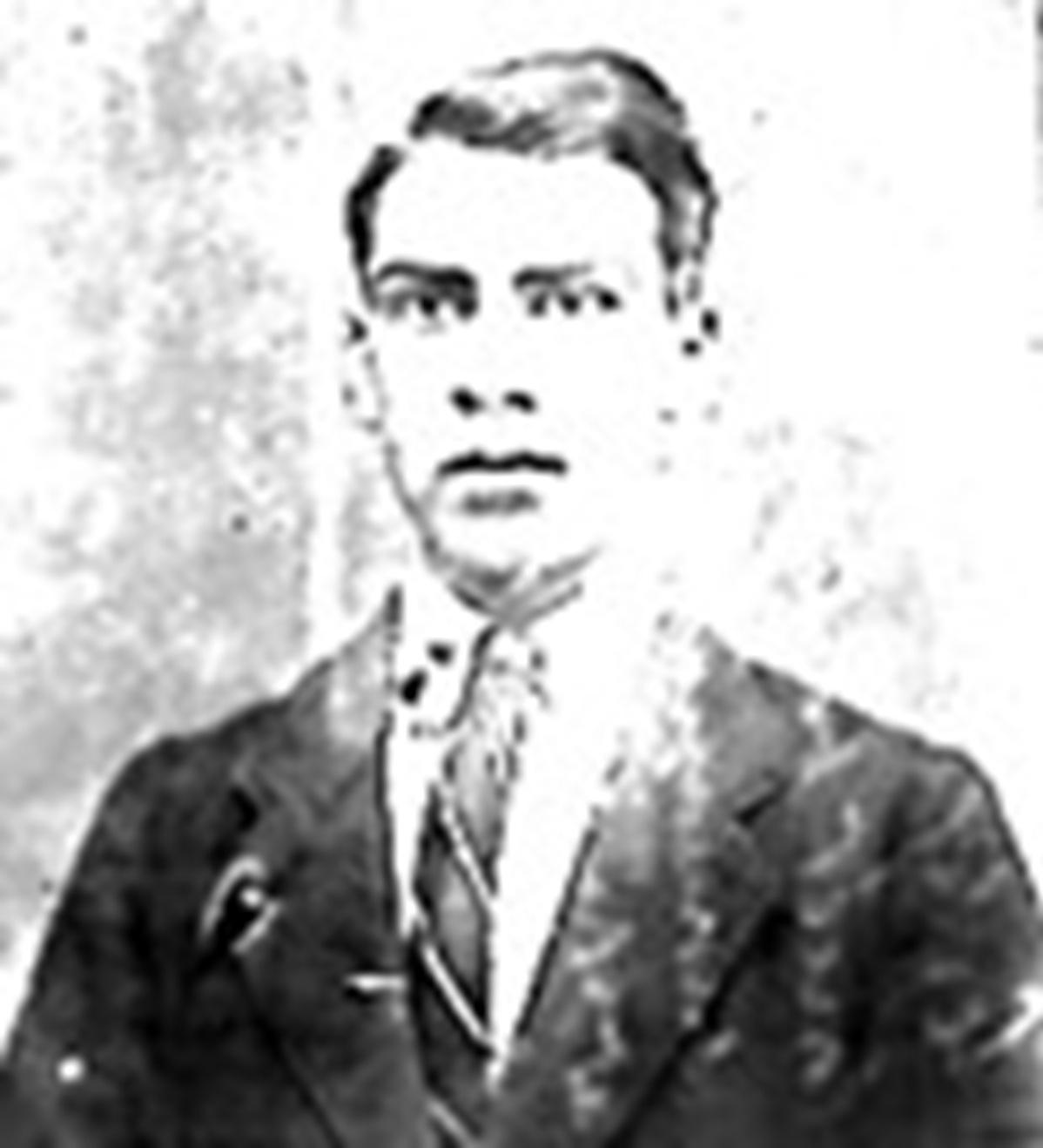
Annunziato Falzon, 1919 passport photo.
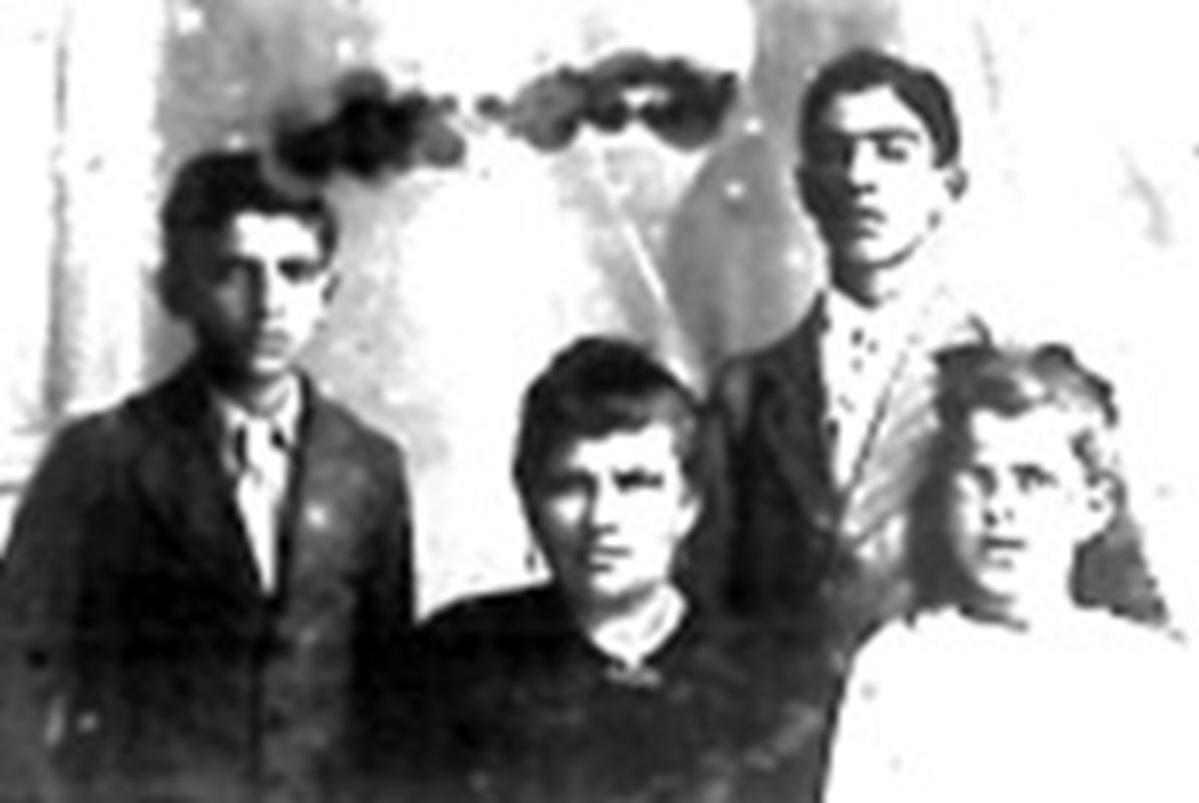
Felix, Giuseppa, Vincent and Maria Falzon, 1919 passport photo.
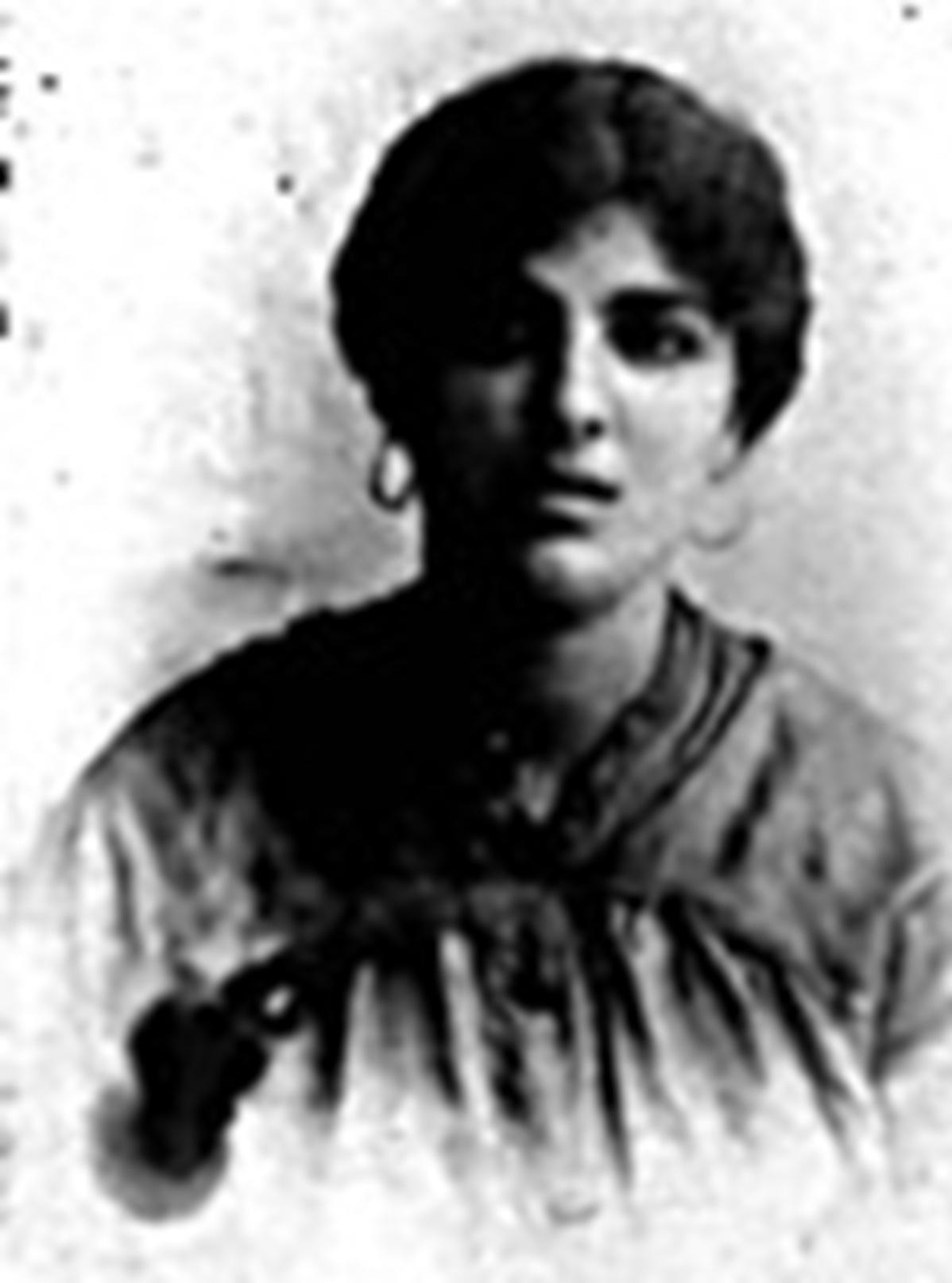
Carmela Falzon, 1919 passport photo.
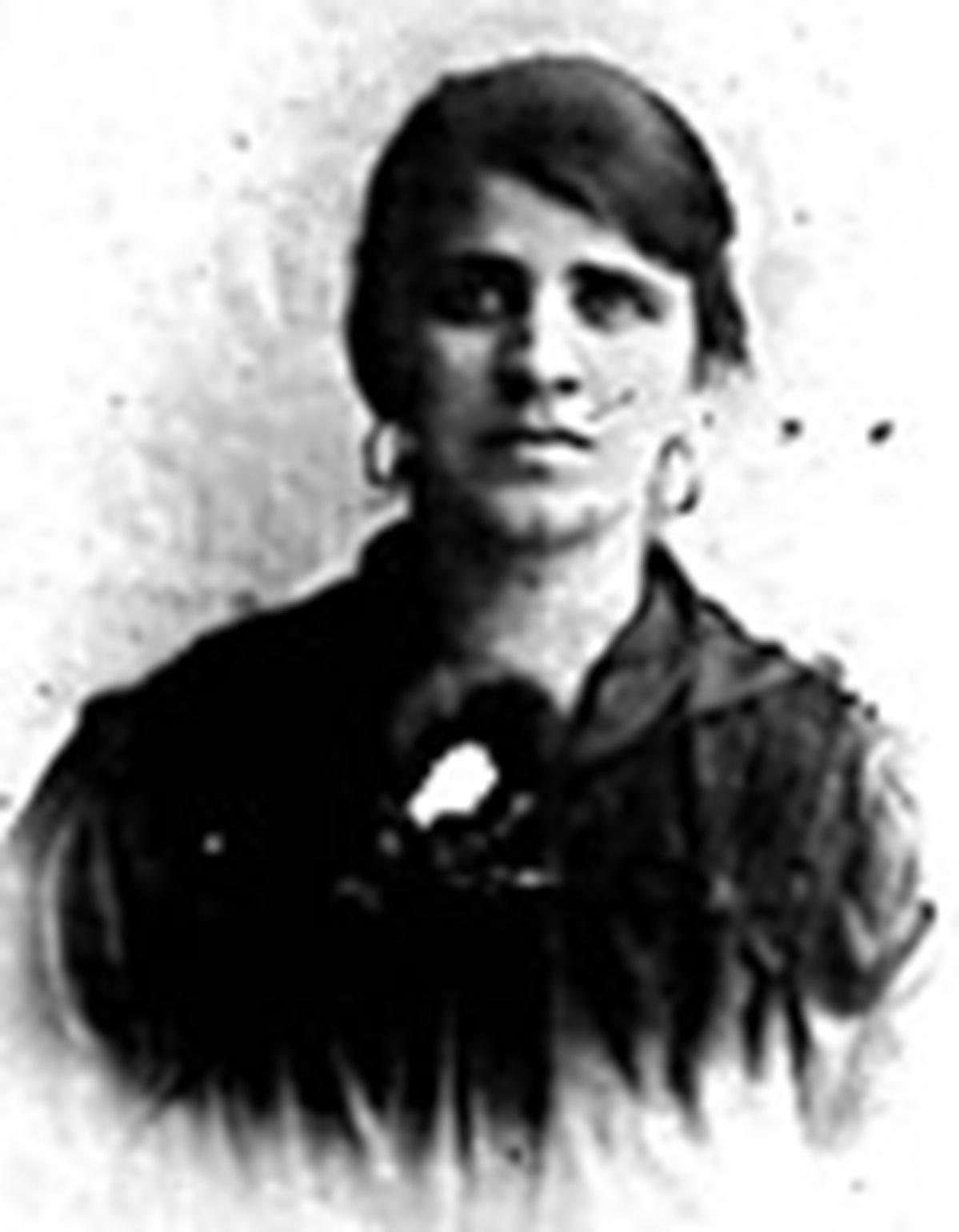
Saveria Falzon, 1919 passport photo.
It was in 1911 that Valentino emigrated to San Francisco in the US. There, he was joined, the following year, by his son Salvatore. By 1915, Valentino was living in Point Molate, Richmond City, to the northwest of San Francisco, and working as a labourer, presumably in the quarry for the Healy-Tibbitts Construction Co., using skills he had acquired as a stone cutter and mason back in Malta.
Sometime after this, Valentino returned to Malta. In September 1916, he applied to return to the US, and take his 14-year-old son, Annunziato, with him. It was not until 1917, however, that Valentino was able to sail from Malta and, by this time, immigration from Eastern and Southern Europe had been all but stopped by the American government. Consequently, Valentino was forced to make Canada his second choice.
That spring, after disembarking in New York City, he travelled by train to Toronto, Canada, where he had a friend, Joseph Spiteri. Annunziato Falzon did not emigrate from Malta at this time. It was not until the summer of 1919 that Valentino was joined by his 17-year-old son.
Meanwhile, a younger brother, Paolo, 12 years younger than Valentino and born in Constantinople, was also living in Toronto. Paolo enlisted in the Canadian Army in December 1917, but deserted on May 1, 1918.
Giuseppa Falzon, Valentino’s wife, and their remaining five children, Carmela, Saveria, Vincent, Felix and Maria, arrived in New York Harbour in November 1919.
Their destination was 394, 5th Street, Detroit, where their husband and father were said to be. The only problem was that Valentino was still in Canada. It would appear, however, that Salvatore or Sam Falzon was the one then living in Detroit. He must have moved there, from San Francisco, a short while before, as his sister Carmela had initially stated that she was going to San Francisco. Some irregularity must have been detected with the new arrivals as Giuseppa and the five children who accompanied her were at first detained but eventually allowed to proceed to Detroit.
As for Valentino, we find him crossing into the US, at Buffalo, New York, on Christmas Day 1919, for what was to be only a day!
In any case, the family, with the exception of Carmela and Saveria, were living at 394, 5th Street, in “Corktown”, Detroit at the time of the federal census of 1920. Valentino, now known as Valentine, was working as a machinist at a machine shop, and Salvatore, now Samuel, was working as an automobile repairman at Ford. The whereabouts of Carmela and Saveria in 1920 is not presently known.
Sometime between 1918 and 1920, Paolo ‘Paul’ Falzon, Valentino’s brother, had crossed to the US and was living at 2202, Mascher Street, in Philadelphia, as a modeller/sculpturer.
In late June 1920, he was joined by his brother, Angelo, Angelo’s wife Giuseppa, their son Carmelo and Rosaria Falzon, a sister to Valentino, Paul and Angelo.
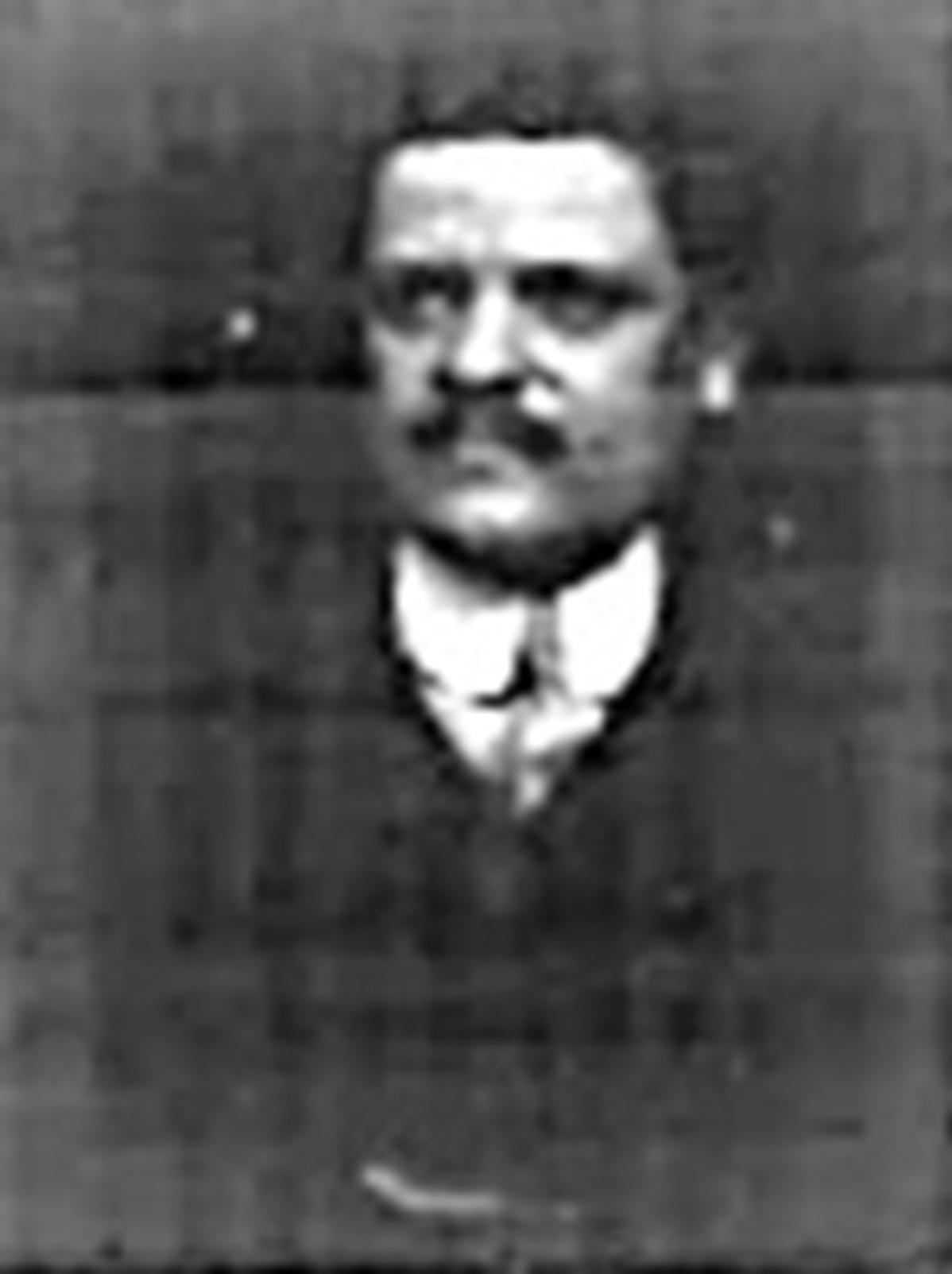
Paolo Falzon, 1915 passport photo.
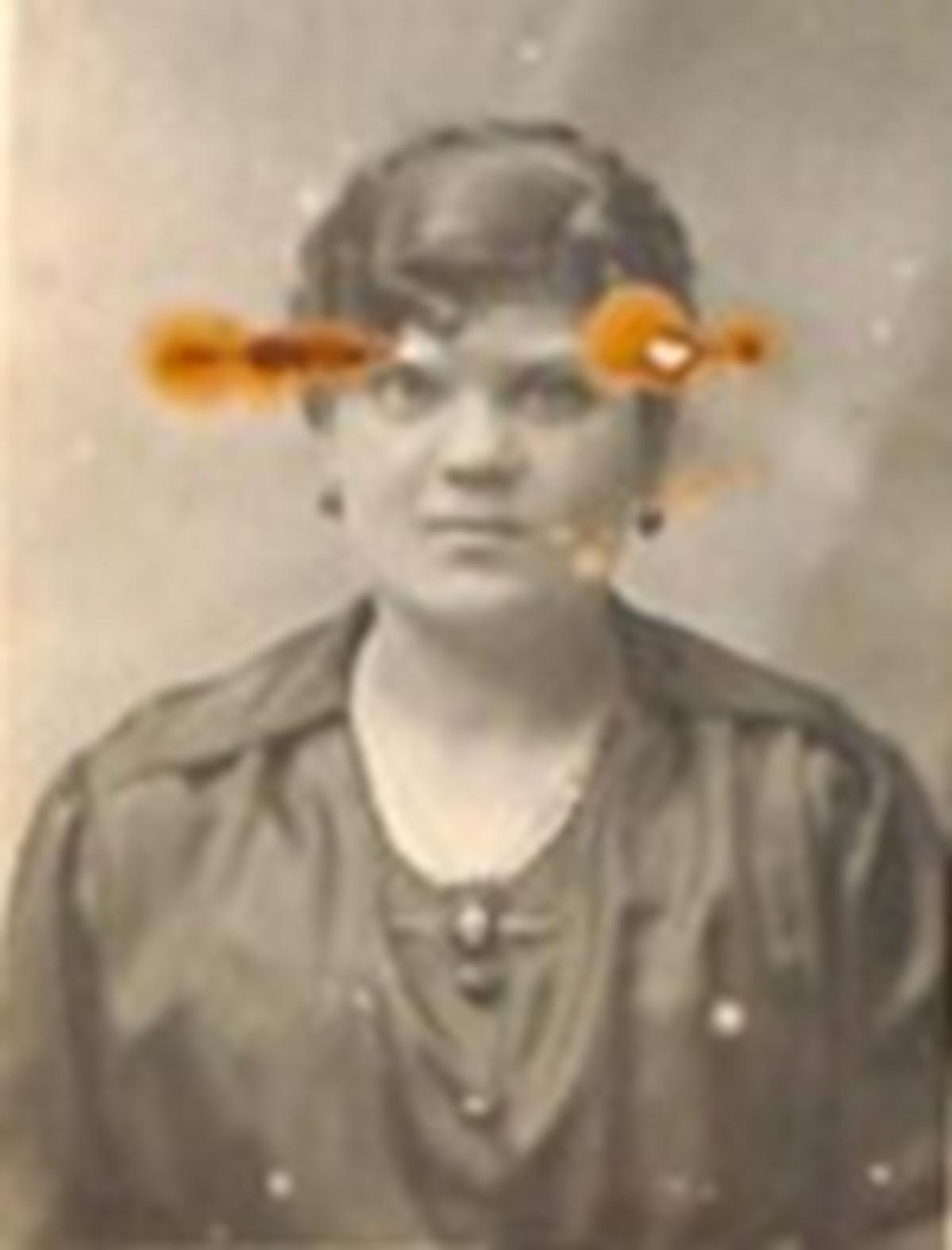
Rosaria Falzon, 1920 passport photo. Note the rust from the iron pin that attached the photo to the passport application.
Like Paul, Angelo was born in Constantinople, whereas, like Valentino, Rosaria was born in Balzan. Angelo and his family were to return to Malta, but Rosaria chose to remain with her brother Paul. On March 1922, Paul Falzon and his sister, Rosaria ‘Rose’, moved to Cleveland, Ohio. Rose was listed as a dressmaker in 1925, and Paul as a moulder in 1927.
Paul had changed his surname to Falson by the time of the 1930 federal census. He and Rose were still living in Cleveland. Interestingly, it was stated that they had been born in England, that their father was also born in England, their mother in Austria and that their first language was French! Rose was a stenographer by 1930. Paul listed himself as an artist for architects.
The stones and sand were from nearby Lake Huron. Family and friends made a line nearly an eighth of a mile long and passed the rocks, hand-to-hand, from the beach up the road to the selected site.
Meanwhile, work had begun on the Valentine Falzon family’s “summer cottage” in Lexington, Michigan. The stones and sand were from nearby Lake Huron. Family and friends made a line nearly an eighth of a mile long and passed the rocks, hand-to-hand, from the beach up the road to the selected site.
The children then sorted the rocks by size, using a wooden board with different-sized holes and bushel baskets beneath. The rocks in the columns on top of the house were colour-coordinated with two columns of black rocks, two of red and two of white. This pattern was then repeated, the two latter colours representing the colours of the Maltese flag.
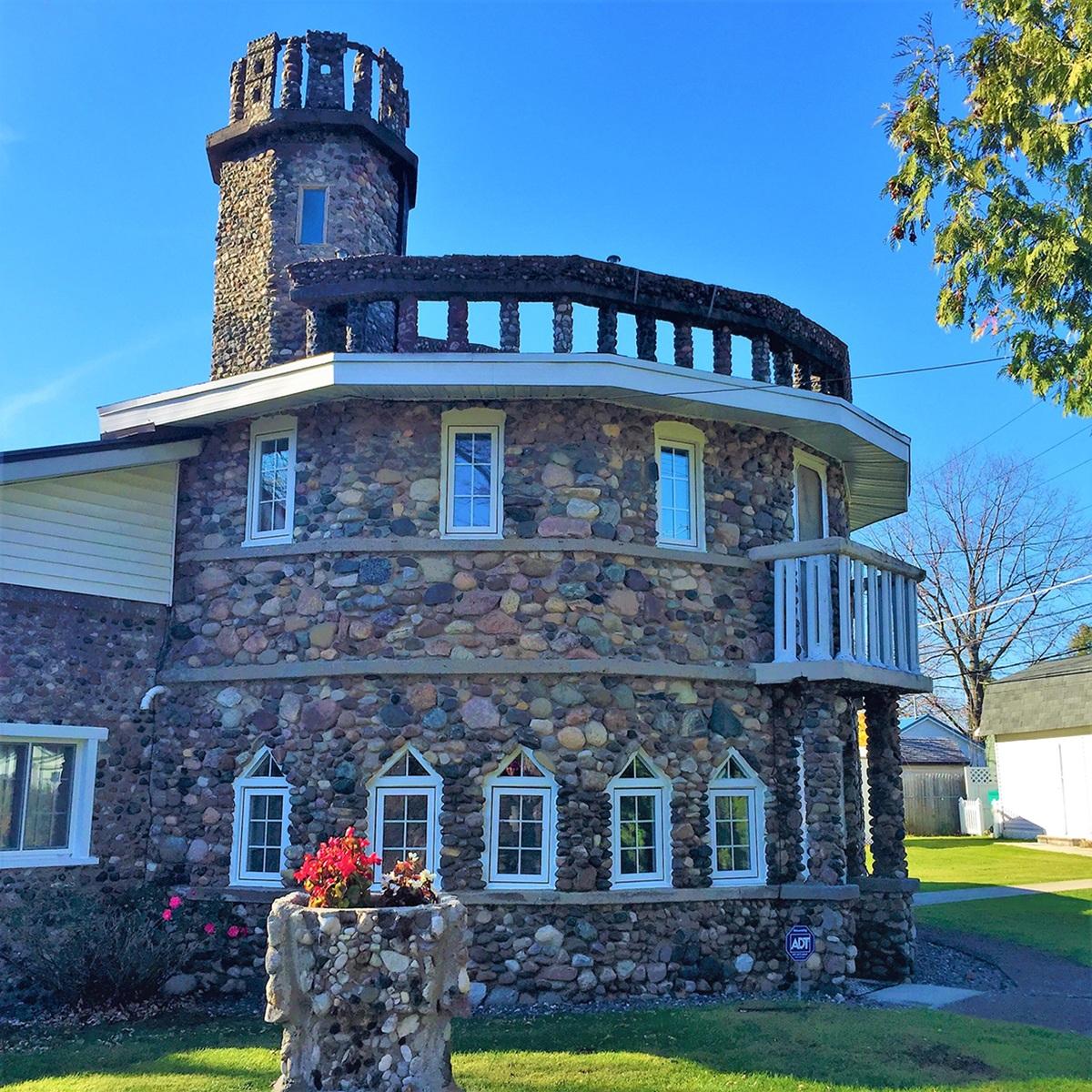 The tower and columns of the ‘summer cottage’.
In 2015, the owner of the ‘cottage’ was a great-granddaughter of Valentine and Josephine Falzon. She said the ceilings of each room was unique, that no nails were used and that they were inlaid by Valentine’s brother. With his background as a sculptor, modeller, moulder and artist, there can be little doubt that Paul was the brother who did all the work on the ceilings.

The ceiling of one of the rooms decorated with red and white Maltese crosses.
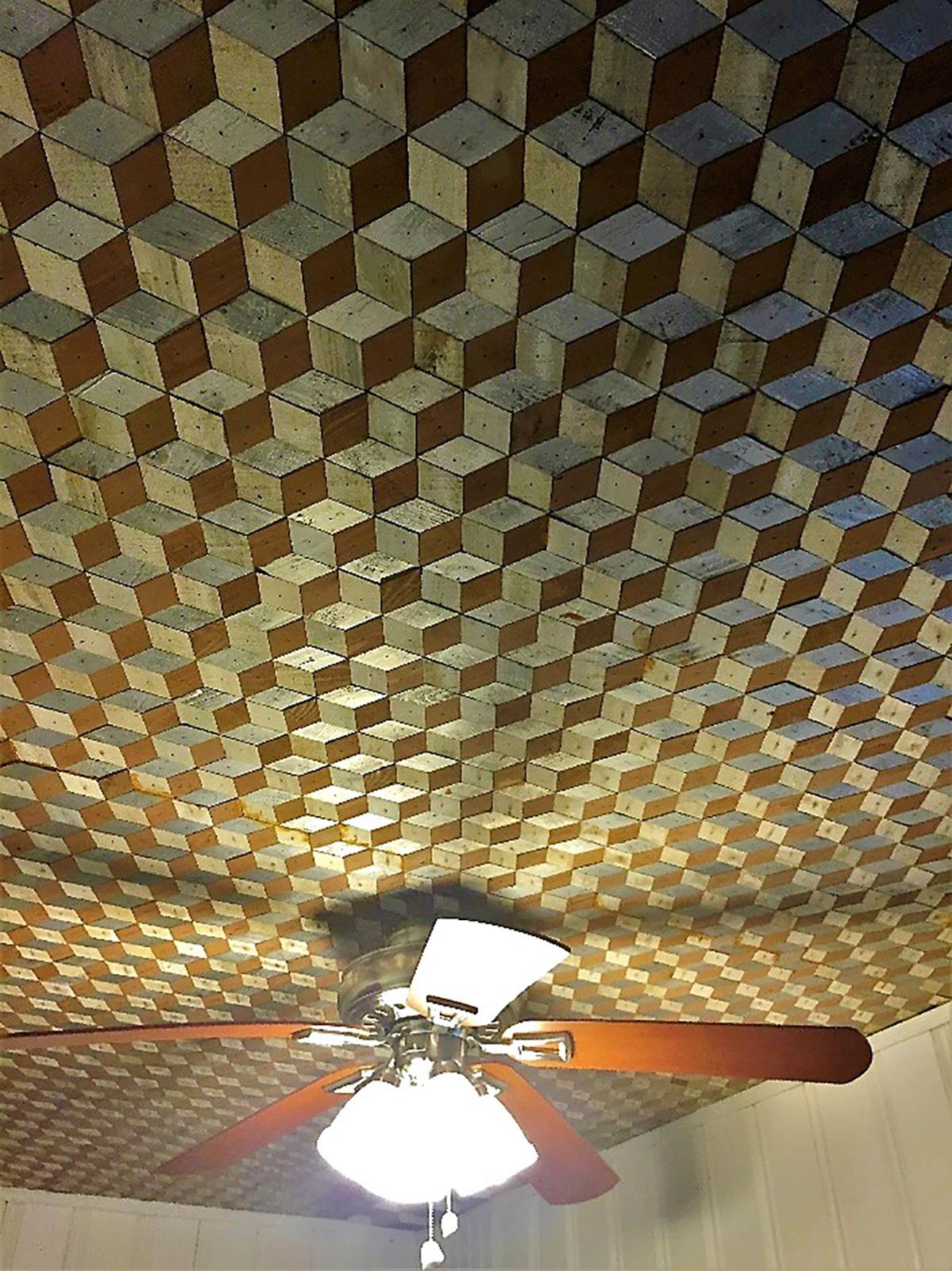
The ceiling of another room decorated with cube-shaped stone blocks.
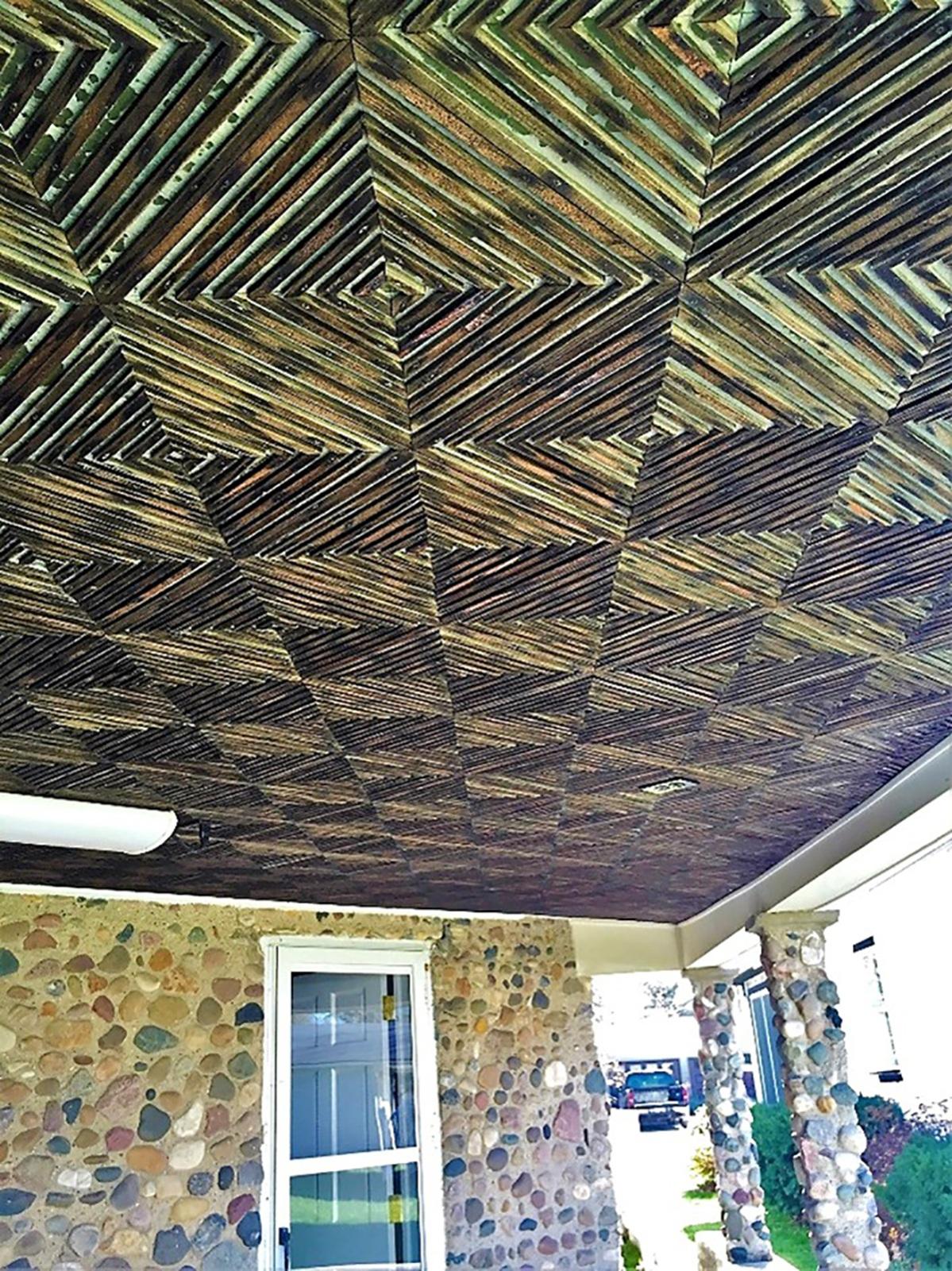
The ceiling of the porch decorated with strips from old orange crates.
The Valentine Falzons’ principal residence at the time of the 1940 federal census was still Fifth Street in Detroit. Valentino was an inspector at an automobile plant, while Salvatore ‘Samuel’ was a labourer at such a plant. Interestingly, Josephine was listed as the owner of a gas station. Carrie, the only other child still at home, probably helped out at the station, as well as kept house for the family. Meanwhile, Louis had married Antonia Mifsud in 1930, and Felix married Anna Barkett in 1933. The two eldest children, Samuel ‘Sam’ and Carrie, appear to have never married.
No doubt the Falzons’ “stone castle” in Lexington saw many visits from their Maltese-American friends and neighbours. One such visit by six young women was captured in a photograph in the summer of 1941. All six have been identified.
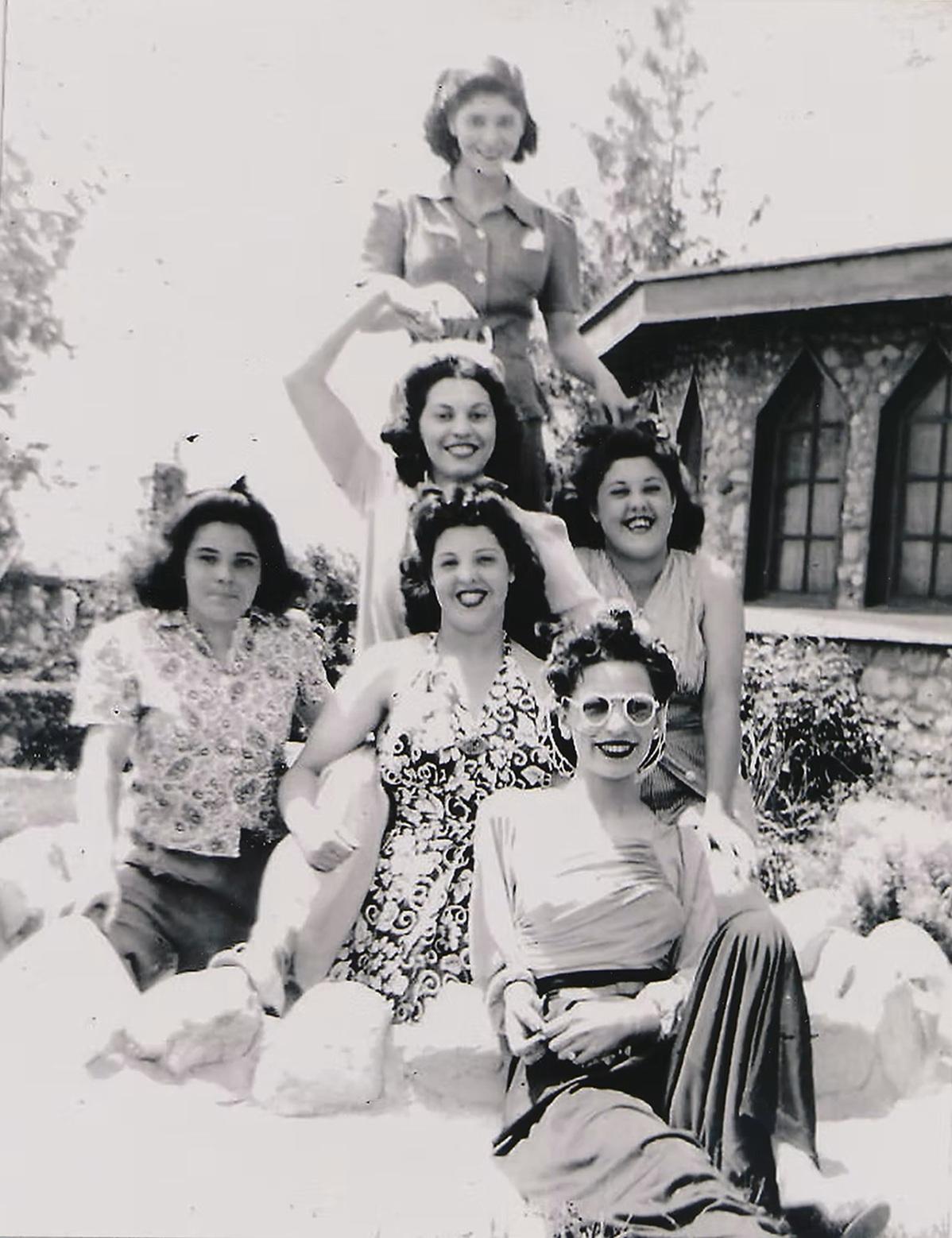 A day at the ‘Stone Castle’ in 1941. Front: Rose Borg, second row: Carmen Camilleri, Anna Camilleri, third row: Mary Ann Sapiano and Mary Camilleri, back: Eileen Saliba. Photo donated by Joseph Brincat to the Maltese American Benevolent Society, Inc.
Rosina ‘Rose’ Borg, the eldest of the group, was born in Birkirkara, Malta, on April 3, 1920. She was the daughter of Paolo ‘Paul’ and Gaetana ‘Gertrude’ (Zammit) Borg, who were living on Bagley Street in Detroit, by 1940. Paolo had emigrated to Detroit in 1920, and Gaetana and their two children, Vincenzo and Rosina, followed in 1926. Rosina ‘Rose’ Borg was to marry Alphonse Henry Cassar in Detroit in 1943.
Eileen Saliba may have been the second eldest. She was born in Detroit, on January 8, 1921, to Lorenzo ‘Lawrence’ and Maria ‘Mary’ (Galea) Saliba. Like Paolo Borg, Lorenzo and Maria Saliba had migrated to Detroit in 1920 and, like the Falzons, the Saliba family was living on Fifth Street at the time of the federal census of 1940.
Mary Ann Sapiano was born in Toronto, Ontario, on February 16, 1921, to Maltese immigrants, Pietro ‘Peter’ Paul and Domenica ‘Minnie’ (Gauci) Sapiano, both natives of Rabat, Malta. No evidence has been found of the Sapiano family living in the US, let alone Detroit, when the federal census of 1940 was taken, although they were living in Detroit at the time of both the 1930 and 1950 censuses. They may have been on a visit to Malta in 1940. As for Mary Ann, she married Spiridione Grech in 1947.
Anna, Mary and Carmen Camilleri were the daughters of Peter and Antonia ‘Nina’ (Gauci) Camilleri and were apparently all born in Detroit in 1921, 1924 and 1927 respectively. The parents came to the Motor City in 1920. Nina was an older sister of Minnie (Gauci) Sapiano. The family was living on Twelfth Street in 1940. In 1944, Anna married Joseph Brincat in Detroit; Mary was married in the same city in 1947 to Edward Perz; and Carmen appears to have never married.
As for Valentine and Josephine Falzon, both died in Detroit on October 29, 1942, and November 6, 1946, respectively, and were interred in Mount Olivet Cemetery.
Dan Brock, an 85-year-old Canadian of Polish, Irish and English ancestry based in London, Ontario, Canada, is the editor of the newsletter of the Maltese-Canadian Club of London, Canada.