Valletta’s Wembley Store to close after 101 years
Three-generation family enterprise closes after ‘running its course’
In 1924, Emmanuel Gauci told his father Salvatore he would run The Wembley Store in Valletta for one year and “see how it goes”. It went on for over a century and, now, three generations later, the landmark corner food shop is closing its doors for good.
By the end of the month, the “family legacy” will end after 101 years of serving generations of customers, co-director Christopher Gauci told Times of Malta.
Standing prominently in the heart of Valletta, just beyond City Gate, the iconic Wembley Store does not go unnoticed and many are those who would stock up on groceries – and some cheeky treat – during their working day.
 The original Wembley store with its panelled facade.
But the store has witnessed more than that, withstanding the test of time, weathering important milestones such as World War II, while the Royal Opera House opposite was destroyed in a bombing.
“Each generation of the Gauci family has worked their entire lives at the store, carrying the torch and continuing a tradition of quality, value and personal service to a broad spectrum of customers,” Gauci said.
“But, as my brother and I reach retiring age, we feel the time has come for us to consider the legacy that our grandfather started, and that our father passed on to us, as being fulfilled.
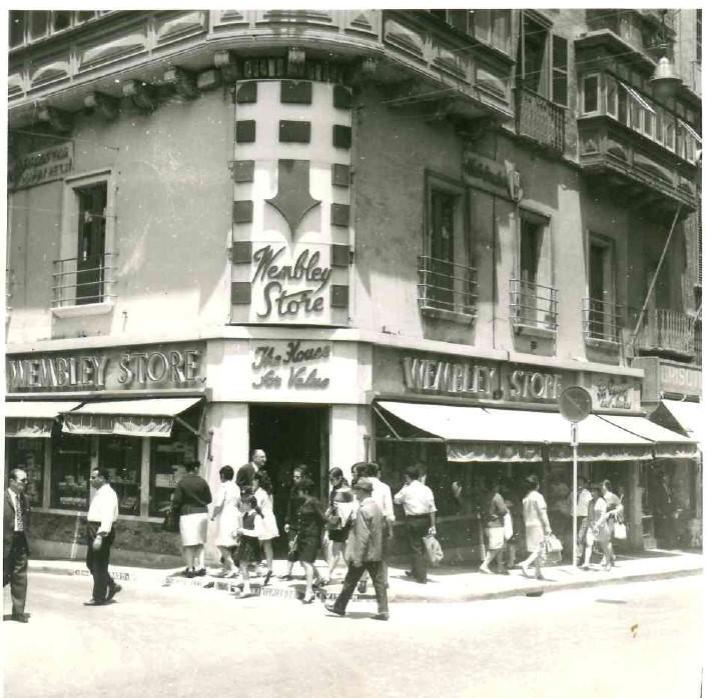
The iconic corner store with its symbolic red arrow sign.
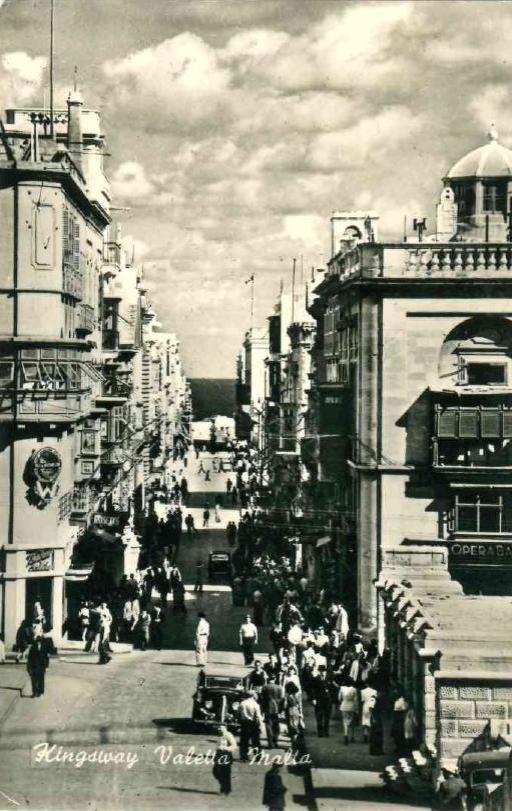
The Wembley Store in the days of Kingsway.
“It was not an easy journey. Family businesses rarely are,” Gauci continued. “They demand long hours, constant responsibility and emotional investment. Nevertheless, together, we did something rare: we kept it running for a century.”
Referring to other closures of long-standing, family-run enterprises in the capital city, including N. Caruana and Sons and P. Muscat Opticians – all forced to shut down or move from Valletta due to prevailing commercial circumstances – Gauci said “our story is different”.
Letting go is painful but we know the time is right
The decision to close shop after careful reflection was “entirely voluntary” and not spurred by rental issues or the takeover of catering establishments that have gripped the capital, elbowing out the more traditional elements.
While the opening of supermarkets in Valletta did have an impact on their business, Gauci said this was “never to a critical extent”.
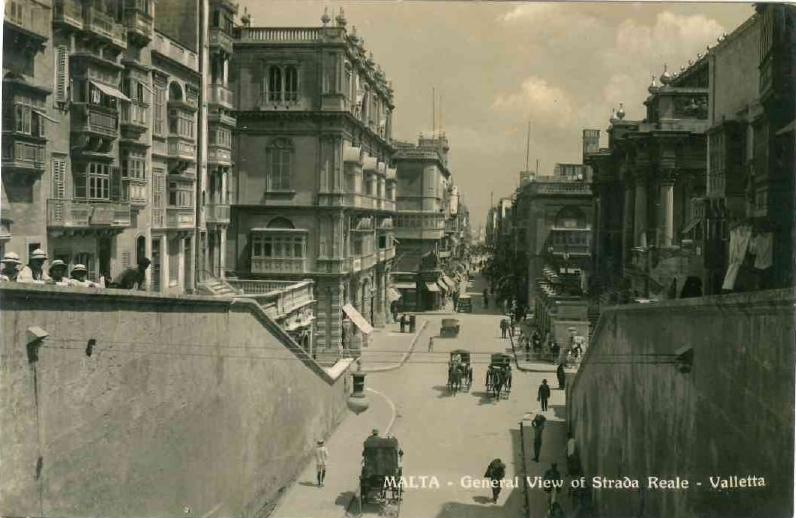
The Wembley Store featured in postcards when Republic Street was called Strada Reale.
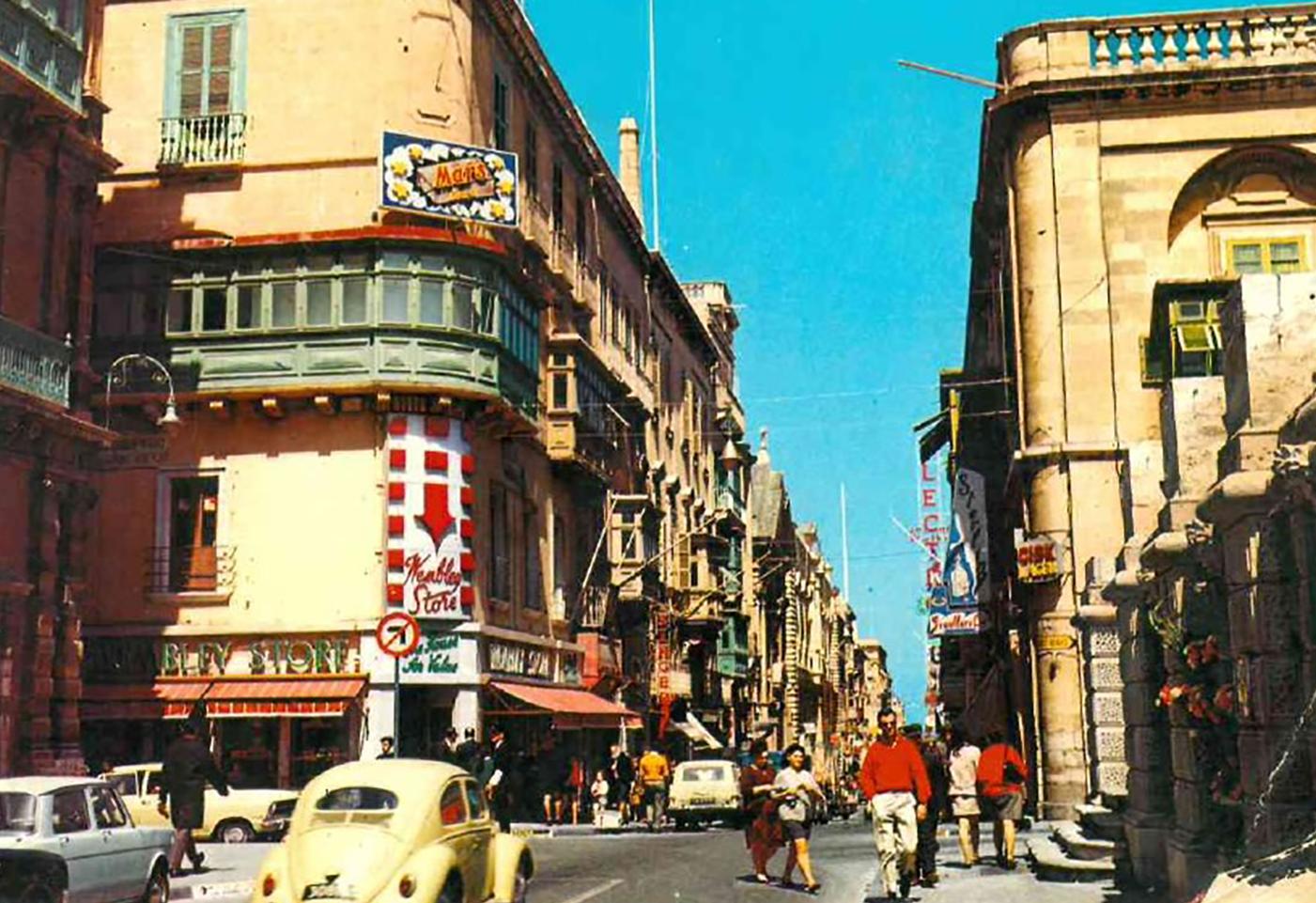
Picture perfect: The Wembley Store captured in colour.
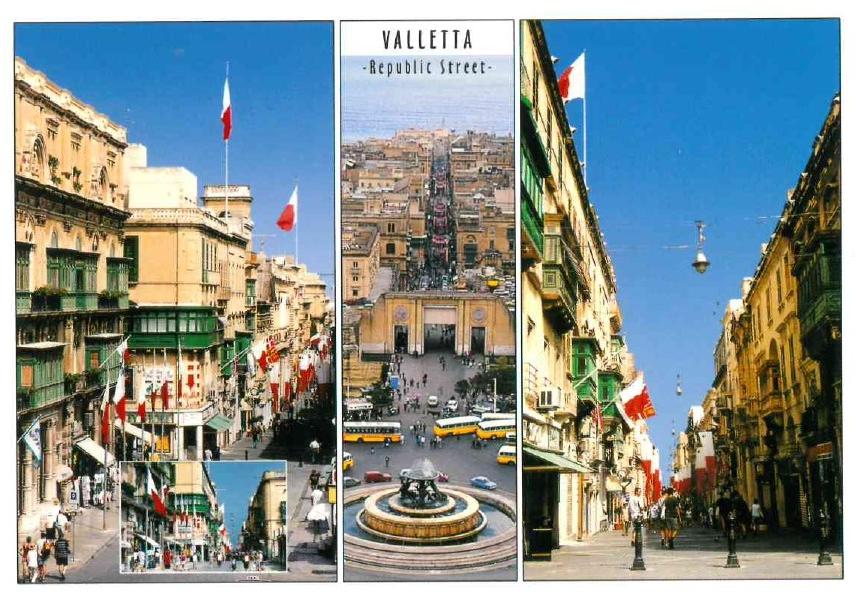
The store still features in postcards.
The store has always faced competition in one form or another, he explained. “But we consistently rose to the challenge.”
From the beginning, the focus was on food specialities and, when the shop was refurbished in 2010, one of its objectives was to distance itself from fast-moving consumer goods – the domain of large-scale supermarkets – and concentrate instead on offering food and wine specialities from small producers.
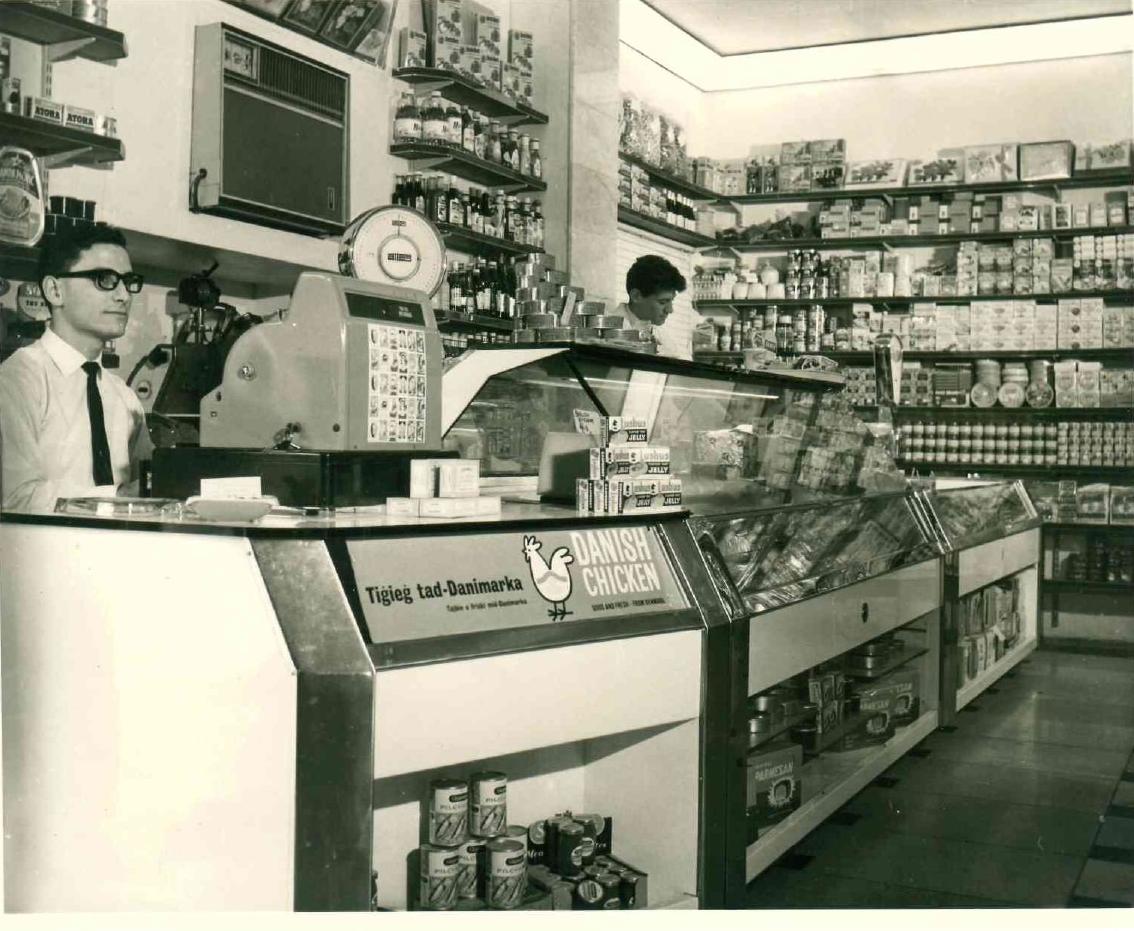
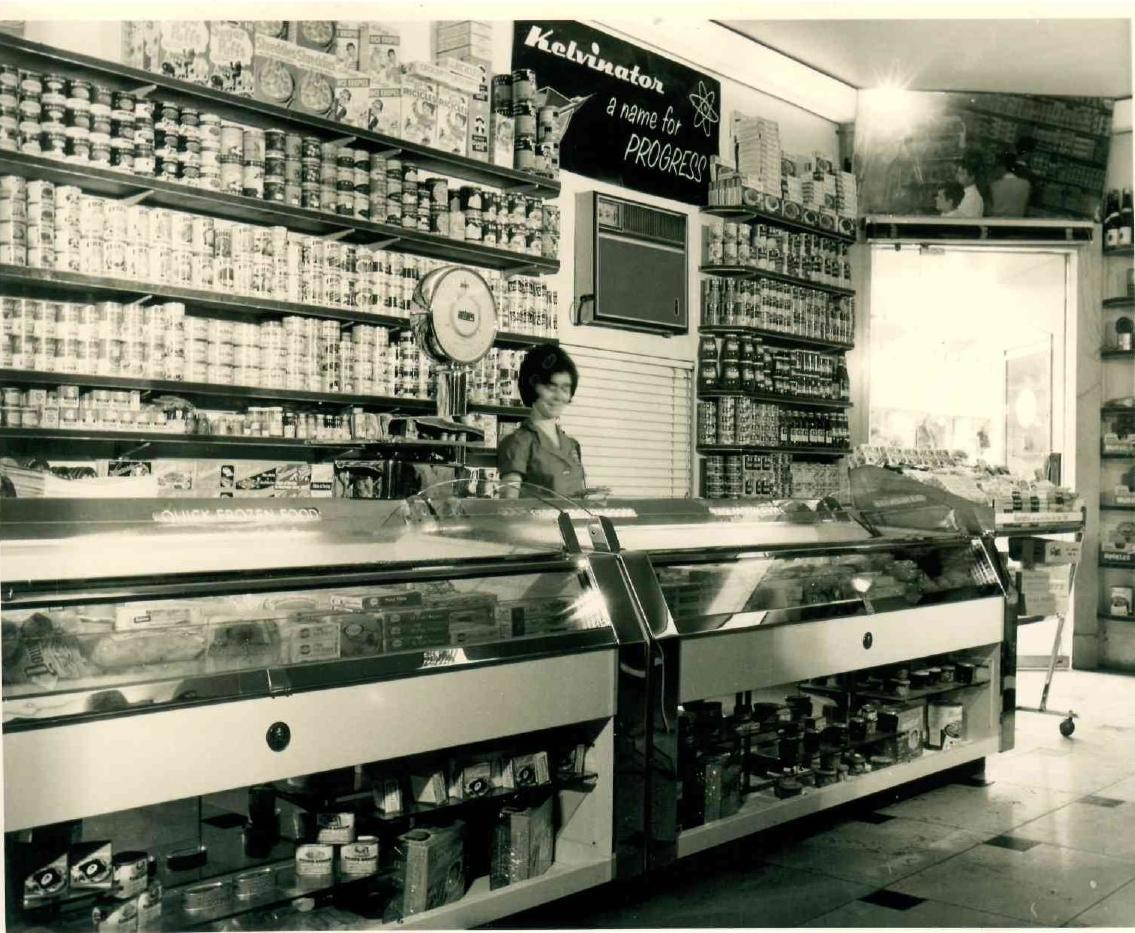
The store’s shelves were stocked with fine food from the onset.
.
“As local producers raised their standards, we introduced quality Maltese products,” Gauci said.
“Now, we recognise that the three-generation family enterprise has run its course and we are proud to conclude on a high note,” he continued. But, emotionally, the decision was “still very difficult”.
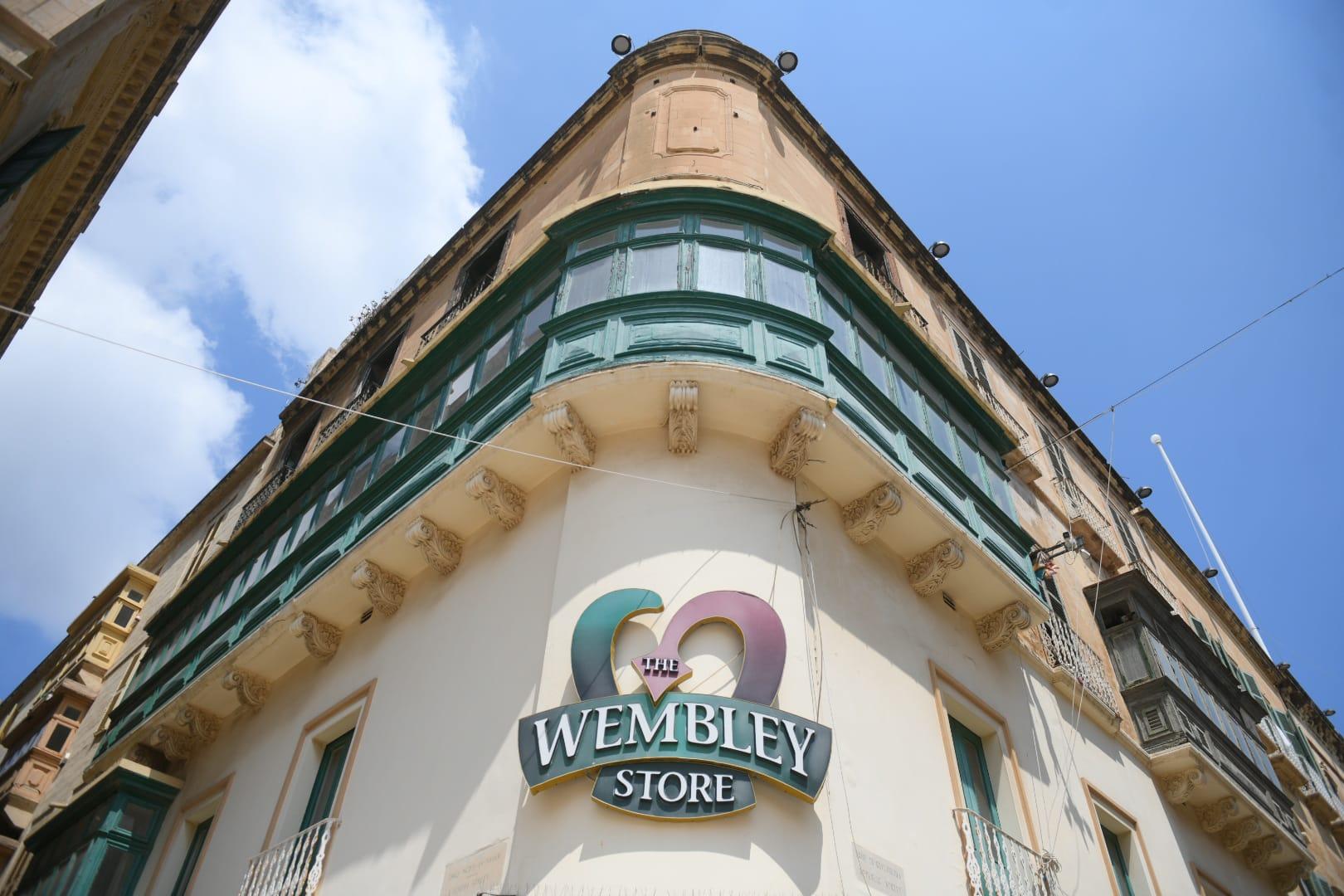 The corner shop still standing today.
“To us, this is not just a store,” said his brother and co-director, Noel Gauci. “It is our identity, the embodiment of our family’s history, memories of our father and grandfather before him. Letting go is painful but we know the time is right.”
The building will continue to serve as a retail outlet for a different line of business, he said, excluding a catering outlet of any sort.
A family legacy
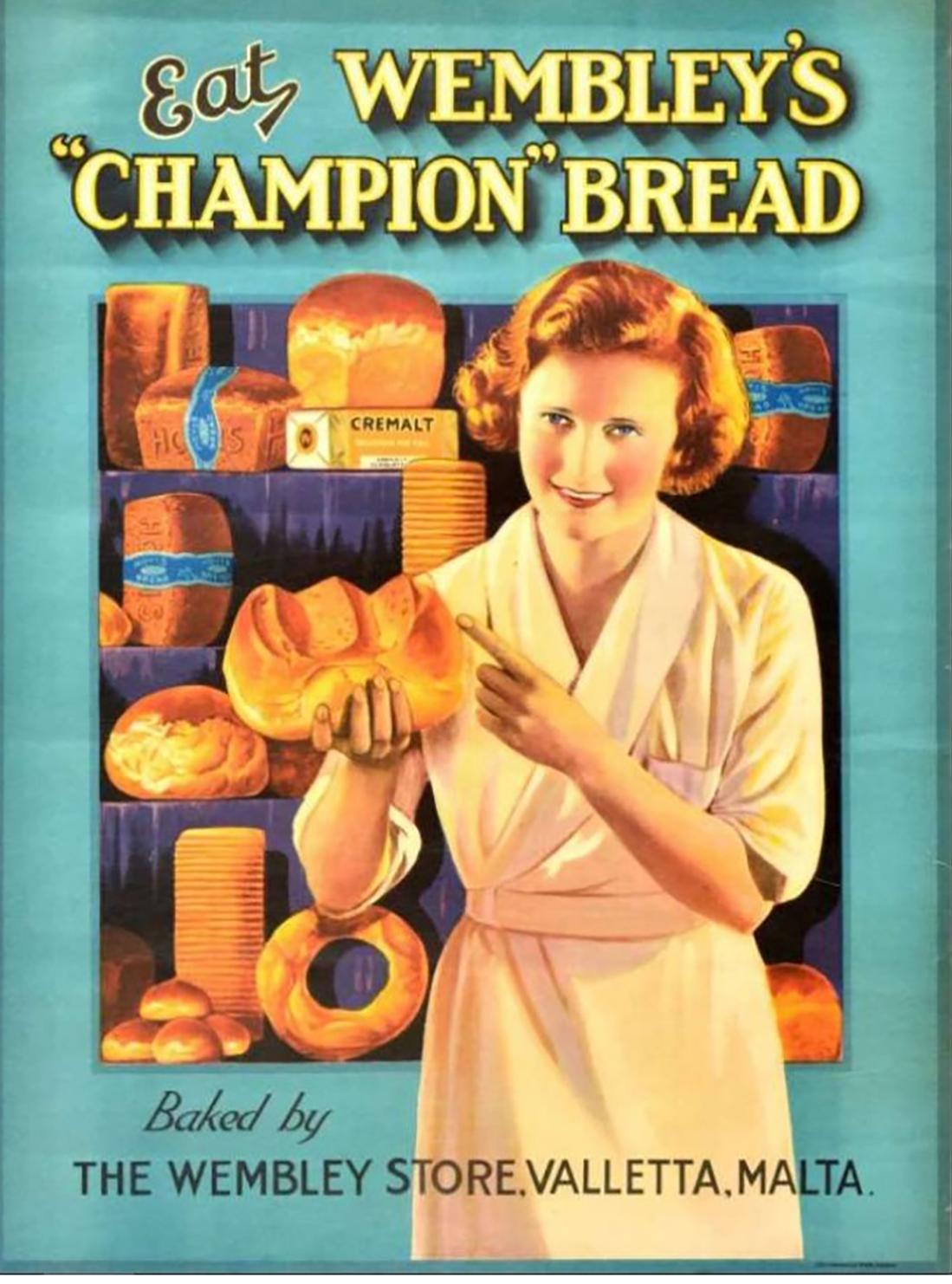 An advert for Wembley’s ‘champion’ bread.
The 101-year journey of the store, located on the main Republic Street and South Street, started when its founder was inspired by the British Empire Exhibition, featuring a wide variety of goods from the colonies, at Wembley Park, London, in 1924.
Furnished with the latest shop fittings and equipment, including refrigeration, it was stocked with products from all over the British Empire.
As its shelves are now being emptied out of the everyday essentials and gourmet delicacies it was known for, its owners said: “The store stood for quality, international spirit and refinement from the start, quickly earning the trust of locals and British residents.”
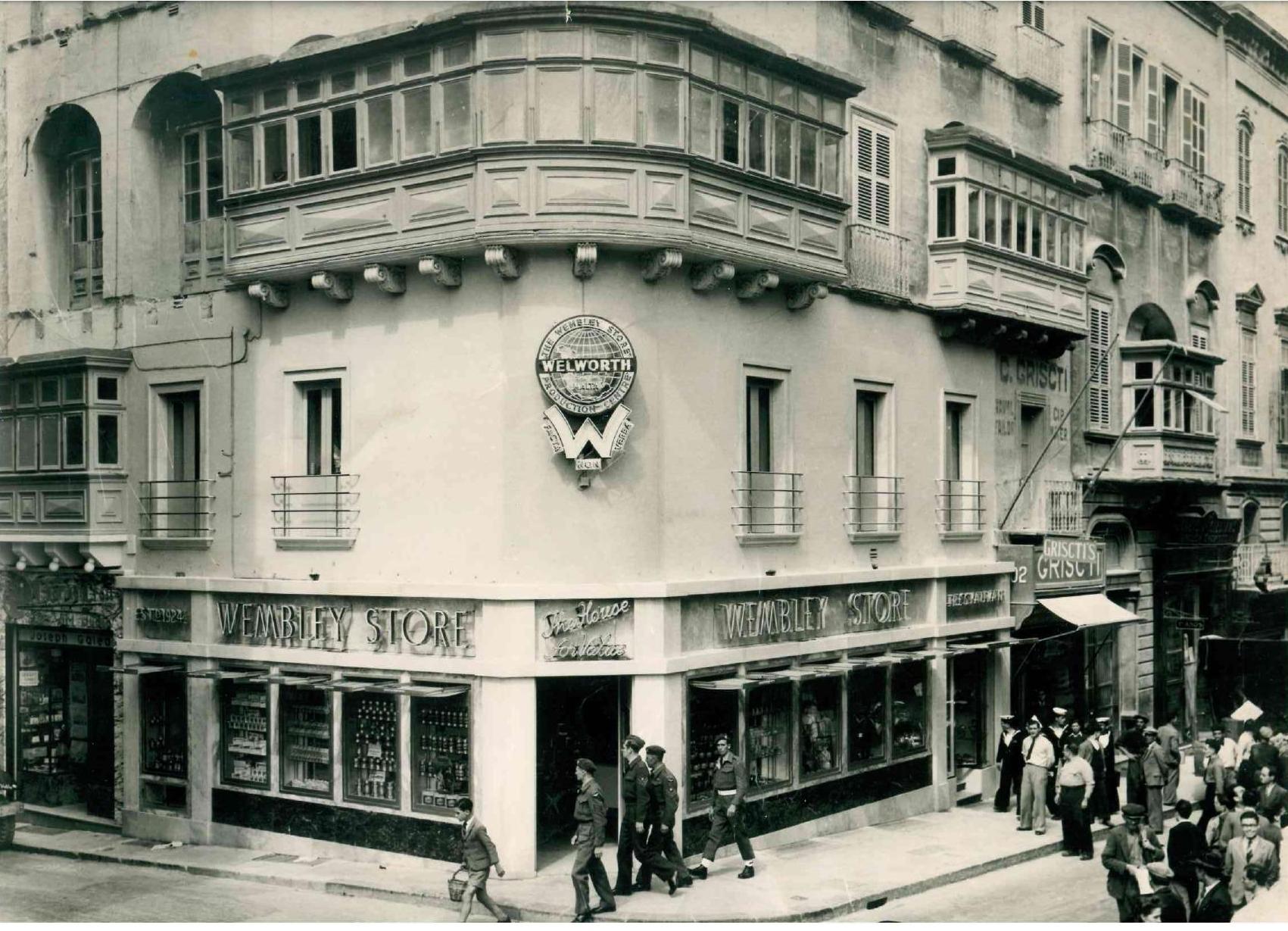 Officers and gentlemen outside the store.
During World War II, when its façade was badly damaged by the debris from the bombed Opera House, Emmanuel carried on with quiet determination, his descendants recounted. The store remained open to serve the locals – no longer with high-quality food but distributing food rations.
It was renovated after the war and, in 1946, his son, Joseph returned from an apprenticeship at London’s luxurious department store, Harrods, bringing with him fresh ideas while “honouring The Wembley Store’s traditions”.
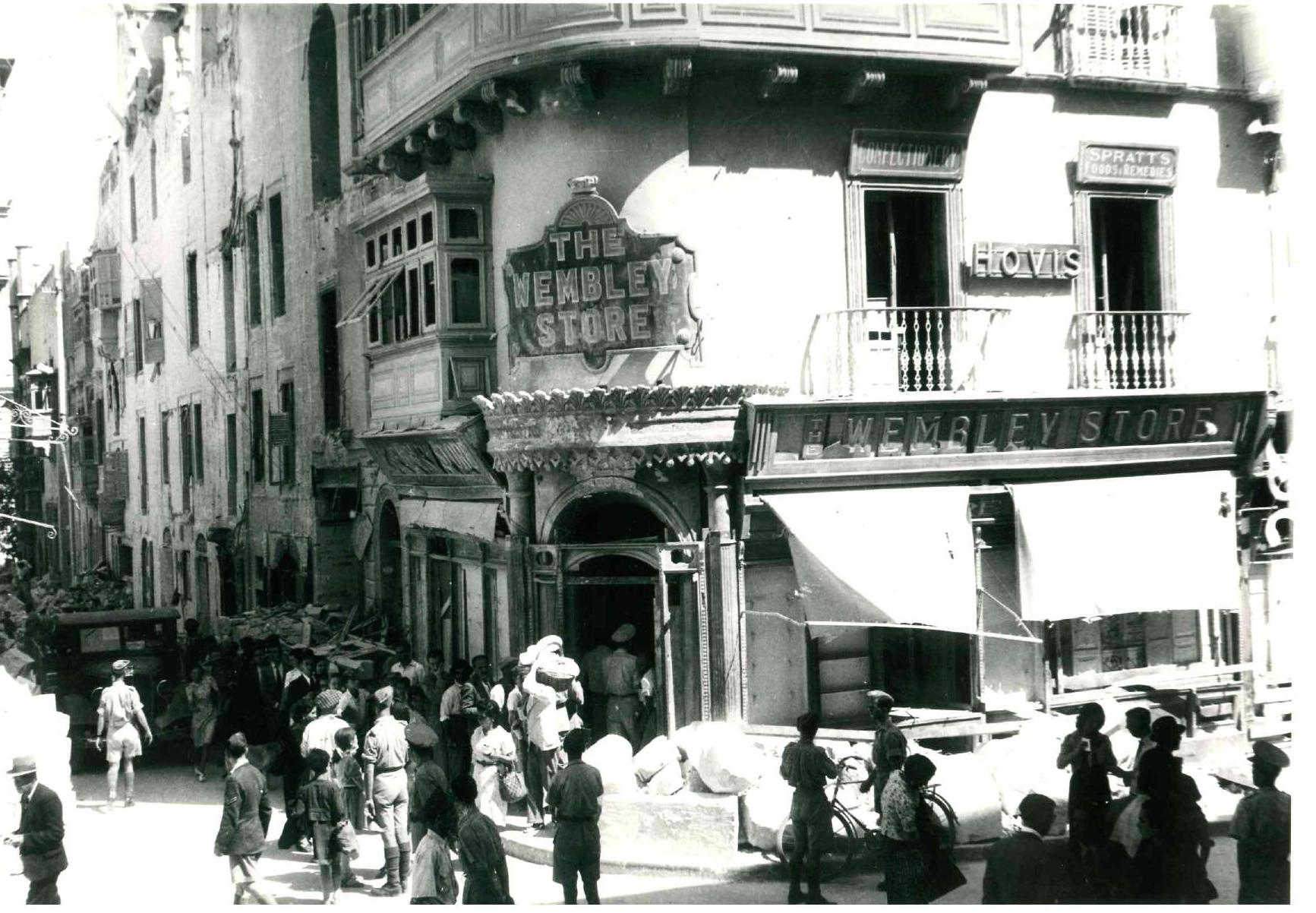
Photos of the store during the war.
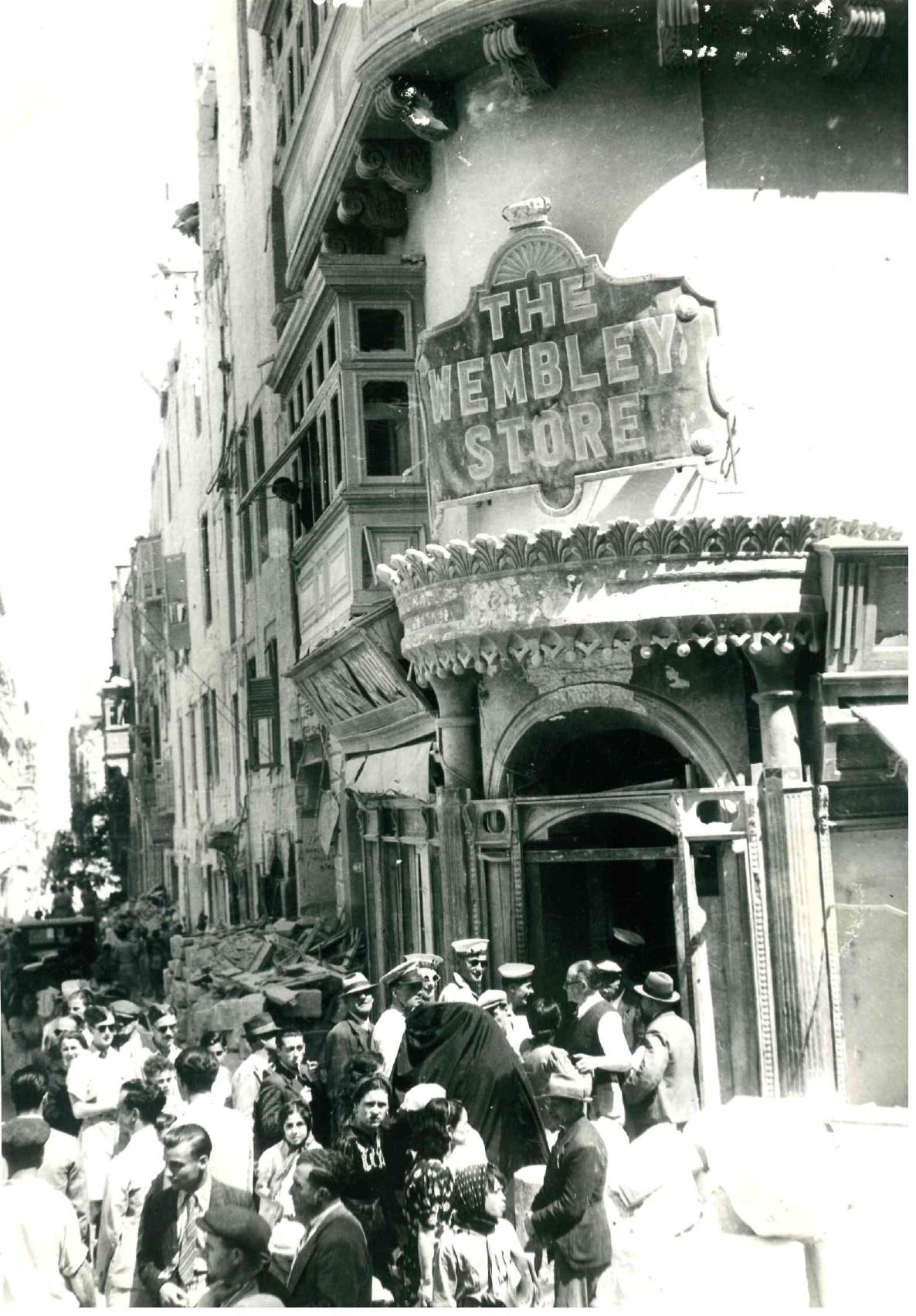
.
By 1972, Joseph had established Wembley Stores Co. Ltd, setting the foundation for future growth. His sons, Noel and Christopher, proceeded to bring it into the modern era while preserving its heritage and keeping strong ties with artisan suppliers.
Before the war, The Wembley Store was also enjoyed as a meeting place and to buy a box of fine chocolates before a performance.
 The Wembley Store forming the backdrop to Queen Elizabeth II’s visit to Malta on November 14, 1967.
But when the Opera House turned into a pile of ruins, it was “painful” for the people to see and so the shop was bypassed, according to fourth-generation family member, Katrina Gauci, who evaluated the late 19th-century building from different facets when studying architecture.
The sign with the broken arrow pointing towards the store became a symbol of it, she noted about the place that was pictured in postcards over time.
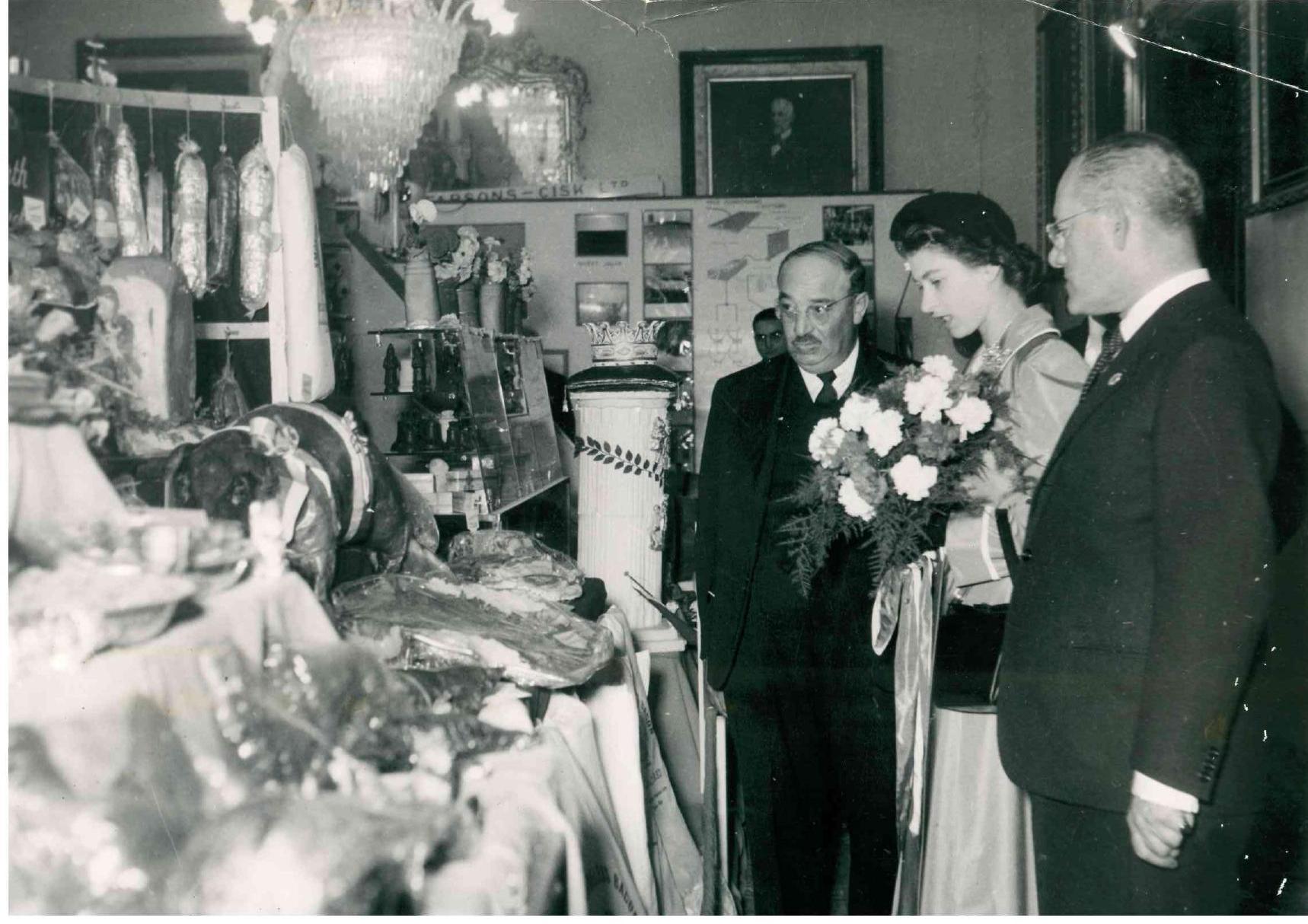 Wembley founder Emmanuel Gauci with then Princess Elizabeth and president of the Chamber of Commerce Lewis Farrugia in 1949.
Part of the history of Republic Street and the way it evolved from Strada Reale to Kingsway, the store passed through a series of functional and aesthetic changes, flourishing during the British period.
‘We could not have done it without you’
As it approaches its closing chapter, the owners said the store’s co-workers along the years would be missed, expressing “deep appreciation” for its staff and loyal customers.
A sign, titled ‘The Wembley Stores – A Legacy Fulfilled’, will be attached to the unmistakable green façade once its doors are closed for the last time.
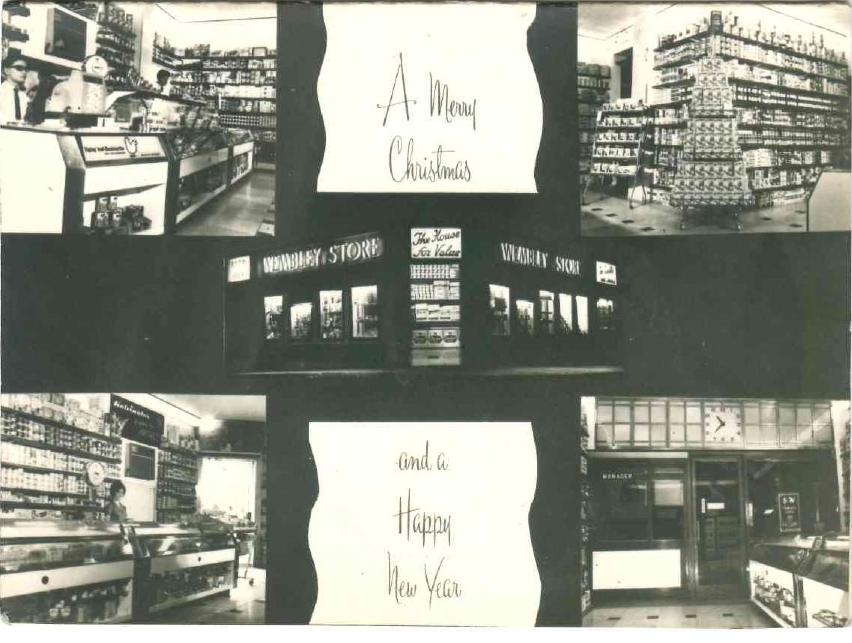 A Wembley Store Christmas card.
“To our co-workers, past and present – thank you. You were the heart of this business. To our customers, both lifelong regulars and new faces – we’ve cherished every moment.
“We could not have done it without you. We will miss the customers that have come through our doors from near and far, the regulars that have grown old with us and the new faces of passers-by, but it is time. We have done our part,” they said.
Conscious of the nostalgia that the closure could bring about, a new website with the story of the shop and a gallery of historical and recent photos has just been launched to preserve its history, community and the memories made along the way.
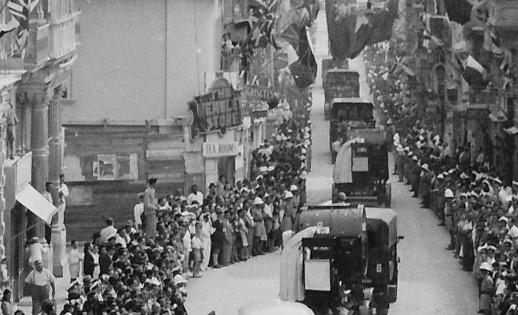 The Wembley Store witnessed many milestones, including Victory Day.
A look at a visitors’ book, kept between 1948 and 1982, and past letters of gratitude sent to the store, shows they ranged from Royal Navy officers to housewives and artists.
“Over the past 100 years, The Wembley Store has been more than just a shop – it has been part of daily life, celebrations and tradition,” the website says, inviting people to share their stories and memories, anecdotes and messages connected to it, as well as old photos of the shop, a visit, or any products.
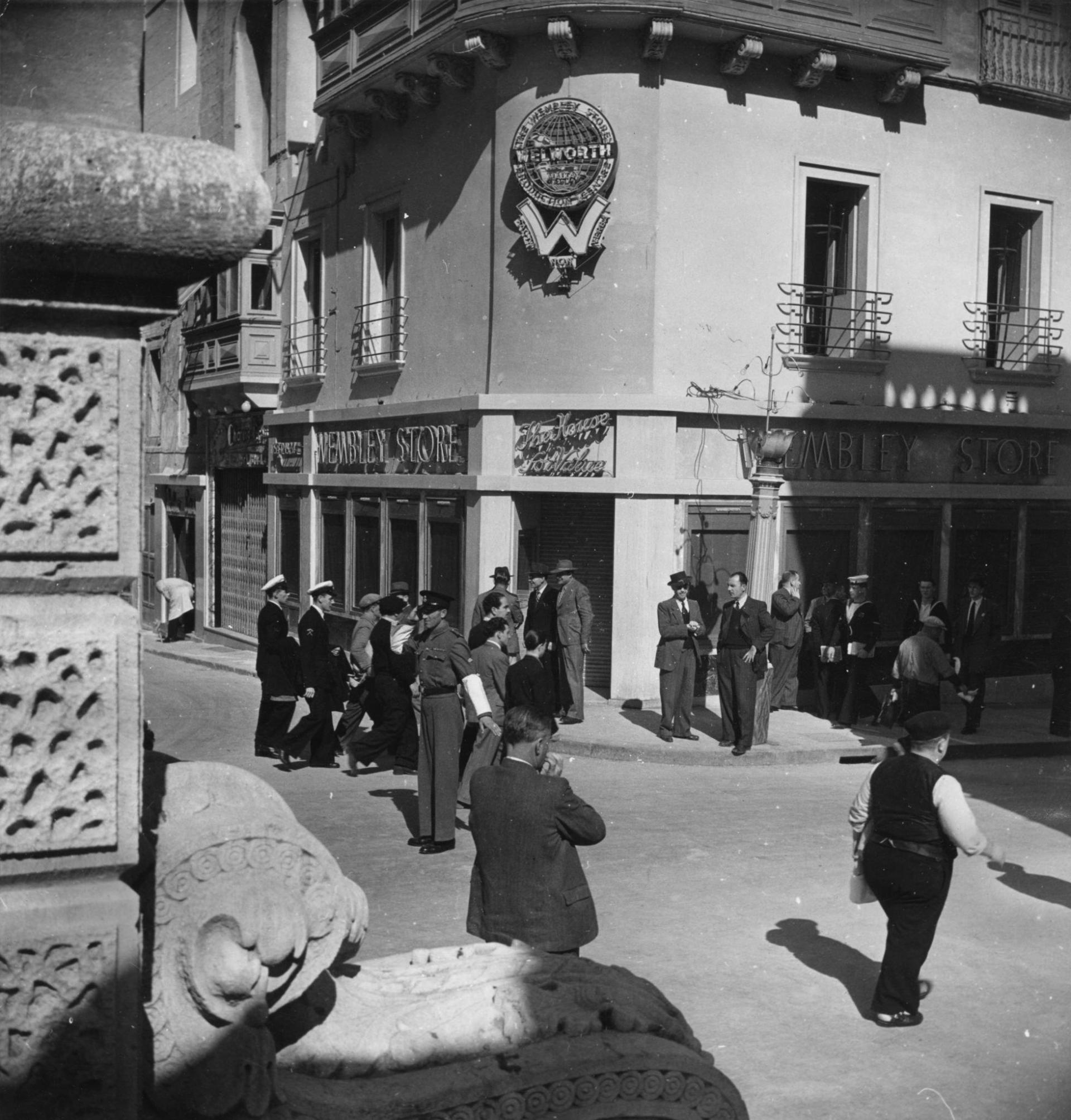 Wembley Store pictured in 1948.
“Whether you shopped here as a child, worked behind the counter, or just remember something special – your memory is part of our history.”