Voluntary euthanasia proposals unveiled for terminally ill with 6 months to live
Assisted Voluntary Euthanasia proposals released for public consultation
- Government launches consultation on euthanasia proposals;
- Only for terminally ill with under six months to live;
- Must be voluntary with coercion/suggestion made criminal offence;
- Two medical/legal panels to review requests;
- Allowed only in state hospitals or at home;
- No requests allowed on basis of mental health, disability, old age;
Terminally ill patients with less than six months to live could be allowed to voluntarily end their lives under government proposals released for public consultation on Wednesday.
In a press conference on the proposals for 'Assisted Voluntary Euthanasia', Reforms Parliamentary Secretary Rebecca Buttigieg insisted the government was not proposing a bill yet.
Rather, it is launching a two-month, public discussion on the sensitive subject to understand whether people would want the option to terminate their life “in dignity” if they find themselves in that situation.
She outlined a set of principles on which a voluntary, assisted euthanasia law would be based, describing them as “strict” parameters over which the government is not willing to negotiate.
Buttigieg sat down with Times Talk to discuss the subject this week, in a podcast that will be released in the coming days.
How voluntary euthanasia could work
If a euthanasia law is to be introduced, it must be on an entirely voluntary basis and the request can only come from the patient themselves, and only if they are in a good mental state to take the decision, she said on Wednesday.
No one would be authorised to make the decision on a patient's behalf. Similarly, patients can in no way be coerced, pushed or encouraged to opt for it, Buttigieg said.
Even presenting euthanasia as an option to a patient would constitute a criminal offence.
The patient must be aged over 18, suffering from an incurable, terminal illness that is predicted to result in death within six months, and they must have exhausted all available treatments and therapeutic services.
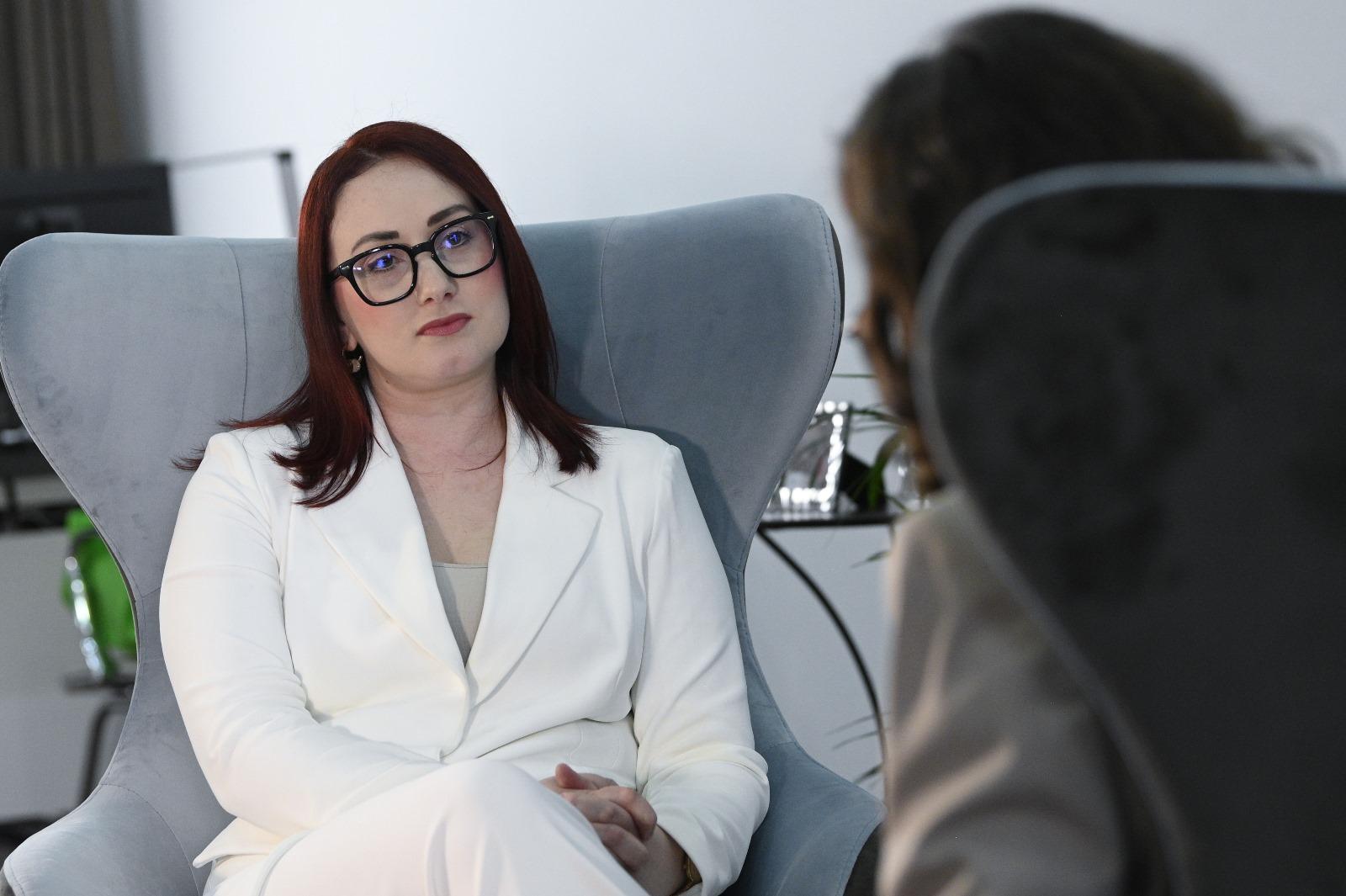 Buttigieg sat down with Times Talk to discuss the subject this week, in a podcast that will be released in the coming days. Photo: Matthew Mirabelli
No patient would be able to request it on the basis of having a disability, a mental health problem or conditions related to old age. A condition of old age could be if the patient has dementia, Buttigieg explained. In these cases, these patients will not meet the requirements for euthanasia.
Patients who request to terminate their life would be given a one-week cooling-off period to sleep on it and reconsider whether they want to go ahead with it.
After that, a board of three doctors – a specialist in the patient’s condition, a physician who certifies the condition and a psychiatrist – would assess the request to make sure it meets the requirements.
The request would then be passed on to a second panel of medical professionals that will be chaired by a former judge.
The procedure will be carried out by the patient themselves and not the doctors. The way euthanasia would be administered is still unclear.
In state hospitals or at home
However, the public consultation document makes it clear that the procedure would only be permitted in state hospitals and at the patient’s home. The patient must be residing in Malta for at least 12 months. This is included to prevent the commercialisation of euthanasia.
The patient would also be free to change their mind at any point during the process, even at the last minute.
The consultation seeks public feedback on safeguards, with the government indicating it has deliberately avoided more liberal models seen internationally.
Patients would not be allowed to opt for euthanasia unless they are fully conscious and aware of what they are doing. The government is also proposing the introduction of living wills.
A living will, or advance directive, is a legal document that allows patients to specify their preferences for future medical treatment in case they become unable to communicate their wishes.
A living will typically outlines which life-sustaining treatments they would or would not want under specific circumstances, typically related to terminal illness or permanent incapacitation.
The government clarified, however, that even with such a document requesting euthanasia, individuals would still need to meet the eligibility criteria being proposed at the time the decision is to be carried out.
Therefore, a living will would serve as a statement of intent but is subject to the prevailing legal requirements.
While doctors would have the right to refuse to participate in the euthanasia process based on their conscience, they will be obligated to refer the patient to another doctor willing to assist.
Buttigieg emphasised the importance of the public discussion, framing it as a matter of dignity for individuals facing imminent death and unbearable suffering.
She said that during the public consultation process she wanted to listen to everyone – from experts to people on the street – no matter their profession or creed, and promised the government would continue to invest heavily in palliative care.
“This is not an easy topic to speak about, but it would be irresponsible to act as if this issue does not exist,” Buttigieg said during the press conference.Buttigieg hoped for a “mature” discussion where people would have access to the proper facts and not turn this discussion into a partisan dispute.
“We are here to learn,” she said while pushing for everyone to participate in the public consultation.
Reno Bugeja, former TVM head and an official who works with Buttigieg, said: “Nobody can request euthanasia for someone else. Neither the doctors nor family members. This is crucial.”
The board must give its decision within two weeks. However, the board will have the freedom to pause or extend this procedure and even change its decision if it sees fit. The board is also able to stop the process and contact the authorities in a situation where someone is being pressured to carry out euthanasia, he added.