Cracking the code of movement
How tiny genes in tiny creatures could help fight big diseases
Understanding how our bodies move – from the blink of an eye to a step forward – relies on a vast and intricate communication system between our brain, nerves and muscles.
When that system breaks down, it can lead to devastating conditions like amyotrophic lateral sclerosis (ALS), which slowly robs people of their ability to move, speak and eventually breathe. At the heart of these conditions are genes: the microscopic blueprints that tell our cells what to do.
In our research, we delve deep into the genes that keep this system running and what happens when they go wrong. Using the humble fruit fly as our model, we explore how specific genes affect movement and development. Though small, fruit flies share many genetic similarities with humans, making them powerful tools for discovering how diseases work at the cellular level.
One focus has been on genes that control how proteins are made within cells, a fundamental process for life. We have uncovered key genetic players that, when disrupted, cause the flies to show clear signs of neuromuscular failure. For example, they are unable to crawl properly as larvae or lose their ability to fly and climb as adults. These defects mirror those seen in human motor diseases, offering important clues about how such conditions might start and progress.
We have also found that the impact is not limited to nerves alone. Muscles themselves play an active role in disease, challenging the long-held belief that motor neuron diseases are purely brain problems. Our findings suggest that treatments might need to address both nerve and muscle health to be truly effective.
At present, my research is investigating how proteins clump together, or aggregate, in ALS models. In many neurodegenerative diseases, including ALS, proteins that are normally soluble start forming sticky, toxic clusters inside cells.
By studying where and how these protein aggregates form in fruit flies, we aim to uncover why certain neurons are especially vulnerable.
This line of research could pave the way for early detection strategies and interventions that stop the disease before irreversible damage occurs.
These discoveries are more than just scientific milestones, they offer hope. By understanding the root genetic causes of neuromuscular disorders, we get closer to early diagnosis and, one day, targeted therapies that can stop or slow these conditions before they take hold.
Every small step we take in the lab and every tiny step taken by our fruit flies, brings us closer to unlocking the mysteries behind some of the most challenging diseases of our time.
Rebecca Cacciottolo is a postdoctoral researcher at the Motor Neuron Disease Lab of the University of Malta. Her research is funded by the Reach High II scholarship scheme, co-funded by the European Union.
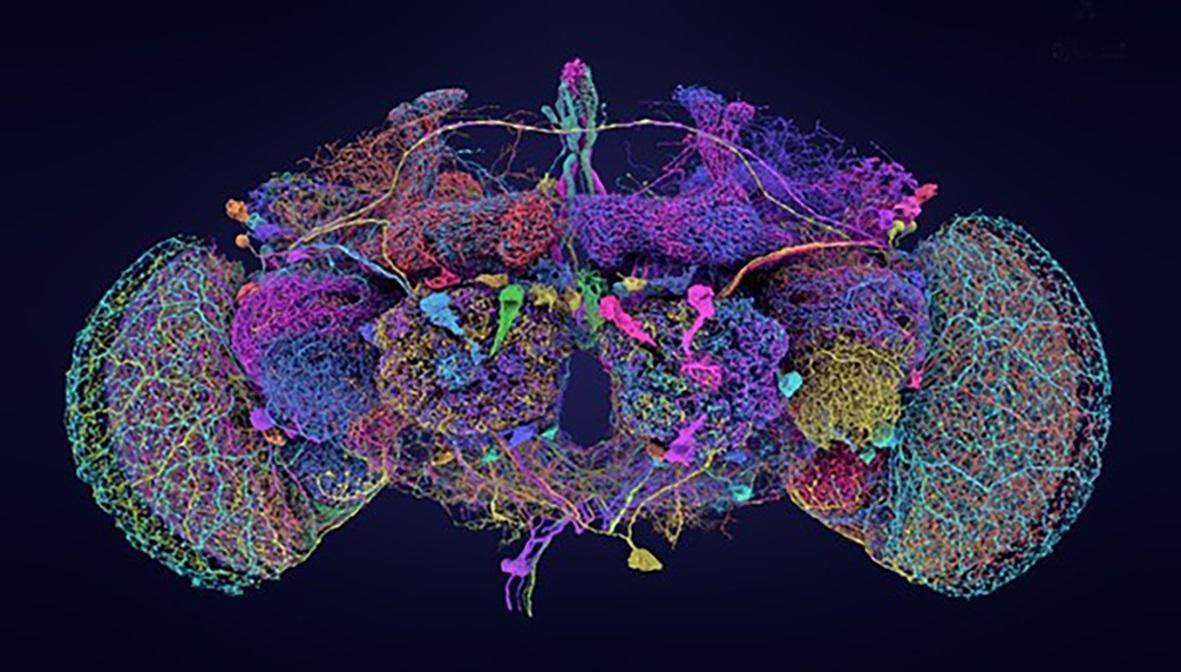 Photo: Tyler Sloan and Amy Sterling for FlyWire, Princeton University
Photo of the week
Researchers have mapped nearly 140,000 neurons in the fruit-fly brain. This version shows the 50 largest.
https://www.nature.com/articles/d41586-024-03190-y
Sound Bites
• In a 2015 study, researchers trained pigeons to distinguish between cancerous and healthy breast tissue with up to 99% accuracy when working as a group. Using food rewards and touchscreens, the birds learned to analyse medical images, showing surprising visual intelligence and potential as low-cost, bio-inspired assistants in diagnostic research.
https://journals.plos.org/plosone/article?id=10.1371/journal.pone.0141357
• Toxoplasma gondii is a crafty parasite that turns scared rats into cat-crazed fans. By wiping out their fear and making cat smells irresistible, it tricks rats into risky cat cuddles, ensuring the parasite reaches the cat’s gut to complete its life cycle and keep the party going.
https://pubmed.ncbi.nlm.nih.gov/36950587/
For more sound bites listen to Radio Mocha www.fb.com/RadioMochaMalta/
Did you know?
• There is a species of jellyfish that can technically live forever: Turritopsis dohrnii can revert to its younger form when stressed.
• Your brain can hold a fake memory as confidently as a real one. Our minds are weirdly good at convincing us of things that never happened.
• Some microbes eat electricity called electrotrophs – they literally absorb electrons as food. The future of batteries?
• A snail can sleep for three years and still wake up like nothing happened.• Wombat poop is cube-shaped.
• Fruit flies were the first animals the US sent into space back in 1947 to study radiation exposure – more than a decade before humans made the trip!For more trivia see: www.um.edu.mt/think
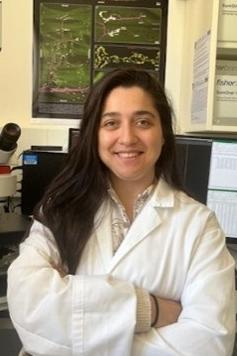 Rebecca Cacciottolo