Watch: Eighty years on, sisters thank Gozo for wartime act of mercy
Żebbuġ villagers helped save injured Italian wartime pilot who went on to have a family in the US
In 1942, an Italian fighter pilot was shot down and crash-landed in Gozo. More than 80 years later, his daughters are thanking the Gozitan villagers who saved his life, an act that ultimately gave them theirs.
Their message of gratitude was made possible by the dedicated research of 24-year-old Matthew Curmi, an engineer with a historian’s passion. Curmi recently soft-launched his book Waqa’ Ajruplon – Chronicles of Fallen Aircraft in Gozo, which documents historic crashes and the untold human stories behind them.
One of those stories is that of Faliero Gelli, a burly pilot from Pistoia, Italy. On July 27, 1942, Gelli set off on his 65th mission, replacing a fellow pilot who had fallen ill. At the time, Italy was aligned with Nazi Germany in the war against the Allies.
The mission would end with him being shot down by famed Canadian ace George Beurling and crashing into the Gozitan countryside.
In an interview years later with Military History Magazine, Gelli recalled the moment he was hit. “I was flying at an altitude of 25,000 feet when suddenly I was hit by George Beurling. I dived, but my fuel tank was hit, and there was no gas.”
He continued: “I spotted the small island of Gozo, near Malta, and decided to try to land there.”
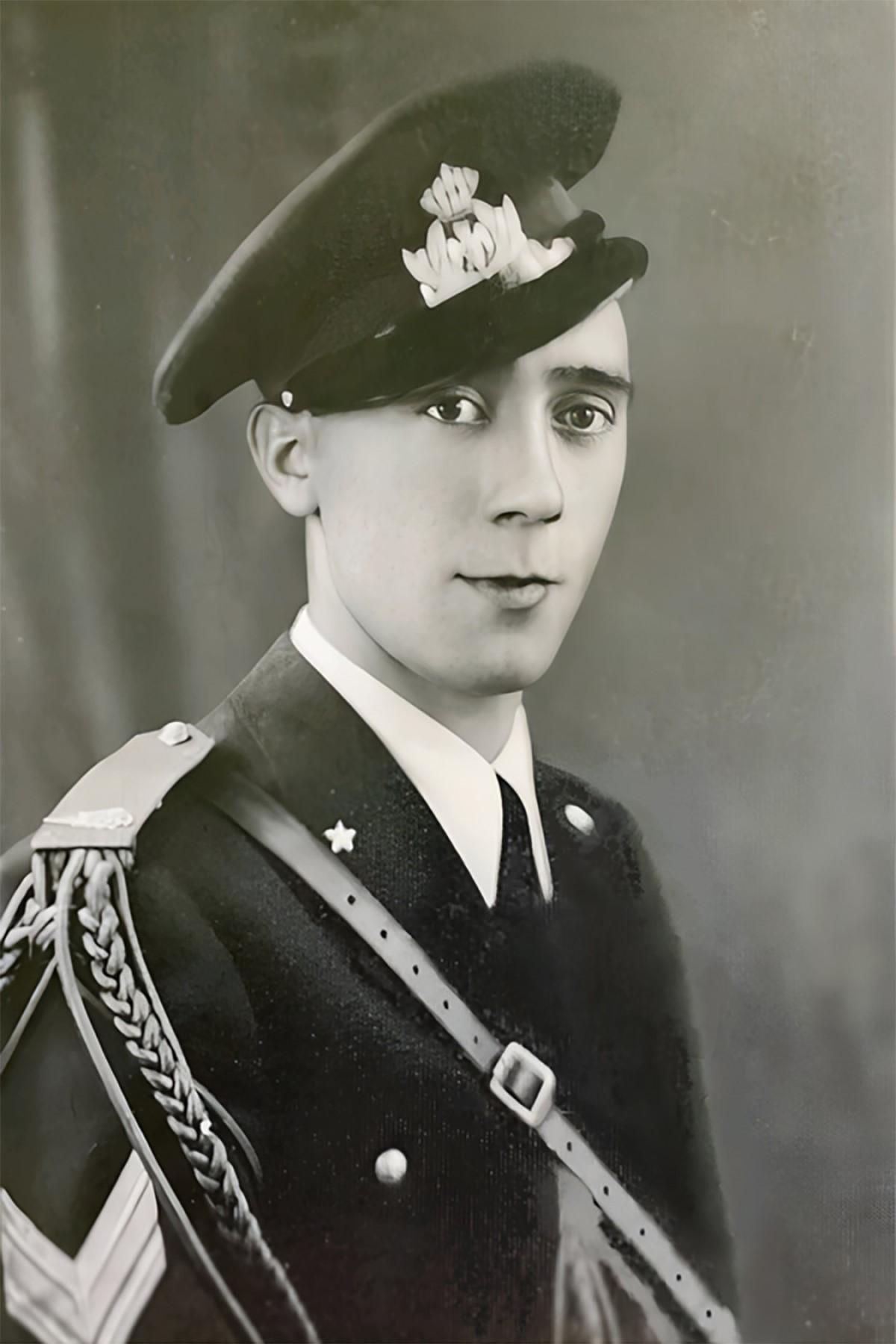 A young Faliero Gelli.
His aircraft came down in Hell’s Valley near Żebbuġ. Villagers rushed to the wreckage. He recounted, “The Maltese who found me were horrified to see my face swollen to twice its normal size. My front tooth was broken, too, but otherwise I was okay.”
According to Curmi, the villagers carried the injured pilot uphill to Żebbuġ under the intense July sun. There, they gave him food, water and basic healthcare, enough to keep him alive until the authorities arrived.
To better understand what Gelli had endured, Curmi re-enacted the walk himself, on the same day and time. “It was daunting for me,” he said. “Let alone for someone injured, limping, dehydrated, and with a swollen face.”
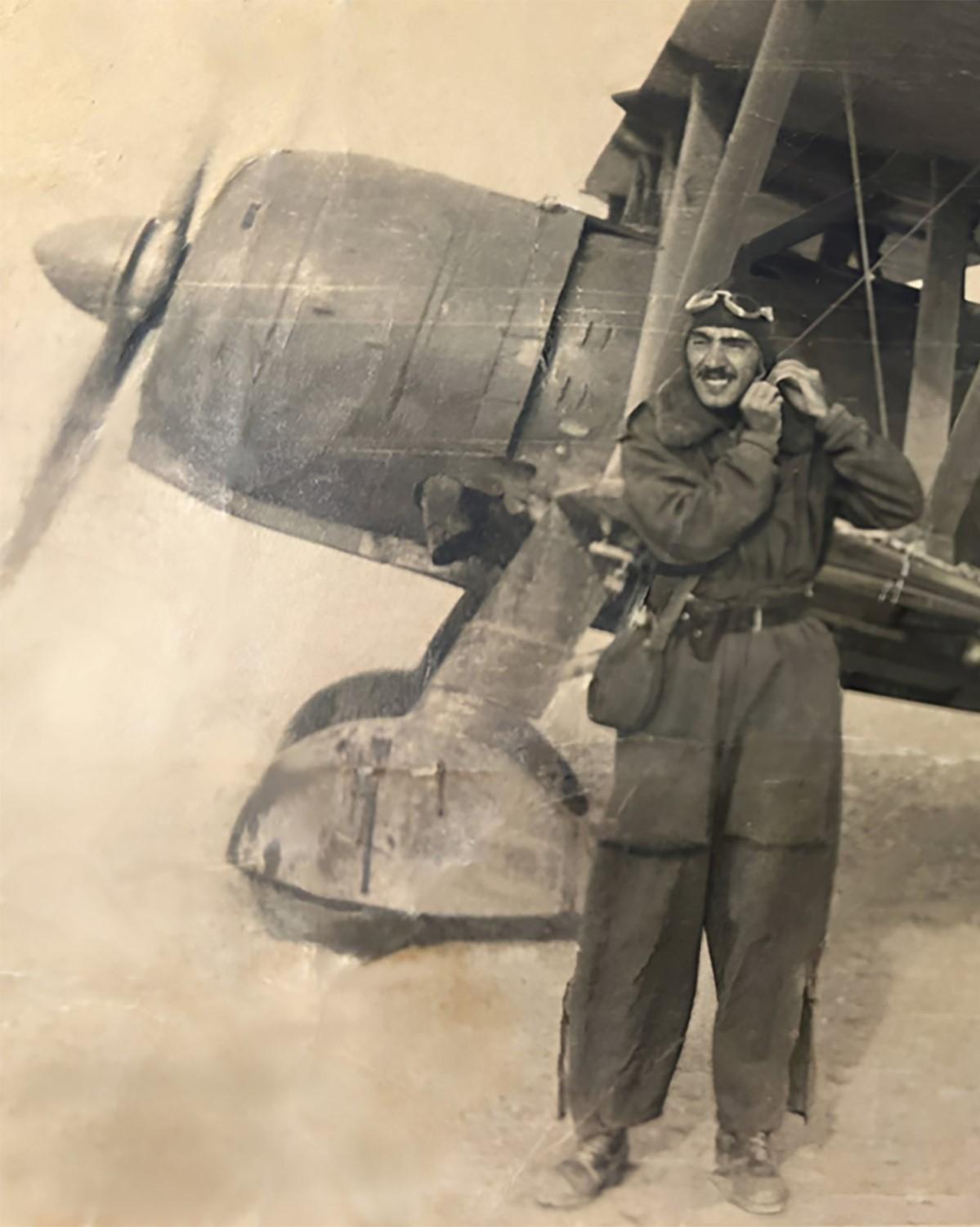 A young Faliero Gelli dressed in his uniform near his plane.
A fascination becomes a mission
Curmi’s interest in aircraft wrecks began in childhood. “When I was around 10, I had this hobby of listening to these stories. My first instinct was to come here to try to find a piece of the aircraft.”
What began as a fascination with wreckage evolved into a deeper interest in the people behind them. “I realised the human story is what really matters.”
That story, in Gelli’s case, was shaped by what Curmi describes as the Gozitan spirit, a combination of humility and ingenuity.
The villagers didn’t just help Gelli. They later salvaged parts of the wreck and repurposed them. According to Curmi, the plane’s wings were turned into roofing for a storeroom. The fuselage skin became kerosene stoves, and the cockpit’s perspex was fashioned into crucifixes.
But what struck Curmi most was not just their resourcefulness, but their compassion. “They saw the human being behind the enemy uniform,” he said. “And cared for him with the little that they had.”
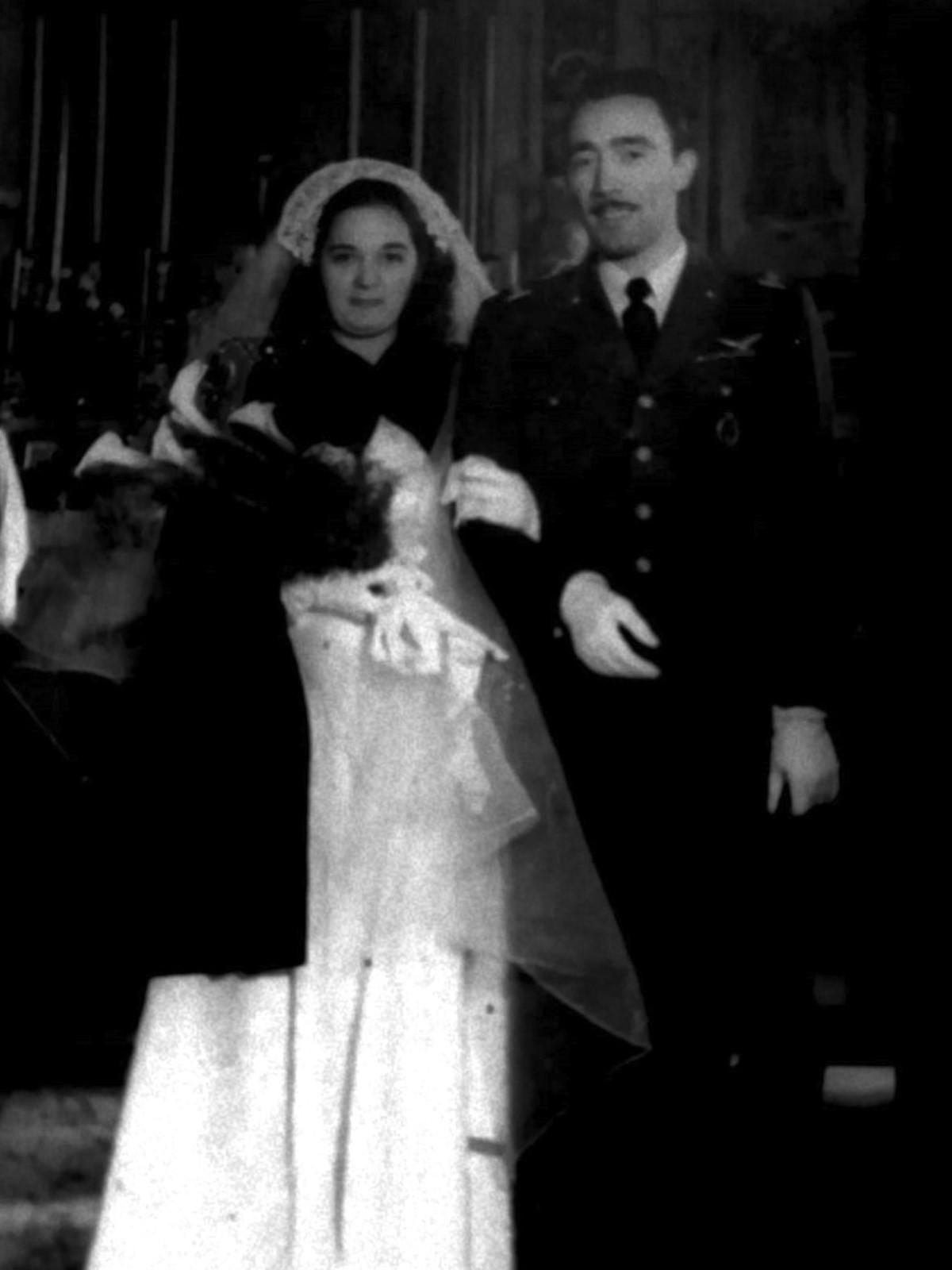 Agnes and Faliero Gelli on their wedding day in 1947.
From prisoner to family man
After his recovery, Gelli was transferred to a prisoner-of-war camp in the UK, then to the US. It was there that he met Agnes, the love of his life and woman who would become his wife.
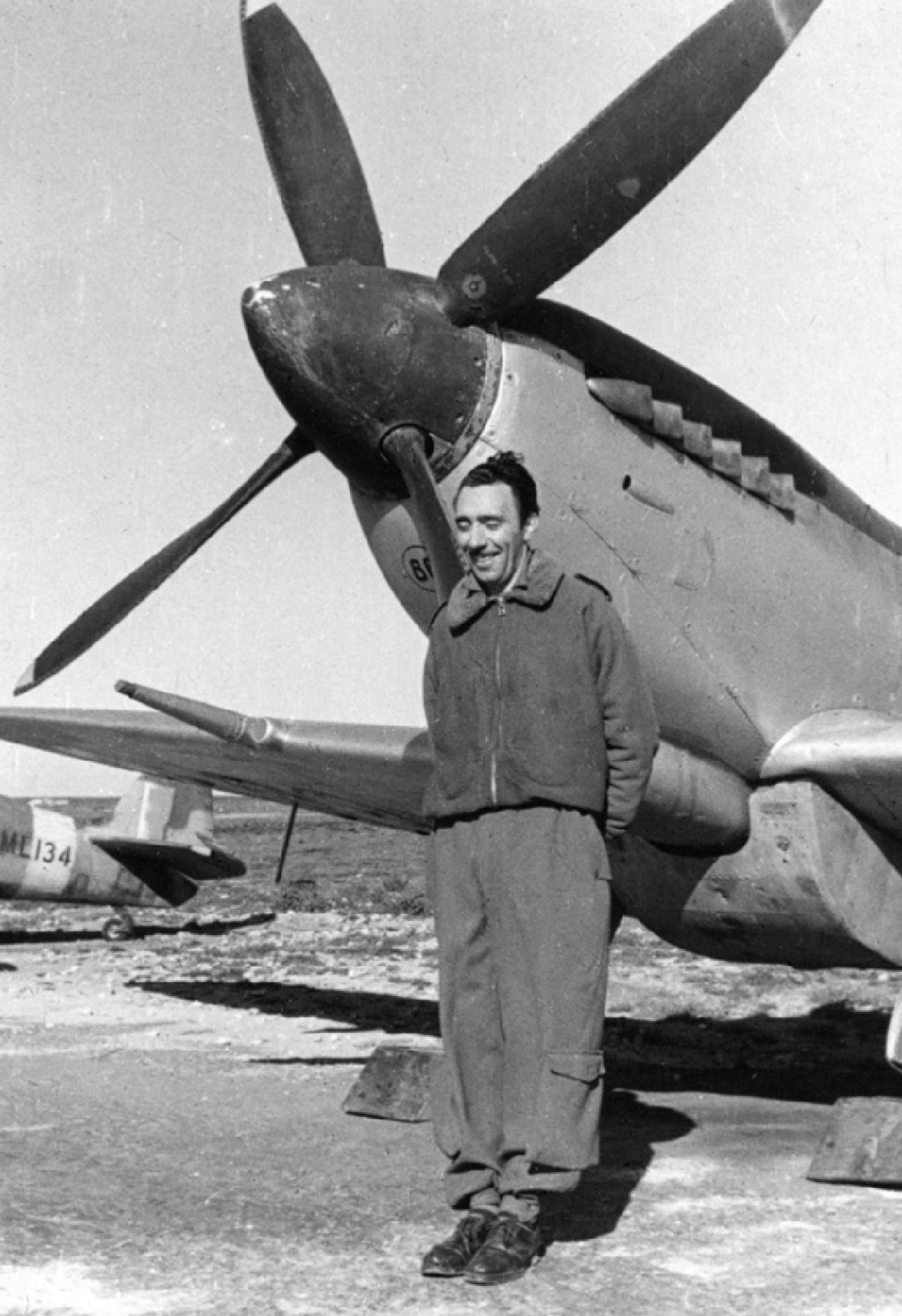 Faliero Gelli, after the war, standing in front a Spitfire Mk. IX of the Italian air force.
Stationed at Camp Shanks, across the Hudson River from Yonkers, Gelli would sneak out almost every night by crawling through a one-metre-wide water main. He would walk five miles to catch a ferry, just to see her.
“It is honestly like something out of a film when you think about it,” the pilot’s daughter Laura said.
He spoke little to no English; she didn’t speak Italian. But they connected. Agnes, born in the US to Italian parents, happened to be from the same town in Italy as Gelli.
After being repatriated in 1945, Gelli returned to Italy. Agnes followed two years later, and they married in 1947 before eventually moving back to the US.
Their daughters, Laura and Claudia, remember their father as deeply affectionate. “He would take my mom into the kitchen and start dancing and singing to her. He had a tender, romantic side,” Laura said.
Do not glamourise something where innocents were being killed, Gelli once told his children
A pilot with a burden
After the war, Gelli rejoined the Italian air force and later taught flying lessons, took part in aerobatics and flew gliders. His son Marco inherited his love of aviation.
But both daughters also recalled that “he carried a sad heaviness” with him, possibly a sense of guilt for having fought in the war. Gelli came from a socialist, anti-fascist family. His father was a member of the Italian Socialist Party, and his brother fought as a partisan in the mountains.
Gelli rarely discussed the war with his daughters. Marco was more curious and sometimes painted his father as a hero, an idea Gelli firmly rejected. “Do not glamourise something where innocents were being killed and children were going hungry,” he once told them.
The sisters are clear about the role the Gozitan villagers played in their family’s story.
“I think he knew what a gift that was,” Claudia said. “That those people ran to help someone who was probably going to throw bombs on them another day.”
“I definitely feel humbled and want to say thank you for doing that. Because if they hadn’t, I probably wouldn’t be alive today. Nor would my sister or brother. We are incredibly grateful.”
Eight decades on, the family hopes to visit Gozo and see the site where it all began. Curmi, meanwhile, hopes to recover and return a piece of the plane to Gelli’s descendants.