Watch: Hope under Fire - the MOAS medics saving lives on Ukraine’s frontlines
Ukrainian medical crews brave unimaginable dangers every day, write Neil Camilleri and Giuseppe Attard
The burly, bearded Ukrainian soldier winced in pain every time the ambulance drove over a pothole on this godforsaken rural road in Zaporizhzhia oblast (region).
The vital monitor to his right side was flashing and making inconsistent beeping noises. Even though he was tightly strapped onto the stretcher, his head held in place by a neck strap, it was clear the unfamiliar sound was unsettling him.
A couple of hours earlier, he had been hit by an FPV drone on the frontline. After receiving emergency care at an aid station, he was now strapped into a stretcher, with his view limited to the roof of the ambulance.
But the MOAS doctor and nurse sitting next to him reassured him he was safe now. A few more minutes and we would arrive at the main hospital in Zaporizhzhia and he would receive the best possible care. The beeping from the monitor was just his heartbeat and other vital signs, and everything was looking good, they explained. He seemed to relax a little, after that.
He was just one of several soldiers evacuated from frontline stabilisation points during our three-day embed with MOAS Ukraine.
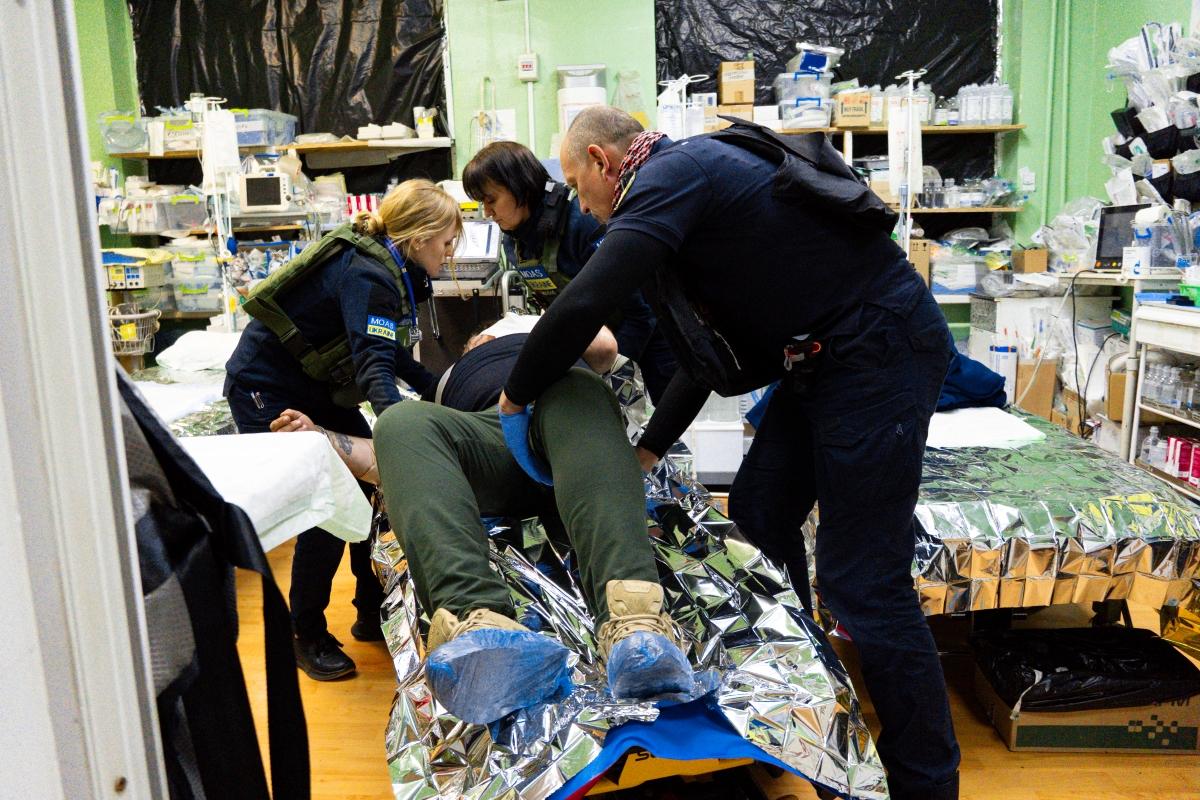 Medics are working constantly to provide soldiers with lifesaving medical care. Photo: MOAS/Giuseppe Attard.
MOAS, the Migrant Offshore Aid Station, was founded in Malta in 2014 and since 2022 been working around the clock to evacuate critically injured soldiers from Ukraine’s frontlines.
To date, it has evacuated over 70,000 members of the Armed Forces of Ukraine, as well as 30,000 civilian patients. Not a single life has been lost in MOAS’ 50 ambulances.
Its crews brave unimaginable dangers every single day.
We embedded with a team comprising Inna, an anaesthesiologist, Nataliia, a paramedic, and Ihor, the ambulance driver.
Ihor lived in Malta for 15 years before the war, having been one of MOAS’ first employees. “Why did you go to Ukraine, knowing that once you got in, you wouldn’t be allowed to leave,” we asked?
“This is my country. These are my people. I have been helping rescue people from all over the world from drowning in the Mediterranean. When war broke out in my country, I knew I had to come back,” he replied.
Team leader Inna explained to us that the team can carry out multiple evacuations in a day. The team lives in a village house, just 13 kilometres from the line of contact. The artillery rumbles on 24 hours a day and, in the evening, the horizon flashes incessantly from the artillery duels.
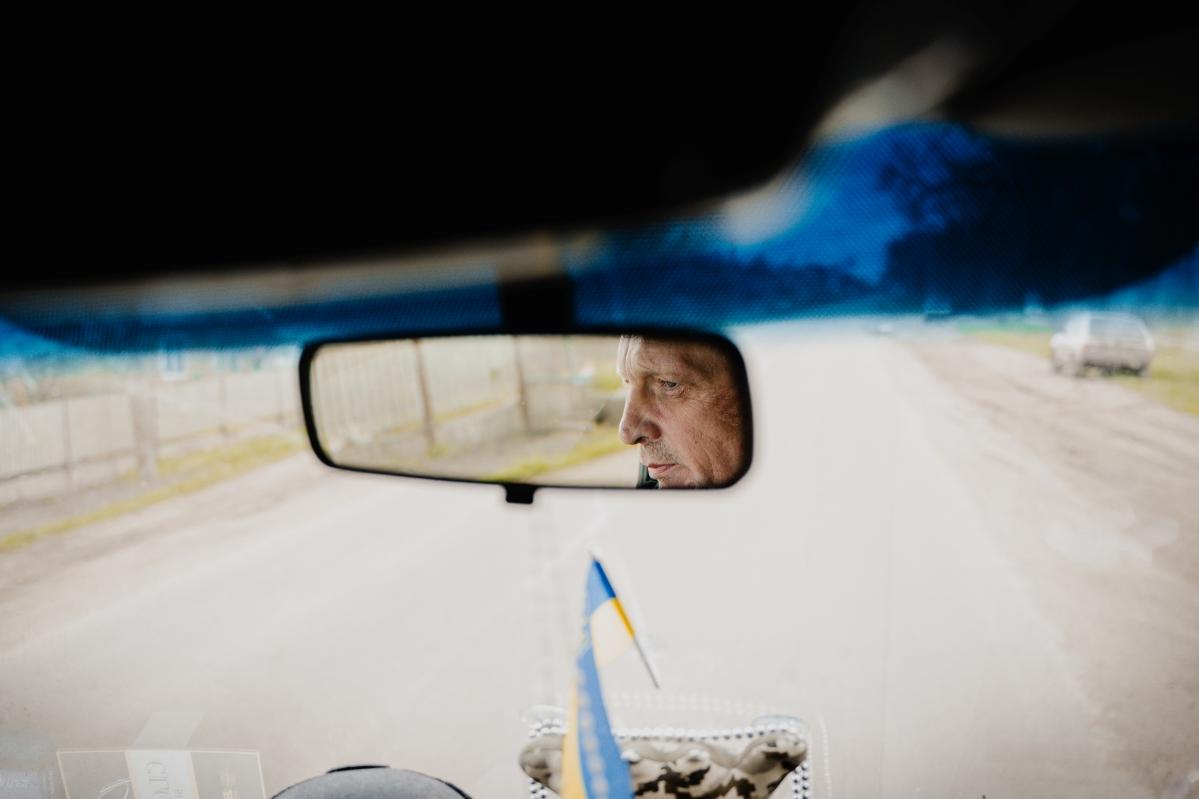 Ambulance driver Ihor lived in Malta for 15 years before the war. Photo: MOAS/Giuseppe Attard.
Just a couple of hours after we arrived at the makeshift base, we had to follow the team down into the cellar, which doubles down as a bomb shelter. “We have just been informed that this village is under threat of rocket attack,” Inna said.
While we waited out the threat, we asked Nataliia. “You could easily find a job at some hospital in west Ukraine. Why are you here?”
Without giving it a second thought, she replied: “I cannot imagine myself being anywhere else. I need to be here. My family understands the choice that I made, so that’s that.”
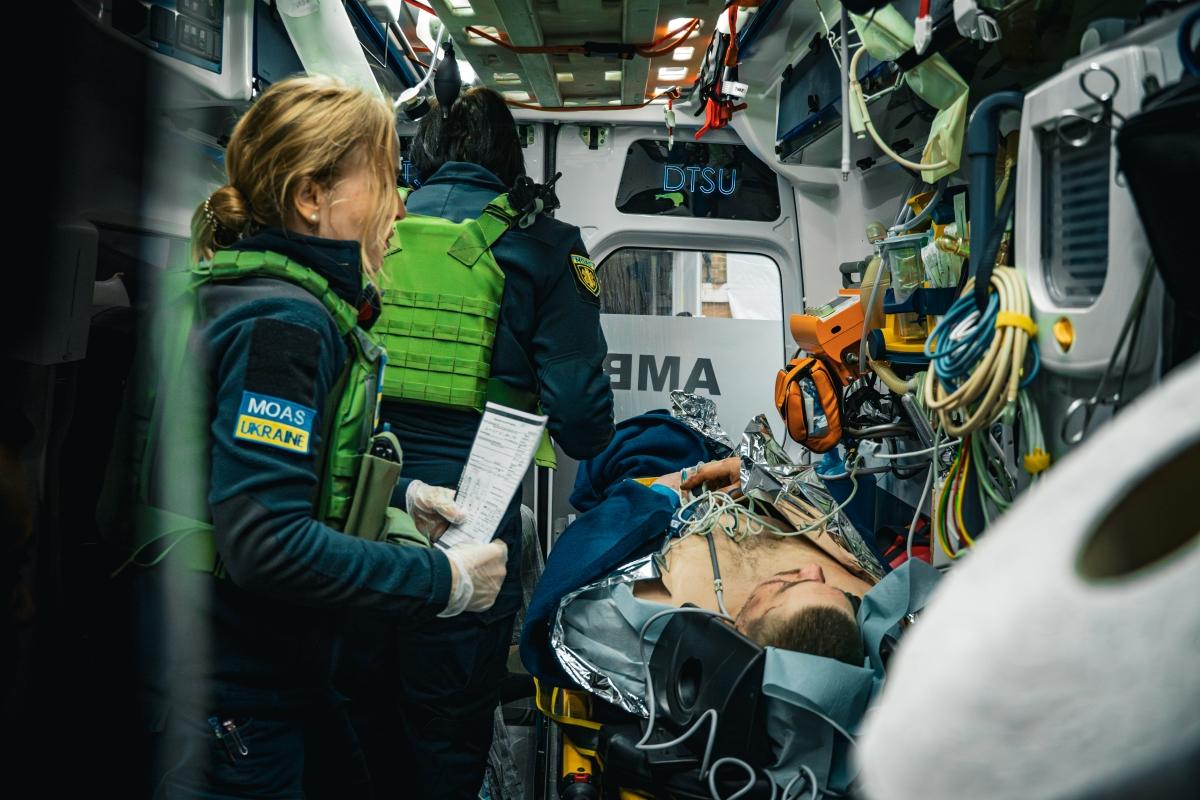
Photo: MOAS/Giuseppe Attard.
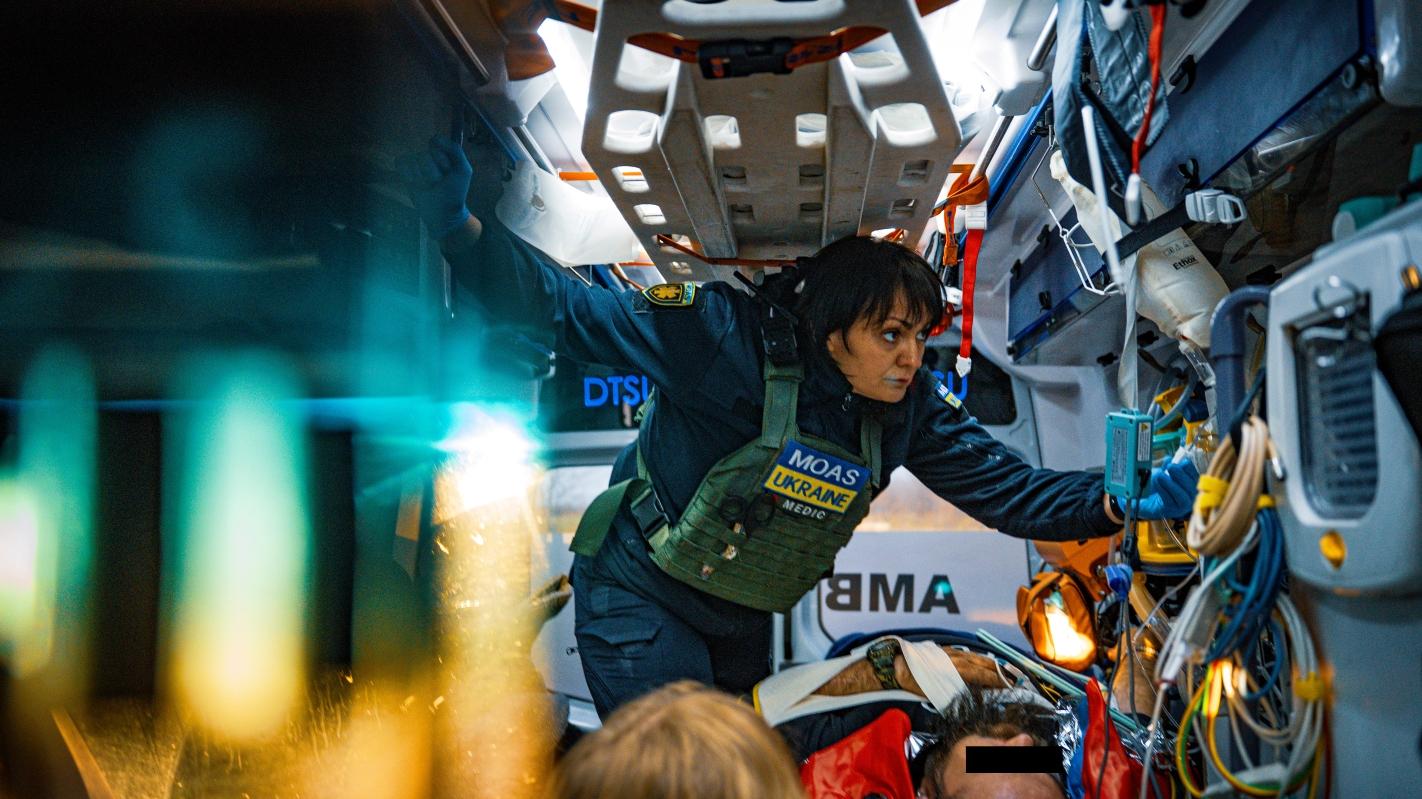
Photo: MOAS/Giuseppe Attard.
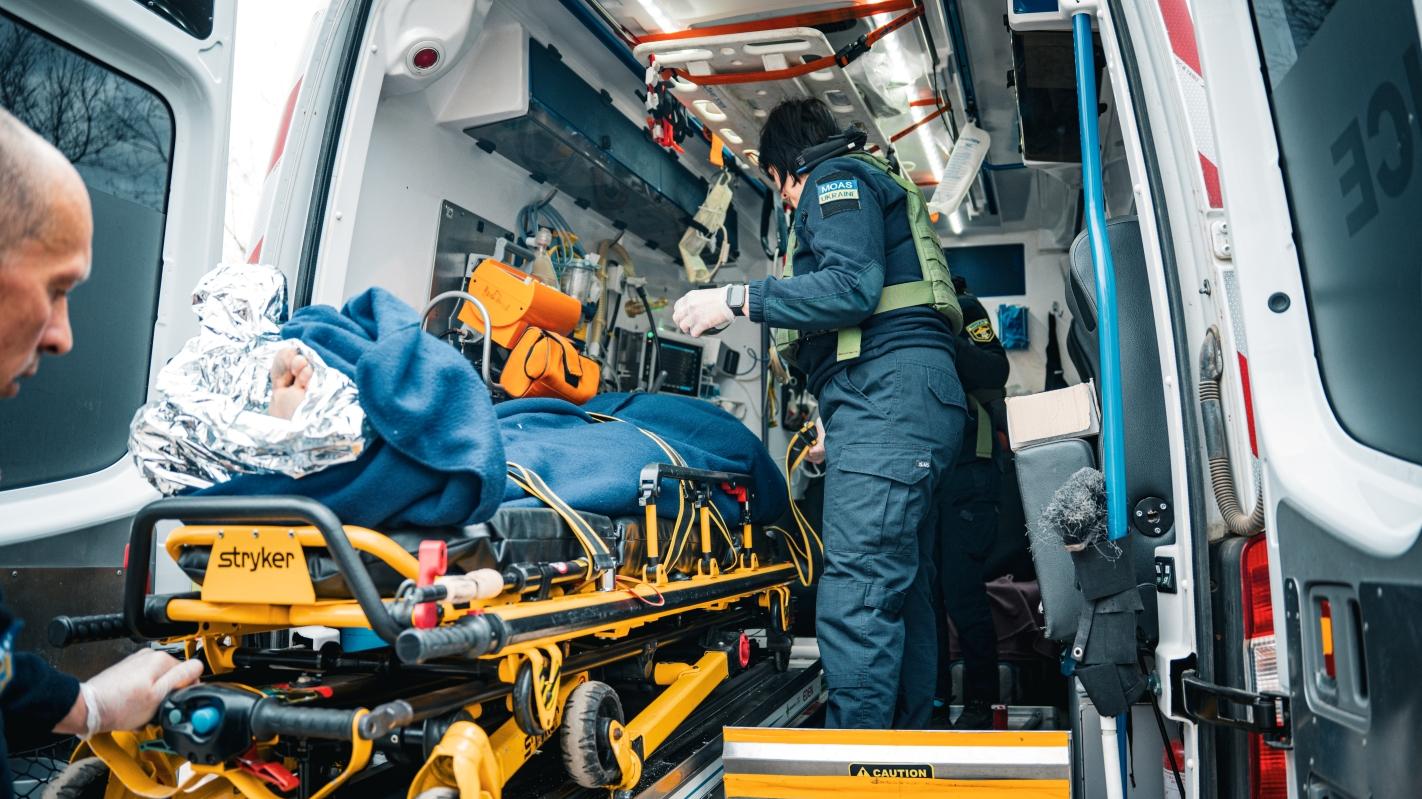
Photo: MOAS/Giuseppe Attard.
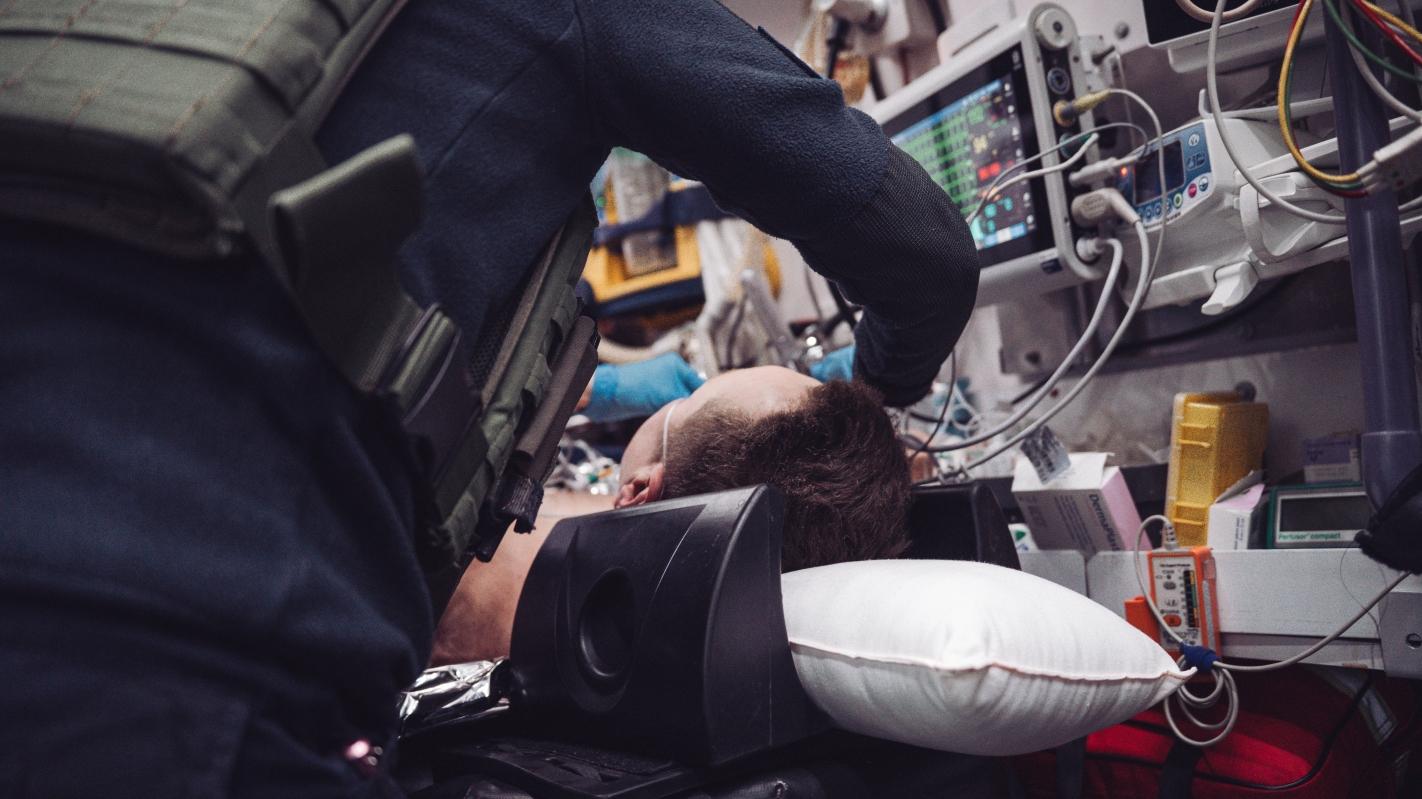
Photo: MOAS/Giuseppe Attard.
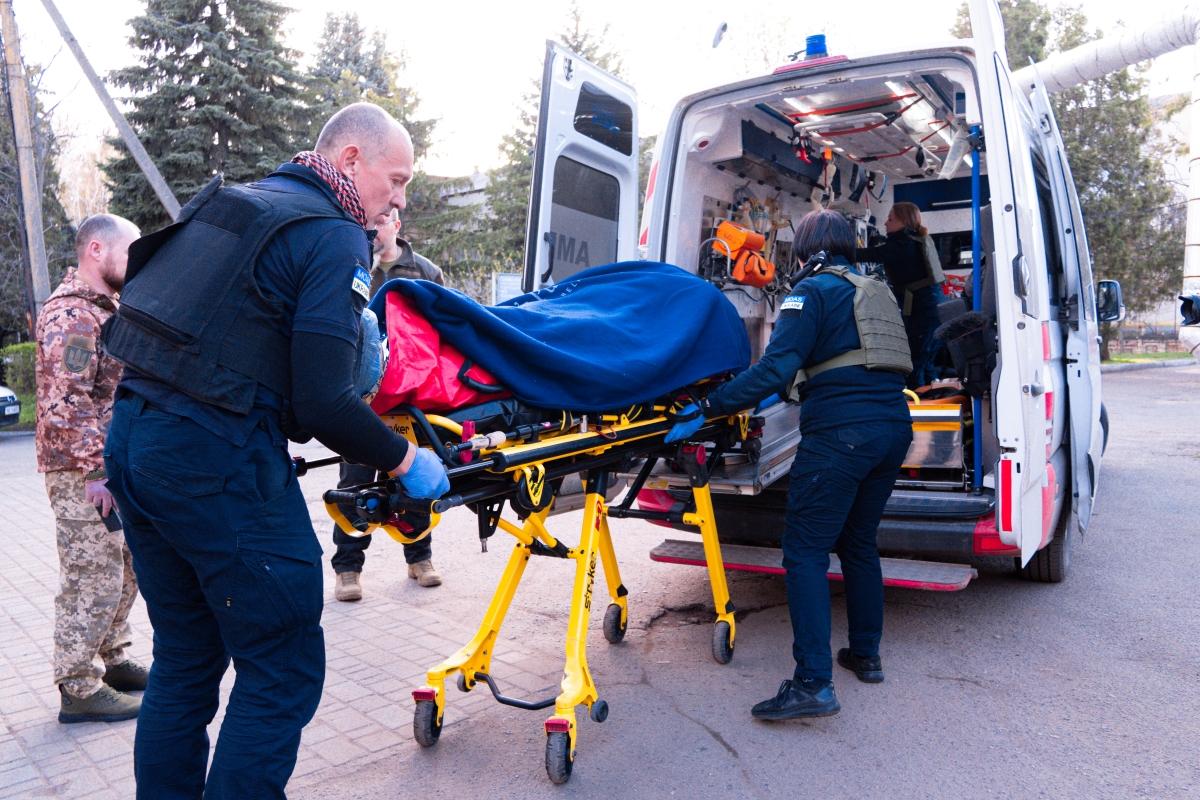
Photo: MOAS/Giuseppe Attard.
Over the next three days we documented the team as they picked up critically injured patients, bearing horrible injuries mostly caused by FPV drone strikes, and transported them to hospitals in Zaporizhzhia city. Just being in an ambulance makes them a target – the drones and artillery don’t discriminate here. But the medics hardly think about the dangers lurking outside and carry on with their job to save lives.
This is Camilleri and Attard’s 8th film on the war in Ukraine. For this MOAS fundraising film they also interviewed the organisation’s founder, Christopher Catrambone, as well as several Ukrainian army surgeons, who work shoulder to shoulder with MOAS medics on a daily basis.