Watch: 'I ditched my car for a week. Would I give it up for five years?'
The pros and cons of going car-less in Malta
Seven years ago, I received what I considered to be a ticket to freedom – my driving licence.
Twenty-three-year-old me was overjoyed. I no longer had to waste time waiting for a bus or rely on my partner or parents for a lift. I could hop into my car whenever I wanted and go wherever I pleased.
Now, I reach for my car keys for any trip, no matter how short. And I’m in the car on my own.
I’ve lost count of how many times I’ve reported about our tiny island’s big traffic problem – and I’ve become part of it.
Despite the countless hours I’ve lost to traffic and the hundreds of euros I spend on my car every year, the idea of living without it had never crossed my mind.
So when the government announced plans to pay €25,000 to motorists to ditch their car for five years, I decided to carry out an experiment: going carless for a week.
Fear of wasting time
After parking my car in a safe spot, my next task was to plan my trips. On a good day, taking the bypass, I could drive to the office in under 10 minutes. But a bus ride was going to increase my commute to 30 minutes, which included walking to bus stops and catching two buses. The idea was daunting.
What if all the buses passed by full up, and I got to work late or missed a press coverage?
Memories came back of my time as a student, when I would waste precious time at a bus stop not even knowing if my bus would arrive. But a lot has changed since then: you can now plan your bus journey or book a cab on your smartphone.
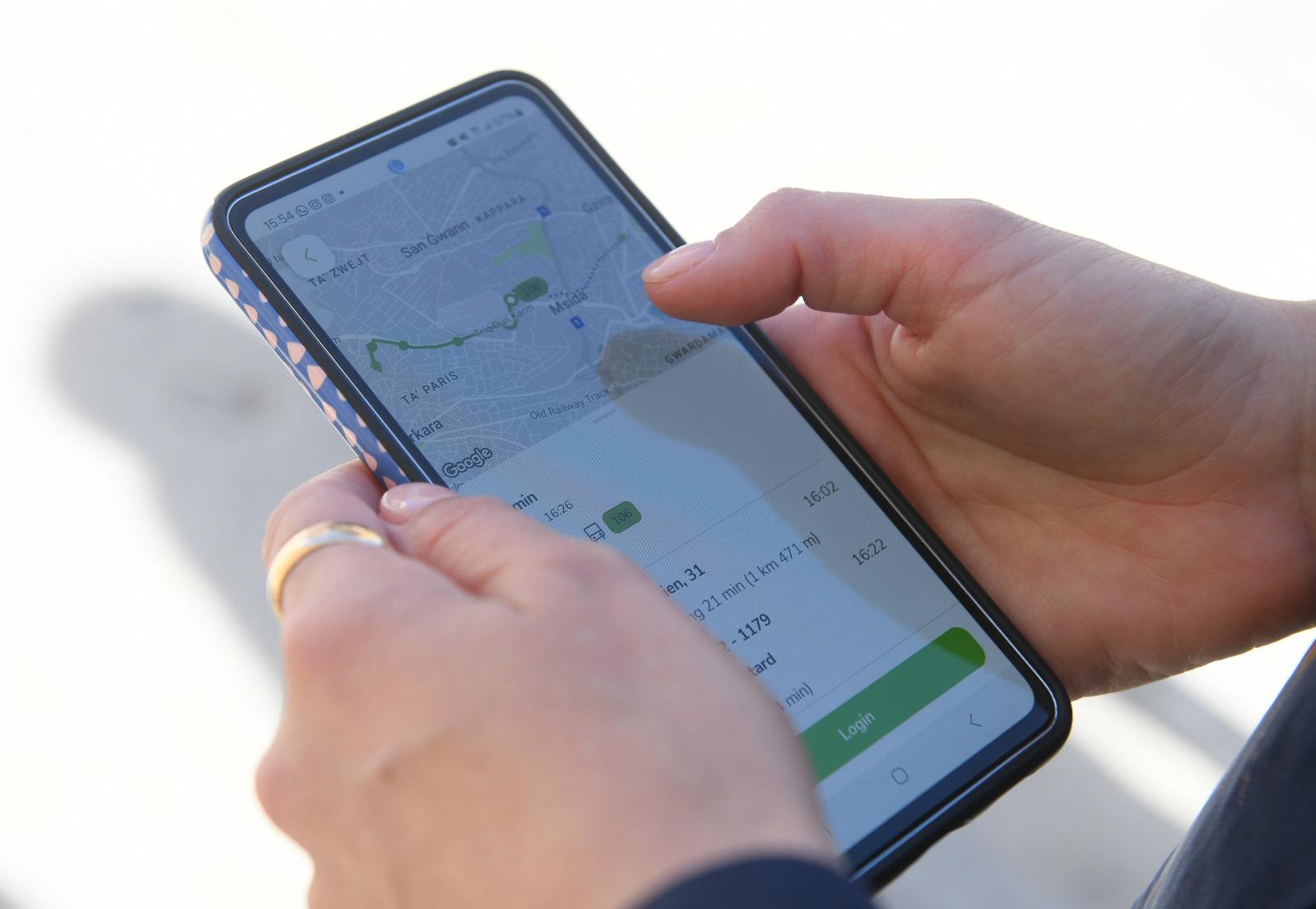 One can now plan the bus journey with the Tallinja app.
After a day of using Google maps, my car-free colleague advised me to download the Tallinja app.
There were a few hiccups, with failure to load at times, but the app was easy to use and allowed me to track buses in real time, a great help for time management and scheduling my trips.
While I did spend more time travelling, the experience was good, at least on my route. Most buses were on time, clean and I nearly always found a seat.
New challenges
But my car was not only my means of transport. It was also my storage unit.
Going for a run after a work? I’d dump a change of clothes in the car. Going shopping? I could always carry a shopping bag or two in my boot. No such comfort on the buses.
I had to carry my work bag, laptop bag and tote bag full of things I would need after work. I was worried I would leave one of them behind, so I’d end up piling them onto my lap during the trip.
Then there was the experience of watching not one, not two, but three buses pass by without stopping, overflowing with passengers.
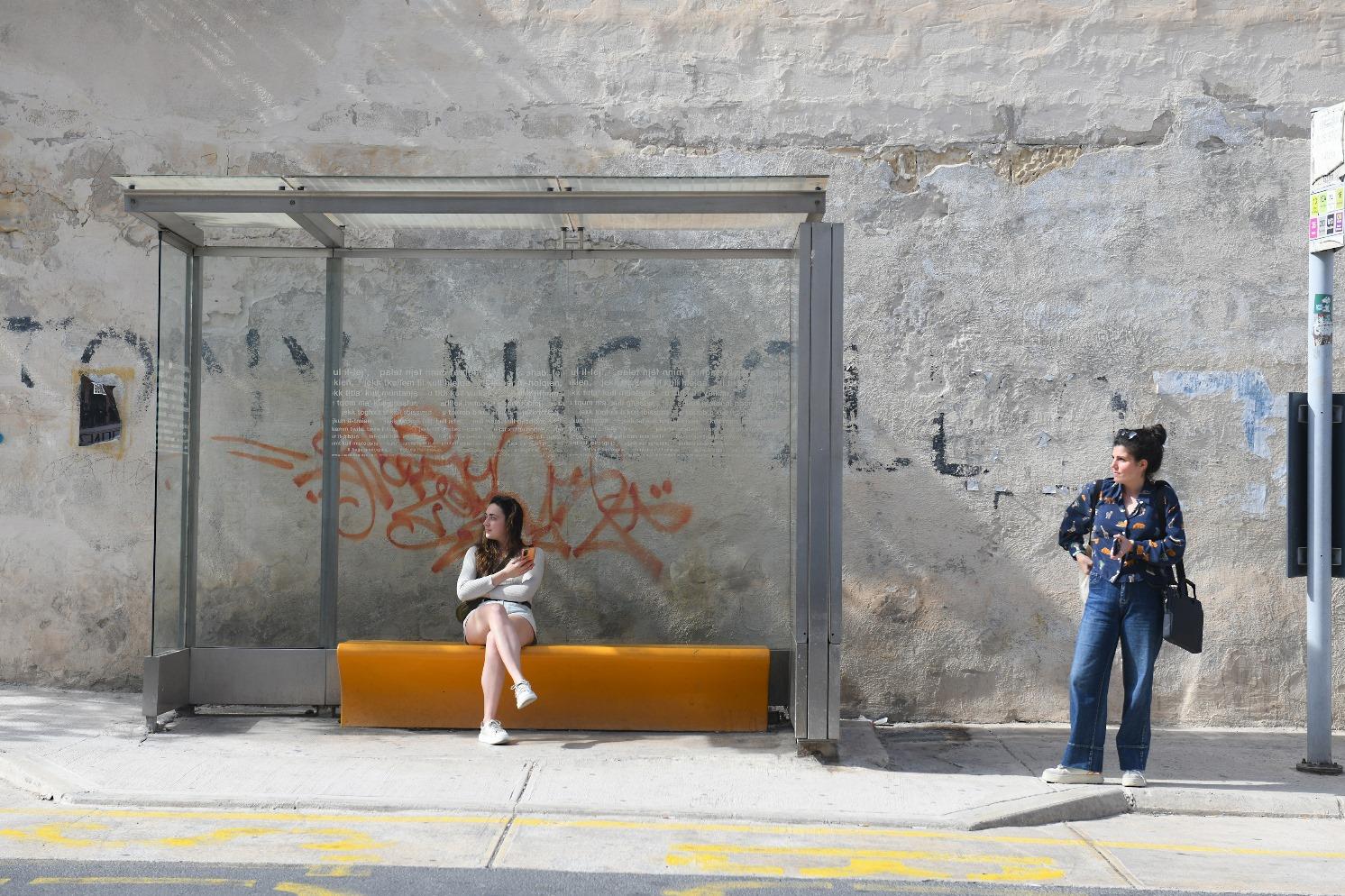 Waiting for the bus...
The other challenge was a mental one. While most of my bus trips took 15 minutes at most, gnawing away at the back of my mind was the thought that the equivalent car ride would only have taken five minutes.
Still, there was a plus side: I found myself reading, catching up on e-mails or messages, or simply sitting back and enjoying the view from the window.
Fuel cost vs cab fares
Going car free didn’t mean I depended solely on public transport. I sometimes carpooled with my partner. And on three occasions, I caught a Bolt.
Two of those three rides were for my work commute. One morning I was running late and it was raining heavily. I knew traffic would be slower than usual, but little did I realise others too were scrambling to book a cab, so it took me some time to secure one.
On another occasion I had a 9am appointment in Mġarr and didn’t even bother checking the Tallinja app – catching two buses all the way there would have taken too long.
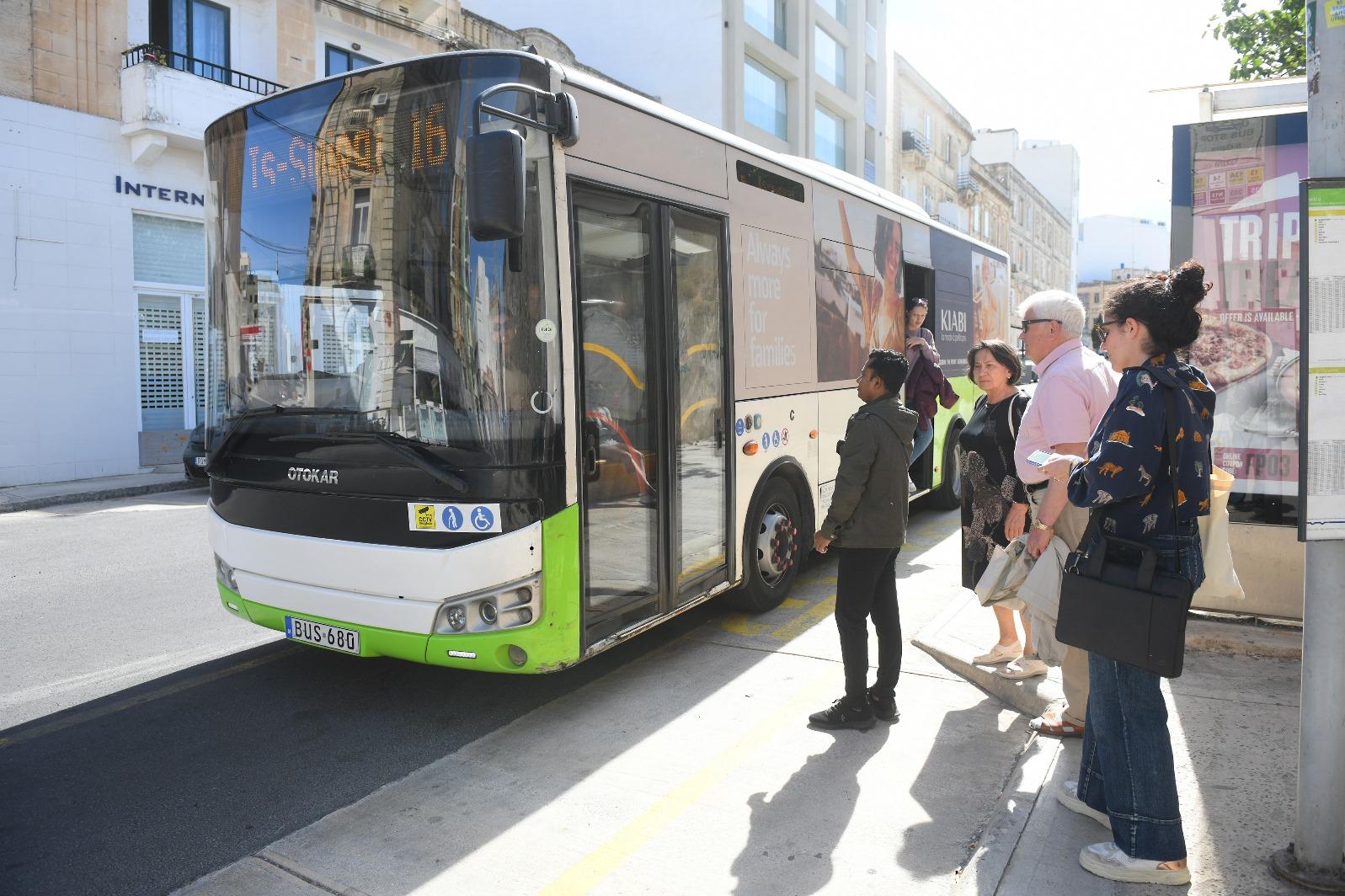 Giulia queueing to board the bus.
The cab rides were easy and comfortable. But how viable would it be to use them frequently?
I spend an average of €40 per month on petrol, and just three trips by cab cost me just over €40. Sure, I’d also save on car insurance and maintenance, but I know that even if I caught a bus most of the time, I’d still use a cab in urgent situations and spend more than I’d planned to.
Broken pavements
Without a car, I looked for ways to walk to my destination. I was able to do my errands on my route, and it felt good to move more. But I also became more aware of the state of our pavements.
In some areas they were well-maintained, but I often found myself on very narrow or uneven paths. Sometimes, the scaffolding on construction sites would take up the whole pavement, leaving me no option but to step into a busy road.
My thoughts went out to the elderly and those with mobility issues, unable to walk safely due to bad pavements
As I struggled with my bags, my thoughts went out to the elderly and those with mobility issues, unable to walk safely due to bad pavements.
If we want more people to give up their cars, we should start by improving our pavement infrastructure.
Would I give up my car?
I live and commute to places where public buses were frequent and routes accommodating. My partner still has a car, so I could rely on him if I got stuck. These factors, combined with my income and lack of children or elderly dependents, meant that it was easier for me than others to rely on public transport and the occasional cab.
My route through central areas – Msida, Valletta, Birkirkara and Mrieħel – also made it easier for me to travel by bus than those coming from the north or south, or from Gozo.
Then there’s the climate: even I would have second thoughts about walking and waiting for buses in the August heat.
I did finish my week’s experiment more at ease than when I started it. With a bit more planning and a change in mentality, I hope to leave my car keys at home more often and catch a bus, ferry, or simply walk to my destination if it’s a short distance.
But would I give up my licence for five years? I'm far from convinced.