Watch: Maltese cuisine is vanishing, veteran chef warns
People’s shopping habits are also a problem, but there’s hope, Anton Dougall says
Maltese cuisine is disappearing from homes and restaurants as people swap traditional slow-cooking on stoves for fast-paced routines and courier-brought takeout, one of Malta’s most-respected chefs has conceded.
At the same time, many people are needlessly driving up grocery bills and obesity rates by packing trolleys during supermarket runs with far more food than they need to lead a satisfactory, healthy diet.
These were the warnings of veteran chef and culinary icon Anton B. Dougall who, at age 74, shows no desire to retire from his decades-long career and has just published his 55th cookbook containing instructions in English for almost 200 traditional Maltese recipes.
That is one way to keep Maltese food alive, he tells Times of Malta. He wanted to offer foreigners living in Malta an opportunity to understand Maltese cuisine and adopt it. He is also launching a campaign targeting the foreign residents who have made Malta their home, showing them that local food is accessible.
“Maltese cuisine is sliding away from us. People are cooking much less often in their homes, and they prefer ordering takeout food. Even worse, restaurants hardly serve any Maltese food and most people cooking food in commercial and industrial kitchens aren’t Maltese,” he said.
Why Gozo food tastes better
Dougall believes the decline of Maltese cooking is linked to the speed of modern life.
Traditional Maltese food relies on a slow-cooking process, which clashes with today’s hectic schedules. It is why he often finds that food tastes better in Gozo, noting that Gozitans are simply more relaxed and take their time in the kitchen.
Dougall was speaking to Times of Malta from his kitchen, where he has taught hundreds of students how to cook, as he prepared two Maltese dishes from his new book – il-balbuljata and a seabass filet.
He said reviving simple, home-cooked traditional meals is the key to saving both our heritage and our wallets.
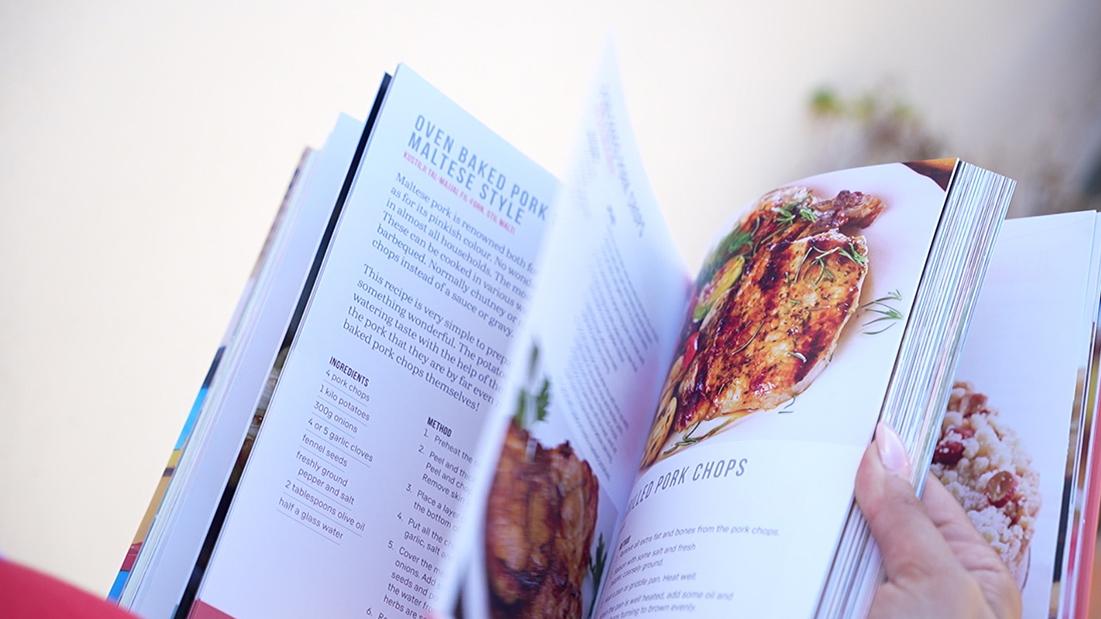 Many recipes in the book are the staple, common Maltese dishes, but Dougall felt they should be included because young Maltese families do not necessarily know how to cook them. Photo: Antoine Farrugia Lauri
Good homemade Maltese food is relatively cheap, he said, but modern shopping habits sometimes lead people to fill supermarket trolleys with extra food and unnecessary canned goods that ultimately end up in the bin.
“The mistake that Maltese people make is that they buy larger portions than they can and will eat,” Dougall says.
“You see trolleys at the supermarket – they’re full to the brim with food. It doesn’t need to be like that. And this is especially concerning when we’re the most obese people in Europe.”
He suggests a hack: put €100 cash into a dedicated ‘food wallet’ to track food spending, sit down once a week to plan a menu that uses ingredients in the least wasteful manner, and strictly stick to a shopping list.
But he also admits Maltese cuisine is not all that rich compared to other European cuisines, and he believes he knows why.
Historically, the cuisine suffered from many missed opportunities. While the many foreign rulers who conquered the islands for centuries brought rich culinary influences with them, our ancestors could not easily absorb them. The Maltese servants working in these kitchens were usually delegated to doing the dirty work, like washing plates, rather than doing the actual cooking, which means many foreign techniques never made it into local households.
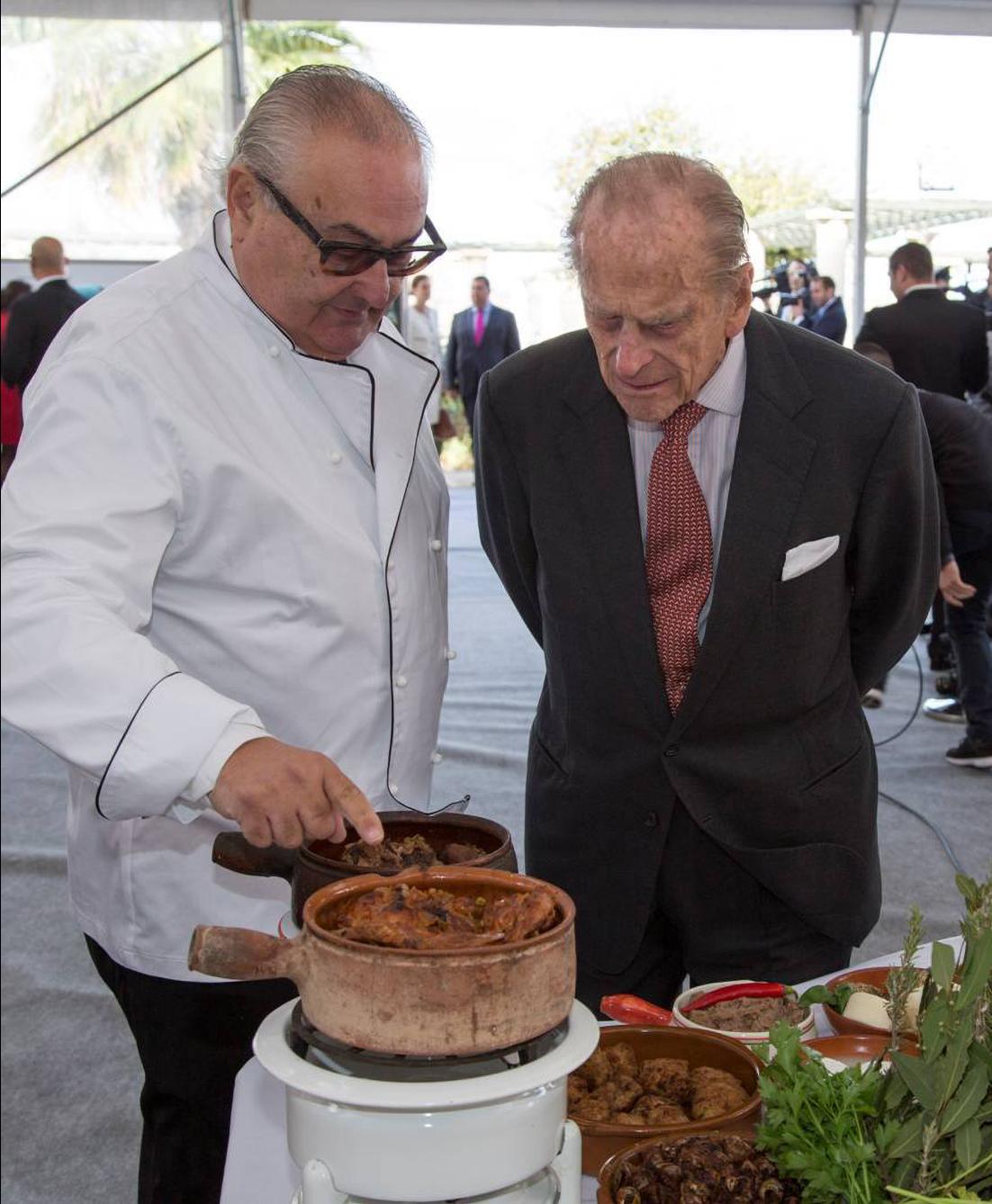 Dougall showing the late Prince Philip his table of traditional Maltese food. Photo: Facebook/Anton B. Dougall
The 15-dish plan
Dougall’s book, Traditional Taste of Malta, is packed with 180 recipes gathered from his mother, grandmother, radio listeners, and frequent trips to Gozo.
The book features basic staples like chicken broth, vegetable soup, and spaghetti with tomato sauce. While some might think these are too simple to print, Dougall disagrees.
“Are they simple, really? Does everyone really know how to cook them? You’d think everybody knows how to cook broth… but I’m not so sure.”
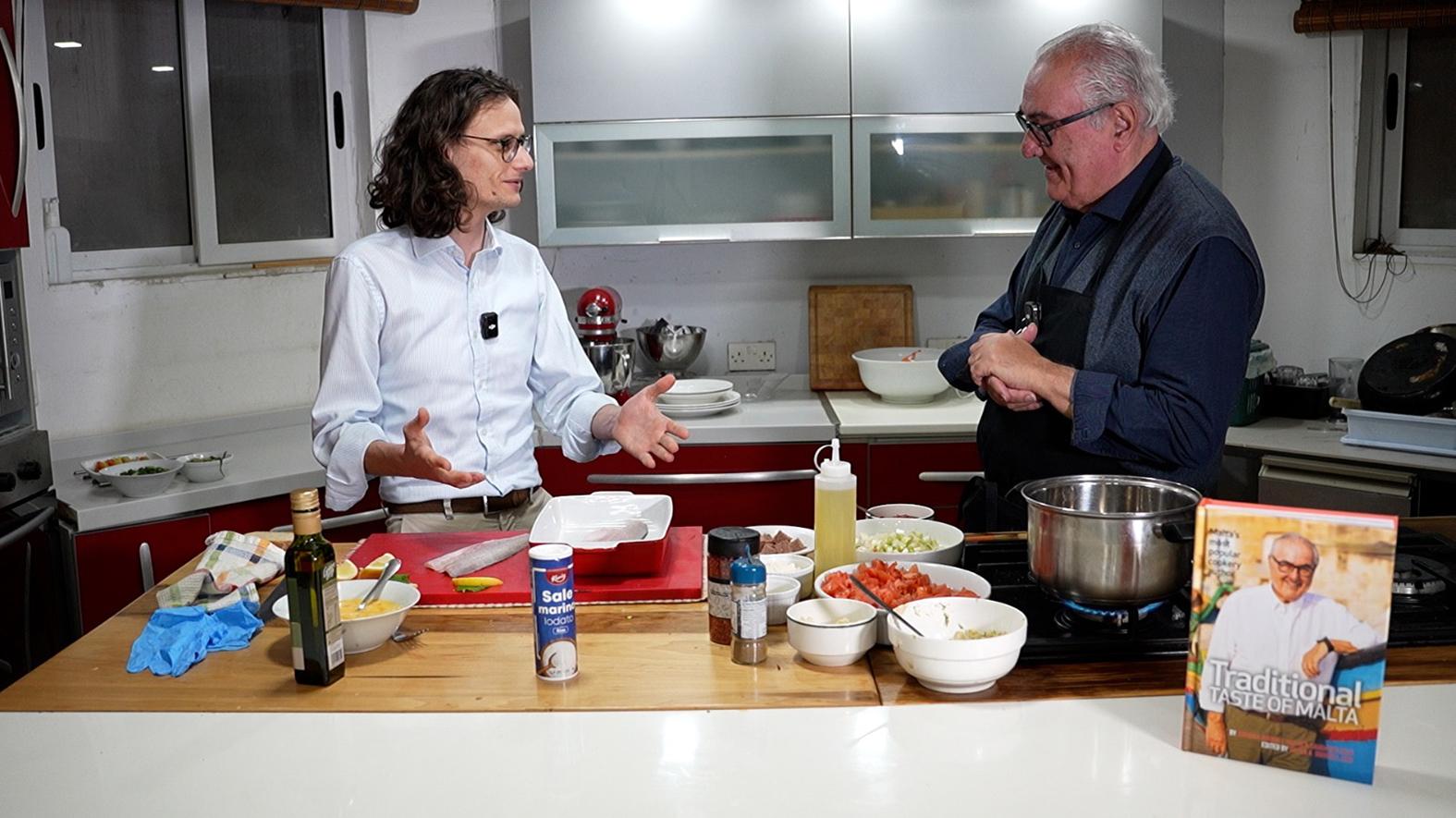 Anton Dougall spoke to Mark Laurence Zammit from his kitchen. Photo: Antoine Farrugia Lauri
He suggests that busy people seeking to cook more local food should start with something like a balbuljata – a simple, budget-friendly traditional scramble of eggs, tomatoes, and onions, he was cooking during the interview.
“It doesn’t cost much, doesn’t take many ingredients and can be done in a few minutes,” he says.
For busy bodies who want to eat authentic food without spending hours researching, Dougall’s final advice is to keep it repetitive, just like our ancestors did.
“You don’t need to know how to cook many dishes. You only need to find 15 good recipes that you like and refine them over time,” he said.
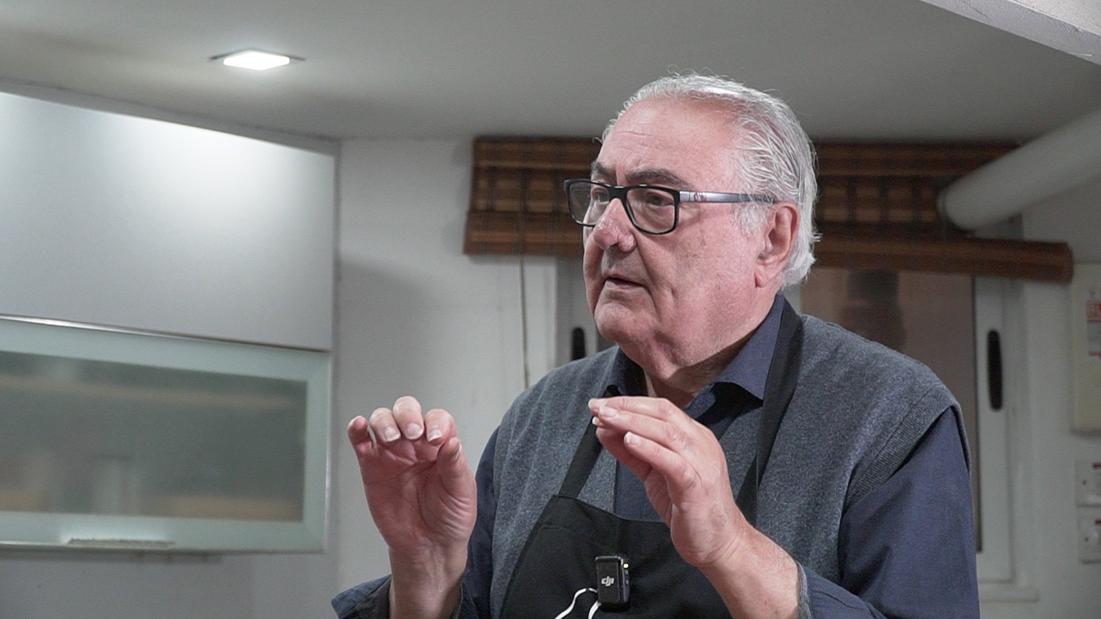 Dougall is 74 and he has no intention of retiring. Photo: Antoine Farrugia Lauri
Over 50 years at the stove
Dougall’s efforts to protect local food are backed by a lifetime of elite experience. After studying and obtaining culinary qualifications in the UK and Italy, he built an illustrious career that earned him a Ġieħ ir-Repubblika in 2023 for his lifetime achievements.
He has served as chef-patron for state banquets under presidents Anton Buttigieg and Agatha Barbara, hosted a royal tea party for Prince William, and organised a display of Maltese food for Queen Elizabeth II and Prince Philip in 2015.
Since publishing his first cookbook and hosting his first TV cooking show in 1971, Dougall has been a constant voice on local airwaves. In 2010, he turned his focus to teaching, launching cookery lessons for adults and children that have seen 3,500 students pass through his kitchen to date.
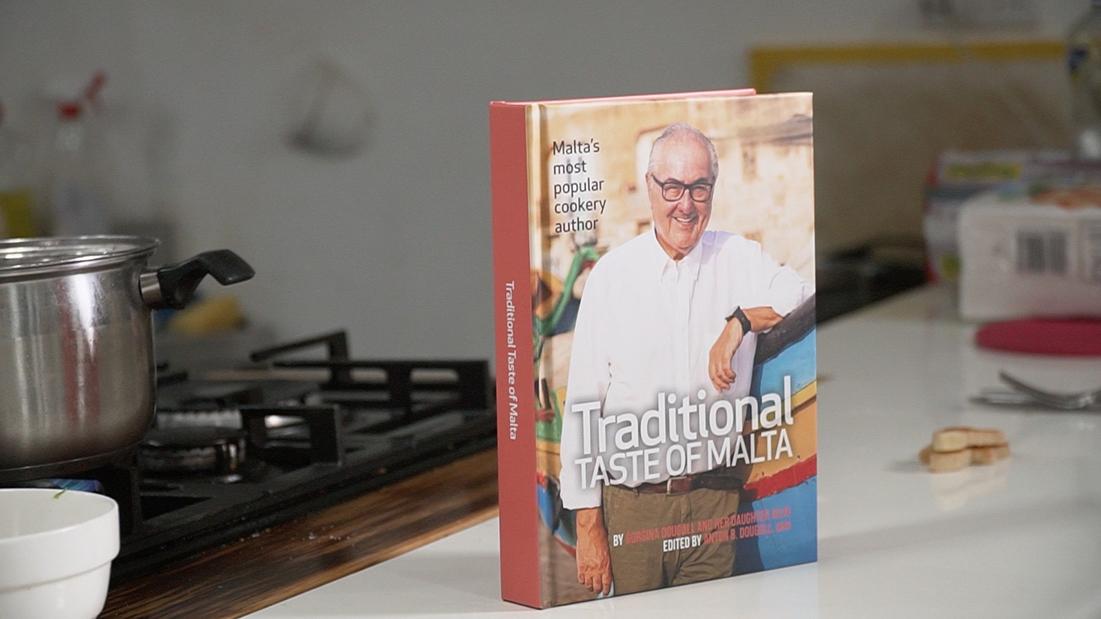 Dougall’s latest book is his 55th and it contains almost 200 Maltese recipes in English. Photo: Antoine Farrugia Lauri