Before Msida gets a pedestrian bridge, we tested the lifts on the current ones
Times of Malta tested all 13 lifts, with mixed results
Last week, the Planning Authority approved plans to replace the pelican crossing that currently goes across Triq Marina in Msida with a pedestrian bridge.
While the bridge is meant to connect two bus stops that are frequently used by Junior College students, it has divided opinion.
On one side, the government argues that the bridge will improve both traffic flow and safety for pedestrians.
On the other, Msida and Pietà local councils, as well as various NGOs, say the bridge will be an eyesore that inconveniences residents.
Another argument of the anti-bridge camp is that the lifts of the other pedestrian bridges across Malta regularly break down, rendering many of them inaccessible for those with mobility issues.
Times of Malta recently put that claim to the test. In the space of a few hours, we visited all seven of Malta’s pedestrian bridges, which between them have 13 lifts – some bridges like the ones in Blata l-Bajda and Paola have a lift only on one side, while the one on the Marsa/Ħamrun bypass has three.
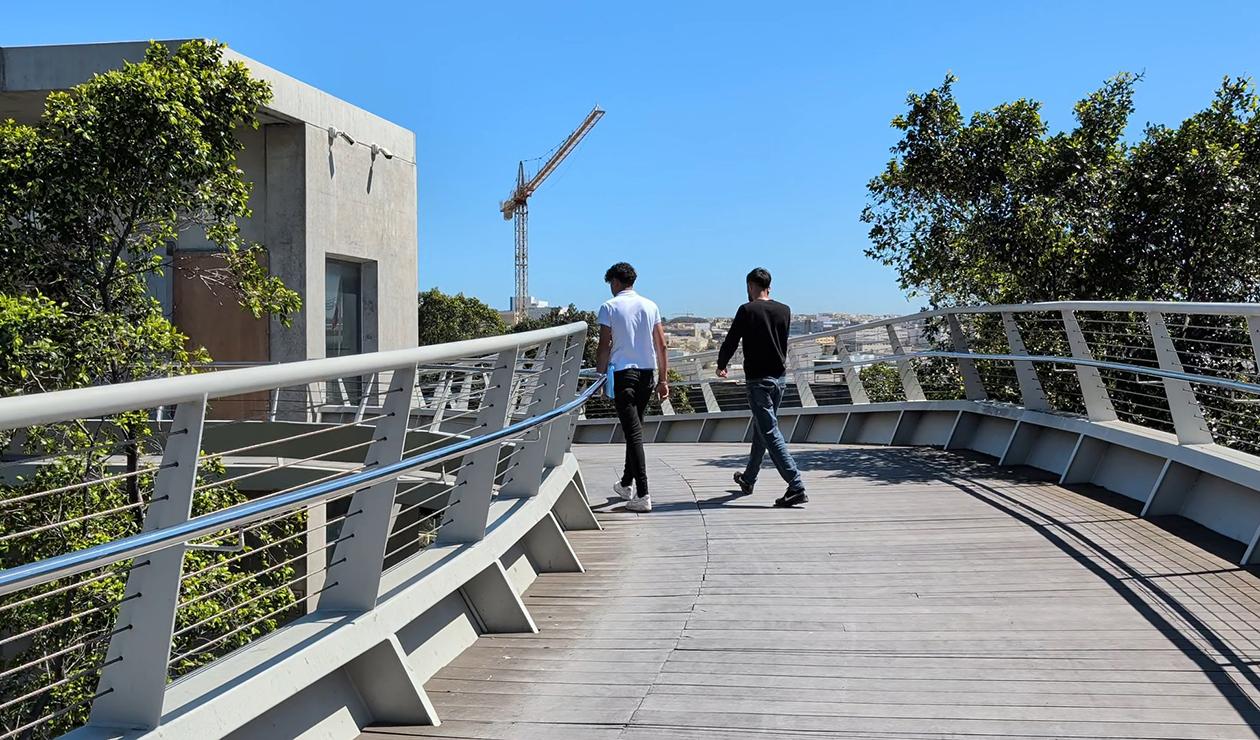
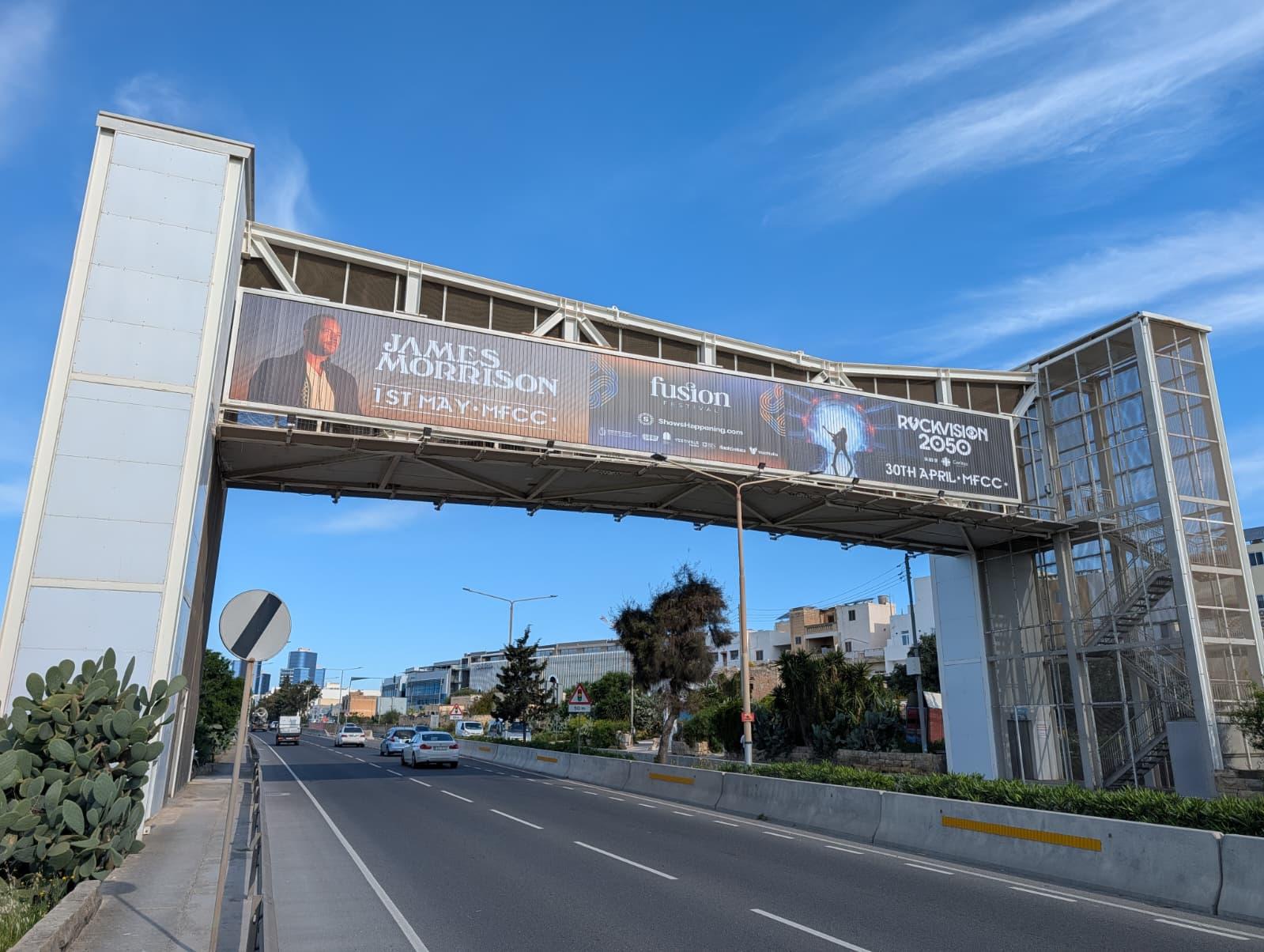 The bridge in Mrieħel was opened in 2017.
Our first stop was the bridge in Mrieħel, which was opened in 2017.
The lifts of this bridge were both operational, clean, and even air-conditioned: all in all, arguably the best lift experience of the entire expedition.
Our next stop, the Marsa-Ħamrun bypass bridge, was a different story entirely. Its three lifts have not been working since 2023, after being damaged by vandals.
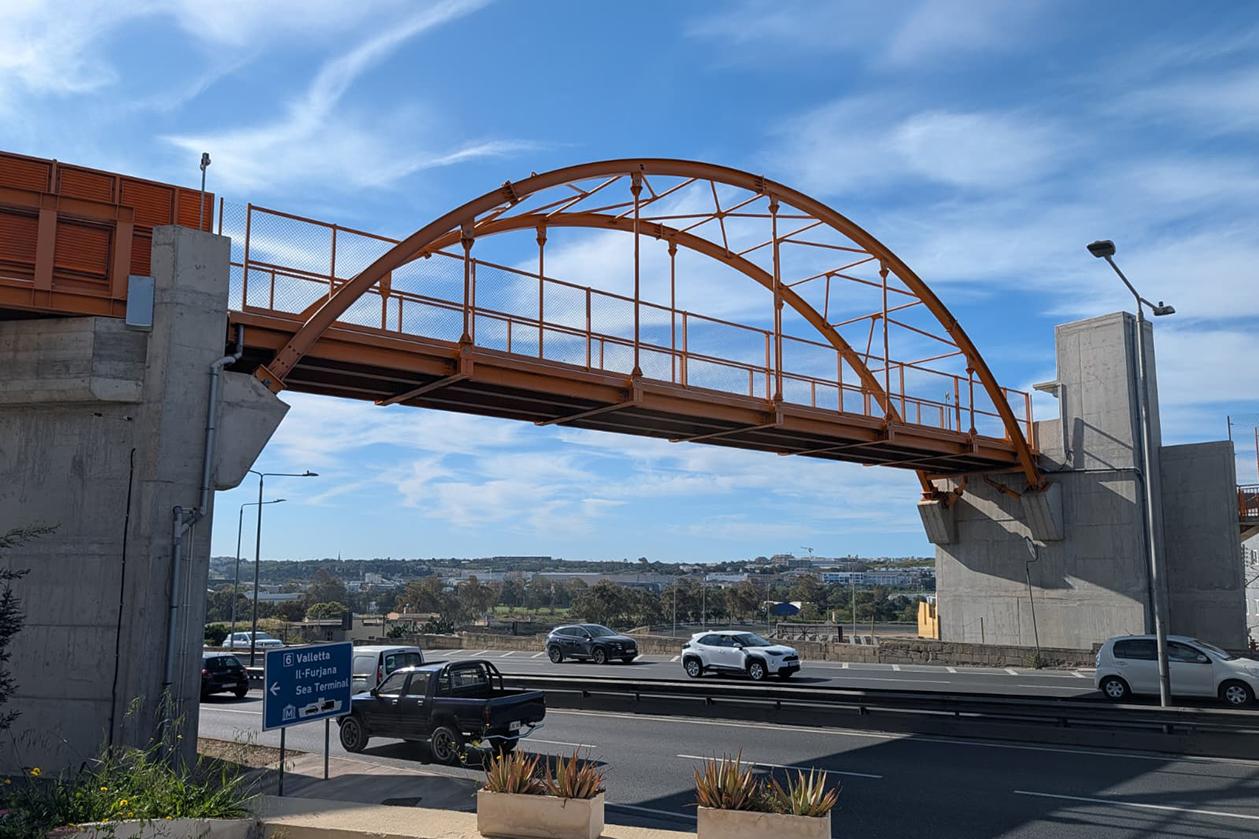 The Marsa-Ħamrun bridge
Three years later, new lifts appear to have been installed but are still not operational, while the area smells strongly of urine.
Heading onto Triq Aldo Moro, we had mixed results on our next bridge, one side of which is located next to Eurospin supermarket. The lift on that side of the busy road worked, while the one on the other side did not.
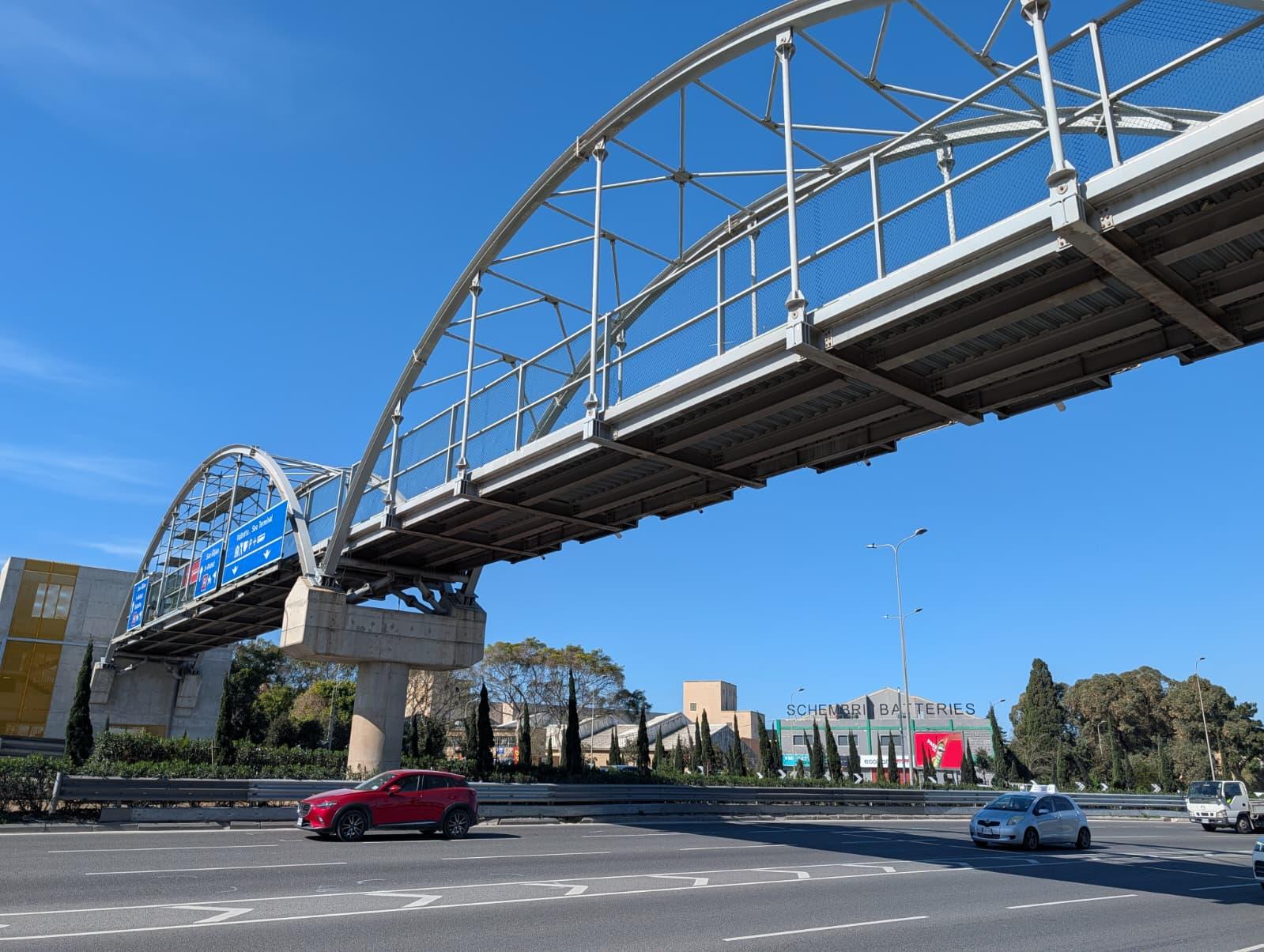
The bridge located next to Eurospin supermarket in Triq Aldo Moro.
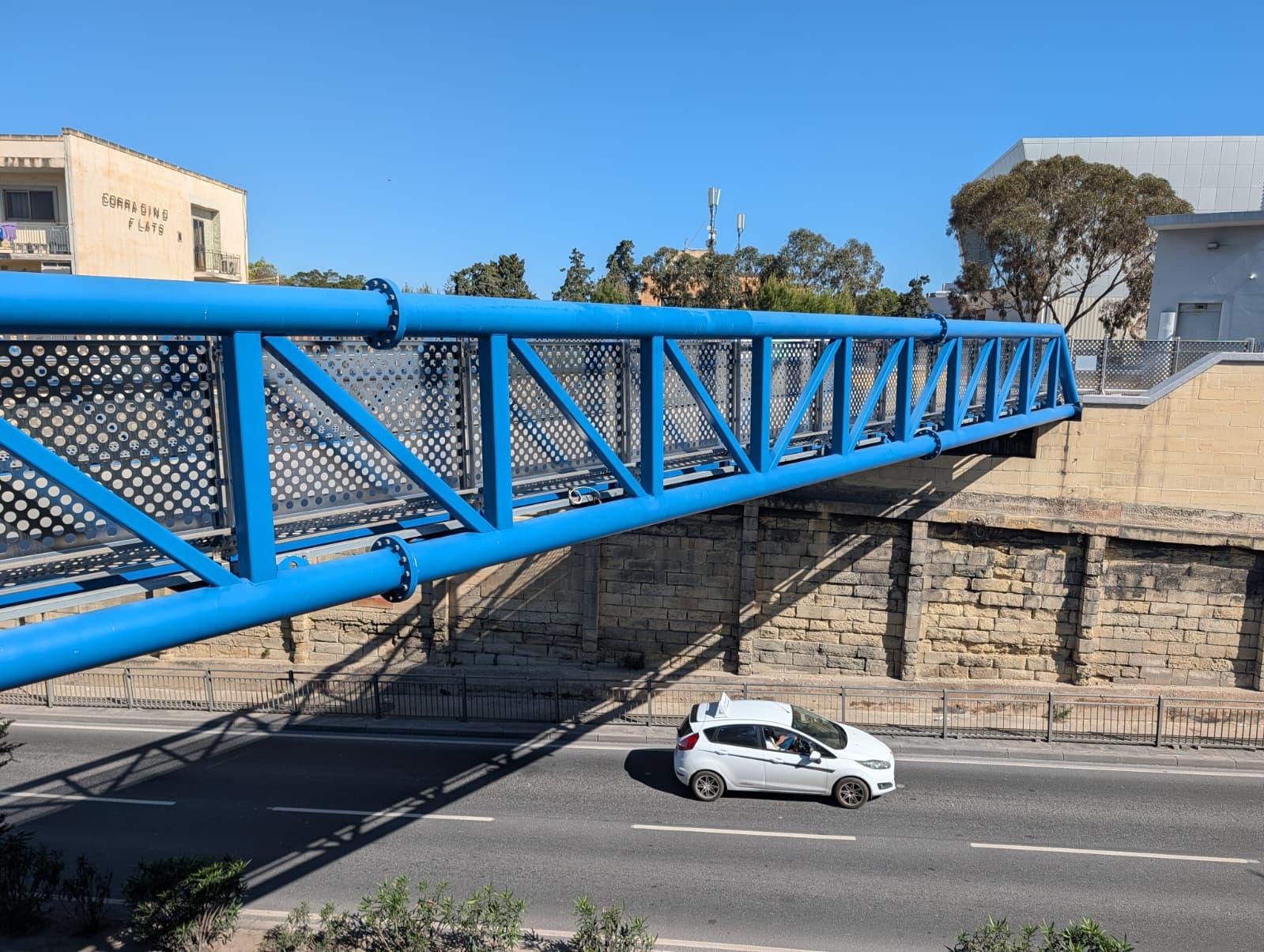
The lift in Paola, located outside MCAST, was out of order.
We had better luck a little further at the next bridge on Vjal Sir Paul Boffa, close to Addolorata cemetery, where both lifts worked.
But once again, we were unable to visit two fully functioning lifts in a row, as the lift in Paola, located outside MCAST, was out of order.
Leaving Paola, we headed slightly southwards to Luqa, where a bright yellow bridge spans the four lanes of Vjal L-Avjazzjoni.
Despite being the most recently installed bridge – it was inaugurated in 2020 – our attempt to summon the lift down to ground level failed. The lift on the other side of the road, near the ITS campus, did not work either.
 The lift at Blata l-Bajda bridge was completely boarded up.
Our journey ended in Blata l-Bajda, where a single lift is meant to improve accessibility between St Joseph High Street and Triq Diċembru 13. Sadly, our last lift was completely boarded up.
The final tally: five lifts worked, while eight did not.
It’s worth mentioning that all bridges can be accessed either by stairs or a ramp, and some staircases have a metal track that makes it slightly easier for cyclists to wheel their bikes up. But for the elderly, disabled, and those with children in pushchairs, a malfunctioning lift is undoubtedly a significant inconvenience.
Jonathan Sammut, who commutes between his home in San Ġwann and his workplace in Paola by bike, told Times of Malta that while the lifts on Vjal Sir Paul Boffa were working when we visited, in his experience, they are out of order up to twice a week.
“Even when one lift is working, that still makes the bridge inaccessible for those with reduced mobility,” he noted, adding that pleas to the authorities over the years to invest in more reliable infrastructure have fallen on deaf ears.
Sammut called on the authorities to consider constructing ramps instead of installing lifts in Msida.
“At least that way the bridge can still be used,” he said.